
Ресурсы
Изучайте широкий спектр ценных ресурсов ВГГ, чтобы углубить своё понимание и повысить эффективность исследований, просветительской деятельности, преподавания и обучения.
Найдено: 1,983
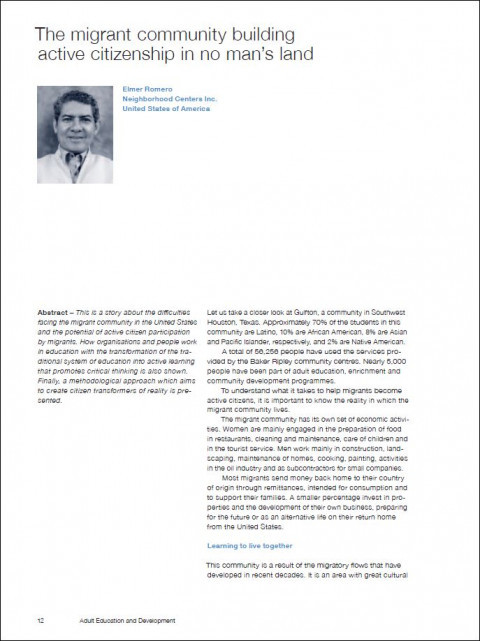 Une communauté de migrants promotrice de la citoyenneté active dans le no man’s land Год публикации: 2015 Автор: Elmer Romero Организация-автор: Éducation des Adultes et Développement Cet article décrit les diffi cultés auxquelles sont confrontés les migrants aux États- Unis, et le potentiel que recèle la participation citoyenne active de cette communauté. Il montre également le travail réalisé par les organisations et les personnes impliquées dans le domaine de l’éducation pour transformer le système éducatif traditionnel en un apprentissage actif, promoteur de pensée critique. Pour fi nir, il propose une approche méthodologique visant à former des citoyens capables de changer l’ordre établi.
  Activism, the SDGs and Youth: Development Education & Global Citizenship Education; Resource Pack Год публикации: 2018 Автор: Valerie Duffy | Dermot O’Brien Организация-автор: National Youth Council of Ireland (NYCI) | Irish Aid This resource explores the issue of Activism and the Sustainable Development Goals and represents an important contribution at this moment in time where activism and action within the Global Citizenship movement is gaining momentum. It is aimed at Global Educators, Youth Workers, Development Education practitioners, trainers, activists, changemakers of all shapes and sizes but in particular those working with the current generation of young people.
 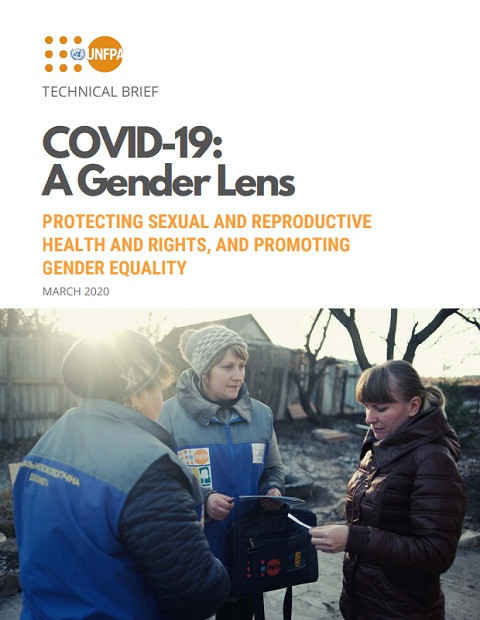 فيروس كورونا المستجد (كوفيد- 19): من منظور النوع الاجتماعي; حماية الصحة والحقوق الجنسية والإنجابية وتعزيز المساواة بين الجنسين Год публикации: 2020 Организация-автор: United Nations Population Fund (UNFPA) يؤثر تفشى الأمراض تأثيرآ مختلفآ على النساء والرجال، تجعل الأوبئة أوجه عدم المساواة القائمة ضد النساء والفتيات والتمييز بين الفئات المهمشة الأخرى، مثل الأشخاص ذوي الإعاقة والأشخاص الذين يعيشون في فقر مدقع، أسوأ. يجب الأخذ في الأعتبار هذا الأمر عند النظر إلى التأثيرات المختلفة المحيطة بعمليات أكتشاف المرض والحصول على العلاج بالنسبة النساء والرجال.تمثل المرأة 70 بالمائة من القوى العاملة بالقطاع الصحي والاجتماعي على مستوى العالم، وينبغي إيلاء اهتمام خاص لكيفية تعرضهن للتمييز في بيئة عملهن، وكذلك التفكير في صحتهن الجنسية والإنجابية واحتياجاتهن النفسية كعاملات صحيات يعملن في الخطوط الأمامية. COVID-19: A Gender Lens; Protecting Sexual and Reproductive Health and Rights, and Promoting Gender Equality Год публикации: 2020 Организация-автор: United Nations Population Fund (UNFPA) Disease outbreaks affect women and men differently, and pandemics make existing inequalities for women and girls and discrimination of other marginalized groups such as persons with disabilities and those in extreme poverty, worse. Women represent 70 percent of the health and social sector workforce globally and special attention should be given to how their work environment may expose them to discrimination, as well as thinking about their sexual and reproductive health and psychosocial needs as frontline health workers. This technical brief provides key messages and recommendations for protecting sexual and reproductive health and rights, and promoting gender equality during the COVID-19 pandemic. COVID-19: Un Enfoque de Género; Proteger la salud y los derechos sexuales y reproductivos y promover la igualdad de género Год публикации: 2020 Организация-автор: United Nations Population Fund (UNFPA) Los brotes de enfermedades afectan a las mujeres y los hombres de manera diferente, y las pandemias exacerban las desigualdades existentes entre las mujeres y las niñas, lo mismo que la discriminación en contra de otros grupos marginados como las personas con discapacidad y aquellas en situación de pobreza extrema. Las mujeres representan el 70 por ciento de la fuerza laboral en el sector social y de salud en el mundo y, por ello, es importante prestar atención especial a la forma en que su entorno laboral puede exponerlas a actos de discriminación, además de pensar en sus necesidades psicosociales y de salud sexual y reproductiva como personal de salud de primera línea. COVID-19: Une optique sexospécifique; Protéger la santé et les droits en matière de sexualité et de reproduction, et promouvoir l’égalité des sexes Год публикации: 2020 Организация-автор: United Nations Population Fund (UNFPA) Les épidémies touchent les femmes et les hommes différemment, et les pandémies aggravent les inégalités existantes pour les femmes et les filles ainsi que la discrimination d’autres groupes marginalisés tels que les personnes handicapées et celles en situation d’extrême pauvreté. Les femmes représentent 70 pour cent de la main-d’œuvre du secteur social et de la santé dans le monde et une attention particulière devrait être accordée à la façon dont leur environnement de travail peut les exposer à la discrimination, ainsi qu’à la réflexion sur leur santé sexuelle et reproductive, et leurs besoins psychosociaux en tant que travailleuses de la santé de première ligne. Cette note technique offre des messages clés et des recommandations pour protéger la santé et les droits sexuels et reproductifs et promouvoir l'égalité des genres pendant la pandémie de COVID-19.
  Peace and Justice: It’s up to Youth; Resource Pack Год публикации: 2017 Автор: Valerie Duffy | Ismael Hayden | Dermot O’Brien Организация-автор: National Youth Council of Ireland (NYCI) | Irish Aid This resource for youth workers on Peace, Justice and the SDGs focuses on Goal 16. It provides activities and opportunities for young people (and those who work with young people) to engage more on key issues of our time, to reflect on root causes and consequences, and to clear a path for this generation to lay strong foundations for present and future pathways to peace, justice, equality, and human rights.
  Recommendations for Teaching and Learning about the Holocaust Год публикации: 2019 Организация-автор: International Holocaust Remembrance Alliance (IHRA) These recommendations, written by a group of international experts, are crafted to help educators with fact-based and educationally sound techniques for teaching the complex and nuanced history of the Holocaust. These recommendations will allow you to: Explain why teaching and learning about the Holocaust matters. The guidelines provide compelling reasons for covering the Holocaust in classroom curricula, so that students have a deeper understanding of the past and how it shapes the present. Find appropriate sources for the classroom. Covering this subject in a way which is both sensitive and accurate can be difficult; these recommendations include practical guidance on how to make your choices. Bring curricula up to date with latest research. There’s a huge range of recent research in this field; we’ve made it easy to incorporate these findings into your classroom.
  We Make Europe: Active Citizenship and Lifelong Learner Год публикации: 2013 Организация-автор: European Civil Society Platform on Lifelong Learning (EUCIS-LLL) This material captures some of the sparks of civic engagement and aimed to contribute to the debates that took place in the context of the European Year of Citizens 2013. Its purpose was to bring together various perspectives and experiences in order to show the wealth and dynamism as well as the limitations and pitfalls of what is active European citizenship nowadays.
  Objectifs du développement durable (odd) & éducation à la citoyenneté et à la solidarité internationale (ecsi): Quelles mobilisations pour quels changements ? Год публикации: 2019 Организация-автор: Educasol Du mois de mai au mois de juillet 2019, Educasol a organisé un parcours d’animation-formation structuré autour de 5 temps et consacré à l’interaction entre Objectifs du Développement Durable et Education à la Citoyenneté et à la Solidarité internationale. Trois angles d’analyse ont été priorisés : culture et universalité, transversalité et territoire, et enfin la question du changement. Ce parcours a permis d’initier un processus permettant aux participants de :• Penser leurs actions d’ECSI,• Se penser eux-mêmes à partir de leurs actions et organisations,• Penser les autres autant que possible en évitant la projection de soi• Questionner la relation avec les bailleurs,• Construire une représentation commune des ODD et identifier les conditions qui en permettraient un meilleur usage Cette publication regroupe l’ensemble des documents produits dans le cadre des 3 journées du parcours et lors de la séance conclusive.