
Ресурсы
Изучайте широкий спектр ценных ресурсов ВГГ, чтобы углубить своё понимание и повысить эффективность исследований, просветительской деятельности, преподавания и обучения.
Найдено: 1,983
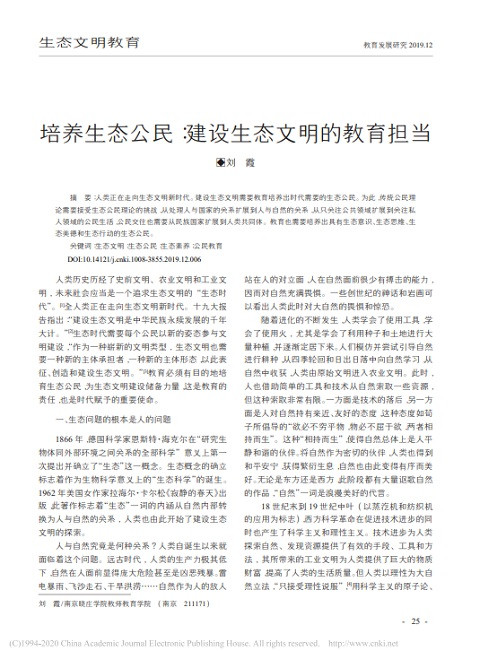 Cultivating Ecological Citizens: Education for Building Ecological Civilization (Research in Educational Development; No. 12) Год публикации: 2019 Автор: Liu Xia Организация-автор: Shanghai Academy of Educational Sciences | Shanghai Higher Education Mankind is heading for a new era of ecological civilization. The construction of ecological civilization requires education to cultivate the ecological citizens of the times. This requires the traditional citizenship theory to accept the challenge of Eco-Citizenship theory, from dealing with the relationship between people and the state to the relationship between man and nature, from focusing only on the public sphere to the private sphere of citizen life, citizen exchanges also need to expand from the nation-state to the human community. Education needs to cultivate eco-citizens with ecological awareness, ecological thinking, ecological virtues, and ecological action with ecological literacy. 培养生态公民:建设生态文明的教育担当 (生态文明教育; No. 12) Год публикации: 2019 Автор: Liu Xia Организация-автор: Shanghai Academy of Educational Sciences | Shanghai Higher Education 人类正在走向生态文明新时代。建设生态文明需要教育培养出时代需要的生态公民。为此,传统公民理 论需要接受生态公民理论的挑战,从处理人与国家的关系扩展到人与自然的关系,从只关注公共领域扩展到关注私 人领域的公民生活,公民交往也需要从民族国家扩展到人类共同体。教育也需要培养出具有生态意识、生态思维、生 态美德和生态行动的生态公民。
 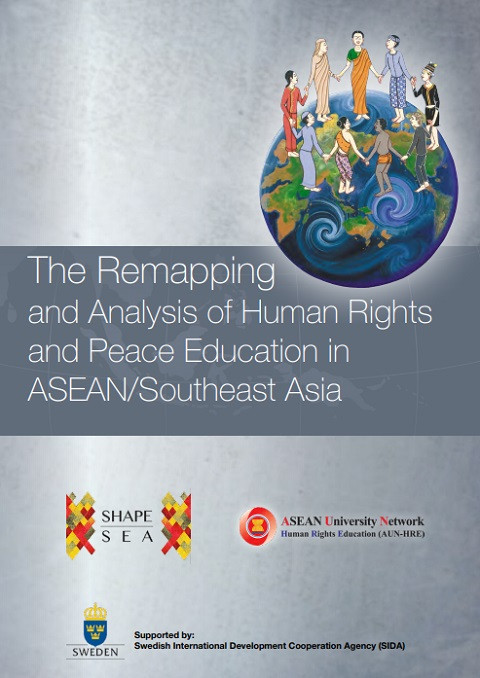 The Remapping and Analysis of Human Rights and Peace Education in ASEAN/Southeast Asia Год публикации: 2019 Организация-автор: Strengthening Human Rights and Peace Research/Education in ASEAN/Southeast Asia (SHAPE-SEA) | AUN Human Rights Education Network (AUN-HRE) This book is the result of SHAPE-SEA’s Research Project on “The Remapping and Analysis of Human Rights and Peace Education in ASEAN/Southeast Asia.” It is a follow-up to the 2013 report on “The Mapping and Analysis of Human Rights and Peace Education in Southeast Asia.” It aimed at establishing a systematic updating of developments in human rights and peace education/studies in ASEAN/Southeast Asia. The study investigated courses and programmes on human rights and peace & conflict being undertaken by higher education institutions in all ASEAN member countries and Timor Leste. It had also identified new developments and/or setbacks in human rights and peace education. Researchers located existing academic institutions that have been running programmes and courses on human rights and/or peace. The analysis of existing course syllabi and curriculum in the region was also conducted. To a certain extent, materials being used by instructors were also examined.
 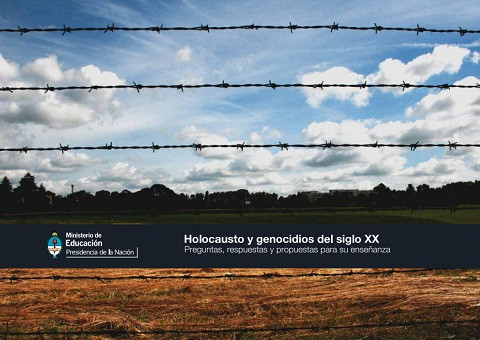 Holocaust and Genocides of the 20th Century: Questions, Answers and Proposals for Your Teaching Год публикации: 2014 Автор: María Celeste Adamoli | Cecilia Flachsland Организация-автор: Argentina. Ministry of Education This book presents, in questions and answers format, basic information and the enumeration of the main historical and theoretical problems that arise from the Holocaust and other genocides of the 20th century, to accompany teachers in the complex task of teaching this subject. Holocausto y genocidios del siglo XX: Preguntas, respuestas y propuestas para su enseñanza Год публикации: 2014 Автор: María Celeste Adamoli | Cecilia Flachsland Организация-автор: Argentina. Ministry of Education Este libro presenta, en formato de preguntas y respuestas información básica y la enumeración de los principales problemas históricos y teóricos que se desprenden del Holocausto y otros genocidios del siglo XX para acompañar a los docentes en la compleja tarea de la enseñanza de esta temática.
 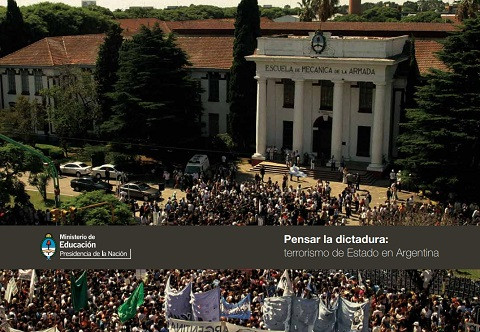 Thinking of the Dictatorship: State Terrorism in Argentina Год публикации: 2010 Организация-автор: Ministry of Education (Argentina) This book presents, in questions and answers format, basic information and the enumeration of the main historical and theoretical problems that arise from dictatorship and State Terrorism, to accompany teachers in the complex task of teaching this subject. Pensar la dictadura: Terrorismo de Estado en Argentina Год публикации: 2010 Организация-автор: Ministry of Education (Argentina) Este libro presenta, en formato de preguntas y respuestas información básica y la enumeración de los principales problemas históricos y teóricos que se desprenden de la dictadura y el terrorismo de estado, para acompañar a los docentes en la compleja tarea de la enseñanza de esta temática.
 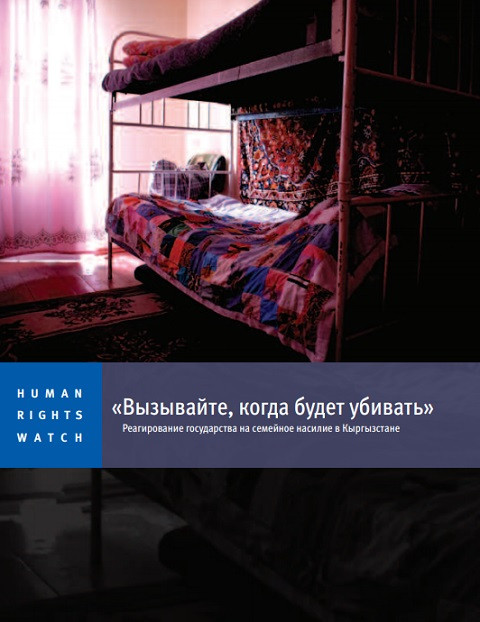 Call Me When He Tries to Kill You: State Response to Domestic Violence in Kyrgyzstan Год публикации: 2015 Организация-автор: Human Rights Watch This report documents the government of Kyrgyzstan’s failure to provide survivors of domestic violence with adequate services, protection, and legal remedies. It is based on Human Rights Watch research conducted in November and December 2014 in three cities in Kyrgyzstan: Bishkek and Naryn in the north and Osh in the south. Additional meetings and interviews were conducted in Bishkek in May 2015. The report also contains a number of recommendations to the government of Kyrgyzstan. Вызывайте, когда будет убивать: Реагирование государства на семейное насилие в Кыргызстане Год публикации: 2015 Организация-автор: Human Rights Watch В этом докладе документировано необеспечение правительством Кыргызстана надлежащих услуг, защиты и средств правовой защиты пережившим семейное насилие. Доклад основан на материалах исследований, проводившихся Хьюман Райтс Вотч в ноябре – декабре 2014 г. в трех городах: Бишкеке и Нарыне на севере и Оше на юге страны. Дополнительные встречи и интервью проводились в Бишкеке в мае 2015 г. Отчет также содержит ряд рекомендаций правительству Кыргызстана.
  Global Education for Teachers: MOOC Год публикации: 2020 Автор: Nicole Blum | Frances Hunt Организация-автор: University College London (UCL) The Global Education for Teachers MOOC (Massive Online Open Course) is a three-week course for teachers (3 hours per week) around the world hosted by FutureLearn. The course has been designed specifically for teachers as an introduction to global education and related terms such as global learning / global citizenship education. It will engage teachers with key issues and debates in global education, support collaboration between teachers around the world and provide practical support on how to introduce global issues into teaching. It is intended to develop teachers’ confidence, knowledge and skills to include global education in teaching and in so doing, better prepare students to take on the global challenges they will face now and in the future.