
Ресурсы
Изучайте широкий спектр ценных ресурсов ВГГ, чтобы углубить своё понимание и повысить эффективность исследований, просветительской деятельности, преподавания и обучения.
Найдено: 948
 The “Hate Speech” Policies of Major Platforms during the COVID-19 Pandemic Год публикации: 2021 Организация-автор: UNESCO Montevideo This document reports an increase in so-called “hate speech” posts on Facebook, Twitter, and YouTube after the onset of the COVID-19 pandemic. Although dissimilar, such an increase can be observed in the transparency reports of the different platforms and the surge in content moderation since March 2020.During the same period—as a result of the lockdown measures adopted in most countries around the world—platforms increased the use of AI tools for content moderation. Therefore, we can’t fully say whether the interannual growth is linked to increased posts or changes in monitoring systems. Las políticas de las grandes plataformas sobre discurso de odio durante el Covid-19 Год публикации: 2021 Организация-автор: UNESCO Montevideo Este documento da cuenta de un aumento de posteos considerados discurso de odio a partir de la llegada de la pandemia COVID-19 en Facebook, Twitter y YouTube. Aunque dispar, ese aumento puede establecerse a partir de los informes de transparencia de las distintas plataformas y los crecimientos registrados en la moderación de esos contenidos a partir de marzo de 2020.Dado que en ese mismo período, y como consecuencia de las medidas de aislamiento tomadas ven la mayoría de los países del mundo, las plataformas tomaron la decisión de aumentar el uso de herramientas de inteligencia artificial en sus procesos de moderación no es posible asegurar a ciencia cierta que ese crecimiento se haya registrado por un aumento en la creación y publicación de mensajes o a partir de un cambio en los sistemas de detección que afectó los resultados entre un año y otro.
  World Education Statistics 2024 Год публикации: 2024 Организация-автор: UNESCO Institute for Statistics (UIS) The report summarizes the education data published by UIS and serves as a fundamental resource and essential guide for policy-makers, researchers and analysts, as well as anyone interested in education data and statistics. Statistics are presented in 11 thematic chapters, covering primary and secondary education; early childhood; technical, vocational and tertiary education; skills for work; parity; literacy and numeracy; sustainable development and global citizenship; learning environment; scholarships; teachers; and financing education.
  Upbringing and Education of Preschool Children at Home During the Period of Self-Isolation due to COVID-19: Results of a Rapid Assessment Study in Uzbekistan Год публикации: 2020 Автор: Dipa Shankar Организация-автор: UNICEF Uzbekistan The study examined the knowledge of parents and guardians about the final results of child development, appropriate and desirable child care practices and behaviors, including equality and inclusiveness; attitudes to child development services and their productivity, in particular, the quality and accessibility of available preschool services, willingness to adapt appropriate child care practices and behaviors; as well as the practice of using preschool services, interacting with children, etc. Воспитание и образование детей дошкольного возраста на дому в период самоизоляции в связи с COVID-19: Результаты исследования методом быстрой оценки в Узбекистане Год публикации: 2020 Автор: Dipa Shankar Организация-автор: UNICEF Uzbekistan В исследовании были рассмотрены знания родителей и опекунов о конечных результатах развития ребенка, надлежащей и желательной практике и поведении по уходу за детьми, включая равенство и инклюзивность; отношение к услугам по развитию детей и их продуктивность, в частности качество и доступность имеющихся дошкольных услуг, готовность адаптировать соответствующую практику и поведение по уходу за детьми; а также практика использования дошкольных услуг, взаимодействия с детьми и т.д.
  Transformation digitale de l'EFTP et des systèmes de développement des compétences en Afrique : état des lieux et perspectives Год публикации: 2022 Организация-автор: UNESCO IIEP Regional Office for Africa Cette publication, réalisée par SOFRECO à la demande de l’IIPE-UNESCO, fait le point sur la digitalisation de l’enseignement et de la formation techniques et professionnels (EFTP) en Afrique sur la base d’un échantillon de cinq pays (Madagascar, Nigeria, Rwanda, Tunisie et Tchad). Cet état des lieux décrit les dispositifs de ces cinq pays au service de la population pour accéder non seulement aux outils numériques mais surtout aux compétences qui vont permettre à toute personne de se servir du numérique.
  The European Benchmark for Refugee Integration: A Comparative Analysis of the National Integration Evaluation Mechanism in 14 EU Countries Год публикации: 2019 Автор: Alexander Wolffhardt | Carmine Conte | Thomas Huddleston Организация-автор: National Integration Evaluation Mechanism (NIEM) The National Integration Evaluation Mechanism (NIEM) has published its baseline study presenting a comparative, indicator-based assessment of the refugee integration frameworks of 14 EU countries. The study’s results point out concrete steps that policymakers need to take to build a refugee integration framework in line with international and European standards.The report evaluates governments’ responses to the challenge of long-term integration of refugees and beneficiaries of subsidiary protection. The study considers several dimensions of integration and uses scores to assess relevant provisions at the national level.
 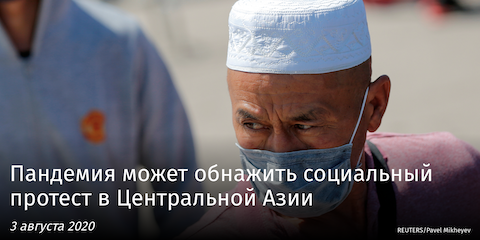 Pandemic May Expose Social Protest in Central Asia Год публикации: 2020 Автор: Alexey Malashenko Организация-автор: Russian International Affairs Council The coronavirus has become a serious test of the strength of the political systems of Central Asian countries. Despite the severe socio-economic impact of the pandemic, stability has been ensured. But in the long run, quarantines and tight restrictions will remind of themselves and expose old problems. Among the most acute are unemployment and the threat of violent extremism. Moreover, both problems are related. Пандемия может обнажить социальный протест в Центральной Азии Год публикации: 2020 Автор: Alexey Malashenko Организация-автор: Russian International Affairs Council Коронавирус стал серьезным тестом на прочность политических систем стран Центральной Азии. Несмотря на серьезные социально-экономические последствия пандемии, стабильность была обеспечена. Но в долгосрочной перспективе карантин и введенные жесткие ограничения напомнят о себе и обнажат старые проблемы. Среди наиболее острых из них — безработица и угроза насильственного экстремизма. Причем обе проблемы связаны.
  Radicalization in Central Asia: Have We Managed to Avoid It? Год публикации: 2020 Автор: Milan Lazovic Организация-автор: Russian International Affairs Council Central Asia is a very multifaceted, multi-ethnic, multi-confessional region, where many cultures, national traditions and ways of life intersect, united by a common factor - religious. The authors of the chapter on the role of religion in Central Asia in the book "Religion, Conflict, and Stability in the Former Soviet Union", prepared by the analytical center "RAND Corporation", touched upon a very important, significant and influential topic on the region. Experts note that, despite the success of Central Asia's attempts to avoid large-scale radicalization, there is a risk of its expansion today.