
Ресурсы
Изучайте широкий спектр ценных ресурсов ВГГ, чтобы углубить своё понимание и повысить эффективность исследований, просветительской деятельности, преподавания и обучения.
Найдено: 948
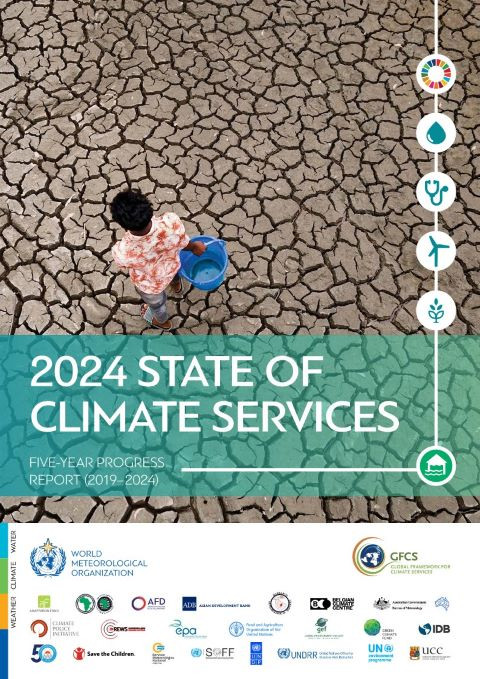 2024 State of Climate Services: Five-year Progress Report (2019–2024) Год публикации: 2024 Организация-автор: World Meteorological Organization (WMO) In 2018, the Conference of the Parties serving as the meeting of the Parties to the Paris Agreement at the 24th Conference of the Parties to the United Nations Framework Convention on Climate Change (UNFCCC) called on WMO, through its Global Framework for Climate Services (GFCS), to regularly report on the state of climate services. WMO has issued annual reports on the state of climate services since 2019 in response to this United Nations request for more information on the adaptation needs of countries. The information helps countries, funding agencies and development partners to identify steps needed to address climate services gaps and needs, to inform more effective investment and to enhance adaptation and development outcomes. The 2024 edition of the report describes the current state of climate services while also examining and assessing the progress that has been made during the last five years. The report explores the climate policy response to the climate challenge and advancements made by Members across numerous value chain components. This year’s edition also includes an in-depth look at how a selection of 13 countries have successfully leveraged climate services to deliver socioeconomic benefits at a national, regional or global level. The analysis draws on 113 case studies that were developed over the last five years across multiple sectors, and examines the key success factors, including showcasing the value being created by climate services.
 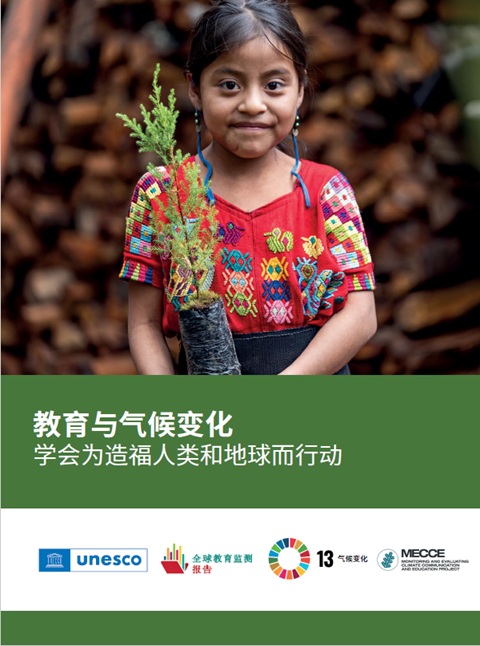 教育与气候变化 学会为造福人类和地球而行动 Год публикации: 2024 Организация-автор: Global Education Monitoring Report Team | Monitoring and Evaluating Climate Communication and Education Project (MECCE) | University of Sakatchewan 教育如何促成气候变化行动?尽管有强有力的证据表明教育可以影响其他发展成果,并在培养促进可持续发展转型的专业能力方面发挥着重要作用,但在其他部门的战略、政策、规划和筹资考量中,却常常看不到教育的踪影。《全球教育监测报告》现推出一个新的出版物系列,以推动关于教育与其他可持续发展目标之间相互关系的对话。该系列的第一份出版物聚焦气候变化。其中首先分析了气候变化对教育日渐增强的影响,随后探讨了教育在气候行动中的作用。教育在培养促进向绿色经济转型的专业能力方面的贡献,在某种程度上未得到充分重视。人们普遍认为,正规、非正规和非正式学习在推动采取减缓和适应气候变化的行动方面也发挥着关键作用。然而,由于受教育程度与不可持续的消费水平之间存在正相关关系,而且关于教育对气候变化适应和减缓行动的直接影响方面的许多研究尚无定论,这在一定程度上导致教育在全球和国家气候变化议程中不受重视。本出版物认为,需要对气候变化教育作出调整,以充分发挥其潜力。教育模式不能仅仅依靠知识传授,还需要注重社会情感和行动导向学习。大部分研究都侧重于受教育程度和认知学习的影响。因此,需要开展更多研究,以评估教育还可以借由哪些其他驱动因素来影响行为并推动气候变化行动。需要借助此类研究来制定可行的教育改革方案,以完善课程设置,加强学校和教育系统的气候行动准备工作,让学习者参与进来,并使教育工作者做好相应的准备。 2024기후서비스현황: 5년경과보고서 (2019–2024) Год публикации: 2024 Организация-автор: World Meteorological Organization (WMO) 2018년 유엔기후변화협약 (UNFCCC) 제24차 당사국 총회에서 파리협정 당사국 회의를 주재하는 총회 (COP)는 WMO가 기후서비스를 위한 글로벌 프레임워크 (GFCS)를 통해 기후 서비스 현황을 정기적으로 보고할 것을 촉구했습니다.WMO는 UNFCCC COP의 국가 적응 요구 사항에 대한 추가 정보 요청에 따라 2019년부터 기후 서비스 현황에 대한 연례 보고서를 발간했습니다.2 제공된 정보는 국가, 자금 기관 및 개발 파트너가 기후서비스 격차와 요구사항을 해결하는 데 필요한 단계를 식별하고, 보다 효과적인 투자를 알리고, 적응 및 개발 결과를 개선하는 데 도움이 됩니다. 2024년판 보고서는 기후 서비스의 현재 상태를 설명하는 동시에 지난 5년 동안 이루어진 진전을 조사하고 평가합니다. 이 보고서는 기후 문제에 대한 기후 정책 대응과 기후 서비스 가치 사슬 전반에 걸쳐 국가 기상 및 수문 서비스 (NMHSs)가 이룬 진전을 살펴봅니다. 올해의 에디션에는 13개국이 기후서비스를 성공적으로 사용하여 국가, 지역 또는 글로벌 수준에서 사회 경제적 혜택을 제공한 방법에 대한 심층적인 조사도 포함됩니다. 이 분석은 지난 5년 동안 여러 부문에 걸쳐 개발된 113개의 사례 연구를 기반으로 하며, 주요 지원 요소를 조사하고, 기후 서비스가 창출하는 가치를 보여줍니다.
 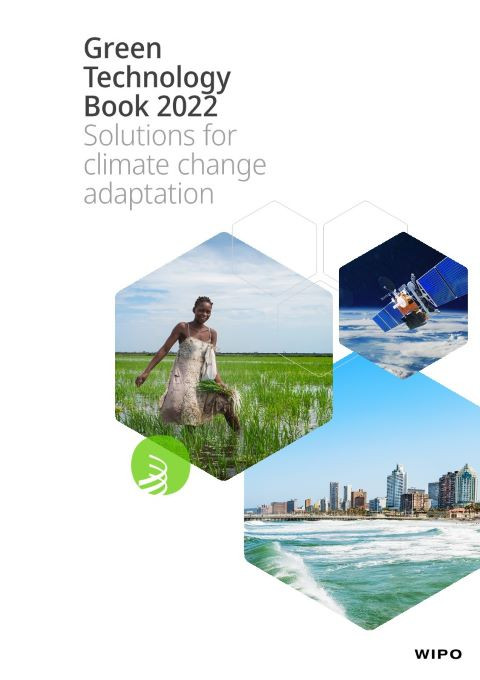 Green Technology Book 2022: Solutions for Climate Change Adaptation Год публикации: 2022 Организация-автор: World Intellectual Property Organization WIPO’s new Green Technology Book puts innovation, technology and intellectual property at the forefront in the fight against climate change. This inaugural edition focuses on available solutions for climate-change adaptation, which aim to reduce vulnerability and increase resilience to climate impacts. The Green Technology Book comes at a time when we are all experiencing the effects of climate change. It concentrates on three areas where climate impacts are important: agriculture and forestry, water and coastal regions, and cities. A practical guide for those struggling with climate change firsthand, the book showcases 200 solutions for climate-change adaptation that are readily available or in the making. The findings build on the WIPO GREEN Technology Database, which connects green technology providers from around the world with those seeking environmentally friendly solutions. The Green Technology Book is a source of encouragement and inspiration, demonstrating the diversity of solutions available and ready to be scaled up.1. Climate change adaptation and technology2. Innovation and transfer of solutions3. Agriculture and forestry4. Water and coastal regions5. Cities6. Conclusion and recommendations
  Paris Agreement Год публикации: 2015 Организация-автор: United Nations (UN) The Paris Agreement is a legally binding international treaty on climate change. It was adopted by 196 Parties at the UN Climate Change Conference (COP21) in Paris, France, on 12 December 2015. It entered into force on 4 November 2016.Its overarching goal is to hold “the increase in the global average temperature to well below 2°C above pre-industrial levels” and pursue efforts “to limit the temperature increase to 1.5°C above pre-industrial levels.” Accord de Paris Год публикации: 2015 Организация-автор: United Nations (UN) L'Accord de Paris est un traité international juridiquement contraignant sur les changements climatiques. Il a été adopté par 196 Parties lors de la COP 21, la Conférence des Nations unies sur les changements climatiques à Paris, France, le 12 décembre 2015. Il est entré en vigueur le 4 novembre 2016. Son objectif primordial est de maintenir « l'augmentation de la température moyenne mondiale bien en dessous de 2°C au-dessus des niveaux préindustriels » et de poursuivre les efforts « pour limiter l'augmentation de la température à 1,5°C au-dessus des niveaux préindustriels. » Acuerdo de París Год публикации: 2015 Организация-автор: United Nations (UN) El Acuerdo de París es un tratado internacional sobre el cambio climático jurídicamente vinculante. Fue adoptado por 196 Partes en la COP21 en París, el 12 de diciembre de 2015 y entró en vigor el 4 de noviembre de 2016. Su objetivo es limitar el calentamiento mundial a muy por debajo de 2, preferiblemente a 1,5 grados centígrados, en comparación con los niveles preindustriales. ПАРИЖСКОЕ СОГЛАШЕНИЕ Год публикации: 2015 Организация-автор: United Nations (UN) Парижское соглашение – юридически обязательный международный договор по тематике изменения климата. Он был принят 196 Сторонами на 21-й сессии Конференции Сторон Рамочной конвенции ООН об изменении климата (КС-21 РКИК ООН) 12 декабря 2015 года в Париже. Вступление Соглашения в силу состоялось 4 ноября 2016 года. Задача Парижского соглашения – удержание прироста глобальной средней температуры намного ниже 2 градусов Цельсия сверх доиндустриальных уровней при приложении усилий в целях ограничения роста температуры до 1,5 градусов Цельсия. 巴黎协定 Год публикации: 2015 Организация-автор: United Nations (UN) 《巴黎协定》是一项具有法律约束力的气候变化国际条约。2015年12月12日,该协定在巴黎举行的《联合国气候变化框架公约》第二十一次缔约方会议上获得196个缔约方通过,并于2016年11月4日生效。其目标是将全球气温升幅控制在工业化前水平以上低于2℃,最好是1.5℃之内。
 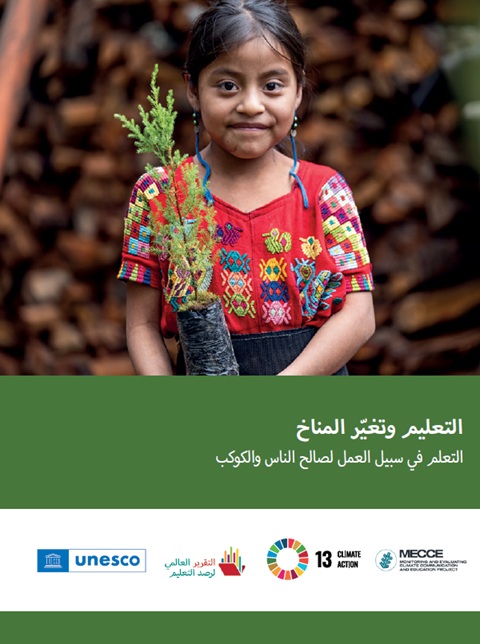 التعلّم من أجل العمل لصالح الناس والكوكب: التعليم وتغيّر المناخ Год публикации: 2024 Организация-автор: Global Education Monitoring Report Team | Monitoring and Evaluating Climate Communication and Education Project (MECCE) | University of Sakatchewan ملخص مختصركيف يفضي التعليم إلى اتخاذ إجراءات بشأن تغيّر المناخ؟مع أن هنالك بيّنات دامغة على تأثير التعليم في سائر النتائج في مجال التنمية، وعلى الدور الذي يؤديه التعليم في تنمية القدرات المهنية اللازمة لعمليات الانتقال إلى التنمية المستدامة، فإن التعليم عادةً ما يكون غائباً عن اعتبارات سائر القطاعات عند اضطلاعها بوضع الاستراتيجيات والسياسات والتخطيط والتمويل. ولذا، استحدث التقرير العالمي لرصد التعليم سلسلة جديدة من المنشورات سعياً إلى تعزيز الحوار بشأن العلاقة المتبادلة بين التعليم وسائر أهداف التنمية المستدامة.وتتمحور الوثيقة الأولى في هذه السلسلة حول تغيّر المناخ. وتستعرض في مستهلها تنامي عواقب تغيّر المناخ على التعليم، ثم تتناول دور التعليم في العمل المناخي. وتبيّن الوثيقة أن مساهمة التعليم في تنمية القدرات المهنية اللازمة للانتقال إلى الاقتصاد المراعي للبيئة (الأخضر) لا تنال حقّ قدرها من التقدير. وهنالك قناعة شائعة أيضاً بأن التعليم، سواء النظامي أو غير النظامي أو غير الرسمي، يؤدي دوراً حاسماً في الحفز على اتخاذ الإجراءات الرامية إلى الحد من وطأة عواقب تغيّر المناخ والتكيف معها.بيد أن العلاقة الطردية بين التحصيل العلمي ومستويات الاستهلاك غير المستدام، فضلاً عن عدم توصل البحوث بشأن التأثير المباشر للتعليم في إجراءات التكيف مع عواقب تغيّر المناخ والحد من وطأتها إلى نتائج قاطعة، ساهما مساهمة جزئية في وضع مجال التعليم في أسفل سلم أولويات الخطط العالمية والوطنية المتعلقة بتغيّر المناخ.وتدّعي هذه الوثيقة ضرورة تكييف التعليم بشأن تغيّر المناخ لكي يتسنى تحقيق الإمكانيات الكامنة فيه. فلا يمكن أن يقتصر النموذج التربوي على نقل المعارف، بل لا بد له من التركيز أيضاً على التعلم الاجتماعي والعاطفي والعمل المنحى.وقد تمحور العديد من البحوث حول تأثير التحصيل العلمي والتعلم المعرفي. ولذا من الضروري إجراء المزيد من البحوث لتقييم سائر العوامل الحفازة التي يمكن للتعليم التأثير من خلالها في أنماط السلوك والحفز على اتخاذ إجراءات بشأن تغيّر المناخ. وتعدّ هذه البحوث ضرورية أيضاً من أجل إعداد برامج إصلاح قابلة للتطبيق في مجال التعليم تفضي إلى تحسين المناهج الدراسية، وتعزيز تأهب المدارس ونظم التعليم للتصدي لعواقب تغيّر المناخ، وإشراك المتعلمين، وإعداد المعلمين بما يتلاءم مع ذلك.