
Ресурсы
Изучайте широкий спектр ценных ресурсов ВГГ, чтобы углубить своё понимание и повысить эффективность исследований, просветительской деятельности, преподавания и обучения.
Найдено: 948
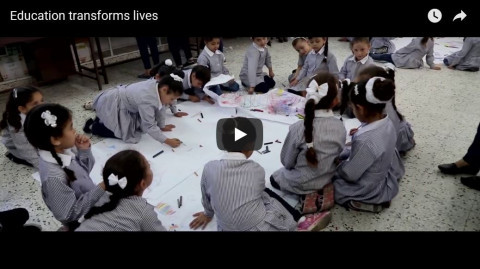 [Видео] Образование меняет жизни Год публикации: 2017 Организация-автор: Организация Объединенных Наций по вопросам образования, науки и культуры (UNESCO) Образование преображает жизнь людей каждый день во всех слоях общества. Ролик повествует о важности образования и роли ЮНЕСКО в ведении и координации Повестки дня «Образование-2030», которая является частью глобального движения для искоренения бедности посредством достижения 17 Целей устойчивого развития до 2030 года.Каждая женщина, каждый мужчина и каждый ребенок имеют право на образование. Вместе мы создаем мировых сограждан завтрашнего дня и даем им силу образования для построения более устойчивого будущего.Кампания ЮНЕСКО "Образование преображает жизнь людей" направлена на то, чтобы нести мир в сознание мужчин и женщин.
  Her education, our future: snapshots of UNESCO's work Год публикации: 2019 Организация-автор: UNESCO This collection provides snapshots of some of UNESCO’s efforts to empower women and girls through education. It highlights core areas of work undertaken, as profiled on the next page. The aim is to give the reader a flavour of what it is that UNESCO, including its 53 field offices and specialized institutes, is doing to transform her education and our future.
 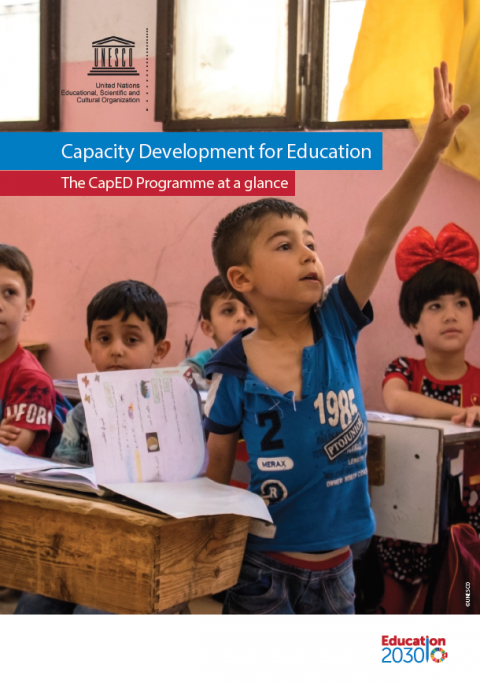 Capacity Develoment for Education: the CapED Programme at a glance Год публикации: 2019 Организация-автор: UNESCO Education has the power to transform lives and is at the heart of UNESCO’s mission to build peace, eradicate poverty and drive sustainable development. Right now, 750 million adults – two-thirds women – still lack basic literacy skills. Around 264 million children and youth are out of school and the international community must have almost 69 million new teachers to reach the 2030 education goals. These challenges can be tackled effectively through education reforms. However, these can only take place when countries have the capacities to put this change into action. As well as trained staff, countries need efficient organizational processes, functioning institutions and the tools and resources to design, implement and manage tailored education policies and plans. This is where the CapED Programme steps in. By mobilizing UNESCO’s global network, the Programme provides selected countries with a cohesive package of support. It works alongside stakeholders to reinforce national capacities to undertake evidence-based education reforms that fit into their national priorities and respond to SDG4 commitments, in order to offer quality education opportunities to all.
 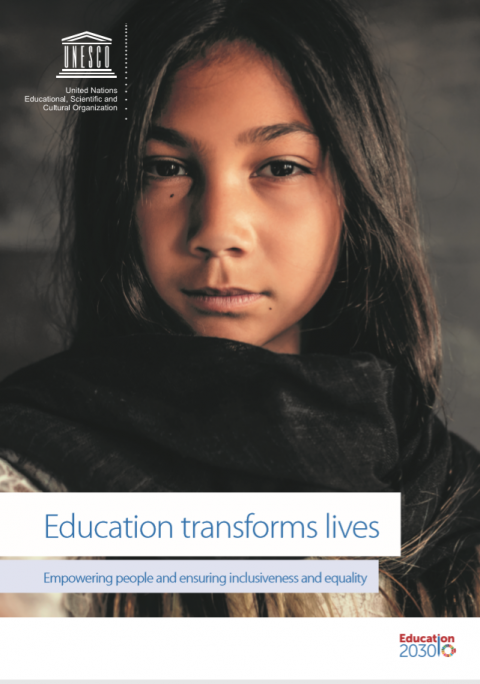 Education transforms lives: empowering people and ensuring inclusiveness and equality Год публикации: 2019 Организация-автор: UNESCO This brochure compiles the main elements of progress on Sustainable Development Goal 4 (SDG 4) highlighted in the submission by UNESCO, on behalf of the SDG-Education 2030 Steering Committee, to the Office of the Under-Secretary-General, Department of Economic and Social Affairs (DESA) on the occasion of the High-level Political Forum (HLPF) 2019 - Empowering people and ensuring inclusiveness and equality. L'éducation transforme la vie: autonomiser les individus et assurer l'inclusion et l'égalité Год публикации: 2019 Организация-автор: UNESCO Cette brochure rassemble les principaux éléments des progrès accomplis dans la réalisation de l'objectif 4 du développement durable (ODD 4) mis en évidence dans la communicationprésentée par l'UNESCO, au nom du Comité directeur de l'ODD-Éducation 2030, au Bureau du Secrétaire général adjoint aux affaires économiques et sociales (DESA) à l'occasion du Forum politique de haut niveau (HLPF) 2019 –Donner aux populations les moyens d'agir et assurer l'intégration. La educación transforma vidas: empoderar a las personas y garantizar la inclusión y la igualdad Год публикации: 2019 Организация-автор: UNESCO Este folleto recopila los principales elementos de progreso en relación con el Objetivo de Desarrollo Sostenible 4 (ODS 4) destacados en la presentación de la UNESCO, en nombre del Comité Directivo del ODS-Educación 2030, a la Oficina del Secretario General Adjunto del Departamento de Asuntos Económicos y Sociales (DESA) con motivo del Foro Político de Alto Nivel (HLPF) 2019 - Empoderar a las personas y garantizar la inclusión y la igualdad.
  The Big conversation: handbook to address violence against women in and through the media Год публикации: 2019 Организация-автор: UNESCO This handbook provides guidance, tools and promising practices from countries across the globe for those working with and within media. It is our intention that this handbook provides entry points for accelerating progress towards gender equality in the systems and structures of organizations. We hope that it leverages what we know works in order to promote the values of diversity, equality and non-violence in the content that media produces.
  Indigenous peoples’ right to education Год публикации: 2019 Организация-автор: UNESCO This document follows a previous series of thematic mappings on the implementation of the right to education regarding specifically Girls’ and Women’s Right to Education, the Right to Education for Persons with Disabilities, and the Right to Education and the Teaching Profession. It compiles practical examples related to indigenous people’s right to education, extracted from reports submitted by Member States within the framework of the Ninth Consultation on the implementation of the 1960 Convention and Recommendation against Discrimination in Education. It is intended to serve as a practical tool for both information sharingandadvocacy.
 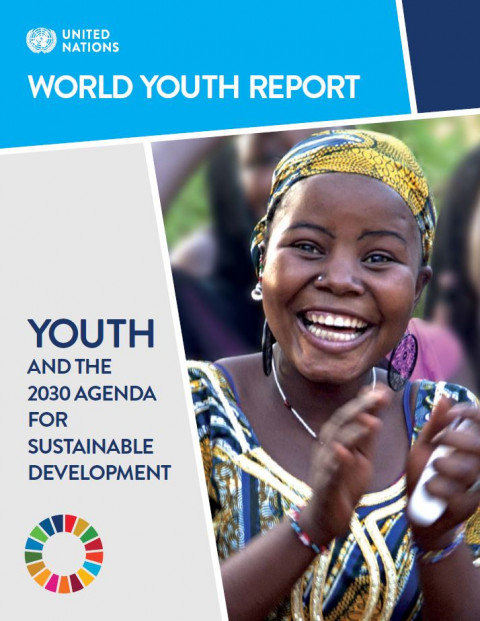 World Youth Report: Youth and the 2030 Agenda for Sustainable Development Год публикации: 2018 Организация-автор: United Nations (UN) The World Youth Report on “Youth and the 2030 Agenda for Sustainable Development”, prepared by the United Nations Department of Economic and Social Affairs (UN DESA), examines the mutually supportive roles of the new agenda and current youth development efforts. The report provides insight into the role of young people in sustainable development in the context of the implementation of the 2030 Agenda for Sustainable Development and related frameworks, in particular, the Addis Ababa Action Agenda of the Third International Conference on Financing for Development and the World Programme of Action for Youth.The Report considers the role the 2030 Agenda can play in enhancing youth development efforts and examines how evidence-based youth policies can help accelerate youth-related objectives. It explores the critical role young people have in the implementation of sustainable development efforts at all levels. 세계청소년보고서: 청소년과 2030 지속가능발전 의제 Год публикации: 2018 Организация-автор: United Nations (UN) UN 경제사회국이 작성한 『세계청소년보고서: 청소년과 2030 지속가능발전 의제(World Youth Report: Youth and the 2030 Agenda for Sustainable Development)』는 청소년 개발에 대한 현재의 노력과 새로운 의제 간의 상호 보완적인 역할을 다루고 있습니다. UN 경제사회국은 경제, 사회 및 환경 분야 글로벌 정책과 국가적 실천 사이의 연결고리를 제공하고 있습니다. 2년마다 발간되는 본 보고서는 회원국 및 기타 이해관계자들이 청소년 문제 해결에 대한 진전 사항을 파악하고, 정책과 현실의 격차를 평가하고, 가능한 정책 대안을 마련하기 위한 정보와 분석 결과를 제공합니다.본 보고서는 2030 지속가능발전 의제 및 관련 프레임워크 이행의 맥락, 특히 제3차 개발재원총회 아디스아바바 행동의제 (Ababa Action Agenda of the Third International Conference on Financing for Development) 및 세계청소년행동계획 (World Programme of Action for Youth) 의 이행과 관련하여 지속가능발전을 위한 청소년의 역할에 대한 통찰을 제시합니다. 2030 의제는 청소년개발 노력을 증진하고 증거기반(evidence ― based) 청소년정책이 청소년 목표 증진에 이바지하는 바를 검토하는 데 있어 중요한 역할을 할 수 있습니다. 본 보고서는 이를 통해 모든 수준에서의 지속가능발전 이행에 있어 결정적으로 중요한 청소년의 역할을 살펴봅니다.