
Ресурсы
Изучайте широкий спектр ценных ресурсов ВГГ, чтобы углубить своё понимание и повысить эффективность исследований, просветительской деятельности, преподавания и обучения.
Найдено: 2,255
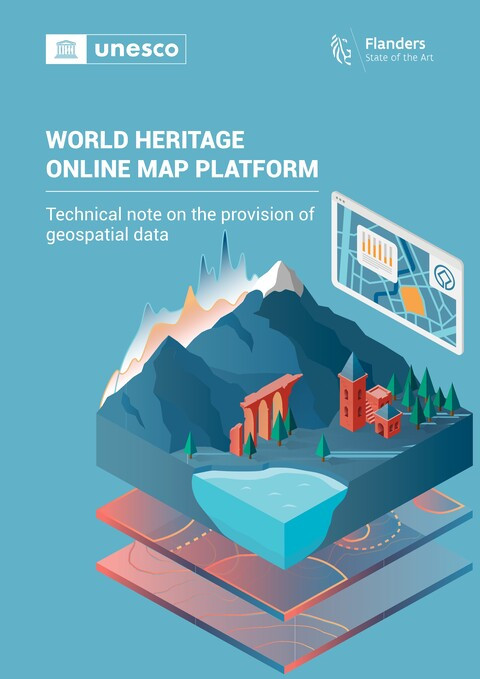 Plateforme de cartes en ligne du patrimoine mondial: Note technique sur la mise à disposition de données géospatiales Год публикации: 2023 Организация-автор: UNESCO La Plateforme de cartes en ligne du patrimoine mondial de l’UNESCO est un système d’information géographique (SIG) développé avec le soutien du Gouvernement flamand (Belgique) visant à créer une base de données géospatiales complète et accessible pour les biens du patrimoine mondial du monde entier. Cette plateforme est hébergée et gérée par le Centre du patrimoine mondial de l’UNESCO, qui veille à ce que les données présentées correspondent exactement aux limites des biens du patrimoine mondial et de leurs zones tampons, telles qu’inscrites dans la Liste du patrimoine mondial, en tenant compte de toute éventuelle modification adoptée par le Comité du patrimoine mondial après l’inscription initiale du bien.
 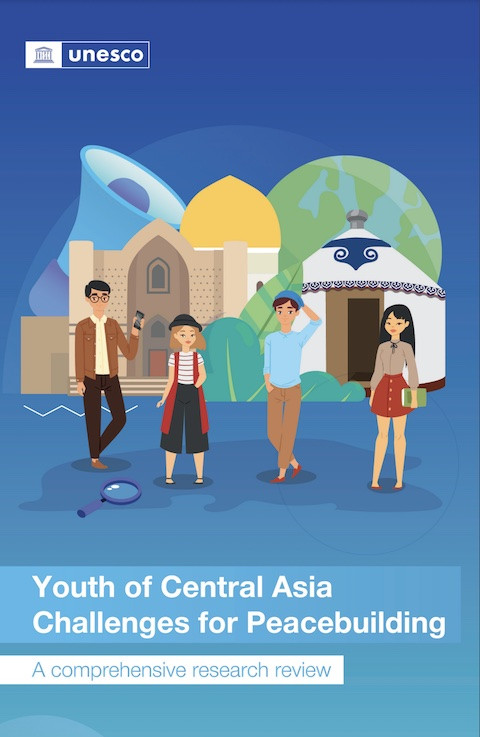 Youth of Central Asia, Challenges for Peacebuilding: A Comprehensive Research Review Год публикации: 2021 Автор: Laura Yerekesheva Организация-автор: UNESCO The estimations are that by 2030, the world will be home to 1.3 billion young people. This speaks about the importance of the youth for development in various parts of the globe, particularly in developing countries which constitute 90% of the global youth population. From comprehensive holistic perspective peace, peacebuilding and dialogue embrace all aspects and dimensions of life – inter-generational, social, economic, political, ethnic, religious, civic, ideological, cultural, and natural. The youth related issues are directly linked with the SDGs agenda. Central Asian states are also on the list of developing countries, with an increasing demographic share of the youth in the general population, meaning that the countries of the region are “young.” As of 2020, the total population of the four countries of Central Asia (Kazakhstan, Kyrgyzstan, Tajikistan and Uzbekistan) was 68.46 million, of which youth comprised 16.55 million or 24,1%. What Challenges for Peacebuilding the Youth of Central Asia Face? This highlights the urgency required for elaborating and implementing special policies on youth development. For Central Asia, the peace and peacebuilding agenda is the development agenda, and vice versa, as neither is possible without the other, and these in turn are intrinsically linked with youth-related issues. This report provides a detailed overview of the existing challenges to the youth of the 4 countries of the region – Kazakhstan, Kyrgyzstan Tajikistan, Uzbekistan – structured around three main themes of peacebuilding: (1) an education and learning environment; (2) economic and social participation; and (3) civic engagement. Governments, international organizations, professionals and policymakers in the youth, peacebuilding and development sectors, academia and NGOs are invited to join forces to accelerate the achievement of youth development for a more just, sustainable and peaceful future. Молодежь Центральной Азии, Вызовы миростроительству : Комплексный исследовательский обзор Год публикации: 2021 Автор: Laura Yerekesheva Организация-автор: Организация Объединенных Наций по вопросам образования, науки и культуры (UNESCO) По оценкам, к 2030 году в мире будут проживать 1,3 миллиарда молодых людей. Это говорит о важной роли, которую будет играть молодежь, особенно в развивающихся странах, в которых проживает 90% общего мирового населения молодежи. В рамках всеобъемлющего системного подхода, мир, миростроительство и диалог подразумевают все аспекты и измерения жизни - межпоколенческие, социальные, экономические, политические, этнические, религиозные, гражданские, идеологические, культурные и природные. Вопросы, связанные с молодежью, напрямую связаны с повесткой в области достижения Целей устойчивого развития (ЦУР). Государства Центральной Азии относятся к развивающимся странам с высокой долей молодежи в общем составе населения, что делает эти страны «молодыми». По состоянию на 2020 год общая численность населения четырех стран Централь ной Азии (Казахстана, Кыргызстана, Таджикистана и Узбекистана) - 68,46 миллиона человек, из которых молодежь составляла 16,55 миллиона человек или 24,1%.Это свидетельствует о важности разработки и реализации специальных стратегий и мер по развитию молодежи. Для Центральной Азии повестка дня в области мира и миростроительства – это, прежде всего, повестка дня в области развития, и наоборот, поскольку обе они взаимосвязаны между собой, а также с проблемами молодежи.В данном отчете представлен подробный обзор существующих вызовов, с которыми сталкивается молодежь четырех стран региона - Казахстана, Кыргызстана, Таджикистана, Узбекистана. Данные вызовы структурированы вокруг трех основных тем миростроительства: (1) образование и обучающая среда; (2) экономическое и социальное участие; и (3) гражданское участие.Правительствам, международным организациям, специалистам и политикам, работающим в сферах молодежи, миростроительства и развития, академическим кругам и неправительственным организациям предлагается объединить усилия для ускорения достижения целей развития молодежи для более справедливого, устойчивого и мирного будущего.
  دليل معلمي الصحافة: تقرير حول الذكاء الاصطناعي Год публикации: 2023 Автор: Maarit Jaakkola Организация-автор: UNESCO يؤثر تطور الذكاء االصطناعي والتحكم فيه على المجتمع بأثره، وبالتالي البد أن تتولى التغطية اإلعالمية القائمة على الذكاء االصطناعي توعية الجمهور بشأن اآلثار المترتبة على التكنولوجيا نفسها، بغض النظر عن الجانب الصحفي. فعلى سبيل المثال، إعداد تقارير بخصوص القوى الديناميكية في العالقة المتغيرة ما بين الشركات والسلطات والمواطنين والرقائق الحاسوبية، وبين البيانات والخوارزميات. على الرغم من أن العديد من تطبيقات الذكاء االصطناعي تخدم مصلحة الجمهور، إال أن الصحفيين بحاجة إلى بصيرة وخبرة بشأن جوانب مثل اإلقصاء، وعدم المساواة في المزايا والمنافع، وانتهاك حقوق اإلنسان . كجزء من سلسلة التعليم الصحفي، عمل برنامج اليونسكو الدولي لتنمية االتصاالت على دعم مجلس التعليم العالمي للصحافة في التكليف بإعداد هذا الدليل، وذلك بهدف تحفيز معلمو الصحافة وتمكينهم حتى تسنى يتسنى لهم مساعدة طلبة الصحافة والصحفيين العاملين على الوصول إلى العدالة في واحدة من أهم قضايا عصرنا. مشتمالت الدليل يغطي هذا الكتيب الجوانب التالية : • فهم آلية الذكاء االصطناعي والتعرف على أنواع الذكاء االصطناعي المختلفة• استكشاف إمكانيات الذكاء االصطناعي، باإلضافة إلى نقاط قوته وضعفه .• تخيل مستقبل يتسم بالتنوع باستخدام الذكاء االصطناعي من خالل التعرف على الخطابات الشائعة التي تشكل وعي الجمهور . • فهم دور الصحافة في توسيط وتشكيل الحوار حول الذكاء االصطناعي• لبحث عن وسائل لتقديم إلعداد تقارير حول الذكاء االصطناعي بطريقة متنوعة وواقعية ومسؤولة.• إقامة صالت عالقات مع أساليب أنواع الصحافة الموجودة بالفعل، من تقارير األخبار العامة إلى صحافة البيانات . يمثل تعزيز التعليم الصحفي أحد النتائج الرئيسية التي يسعى إليها البرنامج الدولي لتنمية االتصاالت، وهو برنامج حكومي دولي فريد ضمن نظام األمم المتحدة متخصص في تنمية وسائل اإلعالم . Reporting on Artificial Intelligence: A Handbook for Journalism Educators Год публикации: 2023 Автор: Maarit Jaakkola Организация-автор: UNESCO The rise and control of artificial intelligence (AI) is impacting society as a whole. It follows that AI coverage must inform audiences about the implication of the technology itself, beyond journalism. For instance, reporting on the power dynamics in the changing relationship between companies, authorities, citizens and computer chips, and between data and algorithms. While many AI deployments serve public interest, journalists also need insight and expertise to alert about aspects like exclusions, unequal benefits, and violations of human rights. As part of its journalism education series, UNESCO’s International Programme for the Development of Communication (IPDC) has supported the World Journalism Education Council in commissioning this handbook. The aim is to inspire and empower so that journalism educators can help both journalism students and working journalists do justice to one of the major issues of our times. The handbook covers:• Understanding machine intelligence and identifying different types of AI• Exploring AI’s potential, as well as its strengths and weaknesses• Imagining diverse futures with AI by recognising pervasive popular narratives that inform public consciousness• Understanding journalism’s role in mediating and shaping AI discourse• Finding ways of reporting about AI in a nuanced, realistic and accountable manner• Making connections to existing genres of journalism, ranging from general news reporting to data journalism. Strengthening journalism education is one of the key results sought by IPDC, a unique intergovernmental programme within the UN system that specializes in media development. Освещение тематики искусственного интеллекта: пособие для преподавателей журналистики Год публикации: 2023 Автор: Maarit Jaakkola Организация-автор: UNESCO Развитие искусственного интеллекта (ИИ) и задача осуществления кон троля над ним оказывают влияние на общество в целом. Это означает, что освещение темы ИИ должно информировать аудиторию о послед ствиях применения самой технологии, выходя за рамки журналистики. Например, освещение динамики сил в условиях меняющихся отноше ний между компаниями, властями, гражданами и компьютерными чипами, а также между данными и алгоритмами. Хотя многие разработки в области ИИ служат общественным интересам, журналистам также необходимы знания и компетентность, чтобы предупреждать общественность о таких аспектах, как риски социальной эксклюзии, неравное распределение благ и нарушения прав человека. Данная публикация является частью серии публика ций по журналистскому образованию, и подготовле на совместно Международной программой развития коммуникации ЮНЕСКО (МПРК) и Всемирным советом по образованию в области журналистики. Целью данного пособия является вдохновение и расширение возможностей преподавателей журналистики, чтобы они могли помочь начинающим и работающим журнали стам разобраться в одной из важнейших проблем современ ности. В пособии рассматриваются следующие темы:• выработка общего представления о машинном интеллекте и опре деление различных типов ИИ;• рассмотрение потенциала ИИ, а также его сильных и слабых сторон;• формулирование сценариев будущего в реалиях ИИ путём выявления распространённых популярных установок, формирующих общественное сознание;• понимание роли журналистики в опосредовании и формировании дискурса об ИИ;• поиск способов взвешенного, реалистичного и ответственного освещения проблематики ИИ;• увязка с существующими жанрами журналистики — от новостного репортажа до журналистики данных. Повышение уровня журналистского образования — один из ключевых результатов, к которым стремится МПРК, уникальная межправительственная программа в системе ООН, специализирующаяся на развитии СМИ
  UNESCO’s Recommendation on the Ethics of Artificial Intelligence: Key Facts Год публикации: 2023 Организация-автор: UNESCO This brochure is a summary of "Recommendation on the Ethics of Artificial Intelligence". The Recommendation addresses ethical issues related to the domain of Artificial Intelligence to the extent that they are within UNESCO’s mandate. With its unique mandate, UNESCO’s Social and Human Sciences Sector has led the international effort to ensure that science and technology develop with strong ethical guardrails for decades. AI technology brings major benefits in many areas, but without the ethical guardrails, it risks reproducing real world biases and discrimination, fueling divisions and threatening fundamental human rights and freedoms. The Recommendation establishes a set of values in line with the promotion and protection of human rights, human dignity, and environmental sustainability. It advances essential principles such as transparency, accountability, and the rule of law online. It also includes concrete policy chapters that call for better governance of data, gender equality, and important aspects of AI applications on education, culture, labour markets, the environment, communication and information, health and social well-being, and the economy. Unlike other international instruments, the Recommendation includes monitoring and evaluation chapters and means for implementation in the form of a Readiness Assessment and the Ethical Impact Assessment to ensure real change on the ground.
  “I Don’t Have a Gender, Consciousness, or Emotions. I’m Just a Machine Learning Model” Год публикации: 2023 Организация-автор: UNESCO | International Research Centre on Artificial Intelligence (IRCAI) An introduction to a forthcoming Gender bias in Artificial Intelligence report coming out on March 8, 2024. As we stand on the precipice of a technological revolution driven by Artificial Intelligence (AI), it is imperative to ensure that this future is shaped equitably, representing all genders. With this essay we are excited to announce our forthcoming in-depth report on Gender and Artificial Intelligence in a partnership between IRCAI and UNESCO, set for release on March 8, 2024. As we prepare for this milestone event, we extend an invitation to experts, scholars, and all interested stakeholders to join us in our research.
  Missing Links in AI Governance Год публикации: 2023 Организация-автор: UNESCO | Mila – Quebec Artificial Intelligence Institute Over the next decade, Artificial Intelligence (“AI”) will continue to significantly impact societies. While these scientific and technological advances take place at an extraordinary pace, it is necessary that we simultaneously stimulate a global and inclusive conversation around their development and governance. It is in this context that Mila and UNESCO join forces to steer a collective work to identify and understand missing links in AI governance. This publication is a compilation of 18 selected submissions from a global open call for proposals launched in 2021. The works featured cross disciplinary and geographical boundaries, and include the perspectives of academics, civil society representatives, and innovators to help shift the conversation on AI from what we do know and foresee to what we do not, the missing links. The topics covered are wide ranging, including AI and Indigenous rights, Deepfakes, Third-Party Audits of AI Systems, AI alignment with SDGs, and the centralization of decision-making power AI allows. Policymakers and civil society members will benefit from the insightful perspectives brought forward to face the immense task they are presented with – which is to ensure the development of AI in a human-centred, responsible and ethical way, in accordance with human rights. Angles morts de la gouvernance de l’IA Год публикации: 2023 Организация-автор: Organisation des Nations Unies pour l'éducation, la science et la culture (UNESCO) | Mila – Quebec Artificial Intelligence Institute Au cours de la prochaine décennie, l’intelligence artificielle (IA) continuera d’avoir une influence et un effet considérables sur nos sociétés. Alors que ces avancées scientifiques et technologiques se succèdent à un rythme soutenu, il est essentiel de poursuivre et accélérer la conversation mondiale et inclusive sur leur développement et leur gouvernance.C’est dans ce contexte que Mila et l’UNESCO unissent leurs forces pour mener un travail collectif pour cerner des questions importantes et novatrices quant à la gouvernance de l’IA. La présente publication est une compilation de 18 chapitres sélectionnés à la suite d’un appel à contributions lancé mondiale-ment en 2021. Les articles présentés traversent les frontières disciplinaires et géographiques en plus d’inclure différentes perspectives, incluant celles d’universitaires, de membres de la société civile et d’innovateurs et innovatrices. Cette publication vise à influencer la conversation sur l’IA pour que celle-ci porte moins sur ce que nous savons déjà que sur ce qui échappe à notre regard : les angles morts de l’IA. Les sujets abordés sont donc variés et incluent notamment la perspective du droit international et des droits des peuples autochtones, les audits des systèmes d’IA, l’alignement de ces technologies avec les objectifs de développement durable des Nations Unies et la centralisation du pouvoir décisionnel que permet cette technologie de rupture.Les membres des milieux politiques, de la recherche et de la société civile engagés dans cette conversation mondiale sur l’IA bénéficieront des perspectives présentées pour faire face à l’immense tâche qui leur incombe : assurer un développement de l’IA qui soit éthique, inclusif et conforme aux droits humains.« Les guerres prenant naissance dans l’esprit des hommes et des femmes, c’est dans l’esprit des hommes et des femmes que doivent être élevées les défenses de la paix »18 propositions sélectionnées offrant une approche pluraliste, informée et critique de la gouvernance de l’IA.