
Ресурсы
Изучайте широкий спектр ценных ресурсов ВГГ, чтобы углубить своё понимание и повысить эффективность исследований, просветительской деятельности, преподавания и обучения.
Найдено: 2,275
 Multilingual Education in Central Asian Institutions of Higher Education (Journal of Moscow University. Series 20. Pedagogical Education; No.2, 2020) Год публикации: 2020 Автор: Цзэн Тин In the context of internationalization, language education and the choice of language for teaching have become important factors affecting the quality of higher education. Currently, in addition to Turkmenistan, the Governments of other Central Asian countries are putting forward strategies for multilingual development that correspond to their own national characteristics. The problems of the development of multilingual education in higher educational institutions of Central Asia are as follows: strong political coloring, lack of qualified teachers, educational materials and funds for education, difficulties in the development of the national language. Полиязычное образование в высших учебных заведениях стран Центральной Азии (Вестник Московского университета. Серия 20. Педагогическое образование; No.2, 2020) Год публикации: 2020 Автор: Цзэн Тин В условиях интернационализации языковое образование и выбор языка для обучения стали важными факторами, влияющими на качество высшего образования. В настоящее время помимо Туркменистана, правительства других стран Центральной Азии выдвигают стратегии многоязычного развития, соответствующие их собственным национальным особенностям. Проблемы развития полиязычного образования в высших учебных заведениях Центральной Азии заключаются в следующем: сильная политическая окраска, нехватка квалифицированных преподавателей, учебных материалов и денежных средств на образование, трудности в развитии национального языка.
  أدوات التقييم الخاصة بتطبيق أداة تعليم المهارات الحياتية والمواطنة: قياس المهارات الحياتية بناءً على إطار العمل الإقليمي لتعليم المهارات الحياتية والمواطنة في منطقة الشرق الأوسط وشمال أفريقيا; امللخص التنفيذي Год публикации: 2021 Организация-автор: UNICEF Middle East and North Africa "إن تعليم المهارات الحياتية مُهم للغاية لتمكين الأطفال والشباب من تحقيق النجاح في التعليم والعمل والأهداف الشخصية. ومع ذلك، قد أدرجت القليل من الأنظمة التعليمية المهارات الحياتية في نظامها التعليمي. ومن أسباب ذلك هو التحديات المتعلقة بنقص المعرفة الخاصة بكيفية قياس المهارات الحياتية وتقييمها. وبناءً على إطار العمل الإقليمي لتعليم المهارات الحياتية والمواطنة في الشرق الأوسط وشمال أفريقيا، فإن منظمة اليونيسف والبنك الدولي قد طورا أداة تعليم المهارات الحياتية والمواطنة لقياس المستوى الوطني لنتائج طلبة الصف السابع في ثماني مهارات حياتية بوصفه تقييم وطني واسع النطاق. يرجى أيضًا الاطلاع على منشور قياس المهارات الحياتية." LSCE Measurement Instrument: Measuring Life Skills in the Context of Life Skills and Citizenship Education in the Middle East and North Africal; Advocacy Brief Год публикации: 2021 Организация-автор: UNICEF Middle East and North Africa Teaching and learning life skills is incredibly important for empowering children and young people to achieve success in education, employment, and personal goals. Nevertheless, few education systems have integrated life skills into their education systems. One of the reasons for this is challenges concerning the lack of knowledge as to how life skills can be measured, assessed, and evaluated. Building on the regional Life Skills and Citizenship Education (LSCE) framework in the Middle East and North Africa (MENA), UNICEF and The World Bank have developed this LSCE Measurement Instrument, to measure the national level of grade 7 students’ scores in eight life skills as national large-scale assessment.
 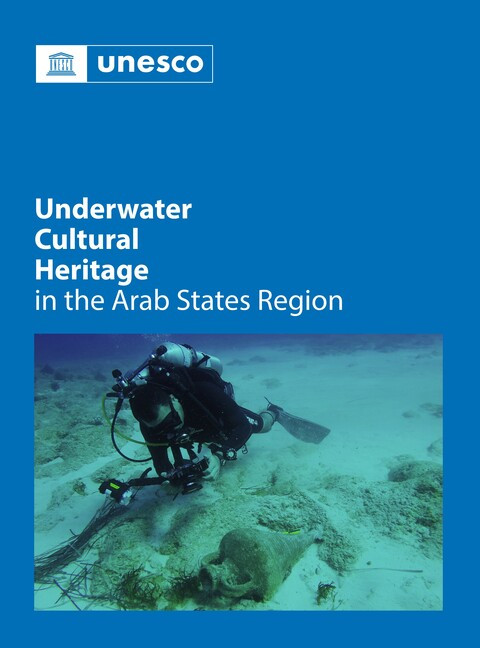 التراث الثقافيّ المغمور بالمياه في منطقة الدول العربيّة Год публикации: 2023 Организация-автор: UNESCO Cairo "التراث الثقافي المغمور بالمياه في المنطقة العربية تعرف منظمة اليونسكو التراث الثقافي المغمور بالمياه بأنه ""جميع آثار الوجود الإنساني ذات الطابع الثقافي أو التاريخي أو الأثري والتي ظلت مغمورة بالمياه جزئيا أو كليا، بشكل دوري أو متواصل، لمدة 100 عام على الأقل"". مثل: أنا. المواقع والهياكل والمباني والمصنوعات اليدوية والرفات البشرية، إلى جانب سياقها الأثري والطبيعي؛ ثانيا. السفن أو الطائرات أو المركبات الأخرى أو أي جزء منها أو حمولتها أو محتوياتها الأخرى، بالإضافة إلى سياقها الأثري والطبيعي؛ وثالثا. كائنات ذات طابع ما قبل التاريخ ""1. يتعلق هذا التعريف في المقام الأول بالعمر والظروف البيئية للرواسب، أي أن البقايا يجب أن تكون موجودة كليًا أو جزئيًا ""تحت الماء"" لمدة 100 عام على الأقل، بغض النظر عن نوعها أو طبيعتها أو ثقافتها التي ينتمون إليها. بمجرد التأكد من هذه العناصر الأساسية، يمكن تعريف المادة الأثرية بشكل أكبر وفقًا لواحد أو أكثر من المعايير المحددة: - التسلسل الزمني - الفترة الزمنية التي يعود تاريخ البقايا إليها؛ - المنطقة – المنطقة الجغرافية التي تم العثور على الرفات فيها؛ - التصنيف - التصنيف المادي للبقايا، على سبيل المثال، الفخار وعظام الحيوانات والحجر وما إلى ذلك. من المهم أن ندرك أنه في حين أن المعايير المذكورة أعلاه ستظل ثابتة، فإن الطبيعة ""تحت الماء"" للبقايا الأثرية عرضة للتغيير، نتيجة للتدخل البشري أو البيئي. على سبيل المثال، العديد من المواقع التي حدث فيها نشاط ما قبل التاريخ على الأرض، وعادةً ما تكون قريبة من الشواطئ القديمة، هي: 1 - اليونسكو. 2001. اتفاقية حماية التراث الثقافي المغمور بالمياه. باريس: وثائق المؤتمر العام، الجلسة الحادية والثلاثون، المادة.التراث الثقافي المغمور بالمياه في منطقة الدول العربية مغمور الآن بسبب ارتفاع منسوب سطح البحر. وبالمثل، فإن أشياء مثل السيوف، التي تم إيداعها في البحيرات أو الأنهار كجزء من طقوس الماضي، كانت تُصنع وتستخدم على الأرض. ولذلك أصبحت هذه المواقع والمصنوعات اليدوية تستوفي تعريف ""التراث الثقافي المغمور بالمياه"". والعملية المعاكسة ممكنة أيضًا: فحطام السفينة، على سبيل المثال، أو بقايا المواد الأخرى التي يتم رفعها من قاع البحر ووضعها في المتحف، ستفقد مكانتها كـ UCH. يخبرنا هذا الفارق الدقيق أن UCH ليس بالضرورة مصطلحًا علميًا ثابتًا. وهي تتعلق بالبيئة تحت الماء التي توجد فيها الثقافة المادية وليس بأي سمة أثرية أو ثقافية متأصلة. هذا لا يعني أن موقع الثقافة المادية تحت الماء ليس مهمًا: على العكس من ذلك، يكشف السياق تحت الماء عن تغييرات في الاستخدام والحالة والمعنى بمرور الوقت. إن التغيرات المادية التي يمكن أن تسببها البيئة تحت الماء، مثل التآكل أو الاضمحلال، والتغيرات الطبيعية والاجتماعية والأيديولوجية التي يمكن أن تعكسها المواقع تحت الماء، هي أجزاء حيوية من تاريخ حياة الموقع أو الكائن. يعد الموقع تحت الماء أيضًا عاملاً رئيسياً في تحديد التقنيات والأساليب العلمية التي يجب استخدامها عند التعامل مع هذا النوع من الثقافة المادية لأغراض الاستكشاف أو البحث أو التوثيق أو التنقيب أو الحفظ أو العرض أو العرض العام. وبالتالي، فإن دراسة UCH عادة ما تتطلب استخدام أدوات وتقنيات تختلف عن تلك المستخدمة في المواقع الأثرية الأرضية. لهذا السبب، كثيرًا ما يتم ذكر التراث تحت الماء بالارتباط مع علم الآثار المغمورة بالمياه، أي الأعمال الأثرية، مثل التنقيب والتسجيل والتحليل، التي تتم في مواقع مغمورة جزئيًا أو كليًا. ويخضع علم الآثار المغمورة بالمياه لنفس المبادئ والمعايير العلمية التي تحكم العمل الأثري على الأرض، ولكنه مصمم خصيصًا ليتناسب مع التحديات المحددة التي تفرضها الظروف تحت الماء. وبالتالي فإن مصطلح ""علم الآثار المغمورة بالمياه"" ليس فرعًا من فروع علم الآثار. بل هو مصطلح تقني يشير إلى مجموعة محددة من الأدوات والتقنيات المستخدمة في إجراء الأعمال الأثرية تحت الماء، ضمن الإطار الأوسع ومبادئ البحث الأثري." Underwater Cultural Heritage in the Arab States Region Год публикации: 2023 Организация-автор: UNESCO Cairo "Underwater Cultural Heritage in the Arab State RegionUnderwater Cultural Heritage (UCH) is defined by UNESCO as “all traces of human existence having a cultural, historical or archaeological character which have been partially or totally under water, periodically or continuously, for at least 100 years such as: i. sites, structures, buildings, artefacts and human remains, together with their archaeological and natural context; ii. vessels, aircraft, other vehicles or any part thereof, their cargo or other contents, together with their archaeological and natural context; and iii. objects of prehistoric character”1.This definition relates primarily to the age and environmental conditions of the deposit, i.e., the remains must have existed fully or partially “underwater” for at least 100 years, regardless of their type, nature, or the culture to which they belong. Once these core elements have been confirmed, the archaeological material can be defined further according to one or more specific criteria: - chronology – the time period the remains date from; - region – the geographical area where the remains were found; - typology – the physical categorisation of the remains, e.g., pottery, animal bone, stone etc.It is important to recognise that while the above criteria will remain constant, the “underwater” nature of the archaeological remains is subject to change, as a result of either human or environmental intervention. For example, many sites where prehistoric activity took place on land, usually close to ancient shorelines, are • 1 - UNESCO. 2001. Convention on the Protection of the Underwater Cultural Heritage. Paris: Records of the General Conference, 31st ses-sion, Article.Underwater Cultural Heritage in the Arab State Regionnow submerged due to rising sea levels. Similarly, items such as swords, deposited in lakes or rivers as part of past rituals, were made and used on land. These sites and artefacts have therefore come to meet the definition of “Underwater Cultural Heritage”. The opposite process is also possible: a shipwreck, for example, or other material remains lifted from the seabed and placed in a museum would lose its status as UCH. This nuance tells us that UCH is not necessarily a constant scientific term. It relates to the underwater environment in which the material culture is located rather than any inherent archaeological or cultural attribute2. That is not to say that the material culture’s underwater location is not important: on the contrary, the underwater context reveals changes in use, condition and meaning over time. The physical changes that the underwater environment can cause, such as corrosion or decay, and the natural, social and ideological changes that underwater locations can reflect, therefore, are vital parts of a site or object’s life history. The underwater location is also a key factor in determining which scientific techniques and methods to use when dealing with this type of material culture for purposes of exploration, research, documentation, excavation, conservation, presentation or public display. Thus, the study of UCH usually requires the use of tools and techniques that differ from those employed on terrestrial archaeological sites3. For this reason, UCH is frequently mentioned in association with underwater archaeology, i.e., archaeological work, such as excavation, recording and analysis, that takes place on partially or fully submerged sites. Underwater archaeology is governed by the same scientific principles and standards as archaeological work on land but is tailored to the specific challenges of underwater conditions4. The term “underwater archaeology” is not, therefore, a sub-discipline of archaeology. Instead, it is a technical term referring to a specific set of tools and techniques used in conducting archaeological work underwater, within the wider framework and principles of archaeological research."
  Knowing a Language Is Knowing the World: Learning and Supporting the Russian Language in the Republic of Tajikistan (Ethnodialogues; No.1, 2023) Год публикации: 2023 Автор: Мунзифахон Бабаджанова The year 2023 in Tajikistan is dedicated to the Russian language. The Russian language today is officially the language of interethnic communication in Tajikistan. With the support and funding of the Russian Federation, “Russian World”, “Russian Language Foundations”, “Russian Space” centers and new Russian language schools were opened and now operate in Tajikistan. Russia has also supported Tajikistan in higher education: three universities with full Russian-language instruction have been established and are operating. Знать язык - познать мир: изучение и поддержка русского языка в республике Таджикистан (Этнодиалоги; No.1, 2023) Год публикации: 2023 Автор: Мунзифахон Бабаджанова 2023 год в Таджикистане посвящен русскому языку. Русский язык сегодня официально является языком межнационального общения в Таджикистане. При поддержке и финансировании Российской Федерации в Таджикистане открыты и работают центры «Русский мир», «Фонды русского языка», «Русское пространство», новые школы с русским языком обучения. Россия также поддержала Таджикистан и в сфере высшего образования: созданы и действуют три университета с полным преподаванием на русском языке.
 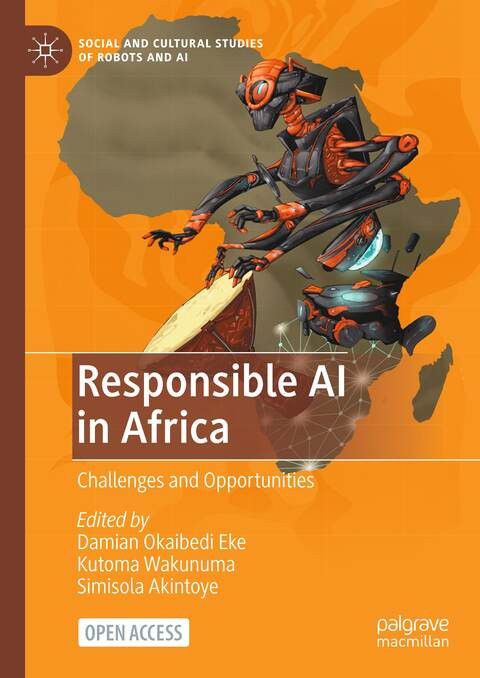 Responsible AI in Africa: Challenges and Opportunities Год публикации: 2023 Организация-автор: Palgrave Macmillan This open access book contributes to the discourse of Responsible Artificial Intelligence (AI) from an African perspective. It is a unique collection that brings together prominent AI scholars to discuss AI ethics from theoretical and practical African perspectives and makes a case for African values, interests, expectations and principles to underpin the design, development and deployment (DDD) of AI in Africa. The book is a first in that it pays attention to the socio-cultural contexts of Responsible AI that is sensitive to African cultures and societies. It makes an important contribution to the global AI ethics discourse that often neglects AI narratives from Africa despite growing evidence of DDD in many domains. Nine original contributions provide useful insights to advance the understanding and implementation of Responsible AI in Africa, including discussions on epistemic injustice of global AI ethics, opportunities and challenges, an examination of AI co-bots and chatbots in anAfrican work space, gender and AI, a consideration of African philosophies such as Ubuntu in the application of AI, African AI policy, and a look towards a future of Responsible AI in Africa.
  The UNESCO Recommendation on the Ethics of AI: Shaping the Future of Our Societies Год публикации: 2023 Организация-автор: German Commission for UNESCO | Netherlands National Commission for UNESCO | Slovenian National Commission for UNESCO The UNESCO commissions of Germany, the Netherlands and Slovenia with the support of IRCAI have jointly published a brochure on the UNESCO recommendation on the ethics of artificial intelligence. It summarizes the most important content in a compact manner and presents the central demands from the areas of health, culture, the environment, gender equality as well as education and research. The recommendation with its diverse topics is not only relevant for political experts, but it offers one for various areas of application of the ethical framework and thus serves as an orientation for dealing with AI in general. The brochure is available for the wider public in a number of formats including the original Adobe InDesign file that allows translations to be inserted and format pages, resulting in new versions of the brochure. Therefore, we strongly encourage all UNESCO Commissions from across all UNESCO regions Africa, Arab States, Asia and the Pacific, Europe and North America, Latin America and the Caribbean to use the text in the basic files and translate the content into their own languages, including using the graphic file to setup their own designs of the brochure.