
Ресурсы
Изучайте широкий спектр ценных ресурсов ВГГ, чтобы углубить своё понимание и повысить эффективность исследований, просветительской деятельности, преподавания и обучения.
Найдено: 1,852
 Таджикистан: Анализ политики по поддержке людей с инвалидностью Год публикации: 2018 Автор: Mikhail Petrushkov Организация-автор: Central Asian Bureau for Analytical Reporting (CABAR) | Institute for War and Peace Reporting (IWPR) «На законодательном уровне в отношении соблюдения прав людей с инвалидностью и обеспечения равных условий делается многое. Правительство Таджикистана в 2016 году приняло «Национальную программу реабилитации инвалидов на 2017 – 2020 годы. Однако проведенный анализ финансовой составляющей Программы показал существенные недоработки», – отмечает в своей статье, написанной для аналитической платформы CABAR.asia Михаил Петрушков, аналитик (Душанбе).
 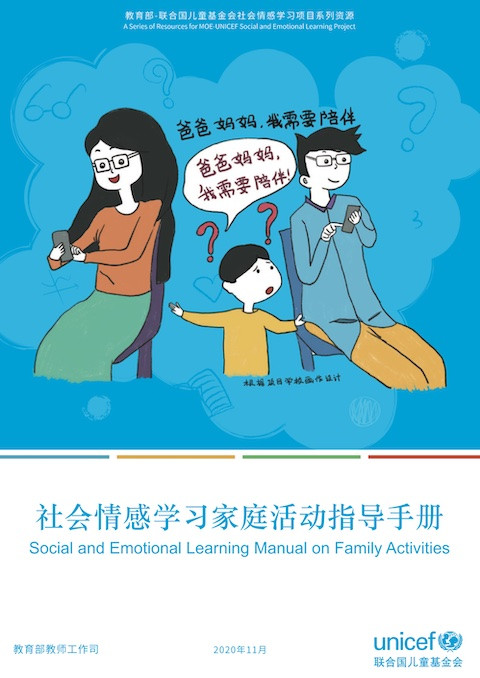 Social and Emotional Learning Manual on Family Activities Год публикации: 2020 Организация-автор: China. Ministry of Education | United Nations Children's Fund (UNICEF) This material is a guide for schools to promote family-school cooperation and for family to carry out social and emotional learning at home. It provides guidances for family to organise parent-child activities to facilitate children's social and emotional development. 社会情感学习家庭活动指导手册 Год публикации: 2020 Организация-автор: China. Ministry of Education | United Nations Children's Fund (UNICEF) 该材料为推进社会情感学习家校合作、指导家庭教育提供指导,包括为家长提供科学的指导,通过亲子活动等帮助学生发展社会情感能力。
  How to Help Kids Spot Fake News and Misinformation Год публикации: 2020 Организация-автор: Internet Matters This video gives practical tips on how to help children spot fake news and avoid being misled into believing something that might impact their wellbeing.
  Online Media Literacy Strategy Год публикации: 2021 Организация-автор: Government of the United Kingdom The Online Harms White Paper set out a commitment to develop an Online Media Literacy Strategy ahead of the implementation of the online harms regulator. The aim of the strategy is to educate and empower internet users across the UK to manage their online safety. Over 170 organisations are currently involved in delivering media literacy education in the UK. The Media Literacy Strategy sets out the government’s multi-year plan to bring coordination to the media literacy landscape and outlines a Media Literacy Framework of best practice principles to inform the content and delivery of media literacy education.
  SDG Good Practices: A Compilation of Success Stories and Lessons Learned in SDG Implementation (1st Edition) Год публикации: 2020 Организация-автор: UN. Department of Economic and Social Affairs (UN. DESA) This publication presents 16 SDG Good Practices from across the globe, received in response to the first open call for good practices, success stories and lessons learned in SDG implementation, promoted by UN DESA between 2018 and 2019.Sorted by geographical region, this publication describes the diverse examples in detail, featuring updates and reflections on the impact and adaptations to the COVID-19 pandemic and showcasing results and impact.As the world pursues a transformative recovery from COVID-19 and embarks on the Decade of Action for accelerating the implementation of the SDGs, it is hoped that these examples provide inspiration to Governments and stakeholders in their efforts to address crisis, reduce the risk of future potential emergencies and deliver on the ambitious and inclusive vision of the 2030 Agenda.
 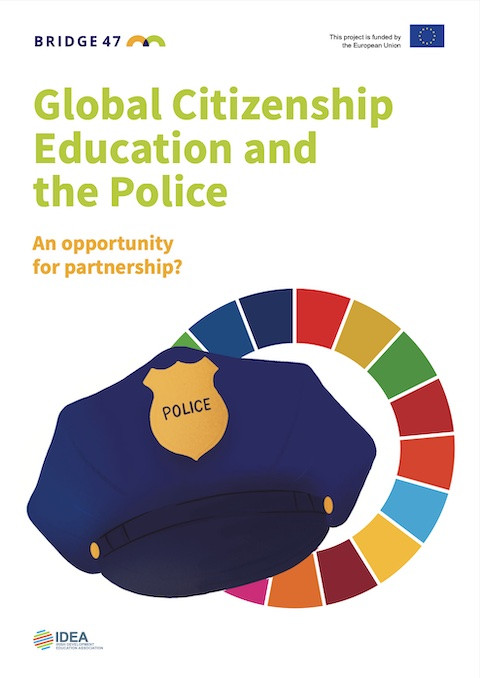 Global Citizenship Education and the Police: An Opportunity For Partnership? Год публикации: 2021 Автор: Robin Young Организация-автор: Bridge 47 This publication aims to provide some reflective questions and practicalities to consider before embarking on a partnership with the police sector and to contribute to a wider reflection, dialogue and knowledge sharing within the GCE sector globally about the opportunities and challenges for advancing the mission of GCE through engagement with the police sector.
  Cross-Sectoral Cooperation for Sustainable Futures Год публикации: 2021 Автор: Jana Arbeiter | Maja Bučar Организация-автор: Bridge 47 Cross-sectoral cooperation is important to strengthen the coherence and collaboration, as well as mobilization of resources needed for addressing systemic challenges, implementing the Sustainable Development Goals (SDGs), and enabling transformative change. Building or strengthening cross-sectoral multi-stakeholder groups or coalitions within SDG Target 4.7, can support equipping everyone with the knowledge, skills and competencies needed to contribute to a more sustainable and just future.Multi-stakeholder groups or coalitions in support of SDG Target 4.7 on a local, regional and global level are essential mechanisms for promoting and implementing sustainable development. They can enable coherence and collaboration, as well as pooling of expertise and resources needed for co-creation of the relevant policy proposals linked to the implementation of SDG Target 4.7. Building and strengthening multi-stakeholder groups or coalitions require a clear basis for establishing well-defined relationships within the multi-stakeholder groups or coalitions, well-designed structures and operating procedures and strong coordination. But most importantly, they have the potential to combine key stakeholders from relevant sectors of society, which can advocate for the implementation of SDG Target 4.7 and the (co)-creation of appropriate policies that address global justice, sustainability, and key global challenges. This publication identifies the following recommendations for establishing multi-stakeholder groups or coalitions in support of SDG Target 4.7: Multi-stakeholder groups or coalitions in support of SDG Target 4.7 on a local, regional and global level should be established, and resources should be made available for this. Stakeholders wishing to establish multi-stakeholder groups in the context of SDG Target 4.7 should clearly define their main goals and objectives. Stakeholders involved in multi-stakeholder groups in the context of SDG Target 4.7 need to be strategically identified and cover all major societal sectors, including different components of SDG Target 4.7. Coalitions in support of SDG Target 4.7 should place focus on facilitation, active listening, and peer learning opportunities. Inclusive and flexible coordination and leadership should be applied, stressing transparency, accountability and joint commitment to the cause.
  Transformative Education: Bridging Education for Change Год публикации: 2021 Автор: Jana Arbeiter | Maja Bučar Организация-автор: Bridge 47 This publication suggests that improvements in the areas of coordination, cooperation, awareness raising and capability development are needed, as outlined in the recommendations below. Policies and strategies at national, regional and global level should adopt overarching visions for transformative education in the form of overarching strategies for SDG Target 4.7. Mechanisms for coordination and collaboration between the different components of SDG Target 4.7 should be established at national, regional and global levels. Awareness of the role of transformative education and SDG Target 4.7 in contributing to more just and sustainable futures should be raised jointly between the different components of SDG Target 4.7. Opportunities for capacity building and upskilling of practitioners and learners linked to transformative education should be enabled and created at national, regional and global levels.
  Transformative Competencies: How to Define and Implement Competencies for SDG Target 4.7 Год публикации: 2021 Автор: Johanna Helin Организация-автор: Bridge 47 This paper was commissioned to support advocacy for SDG Target 4.7 in European and global policies by exploring the concept of ‘Competencies for SDG Target 4.7’. This advocacy paper draws from a desk review of existing global and regional competency frameworks at national, regional and global levels. The aim is to get a clearer understanding of these transformative competencies and how they help the implementation and assessment of Target 4.7.This paper is divided in three sections. The first section provides background to the different world views that frame the discussion on competencies, before turning to presenting some of the competency frameworks for Target 4.7. The second section gives some examples of how these competencies are being introduced into national education policies, professional skills training and lifelong learning. The paper finishes with conclusions and policy recommendations.