
Ресурсы
Изучайте широкий спектр ценных ресурсов ВГГ, чтобы углубить своё понимание и повысить эффективность исследований, просветительской деятельности, преподавания и обучения.
Найдено: 1,727
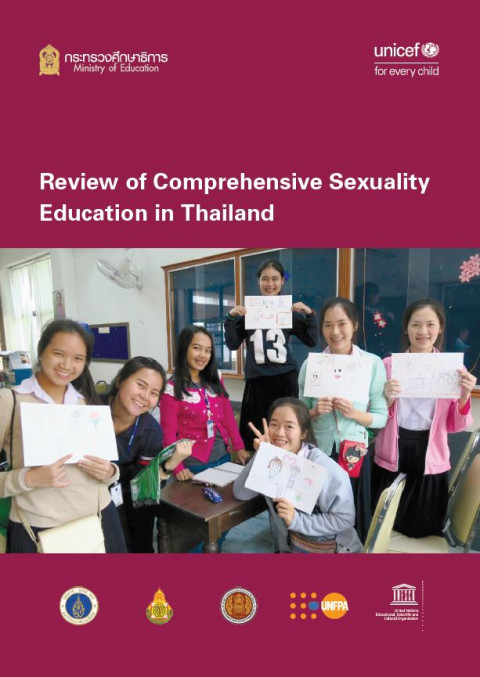 Review of Comprehensive Sexuality Education in Thailand Год публикации: 2017 Организация-автор: United Nations Children's Fund (UNICEF) | Thailand. Ministry of Education This review of comprehensive sexuality education (CSE) in Thai educational institutions collected data from students, teachers, guardians, school directors and national policy advocacy stakeholders. Standard international data collection tools were used, with the hope that important information could be gathered to guide the development of school-based CSE implementation in Thailand. The review aims to increase understanding about how CSE is being implemented in Thai general secondary schools and vocational colleges and to examine the values and attitudes of teachers, school directors, students, and parents on sexuality and sexuality education. It also analyses policies relevant to current national strategies of CSE implementation and documents successes and gaps in the current provision of CSE in the country. The report, prepared by the Ministry of Education, Thailand, and UNICEF, with inputs from UNESCO Bangkok, is available in English and in Thai.
  ‘공존과 상생’의 2021 평화·세계시민교육 기본계획 Год публикации: 2021 Организация-автор: 서울특별시교육청 본 자료는 서울특별시교육청의 2021 평화·세계시민교육 기본계획안으로, 서울 관내 초·중·고등학교를 대상으로 세계시민교육 현황을 조사 및 분석하고 2021학년도 세계시민교육의 향후 과제 및 세부추진계획을 제시하였다.
  Estrategia de educación para la ciudadanía global en el ámbito no formal en la ciudad de València (2019-2022) Год публикации: 2018 Автор: Alejandra Boni | Sergio Belda | Carola Calabuig | María Alejandra Millán | Alba Talón Организация-автор: INGENIO | Ayuntamiento de Valencia Este documento nos va a permitir incorporar los contenidos de la Educación para la Ciudadanía Global, en las acciones que se impulsan desde cada uno de los espacios educativos no formales dependientes del Ajuntament de València.
  2020 다문화교육 정책학교 운영 가이드라인: 초·중등 Год публикации: 2020 Организация-автор: 국가평생교육진흥원 본 자료는 다문화교육 정책학교 담당교원의 사업에 대한 이해를 제고하고 운영에 도움을 주고자 한다. 다문화교육 정책학교 운영 시 방향을 설정할 수 있는 가이드라인과 참고자료 및 현장의 다양한 운영사례 등을 제시하고 있다.
 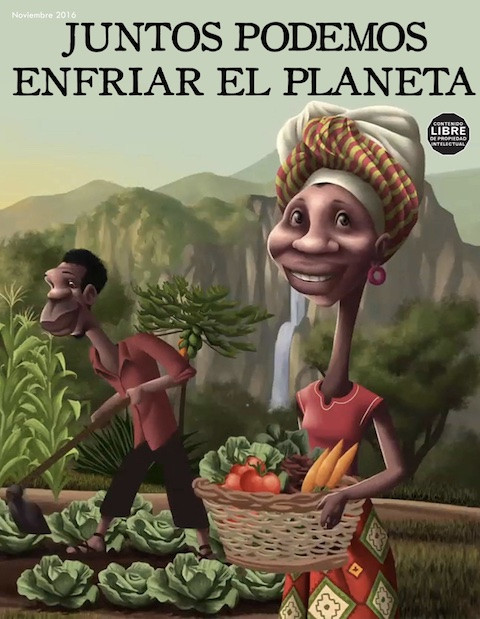 Juntos podemos enfriar el planeta Год публикации: 2016 Организация-автор: GRAIN | La Via Campesina Es una historia basada en el video " juntos podemos enfriar el planeta" que habla sobre el calentamiento global, sus causas y consencuencias, Reporta el cómo la producción industrial de alimentos afecta este fenomeno. Relata cada paso de producción industrial de alimentos, el uso de tierras fértiles, la quema de árboles que produce dióxido de carbono,el uso de maquinarias, uso de fertilizantes y agrotóxicos,la producción de excremento de animales que produce gas metano, así como el transporte que debe ser usado para que esta producción llegue a donde debe ser vendida. Posteriormente proponen una serie soluciones que constan de 5 pasos.
  General Guidelines for the Implementation of the Peace Class in Preschool, Elementary and Middle School in Colombia Год публикации: 2016 Автор: Enrique Chaux | Ana María Velásquez Организация-автор: Colombia. Ministerio de Educación Nacional This document presents the general guidelines for educational communities in Colombia to carry out their peace education projects within the framework of the Peace Law. Orientaciones generales para la implementación de la cátedra de la paz: En los establecimientos educativos de preescolar, básica y media de colombia Год публикации: 2016 Автор: Enrique Chaux | Ana María Velásquez Организация-автор: Colombia. Ministerio de Educación Nacional En este documento se presentan las orientaciones generales para que las comunidades educativas de Colombia puedan llevar a cabo sus proyectos de educación para la paz en el marco de la cátedra para la paz.
  Philippine Education for All 2015 review report Год публикации: 2015 A country's vision of inclusive growth and development entails investment in human capital, particularly through the provision of quality basic education, competitive technical vocational skills training, and relevant and responsive higher education as stated in the Philippine Development Plan 2011-2016. The current administration has placed a high regard for education and has pushed for educational reforms that promote inclusive education especially for the marginalized. Education, being the priority of the government, has produced active public-private partnerhsips over the years both at the national and the school levels. The fruits of the past and the current EFA-related programs and projects resulted in increased performance of the country in most of the EFA indicators. However, at this time, which require greater efforts to accelerate and reach national EFA targets by 2015. L'éducation philippine pour tous 2015 Rapport d'examen Год публикации: 2015 La vision d'un pays de la croissance et le développement inclusif implique l'investissement dans le capital humain, en particulier grâce à la fourniture de l'éducation de base de qualité, la formation technique concurrentielle des compétences professionnelles et pertinentes, et l'enseignement supérieur répondant comme indiqué dans le Plan de développement 2011-2016. L'administration actuelle a placé une grande estime pour l'éducation et a poussé des réformes éducatives qui favorisent l'éducation inclusive en particulier pour les groupes marginalisés. L'éducation, étant la priorité du gouvernement, a produit partnerhsips public-privé actifs au cours des années, tant au niveau de l'école nationale et. Les fruits du passé et les programmes EPT liés actuels et les projets ont donné lieu à une performance accrue du pays dans la plupart des indicateurs de l'EPT. Cependant, à ce moment, ce qui nécessite davantage d'efforts pour accélérer et atteindre les objectifs de l'EPT nationaux d'ici à 2015.
  School-related violence and bullying on the basis of Sexual Orientation and Gender Identity or Expression (SOGIE): synthesis report on China, the Philippines, Thailand and Viet Nam Год публикации: 2018 Организация-автор: UNESCO Bangkok School related violence and bullying is a problem in all countries. UNESCO is committed to ensuring that all children and young people have access to safe, inclusive, health-promoting learning environments as part of its strategy on education for health and well-being. This synthesis report on school related violence and bullying on the basis of Sexual Orientation and Gender Identity or Expression (SOGIE), covering China, the Philippines, Thailand and Viet Nam, was developed to broaden awareness and understanding about this issue, while also identifying best practices and policies. It also aims to mobilize support for advocacy among educators, research institutions, policy makers and activists at the national and regional levels.