
Ресурсы
Изучайте широкий спектр ценных ресурсов ВГГ, чтобы углубить своё понимание и повысить эффективность исследований, просветительской деятельности, преподавания и обучения.
Найдено: 2,162
 Preventing Extremism Through Education: A Safe and Supportive School Environment Год публикации: 2020 Автор: Mohammad Madbouli This video talks about preventing extremism in schools. The presenter uses the UNESCO guide for policy-makers published in 2018 as framework for discussing preventing extremism. The presenter speaks about safe and supportive environment for students in schools.
  Pour une éducation à l’égalité des genres: Guide de survie en milieu sexiste Год публикации: 2016 Организация-автор: CEMÉA Belgique Cette publication vise à déconstruire les grands mythes utilisés pour légitimer les inégalités entre les femmes et les hommes, dans notre société.
  Promoting Quality in TVET Using Technology: A Practical Guide Год публикации: 2020 Организация-автор: UNESCO International Centre for Technical and Vocational Education and Training (UNEVOC) Technology has altered many aspects of life, including education and training. As a result of technological developments, technical and vocational education and training (TVET) has become more accessible to students, and the quality of education and training has improved too. Teachers and trainers can use digital tools to manage their tasks effectively and engage learners in digital rich environments. Learners can also use technology to learn new skills and to collaborate and interact with teachers and trainers. The COVID-19 pandemic has however underlined the current difficulties in effectively integrating technologies in the delivery of education and training. Institutions need to make constant assessments of their capacity and readiness to provide technology-rich environment for learning. At the same time, teachers’ and trainers’ readiness is also of particular importance to adopt appropriate pedagogic approaches with technology. This practical guide addresses institutions and teachers and trainers. It helps TVET institutions to understand the organizational plans to build up their capacity to stimulate digital learning. It also guides teachers that want to develop their competencies, improve their pedagogical strategies with use of technology, and learn from existing practice. By showing how technology is used in an integrated instruction model and providing helpful resources, this guide helps teachers and trainers to effectively plan their own tasks and delivery of instruction with the right technology tools.
  감염병 재난 극복을 위한 영유아 심리방역 매뉴얼 Год публикации: 2020 Автор: 조숙인 | 송하나 | 김연수 | 김주련 | 김문정 Организация-автор: 육아정책연구소 2020년도 수시과제 '재난 극복을 위한 영유아 정신건강 지원 매뉴얼 개발(조숙인, 송하나, 김연수, 김주련, 김문정)'의 일환으로 개발한 자료집이다. [목차]01. 감염병 재난이란?02. 감염병 재난은 왜 스트레스일까요?03. 감염병 재난 스트레스 반응 알아보기04. 영유아 부모와 교사를 위한 감염병 재난 기본 대응 방법05. 영유아 발달 특성에 따른 감염병 재난 스트레스 반응 이해하기06. 영유아에게 감염병 재난 설명하기07. 재난 후 영유아가족 적응 돕기08. 사례를 통해 배우는 영유아 감염병 재난 스트레스 대응 방법09. 기타 재난 스트레스 대응 방법10. 영유아와 함께 하는 마음 도닥이기 활동
  Citizenship education and coexistence: guides for citizenship and coexistence based on the collective construction of meaning and networks; unit 1; coexisting citizens and comunities Год публикации: 2022 Организация-автор: Centro de Investigación y Educación Popular (CINEP) | Secretaría de Educación del Distrito (SED) These modules and guides are directed to Facilitators Network Citizenship and Coexistence to help them through a process of training and reflection that allows them to be aware of their capabilities, and the tools we have, providing a bank of learning activities, as well as a general guide for development, according to the needs of the processes with their educational communities . Therefore, the processes of dialogue and exchange that have been developed with the same Network facilitators, and the interaction and reflection with all educational stakeholders in Bogota, have been taken into account in the conceptual, methodological and didactic guidelines of the modules and guides.
 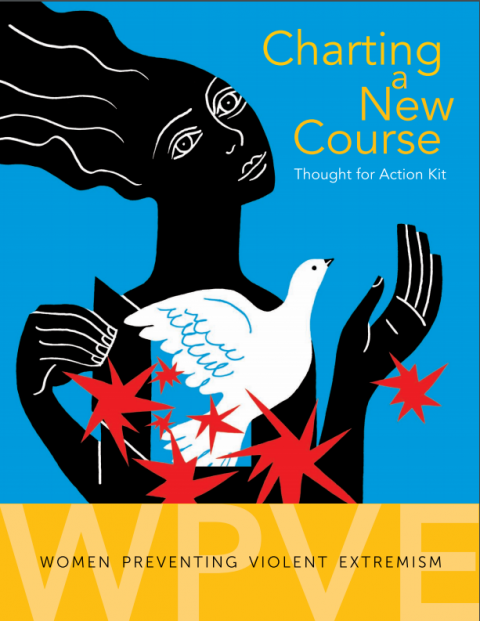 Women Preventing Violent Extremism Thought for Action Kit Год публикации: 2015 Организация-автор: United States Institute of Peace (USIP) United Nations Security Council Resolution (UNSCR) 1325 (2000) was groundbreaking in that it provided strong support for greater attention to the role of women in international peace and security. It acknowledges the inordinate impact of violent conflict on women and recognizes that women’s empowerment and gender equality are critical to international peace and security. The UN Security Council fully recognizes the critical link between the Women, Peace and Security agenda as laid out in UNSCR 1325 and the role women could and should play in preventing violent extremism. This document has three sections. The first section examines the question of gender and why it is important to consider both men and women, and the dynamics of gender roles in society when addressing violent extremism. The second section deals specifically with women and the underlying forces of extremist violence. It invites thinking about women as actors in preventative efforts as well as perpetrators of terrorist acts. Finally, the third section raises issues related to the various ways in which to engage communities, including members of the security sector. Each section opens with a brief introductory background, followed by short essays by some of the leading experts in this field. Each section also includes practical exercises that may prove useful for training and further dialogue. Femmes Prévention Violent Extrémisme Pensée pour la trousse d'action Год публикации: 2015 Организация-автор: United States Institute of Peace (USIP) La Résolution du Conseil de Sécurité des Nations Unies. (CSNU) 1325 (2000) était révolutionnaire en ce qu'elle a fourni un appui solide pour une plus grande attention sur le rôle des femmes dans la paix et la sécurité internationales. Il reconnaît l'impact démesuré des conflits sur les femmes et reconnaît que l'autonomisation des femmes et l'égalité des sexes sont essentiels pour la paix et la sécurité internationales. Le Conseil de sécurité des Nations Unies reconnaît pleinement le lien essentiel entre les femmes, la paix et l'ordre du jour de sécurité comme prévu dans la résolution 1325 et le rôle que les femmes peuvent et doivent jouer dans la prévention de l'extrémisme violent. Ce document comporte trois sections. La première section porte sur la question du genre et pourquoi il est important de considérer à la fois les hommes et les femmes, et la dynamique des rôles de genre dans la société quand aborder l'extrémisme violent. La deuxième section traite spécifiquement avec les femmes et les forces sous-jacentes de la violence extrémiste. Elle invite à penser à des femmes en tant qu'acteurs dans les efforts de prévention ainsi que les auteurs d'actes terroristes. Enfin, la troisième section soulève des questions liées aux diverses façons dont faire participer les communautés, y compris les membres du secteur de la sécurité. Chaque section commence par un bref historique d'introduction, suivie de courts essais par quelques-uns des plus grands experts dans ce domaine. Chaque section comprend également des exercices pratiques qui peuvent se révéler utiles pour la formation et la poursuite du dialogue.
 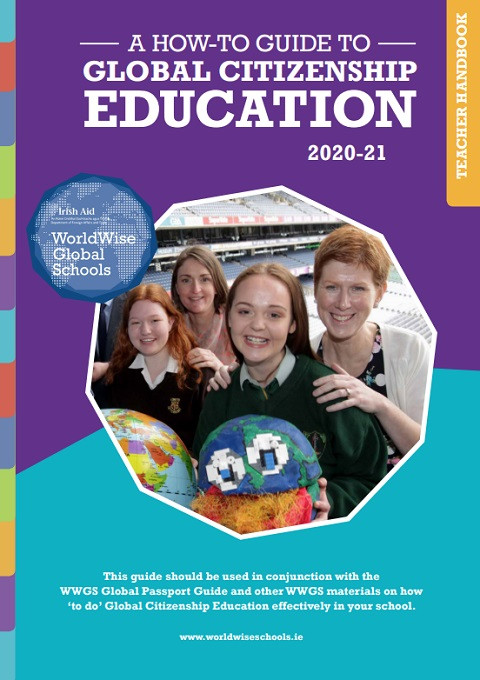 A How-To Guide to Global Citizenship Education: Teacher Handbook; 2020-21 Год публикации: 2020 Организация-автор: WorldWise Global Schools (WWGS) | Irish Aid This guide is for post-primary schools that are working to embed Global Citizenship Education (GCE) into their school community, and are part of the WorldWise Global Schools (WWGS) Programme. It aims to support schools to integrate Global Citizenship Education and create global citizens in their schools. Whether you are just starting to explore, or you are experienced in Global Citizenship Education, this handbook will help to guide your GCE practice and offer some suggestions as to how you can approach your GCE work and engage with the WWGS programme.
 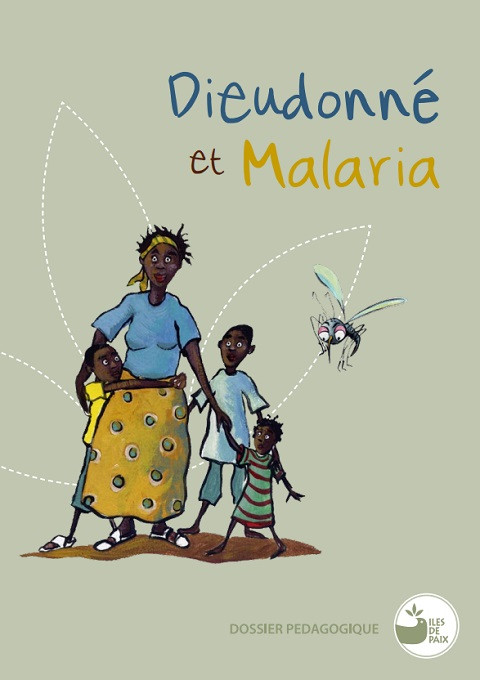 Dieudonné et Malaria: Dossier pédagogique Год публикации: 2012 Автор: Laure Malchair | Florence Gossuin | Marie Freres Организация-автор: Îles de Paix C'est un outil pédagogique visant la découverte, par les enfants, du mode de vie d’une famille pauvre au Burundi. Ils prennent ainsi conscience d’autres manières de vivre et jettent les bases d’une attitude respectueuse des autres. Le présent document arme l’enseignant pour son exploitation.
  코로나19로 보는 세상이야기: 2020 다문화·세계시민교육 자료집 Год публикации: 2020 Организация-автор: 서울특별시교육청 다문화교육지원센터 본 자료는 서울시교육청 다문화교육지원센터에서 단위학교의 다문화 세계시민 교육을 지원하고자 제작된 것으로, 코로나19 시대에 필요한 평화교육, 세계시민교육, 다문화교육, 인권교육 등의 교수학습 자료이다.