
Ресурсы
Изучайте широкий спектр ценных ресурсов ВГГ, чтобы углубить своё понимание и повысить эффективность исследований, просветительской деятельности, преподавания и обучения.
Найдено: 3,385
 Desafíos de la educación secundaria en América Latina: ponencias del Foro regional de políticas educativas 2018 Год публикации: 2019 Автор: Nestor López Организация-автор: UNESCO IIEP Oficina para América Latina y el Caribe En el marco de los esfuerzos realizados por la UNESCO para apoyar a los países de la región en el cumplimiento del Objetivo de Desarrollo Sostenible (ODS) 4, el 20 y 21 de septiembre de 2018 se celebró en Buenos Aires, Argentina, la segunda edición del Foro Regional de Políticas Educativas, un evento de la Oficina para América Latina del Instituto Internacional de Planeamiento de la Educación de la UNESCO. Este evento contó con la participación de representantes de los gobiernos de los 19 países de la región, expertos en políticas de educación secundaria, y representantes de organismos internacionales. El tema de esta edición del Foro Regional --Desafíos de la educación secundaria en América Latina ante la Agenda Educación 2030-- resultó particularmente de actualidad para los países de la región, dado que, en las últimas dos décadas, la mayor parte de ellos incorporó la secundaria como parte del ciclo de educación obligatoria. Sin embargo, hasta ahora no se ha logrado garantizar una educación secundaria “inclusiva, equitativa y de calidad” para todas las personas, como declara el ODS 4.
 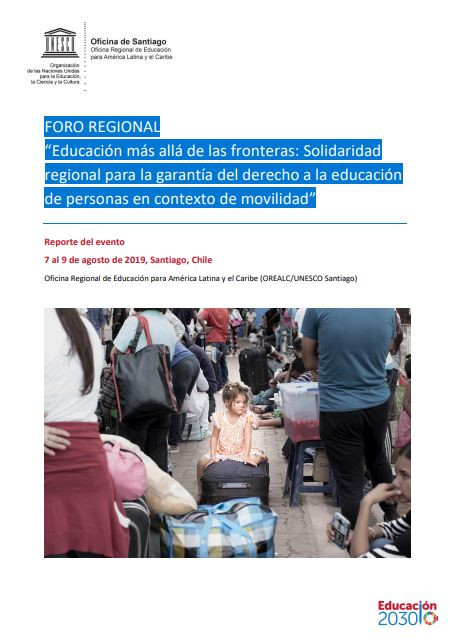 Foro regional: Educación más allá de las Fronteras: Solidaridad Regional para la Garantía del Derecho a la Educación de Personas en Contexto de Movilidad; reporte del evento Год публикации: 2019 Организация-автор: UNESCO Santiago El aumento sustantivo de la movilidad intrarregional, la progresiva transformación de la procedencia de la población en contexto de movilidad y la presencia de flujos masivos de desplazamiento en los últimos años han supuesto importantes desafíos para los Estados. Particularmente, en establecer las maneras en que las personas migrantes, refugiadas, solicitantes de asilo y retornadas puedan ejercer sus derechos fundamentales. Entre estos derechos, el derecho a la educación emerge como una herramienta para proteger la dignidad humana, especialmente considerando su capacidad de promover la garantía de otros derechos y de constituirse, por tanto, en un derecho multiplicador. Un compromiso central de la Agenda 2030 adoptada por los Estados Miembros es “no dejar a nadie atrás”, por lo que considerar las necesidades de protección de las personas en situación de movilidad resulta urgente. El logro de los Objetivos de Desarrollo Sostenible depende de nuestra respuesta a este desafío mundial y regional.
  Education and Migration Policy Paper: Language, Education and Migration in the Context of Forced Displacement (Policy Brief Series, no 1) Год публикации: 2018 Автор: Francine Sara Menashy | Zeena Zhakaria A surge in global migration, spurred in part by conflict, emergency, and fragility, has elicited increased attention to the specific needs of migrant and refugee learners. The international community faces an urgent global challenge: more people are now displaced than since the end of the Second World War. Half of those displaced are under the age of 18. Further, while two-thirds of international migrants are in high-income countries, 85% of those displaced by conflict and natural disaster now live in low-income countries. Forced displacement creates particular vulnerabilities, including access to education free from discrimination. Meeting Sustainable Development Goal 4 by 2030 demands that all children, youth, and adults receive an inclusive and equitable quality education. Education is a right that plays a critical role in advancing both sustainable development and peace. Yet refugees, migrants, and asylum seekers encounter numerous barriers to an inclusive andequitable quality education in host countries worldwide.
  Online Programme and Meeting Document Situation Analysis of SDG 4 with a Gender Lens, Target 4.C Год публикации: 2018 Организация-автор: UNESCO Bangkok Teachers play a critical role in delivering high-quality education and learning outcomes. Indeed, the quality of an education system cannot exceed that of its teachers (OECD, 2010). Target 4.c recognizes this fact by calling on countries to increase the supply of qualified teachers. East Asia and the Pacific does not have enough trained and qualified teachers, particularly in remote and impoverished areas where children are most in need of highquality education. Moreover, the gender distribution of teachers is uneven across the education system, in teaching and administration. While integrating Target 4.c into national education policies and sector plans, governments should develop specific strategies to ensure that teachers are trained, qualified and deployed in an equitable manner.
 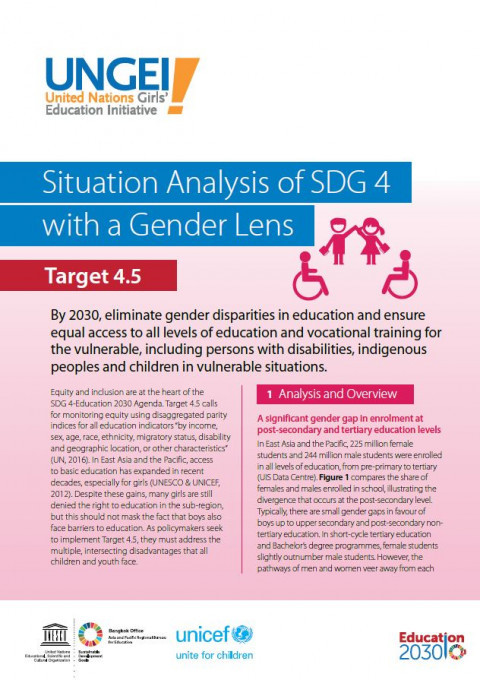 Situation Analysis of SDG 4 with a Gender Lens, Target 4.5 Год публикации: 2018 Организация-автор: UNESCO Bangkok Equity and inclusion are at the heart of the SDG 4-Education 2030 Agenda. Target 4.5 calls for monitoring equity using disaggregated parity indices for all education indicators “by income, sex, age, race, ethnicity, migratory status, disability and geographic location, or other characteristics” (UN, 2016). In East Asia and the Pacific, access to basic education has expanded in recent decades, especially for girls (UNESCO & UNICEF, 2012). Despite these gains, many girls are still denied the right to education in the sub-region, but this should not mask the fact that boys also face barriers to education. As policymakers seek to implement Target 4.5, they must address the multiple, intersecting disadvantages that all children and youth face.
  RESPECT Women: Preventing Violence Against Women Год публикации: 2019 Организация-автор: World Health Organization (WHO) Violence against women and girls remains pervasive across the world, despite significant efforts being made to recognize, eliminate, and prevent it in all its forms. Eliminating violence against women and girls is pivotal to achieving gender equality, women’s empowerment, and the Sustainable Development Goals. Elimination can only be done through prevention. Successful prevention requires: political commitment and leadership,implementing laws and policies that promote gender equality,investing in women’s organizations,allocating resources to prevention, andaddressing the multiple forms of discrimination women face daily. Based on the principles of respect and equality, and lessons learned from evidence-based results on what works in preventing violence from occurring and recurring, the World Health Organization (WHO) and UN Women, in collaboration with ten other UN, bilateral, and multilateral agencies, have developed “RESPECT Women: Preventing violence against women”. This publication provides a comprehensive framework to inform policy makers and implementers about designing, planning, implementing, monitoring, and evaluating interventions and programmes on preventing and responding to violence against women. The framework outlines seven inter-related intervention strategies derived from the word “respect”: Relationships skills strengthenedEmpowerment of womenServices ensuredPoverty reducedEnvironments made safeChild and adolescent abuse preventedTransformed attitudes, beliefs and norm
 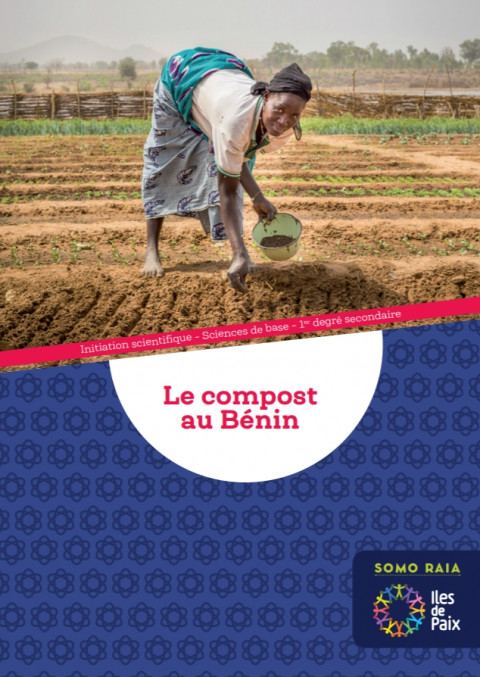 Le compost au Bénin Год публикации: 2018 Организация-автор: Îles de Paix L’objectif de ce dossier est d’amener les élèves à découvrir ce qu’est le recyclage de la matière organique via le compost. En parallèle, ils pourront réfléchir à la manière dont le compost peut être utilisé pour remédier aux problèmes de fertilité des sols dans un pays en voie de développement tel que le Bénin. Au travers des activités, les élèves devront mettre en œuvre des savoir-faire, tels que la réalisation et l’analyse d’expériences, l’analyse de textes et de dessins, la réalisation de classements et de schémas. Une partie documentaire, destinée à l’enseignant, permet d’approfondir la thématique.
 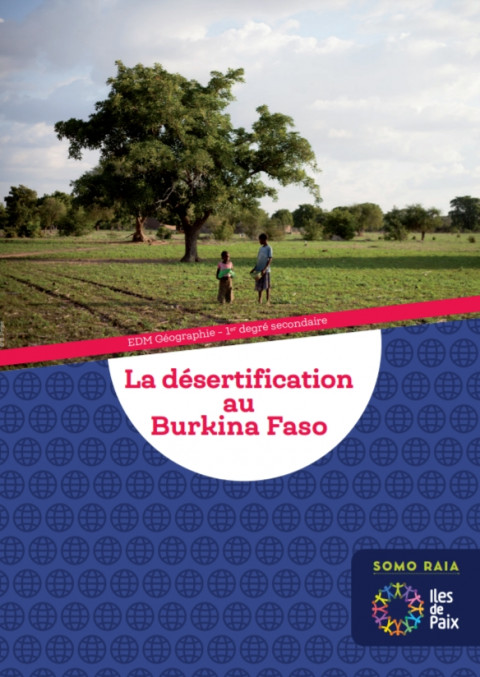 La désertification au Burkina Faso Год публикации: 2019 Организация-автор: Îles de Paix Au Burkina Faso, les changements climatiques contribuent à accentuer le phénomène de désertification et à aggraver les problèmes alimentaires. L’objectif de ce dossier est que les étudiants puissent découvrir ce pays d’Afrique ainsi que les enjeux liés à la désertification. Au travers des activités, les élèves auront la possibilité d’exercer plusieurs compétences via des documents variés : chansons, documents écrits, iconographies, cartes, schémas, etc. Une partie documentaire, destinée à l’enseignant, permet d’approfondir la thématique.
  Language and education in post-Soviet Central Asia Год публикации: 2008 Автор: Monica Perotto In the article, the author tries to assess the dynamics of the changing role of Russian and the titular languages in the post-Soviet republics of Central Asia with reference to demographic and geopolitical data, as well as to determine the consequences of the language policy pursued in these countries. Язык и образование в постсоветской Центральной Азии Год публикации: 2008 Автор: Monica Perotto В статье автор пытается дать оценку динамике изменения роли русского и титульных языков в постсоветских республиках Центральной Азии со ссылкой на демографические, геополитические данные, а также определить последствия проводимой в этих странах языковой политики.