
Ресурсы
Изучайте широкий спектр ценных ресурсов ВГГ, чтобы углубить своё понимание и повысить эффективность исследований, просветительской деятельности, преподавания и обучения.
Найдено: 130
 Respuestas del sector de educación frente al bullying homofóbico Год публикации: 2013 Организация-автор: UNESCO This publication is part of a Good Policy and Practice series that addresses key themes of UNESCO’s work with the education sector including HIV and AIDS and safe, healthy educational environments for all learners. This volume, on the theme of homophobic bullying in educational institutions, builds on UNESCO’s work on gender, discrimination and violence in schools.
 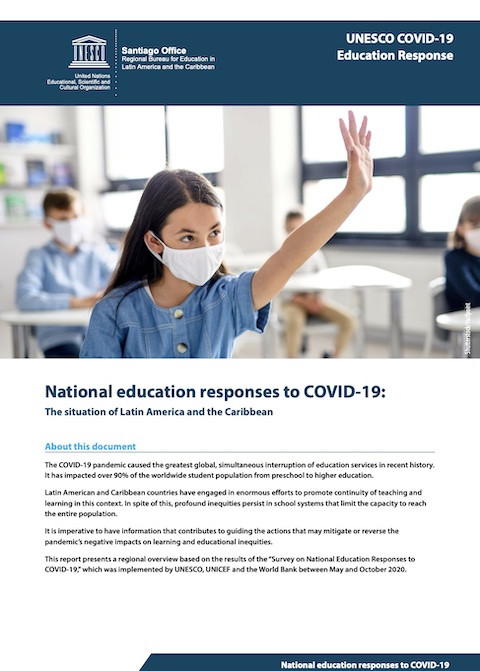 National Education Responses to COVID-19: The Situation of Latin America and the Caribbean Год публикации: 2021 Организация-автор: UNESCO The COVID-19 pandemic caused the greatest global, simultaneous interruption of education services in recent history. It has impacted over 90% of the worldwide student population from preschool to higher education.Latin American and Caribbean countries have engaged in enormous efforts to promote continuity of teaching and learning in this context. In spite of this, profound inequities persist in school systems that limit the capacity to reach the entire population.It is imperative to have information that contributes to guiding the actions that may mitigate or reverse the pandemic’s negative impacts on learning and educational inequities.This report presents a regional overview based on the results of the “Survey on National Education Responses to COVID-19,” which was implemented by UNESCO, UNICEF and the World Bank between May and October 2020. Las respuestas educativas nacionales frente a la COVID-19: El panorama de América Latina y el Caribe Год публикации: 2021 Организация-автор: UNESCO La pandemia de la COVID-19 provocó la mayor interrupción de servicios educativos, de forma global y simultánea, de la historia reciente y ha afectado a más del 90% de la población mundial de estudiantes, desde la educación preprimaria hasta la educación superior.Los países de América Latina y el Caribe han llevado adelante enormes esfuerzos para promover la continuidad de la enseñanza y el aprendizaje en este contexto. A pesar de ello, persisten en los sistemas escolares profundas inequidades que limitan la capacidad de alcanzar a toda la población.Es imperativo contar con información que contribuya a orientar las acciones que permitan atenuar o revertir los impactos negativos que ha provocado la pandemia en los aprendizajes y en las desigualdades educativas.Para ello este reporte presenta un panorama regional a partir de los resultados de la “Encuesta sobre las respuestas nacionales en materia de educación frente a la COVID-19", implementada por la UNESCO, UNICEF y el Banco Mundial entre mayo y octubre de 2020.
  Educación y diversidad cultural: Lecciones desde la práctica innovadora en América Latina Год публикации: 2008 Автор: Carolina Hirmas R. Организация-автор: UNESCO Esta publicación, que constituye el segundo volumen de la colección, es el resultado del análisis y la reflexión acerca de un conjunto experiencias educati- vas innovadoras de varios países de Latinoamérica, que responden con pertinen- cia pedagógica al contexto cultural de los estudiantes y ofrecen una educación orientada al conocimiento, comprensión y diálogo entre personas de diferentes culturas. El aporte significativo de las experiencias referidas, reside en el reco- nocimiento y valoración de la diversidad étnica y cultural de sus estudiantes y comunidades, como punto de partida para el desarrollo de nuevos aprendizajes y afirmación de su identidad. A su vez, la vida en los centros educativos promueve relaciones interculturales de respeto y fraternidad en un contexto sociogeográfico local y subregional, caracterizado por la multiculturalidad.
  Homophobic and Transphobic Bullying in Educational Centers: Awareness Workshop for its Prevention; Facilitation Guide Год публикации: 2015 Организация-автор: UNESCO This publication presents strategies for teachers and educational authorities with the aim of addressing homophobic and transphobic violence from a Human Rights perspective. Through lessons that incorporate concepts, activities and reflections, it underlines the importance of respect for sexual diversity through the acquisition of knowledge, and the strengthening of teaching skills to overcome stigmas and prejudices. El Bullying Homofóbico y Transfóbico en los Centros Educativos: Taller de Sensibilización Para Su Prevención; Guía de Facilitación Год публикации: 2015 Организация-автор: UNESCO Esta publicación formula estrategias de apoyo a los docentes y las autoridades educativas con el objetivo de abordar la violencia homofóbica y transfóbica desde un enfoque de Derechos Humanos. A través de lecciones que incorporan conceptos, actividades y reflexiones, subraya la importancia del respeto a la diversidad sexual mediante la adquisición de conocimientos, y el fortalecimiento de competencias docentes para superar estigmas y prejuicios.
  Non-Formal Education, Sustainable Development and the Education 2030 Agenda: Study of Civil Society Practices in Latin America and the Caribbean Год публикации: 2020 Организация-автор: UNESCO Santiago | UNESCO Mexico This publication shows 27 civil society initiatives from various countries in Latin America and the Caribbean that work to promote actions and programs to comply with Target 4.7 within non-formal education. The study seeks that these organizations show their work, the challenges they face as regards the implementation of their programs and their greatest achievements. Educación no formal, desarrollo sostenible y la Agenda de Educación 2030: Estudio de prácticas de la sociedad civil en América Latina y el Caribe Год публикации: 2020 Организация-автор: Organización de las Naciones Unidas para la Educación, la Ciencia y la Cultura (UNESCO) En esta publicación, se muestran 27 iniciativas de la sociedad civil de diversos países de la región de América Latina y el Caribe que trabajan promoviendo acciones y programas para lograr el cumplimiento de la Meta 4.7 desde la educación no formal. En el estudio, se busca que las propias organizaciones expongan su trabajo, los retos que enfrentan en la implementación de sus programas y sus mayores logros.
 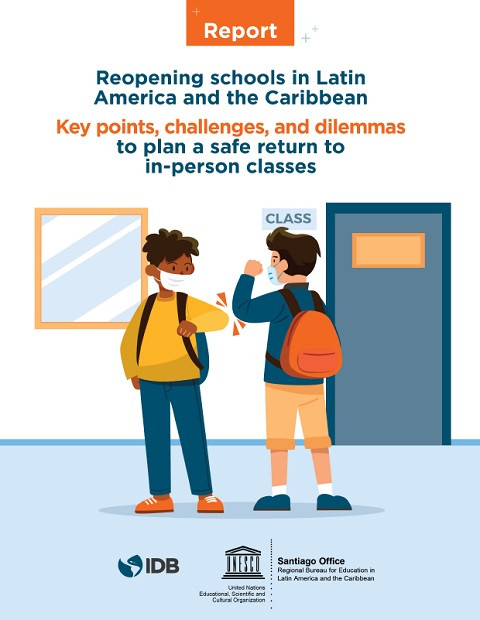 Reopening Schools in Latin America and the Caribbean: Keys, Challenges, and Dilemmas to Plan for a Safe Return to in-Person Classes Год публикации: 2021 Автор: Alejandro Vera | Martín Scasso | Alejandro Morduchowicz | Cecilia Berlanga Alessio Robles Организация-автор: UNESCO Santiago | Inter-American Development Bank The suspension of in-person classes as a consequence of the COVID-19 pandemic profoundly affected the education systems in Latin America and the Caribbean (LAC) and compromised the achievements reached around the goals established in the SDG4-Education 2030 Agenda. The most vulnerable people have been the most affected by this situation, which widened the preexisting gaps. The countries of the region have carried out great efforts to guarantee the continuity of learning. However, these have been limited by the challenges that this unprecedented crisis brought, aggravated by unequal conditions in access to infrastructure and other resources that affect broad sectors of the population.This report analyzes the possibilities, restrictions and needs that the countries of the region will face during the process of returning to in-person classes, considering five dimensions: (i) safe schools (school infrastructure, access to water and sanitation); (ii) human resources (principals and teachers); (iii) access to ITC and connectivity; (iv) education financing and (v) information and planning. Reabrir las escuelas en América Latina y el Caribe: Claves, desafíos y dilemas para planificar el retorono seguro a las clases presenciales; Reporte Год публикации: 2021 Автор: Alejandro Vera | Martín Scasso | Alejandro Morduchowicz | Cecilia Berlanga Alessio Robles Организация-автор: UNESCO La suspensión de clases presenciales como consecuencia de la pandemia de COVID-19 afectó profundamente los sistemas educativos de América Latina y el Caribe, y puso en riesgo los avances alcanzados en torno al cumplimiento de las metas establecidas en la Agenda ODS 4-Educación 2030. Las poblaciones más vulnerables se han visto más afectadas por esta situación, lo cual acrecentó las brechas preexistentes. Los países de la región llevaron a cabo enormes esfuerzos para garantizar la continuidad de los aprendizajes. Sin embargo, se ven limitados por los desafíos que presenta este contexto inédito de crisis y agravados por las desiguales condiciones de acceso a infraestructura y otros recursos que afectan a vastos sectores de la población.El reporte analiza las posibilidades, restricciones y necesidades que enfrentarán los países de la región durante el proceso del regreso a las clases presenciales, considerando cinco dimensiones: (i) escuelas seguras (infraestructura escolar, acceso al agua y saneamiento); (ii) recursos humanos (directores y docentes); (iii) acceso a TIC y conectividad, (iv) financiamiento de la educación y (v) información y planificación.