
Ресурсы
Изучайте широкий спектр ценных ресурсов ВГГ, чтобы углубить своё понимание и повысить эффективность исследований, просветительской деятельности, преподавания и обучения.
Найдено: 2,790
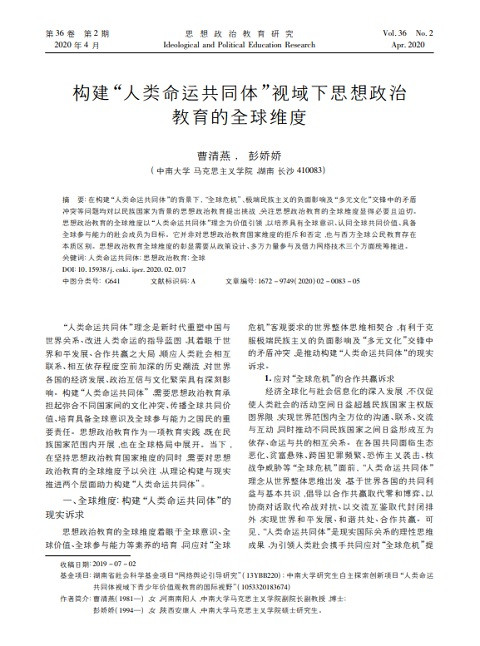 构建“人类命运共同体”视域下思想政治 教育的全球维度 (思想政治教育研究; Vol. 36, No. 2) Год публикации: 2020 Автор: Cao Qingyan | Peng Jiaojiao Организация-автор: Harbin University of Science and Technology 在构建“人类命运共同体”的背景下,“全球危机”、极端民族主义的负面影响及“多元文化”交锋中的矛盾 冲突等问题均对以民族国家为背景的思想政治教育提出挑战,关注思想政治教育的全球维度显得必要且迫切。 思想政治教育的全球维度以“人类命运共同体”理念为价值引领,以培养具有全球意识、认同全球共同价值、具备 全球参与能力的社会成员为目标。它并非对思想政治教育国家维度的拒斥和否定,也与西方全球公民教育存在 本质区别。思想政治教育全球维度的彰显需要从政策设计、多方力量参与及借力网络技术三个方面统筹推进。
 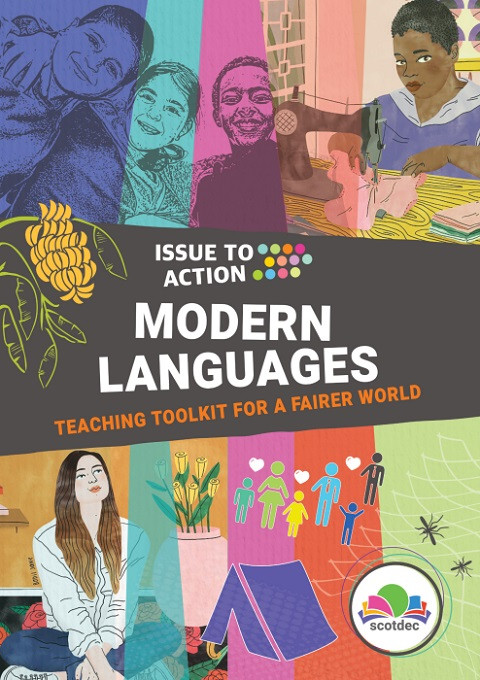 Issue to Action: Modern Languages; Teaching Toolkit for a Fairer World Год публикации: 2020 Автор: Megan Clark | Irina Gancheva | Laura Morris | Peigi Morrison Организация-автор: Scotdec | European Union (EU) Global Citizenship Education is essential in enabling young people to access and participate in shaping modern society. All teachers and subjects have a role to play in educating young people to enable them to participate as fully as possible in building a fair and just world for all. A Global Citizenship approach to Modern Languages enable young people to gain insights into other ways of thinking and other views of the world. With a focus on diversity and equality, the many and varied Spanish and French speaking cultures in Africa and South America, can provide a rich learning context. The materials in this resource have been written by Modern Languages teachers and tested in Scottish classrooms. They provide an opportunity to learn common vocabulary in new contexts and consider global issues such as migration and gender equality from different perspectives.
 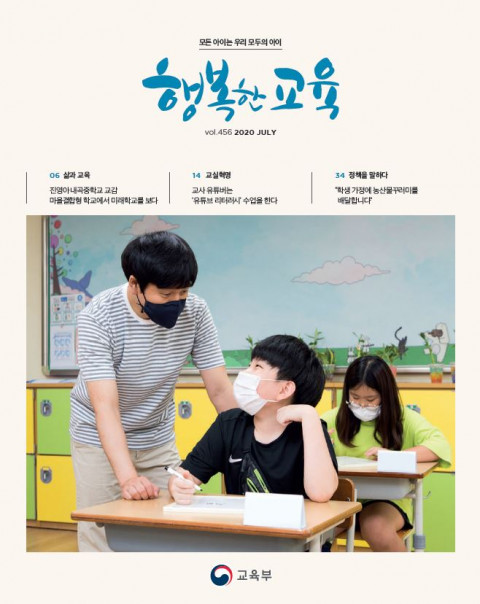 행복한 교육 2020년 7월호 (제456호) Год публикации: 2020 Организация-автор: 대한민국 교육부 특별기획 미래_지능정보사회를 이끌 인재 양성 청사진교육부는 최근 ‘과학·수학·정보·융합교육 종합계획(5개년)’을 발표하며 향후 5년간의 미래 인재 양성에 대한 청사진을 제시했다. 교과 간의 긴밀한 연결과 융합을 바탕으로 정책이 수립되어 시너지 효과가 기대된다. 이번 발표에 따르면, 인공지능(AI), 가상·증강현실(VR·AR) 등 최첨단 에듀테크 기술이 교육 현장에 적극적으로 도입되는데, 대표적으로 최첨단 기술을 적용한 지능형 과학실을 2024년까지 모든 학교에 구축하여 학생들이 첨단 과학을 직접 체험하고 학습할 수 있도록 한다는 계획이다. 교육부의 과학·수학·정보·융합교육 청사진을 살펴본다.정책을 말하다_“학생 가정에 농산물꾸러미를 배달합니다”학교급식의 중단으로 학부모와 농가, 급식업체의 부담이 증가함에 따라 교육부와 농림축산식품부는 시도교육청·지자체와 협력하여 ‘학생 가정 농산물꾸러미 지원사업’을 추진하고 있다. 꾸러미사업에 서울, 대구, 인천, 광주, 대전, 세종, 경기, 강원, 충북, 충남, 전북, 전남, 경북, 경남과 부산 기장군에서 참여하며 499만여 명의 학생 가정에 3만 7천 톤의 농산물을 공급하였다. 일부 지역(울산, 부산, 제주, 세종)에서는 학생 가정 내 경제적 부담을 줄여주고자 잔여 급식예산을 교육재난지원금 등의 형태로 지급하고 있다.
  التعددية الثقافية ومفهوم الهوية المتعددة الأبعاد Год публикации: 2009 Автор: Mohamed Ben Jemaa Организация-автор: King Saud University يمثل الاعتراف بأوجه التشابه والاختلاف الاجتماعيين حجر الزاوية في دراسة التفاعلات الاجتماعية. وتتأسس كثير من الدراسات على ضرورة تحديد ما إذا كانت (الذات) متشاة مع (الآخر) أو أا مختلفة مع (الآخر)، من خلال البحث عن جملة المعايير والعوامل التي تشكل هوية الأفراد، بغية معرفة متى يكون الأنا (أنا) وأنت (أنت)، ومتى يكوّن (أنا) مع (أنت) ما يمثل (نحن) في مقابل الآخرين (هم).وقد اهتمت الدراسات الاجتماعية منذ مدة طويلة بتحليل ظواهر (الوحدة الاجتماعية) و(التفرقة الاجتماعية) و(الهوية الجماعية)، من خلال دراسة تكوّن (الهوية) لدى الأفراد، وتراكم الانتماءات وتزاحمها لدى الأفراد، وعوامل الاجتماع والافتراق التي يعتمدها الأفراد لمشاركة الآخرين في تكوين الجماعات والانتماء إليها. كما سعت الدراسات إلى استكشاف عوامل رسم "حدود جماعات الانتماء" (كيف ترسم هذه الحدود؟ لماذا؟ متى؟ وأين؟)، ودراسة الشروط والظروف التي يمكن أن تتغير على أساسها هذه الحدود المرسومة.ويمثل وضع تصوّر لتقاطعات التنوع الثقافي والقواسم المشتركة بين أفراد اتمع أحد التحديات الأساسية التي تواجه الباحثين وواضعي السياسات العامة.تحتوي الورقة المقترحة على قسمين. وتعرض في القسم الأول تجارب ست دول في تطبيق سياسة (التعدد الثقافي)، هي: أستراليا، الهند، هولندا، سنغفورة، جنوب أفريقيا، وكندا. وتلقي الضوء بصفة خاصة على التجربة الكندية التي تعتمد نموذجين مختلفين في التعاطي مع (التعددية الثقافية) المميزة للمجتمع الكندي بسبب تركيبته التكوينية تاريخيا، والجامعة بين الهنود الحمر (أو الأمم الأولى) والفرنسيين والإنجليز، وبسبب الانفتاح الفريد على قبول المهاجرين. ويعرف النموذج الأول باسم وهو النموذج المعتمد من الحكومة الفيدرالية الكندية. ،(Multiculturalism) " "التعددية الثقافية .(Interculturalism) " أما الثاني فهو معتمد من قبل مقاطعة كيبك ويعرف باسم "التفاعل الثقافي ثم تعرض في القسم الثاني إطارا نظريا لمفهوم (الهوية متعددة الأبعاد)، يسعى لفهم أشكال التراكم والتزاحم بين الانتماءات، وتحديد عدد من العوامل المؤثرة فيها. كما تعرض أخطاء اعتماد الهوية ذات البعد الواحد في تصنيف الأفراد والجماعات، وعلاقة ذلك بالعنف، من خلال محاولة لتحديد معالم الهوية الإسلامية المختزلة التي يرسمها تنظيم القاعدة لنفسه في الصراع الذي يخوضه على المست وى الدولي. Multiculturalism and the Concept of Multi-Dimensional Identity Год публикации: 2009 Автор: Mohamed Ben Jemaa Организация-автор: King Saud University A conference paper discussing multiculturalism and contains two parts, where the first part discusses multiculturalism policies in 6 countries. While the second part shows the multi-dimensional identity.
  Peace Education Performances Год публикации: 2016 Автор: Enrique Chaux | José Fernando Mejía | Juanita Lleras | David Guáqueta | Andrea Bustamante | Gloria Inés Rodríguez | Paula Andrea Pineda | Alexander Ruiz-Silva | Carolina Valencia | Charlotte Greniez | Daniel García | Sara Victoria Alvarado | Ana María Velásquez Организация-автор: Colombia. Ministerio de Educación Nacional This document presents a proposal for Peace Education performances for grades k to 11th. This proposal seeks to be an illustration of a curricular design consistent with the Guidelines for the Implementation of the Peace Law.
  Global Citizenship Education: Critical and International Perspectives Год публикации: 2020 Автор: Abdeljalil Akkari | Kathrine Maleq Организация-автор: Springer Nature | Swiss National Science Foundation This open access book takes a critical and international perspective to the mainstreaming of the Global Citizenship Concept and analyses the key issues regarding global citizenship education across the world. In that respect, it addresses a pressing need to provide further conceptual input and to open global citizenship agendas to diversity and indigeneity.Social and political changes brought by globalisation, migration and technological advances of the 21st century have generated a rise in the popularity of the utopian and philosophical idea of global citizenship. In response to the challenges of today’s globalised and interconnected world, such as inequality, human rights violations and poverty, global citizenship education has been invoked as a means of preparing youth for an inclusive and sustainable world.In recent years, the development of global citizenship education and the building of students’ global citizenship competencies have become a focal point in global agendas for education, international educational assessments and international organisations. However, the concept of global citizenship education still remains highly contested and subject to multiple interpretations, and its operationalisation in national educational policies proves to be challenging.This volume aims to contribute to the debate, question the relevancy of global citizenship education’s policy objectives and to enhance understanding of local perspectives, ideologies, conceptions and issues related to citizenship education on a local, national and global level. To this end, the book provides a comprehensive and geographically based overview of the challenges citizenship education faces in a rapidly changing global world through the lens of diversity and inclusiveness. Desempeños de educación para la paz Год публикации: 2016 Автор: Enrique Chaux | José Fernando Mejía | Juanita Lleras | David Guáqueta | Andrea Bustamante | Gloria Inés Rodríguez | Paula Andrea Pineda | Alexander Ruiz-Silva | Carolina Valencia | Charlotte Greniez | Daniel García | Sara Victoria Alvarado | Ana María Velásquez Организация-автор: Colombia. Ministerio de Educación Nacional Este documento presenta una propuesta de desempeños de Educación para la Paz para los grados transición a 11º. Esta propuesta busca servir de ilustración de cómo podría ser un diseño curricular consistente con las Orientaciones para la Implementación de la Cátedra de la Paz.
  Didactic Sequences of Education for Peace Год публикации: 2016 Автор: Enrique Chaux | José Fernando Mejía | Juanita Lleras | David Guáqueta | Andrea Bustamante | Gloria Inés Rodríguez | Paula Andrea Pineda | Alexander Ruiz-Silva | Carolina Valencia | Charlotte Greniez | Daniel García | Sara Victoria Alvarado | Ana María Velásquez Организация-автор: Colombia. Ministerio de Educación Nacional This document proposes examples of didactic sequences of Peace Education for all grades from 1st to 11th. A didactic sequence can be understood as the detailed description of a series of articulated lesson organized in a coherent way. The proposed sequences include between 4 and 7 class sessions of approximately 50 minutes each. They seek to be consistent with the General Guidelines for the Implementation of the Peace Law and with the Proposed Performances. Secuencias didácticas de educación para la paz Год публикации: 2016 Автор: Enrique Chaux | José Fernando Mejía | Juanita Lleras | David Guáqueta | Andrea Bustamante | Gloria Inés Rodríguez | Paula Andrea Pineda | Alexander Ruiz-Silva | Carolina Valencia | Charlotte Greniez | Daniel García | Sara Victoria Alvarado | Ana María Velásquez Организация-автор: Colombia. Ministerio de Educación Nacional En este documento se proponen ejemplos de secuencias didácticas de Educación para la Paz para cada uno de los grados desde 1º hasta 11º. Una secuencia didáctica puede comprenderse como la descripción detallada de una serie de planeaciones de clases articuladas de una manera coherente. Las secuencias propuestas incluyen entre 4 y 7 sesiones de clase de aproximadamente 50 minutos cada una. Buscan ser consistentes con las Orientaciones Generales para la Implementación de la Cátedra de la Paz y con la Propuesta de Desempeños de Educación para la Paz.