
Ресурсы
Изучайте широкий спектр ценных ресурсов ВГГ, чтобы углубить своё понимание и повысить эффективность исследований, просветительской деятельности, преподавания и обучения.
Найдено: 1,443
 教科文组织 世界遗产 “禁入”承诺指南: 企业可持续性全球标准 Год публикации: 2022 Организация-автор: UNESCO 教科文组织世界遗产地是具有突出普遍价值的文化、自然和混合遗产地,体现出人类在地球上最杰出的一些遗产和珍宝。它们涵盖世界各个地区的一千多处遗产,整个国际社会都有责任合作保护这些遗产。世界遗产地给我们的社会带来了巨大惠益,有助于保护对人类福祉至关重要的生态系统服务和文化资源。 然而,几十年来,世界遗产面临的威胁逐渐增加,包括有害的工业和基础设施项目、采矿和油气开采等采掘活动以及大型水电项目等造成的威胁。鉴于这些重大威胁,一些龙头企业和金融机构已承诺保护世界遗产,将其作为“禁入”区域加以尊重。 世界遗产地作为人类留给后代的遗产,受到国际法律保护,因此在企业政策和商业行为中值得特别关注。然而,在可持续性政策和尽职调查程序的性质和力度方面存在着很大差异。制定本指南,旨在协助企业制定全面的世界遗产战略,作为衡量和管理环境、社会和治理风险工作的一部分。
  World Heritage: A Unique Contribution to Biodiversity Conservation Год публикации: 2023 Организация-автор: UNESCO | International Union for Conservation of Nature (IUCN) The UNESCO World Heritage Convention is unique among international agreements as it deals with both natural and cultural heritage. By conferring one of the highest levels of protection recognized by 195 countries, it ensures a truly global commitment to safeguarding exceptional places. UNESCO natural World Heritage sites are critical for the conservation of ecosystem integrity and biodiversity. While they make up less than 1% of the Earth’s surface, they harbor more than 1/5 of mapped global species richness. This includes over 75,000 species of plants, and over 30,000 species of mammals, birds, fishes, reptiles and amphibians. Cultural World Heritage sites in particular can be an important ally in biodiversity conservation since around 20% of them are located in Key Biodiversity Areas (KBAs). UNESCO World Heritage sites also represent a safe haven for some of the most threatened species on Earth. They are estimated to protect over 20,000 globally threatened species, and are home to some of the last individuals of many iconic species. Today, up to 1/3 of remaining elephants, tigers and pandas can be found in these sites, as well as at least 1 in 10 great apes, giraffes, lions and rhinos. However, even these highly protected sites are today threatened by global climate change and human pressures, including agricultural expansion, infrastructure development, poaching, overexploitation of resources and the proliferation of invasive species. Every 1°C increase in temperature could double the number of species exposed to dangerous climate conditions. Ensuring effective and sustained protection of UNESCO World Heritage sites and surrounding landscapes is crucial for maximizing their value as a solution to tackle the current biodiversity and climate crisis. One way of achieving this is by supporting countries to integrate World Heritage into their National Biodiversity Strategies and Action Plans (NBSAPs), as they are key to implementing the Kunming-Montreal Global Biodiversity Framework (GBF). Patrimonio mundial: Una contribución única a la conservación de la biodiversidad Год публикации: 2023 Организация-автор: UNESCO | International Union for Conservation of Nature (IUCN) La Convention du patrimoine mondial de l’UNESCO est un instrument unique parmi les accords internationaux, car elle traite à la fois du patrimoine naturel et culturel. En conférant l’un des plus hauts niveaux de protection reconnu par 195 pays, elle garantit un engagement véritablement mondial en faveur de la sauvegarde de lieux exceptionnels. Les sites naturels du patrimoine mondial de l’UNESCO sont essentiels à la conservation de l’intégrité des écosystèmes et de la biodiversité. Alors qu’ils représentent moins de 1 % de la surface terrestre, ils abritent plus d’un cinquième de la richesse mondiale des espèces cartographiées, soit plus de 75 000 espèces de plantes et plus de 30 000 espèces de mammifères, d’oiseaux, de poissons, de reptiles et d’amphibiens. Les sites culturels du patrimoine mondial, en particulier, peuvent être des alliés importants pour la conservation de la biodiversité, car près de 20 % d’entre eux sont situés dans des zones clés pour la biodiversité (ZCB). Les sites du patrimoine mondial de l’UNESCO représentent également un refuge pour certaines espèces parmi les plus menacées de la planète. On estime qu’ils protègent plus de 20 000 espèces menacées à l’échelle mondiale et qu’ils abritent certains des derniers individus de nombreuses espèces emblématiques. Aujourd’hui, jusqu’à un tiers des éléphants, tigres et pandas restants se trouvent dans ces sites, ainsi qu’au moins un grand singe, une girafe, un lion et un rhinocéros sur dix. Cependant, même ces sites hautement protégés sont aujourd’hui menacés par le dérèglement climatique mondial et les pressions humaines, notamment l’expansion de l’agriculture, le développement des infrastructures, le braconnage, la surexploitation des ressources et la prolifération d’espèces envahissantes. Chaque augmentation de température de 1°C pourrait doubler le nombre d’espèces exposées à des conditions climatiques dangereuses. Il est essentiel d’assurer une protection effcace et durable des sites du patrimoine mondial de l’UNESCO et des paysages environnants pour maximiser leur valeur en tant que solution à la crise actuelle de la biodiversité et du climat. L’un des moyens d’y parvenir est d’aider les pays à intégrer le patrimoine mondial dans leurs stratégies et plans d’action nationaux pour la biodiversité (SPANB), car ils sont essentiels à la mise en œuvre du Cadre mondial pour la biodiversité (CMB) de Kunming-Montréal. Patrimoine mondial: Une contribution unique à la conservation de la biodiversité Год публикации: 2023 Организация-автор: Organisation des Nations Unies pour l'éducation, la science et la culture (UNESCO) | International Union for Conservation of Nature (IUCN) La Convention du patrimoine mondial de l’UNESCO est un instrument unique parmi les accords internationaux, car elle traite à la fois du patrimoine naturel et culturel. En conférant l’un des plus hauts niveaux de protection reconnu par 195 pays, elle garantit un engagement véritablement mondial en faveur de la sauvegarde de lieux exceptionnels. Les sites naturels du patrimoine mondial de l’UNESCO sont essentiels à la conservation de l’intégrité des écosystèmes et de la biodiversité. Alors qu’ils représentent moins de 1 % de la surface terrestre, ils abritent plus d’un cinquième de la richesse mondiale des espèces cartographiées, soit plus de 75 000 espèces de plantes et plus de 30 000 espèces de mammifères, d’oiseaux, de poissons, de reptiles et d’amphibiens. Les sites culturels du patrimoine mondial, en particulier, peuvent être des alliés importants pour la conservation de la biodiversité, car près de 20 % d’entre eux sont situés dans des zones clés pour la biodiversité (ZCB). Les sites du patrimoine mondial de l’UNESCO représentent également un refuge pour certaines espèces parmi les plus menacées de la planète. On estime qu’ils protègent plus de 20 000 espèces menacées à l’échelle mondiale et qu’ils abritent certains des derniers individus de nombreuses espèces emblématiques. Aujourd’hui, jusqu’à un tiers des éléphants, tigres et pandas restants se trouvent dans ces sites, ainsi qu’au moins un grand singe, une girafe, un lion et un rhinocéros sur dix. Cependant, même ces sites hautement protégés sont aujourd’hui menacés par le dérèglement climatique mondial et les pressions humaines, notamment l’expansion de l’agriculture, le développement des infrastructures, le braconnage, la surexploitation des ressources et la prolifération d’espèces envahissantes. Chaque augmentation de température de 1°C pourrait doubler le nombre d’espèces exposées à des conditions climatiques dangereuses. Il est essentiel d’assurer une protection effcace et durable des sites du patrimoine mondial de l’UNESCO et des paysages environnants pour maximiser leur valeur en tant que solution à la crise actuelle de la biodiversité et du climat. L’un des moyens d’y parvenir est d’aider les pays à intégrer le patrimoine mondial dans leurs stratégies et plans d’action nationaux pour la biodiversité (SPANB), car ils sont essentiels à la mise en œuvre du Cadre mondial pour la biodiversité (CMB) de Kunming-Montréal.
 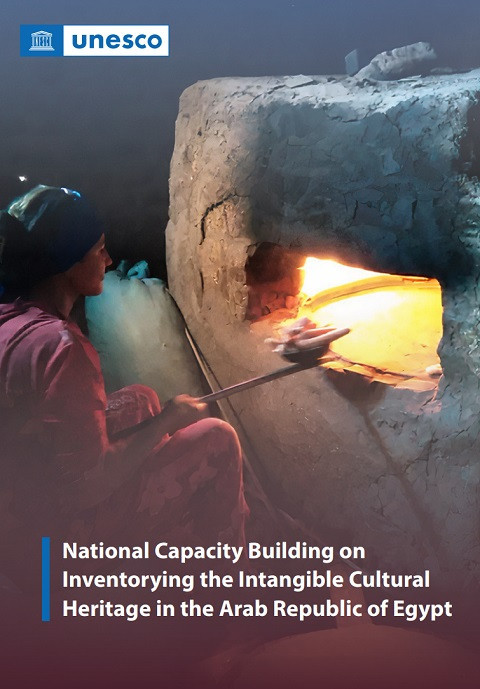 National Capacity Building on Inventorying the Intangible Cultural Heritage in the Arab Republic of Egypt Год публикации: 2024 Автор: Ahmed Bahi El Din | Haitham Younes Организация-автор: UNESCO | UNESCO Cairo Communities in Egypt are inventorying their living heritage Egypt is famed for its rich civilization and long history. Egyptian identity is presented not only through archaeological sites and Ancient Egyptian civilization, but also through Egypt’s diverse living heritage. More than simply showing who they are today, this living heritage tells the story of how the Egyptians arrived at this point over the generations.To celebrate this identity and strengthen national capacities to safeguard it, UNESCO, alongside the Egyptian government and civil society, implemented the project Strengthening National Capacities for Safeguarding Intangible Cultural Heritage in Egypt for Sustainable Development, which ran from June 2018 to June 2021.The project focused on community-based inventorying of living heritage. This involved training workshops and a pilot community-based inventorying exercise, which took place in six different locations throughout Egypt (Cairo, Fayoum, Gharbeya, Aswan, Assuit, and Marsa Matrouh). Thanks to the project, participating community practitioners and heritage bearers are now equipped to inventory their own living heritage. • This pilot was Egypt’s first step to establishing a national inventory of Intangible Cultural Heritage (ICH) under the Ministry of Culture, in collaboration with community practitioners. • This publication provides recommendations on how to further enhance national capabilities for ICH safeguarding and how to advance community engagement in the inventorying processes in Egypt.
 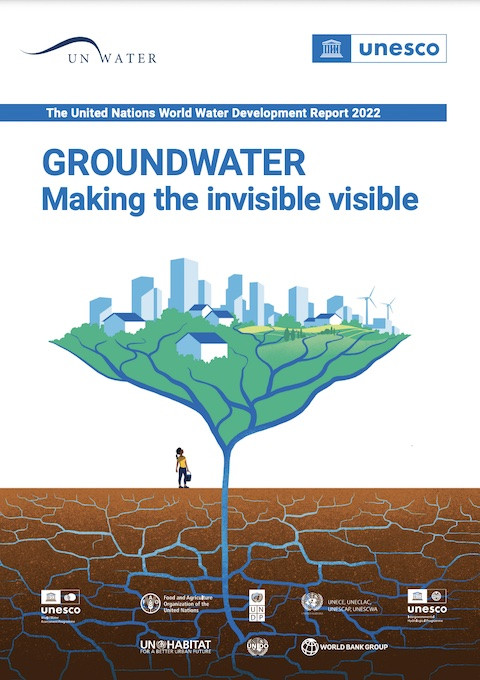 The United Nations World Water Development Report 2022: Groundwater; Making the Invisible Visible Год публикации: 2022 Организация-автор: UNESCO The 2022 edition of the United Nations World Water Development Report, titled “Groundwater: Making the invisible visible”, describes the challenges and opportunities associated with the development, management and governance of groundwater across the world. The report addresses groundwater-related issues from the perspective of the three main water use sectors (agriculture, human settlements and industry), as well as its interactions with ecosystems and its relation with climate change. It highlights different regional perspectives and presents a number of response options concerning data and information, policy and planning, management and governance, as well as financing.The United Nations World Water Development Report is UN-Water’s flagship report on water and sanitation issues, focusing on a different theme each year. The report is published by UNESCO, on behalf of UN-Water and its production is coordinated by the UNESCO World Water Assessment Programme. The report gives insight on main trends concerning the state, use and management of freshwater and sanitation, based on work done by the Members and Partners of UN-Water. Launched in conjunction with World Water Day, the report provides decision-makers with knowledge and tools to formulate and implement sustainable water policies. It also offers best practices and in-depth analyses to stimulate ideas and actions for better stewardship in the water sector and beyond. Rapport mondial des Nations Unies sur la mise en valeur des ressources en eau 2022: Eaux souterraines; Rendre visible l’invisible Год публикации: 2022 Организация-автор: UNESCO L’édition 2022 du Rapport mondial des Nations Unies sur la mise en valeur des ressources en eau, intitulée Eaux souterraines : rendre visible l’invisible, décrit les défis et les opportunités que présentent l’exploitation, la gestion et la gouvernance des eaux souterraines dans le monde. Le rapport examine les questions relatives aux eaux souterraines sous l’angle des trois principaux secteurs d’utilisation de l’eau (agriculture, établissements humains et industrie) ainsi que leurs interactions avec les écosystèmes et leur relation au changement climatique. Il met également en avant différentes perspectives régionales et présente un certain nombre de solutions possibles en matière de données et d’informations, de politiques et de planification, de gestion et de gouvernance ainsi que de financement.Abordant un thème différent chaque année, le Rapport mondial des Nations Unies sur la mise en valeur des ressources en eau est le rapport phare d’ONU-Eau sur les questions d’eau et d’assainissement. Le rapport est publié par l’UNESCO, au nom d’ONU-Eau, et sa production est coordonnée par le Programme mondial de l’UNESCO pour l’évaluation des ressources en eau. Le rapport expose les principales évolutions de l’état, de l’utilisation et de la gestion de l’eau douce et de l’assainissement sur la base des travaux réalisés par les membres et les partenaires d’ONU-Eau. Publié à l’occasion de la Journée mondiale de l’eau, le rapport met à disposition des décideurs des connaissances et des outils pour leur permettre de concevoir et de mettre en œuvre des politiques durables. Il présente aussi certaines des meilleures pratiques ainsi que des analyses approfondies, qui stimuleront les idées et galvaniseront les actions aux fins d’une meilleure gestion dans le secteur de l’eau et au-delà.
 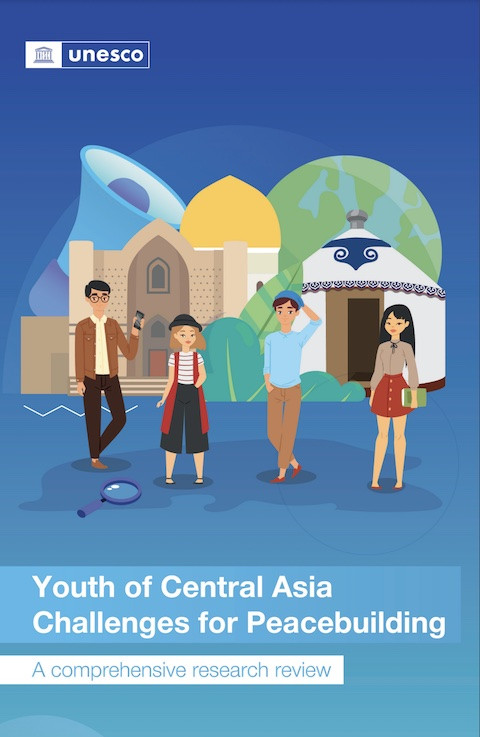 Youth of Central Asia, Challenges for Peacebuilding: A Comprehensive Research Review Год публикации: 2021 Автор: Laura Yerekesheva Организация-автор: UNESCO The estimations are that by 2030, the world will be home to 1.3 billion young people. This speaks about the importance of the youth for development in various parts of the globe, particularly in developing countries which constitute 90% of the global youth population. From comprehensive holistic perspective peace, peacebuilding and dialogue embrace all aspects and dimensions of life – inter-generational, social, economic, political, ethnic, religious, civic, ideological, cultural, and natural. The youth related issues are directly linked with the SDGs agenda. Central Asian states are also on the list of developing countries, with an increasing demographic share of the youth in the general population, meaning that the countries of the region are “young.” As of 2020, the total population of the four countries of Central Asia (Kazakhstan, Kyrgyzstan, Tajikistan and Uzbekistan) was 68.46 million, of which youth comprised 16.55 million or 24,1%. What Challenges for Peacebuilding the Youth of Central Asia Face? This highlights the urgency required for elaborating and implementing special policies on youth development. For Central Asia, the peace and peacebuilding agenda is the development agenda, and vice versa, as neither is possible without the other, and these in turn are intrinsically linked with youth-related issues. This report provides a detailed overview of the existing challenges to the youth of the 4 countries of the region – Kazakhstan, Kyrgyzstan Tajikistan, Uzbekistan – structured around three main themes of peacebuilding: (1) an education and learning environment; (2) economic and social participation; and (3) civic engagement. Governments, international organizations, professionals and policymakers in the youth, peacebuilding and development sectors, academia and NGOs are invited to join forces to accelerate the achievement of youth development for a more just, sustainable and peaceful future. Молодежь Центральной Азии, Вызовы миростроительству : Комплексный исследовательский обзор Год публикации: 2021 Автор: Laura Yerekesheva Организация-автор: Организация Объединенных Наций по вопросам образования, науки и культуры (UNESCO) По оценкам, к 2030 году в мире будут проживать 1,3 миллиарда молодых людей. Это говорит о важной роли, которую будет играть молодежь, особенно в развивающихся странах, в которых проживает 90% общего мирового населения молодежи. В рамках всеобъемлющего системного подхода, мир, миростроительство и диалог подразумевают все аспекты и измерения жизни - межпоколенческие, социальные, экономические, политические, этнические, религиозные, гражданские, идеологические, культурные и природные. Вопросы, связанные с молодежью, напрямую связаны с повесткой в области достижения Целей устойчивого развития (ЦУР). Государства Центральной Азии относятся к развивающимся странам с высокой долей молодежи в общем составе населения, что делает эти страны «молодыми». По состоянию на 2020 год общая численность населения четырех стран Централь ной Азии (Казахстана, Кыргызстана, Таджикистана и Узбекистана) - 68,46 миллиона человек, из которых молодежь составляла 16,55 миллиона человек или 24,1%.Это свидетельствует о важности разработки и реализации специальных стратегий и мер по развитию молодежи. Для Центральной Азии повестка дня в области мира и миростроительства – это, прежде всего, повестка дня в области развития, и наоборот, поскольку обе они взаимосвязаны между собой, а также с проблемами молодежи.В данном отчете представлен подробный обзор существующих вызовов, с которыми сталкивается молодежь четырех стран региона - Казахстана, Кыргызстана, Таджикистана, Узбекистана. Данные вызовы структурированы вокруг трех основных тем миростроительства: (1) образование и обучающая среда; (2) экономическое и социальное участие; и (3) гражданское участие.Правительствам, международным организациям, специалистам и политикам, работающим в сферах молодежи, миростроительства и развития, академическим кругам и неправительственным организациям предлагается объединить усилия для ускорения достижения целей развития молодежи для более справедливого, устойчивого и мирного будущего.
  UNESCO’s Recommendation on the Ethics of Artificial Intelligence: Key Facts Год публикации: 2023 Организация-автор: UNESCO This brochure is a summary of "Recommendation on the Ethics of Artificial Intelligence". The Recommendation addresses ethical issues related to the domain of Artificial Intelligence to the extent that they are within UNESCO’s mandate. With its unique mandate, UNESCO’s Social and Human Sciences Sector has led the international effort to ensure that science and technology develop with strong ethical guardrails for decades. AI technology brings major benefits in many areas, but without the ethical guardrails, it risks reproducing real world biases and discrimination, fueling divisions and threatening fundamental human rights and freedoms. The Recommendation establishes a set of values in line with the promotion and protection of human rights, human dignity, and environmental sustainability. It advances essential principles such as transparency, accountability, and the rule of law online. It also includes concrete policy chapters that call for better governance of data, gender equality, and important aspects of AI applications on education, culture, labour markets, the environment, communication and information, health and social well-being, and the economy. Unlike other international instruments, the Recommendation includes monitoring and evaluation chapters and means for implementation in the form of a Readiness Assessment and the Ethical Impact Assessment to ensure real change on the ground.