
Ресурсы
Изучайте широкий спектр ценных ресурсов ВГГ, чтобы углубить своё понимание и повысить эффективность исследований, просветительской деятельности, преподавания и обучения.
Найдено: 2,162
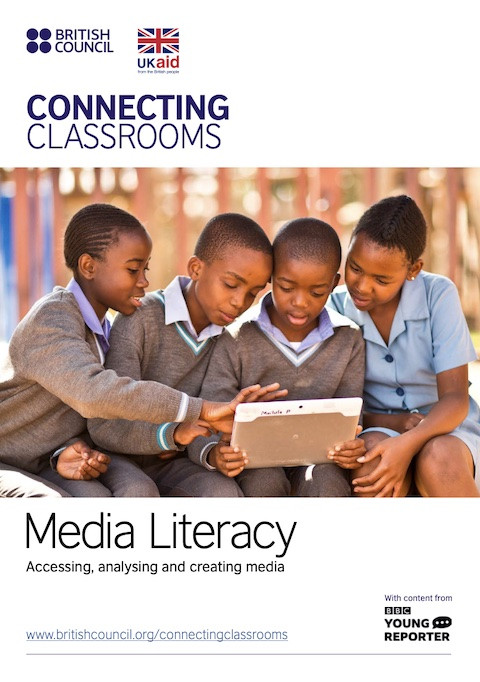 Connecting Classrooms: Media Literacy; Accessing, Analysing and Creating Media Год публикации: 2019 Организация-автор: British Council | UK aid This resource aims to help young people develop and use a number of skills and approaches to analyse and critically examine information received through a range of channels and sources, such as the internet, social media, newspapers and TV.
  Citoyenneté mondiale: Une définition ignatienne Год публикации: 2019 Организация-автор: Educate Magis Sont citoyens du monde ceux qui recherchent en permanence à approfondir leur propre conscience de leur place et de leur responsabilité, localement et globalement, dans un monde de plus en plus interconnecté ; sont citoyens du monde ceux qui sont solidaires des autres dans la poursuite d’une terre durable et d’un monde plus humain, comme véritables compagnons dans la mission de réconciliation et de justice. La Taskforce du Secrétariat sur la Citoyenneté Mondiale offre une définition ignatienne de la citoyenneté mondiale, ainsi que quelques questions directrices et un cadre pour intégrer les PAU et la Charte d’Engagements JESEDU-Rio2017 à les dimensions mondiale dans nos écoles jésuites. Ce travail intègre et s’appuie sur le matériel existant sur la citoyenneté mondiale rassemblé par la communauté mondiale.
  Kit: Les clés des mouvements citoyens auto-organisés Организация-автор: L'accélérateur de la mobilisation (France) Ce kit gratuit vous donne les clés de ces mouvements auto-organisés, leurs limites et des pistes d’idées pour s’en inspirer, à partir du travail d’accompagnement de l’Accélérateur de la mobilisation avec les Jeunes pour le climat et l’analyse de mouvements auto-organisés récents comme #BalanceTonPorc ou les Gilets Jaunes.
  12 Claves para fortalecer la educación ciudadana en Chile Год публикации: 2021 Организация-автор: Programa de las Naciones Unidas para el Desarrollo (PNUD) Conjunto de claves dirigidas a responsables de generar políticas, directivos escolares, docentes, estudiantes, padres y apoderados para implementar la educación ciudadana en sus comunidades educativas. Esta guía está pensada para promover la reflexión crítica entre los generadores de políticas y en las distintas comunidades educacionales a partir de una visión integral que enfatiza el protagonismo de las comunidades educativas en la toma de decisión relativa a los procesos de enseñanza, aprendizaje y gobernanza escolar.
 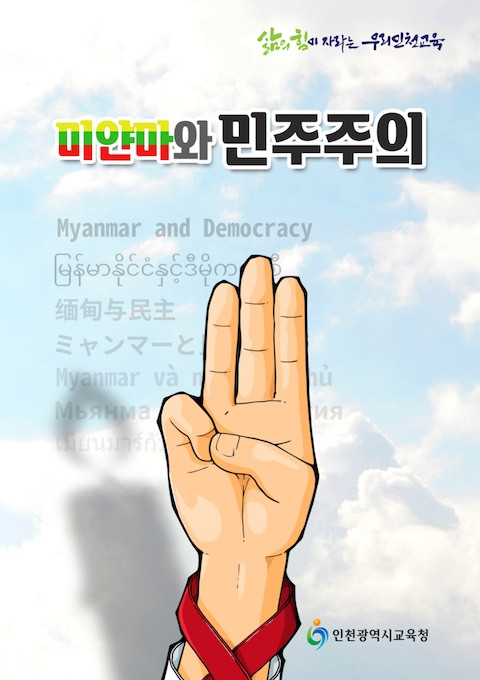 미얀마와 민주주의 Год публикации: 2021 Организация-автор: 인천광역시교육청 본 교수·학습 자료는 학생용 자료로 공감, 이해, 행동 총 3차시로 나누어, 현재 미얀마에서 벌어진 군부 쿠테타와 이에 저항하는 시민불복종 운동을 민주주의와 평화의 가치를 통해 이해하고 동아시아시민으로서 연대하고 실천하도록 구성하였다.
  나는 디지털 시민인가 (디지털 시민총서; 1) Год публикации: 2020 Автор: 김양은 Организация-автор: 방송통신위원회 | 한국지능정보사회진흥원 본 자료는 디지털 시대가 요구하는 디지털 시민성, 그리고 디지털 시민이 알아야 할 디지털 사회의 다양한 모습을 살펴보도록 구성하였다.
  Guidelines for Teachers: How to Spot and Fight Disinformation Год публикации: 2021 Организация-автор: European Commission This toolkit is designed to introduce young people to the phenomenon of disinformation – conveying an understanding of the threats it poses, explaining how pupils can find out more and protect themselves from it, and providing an opportunity to look in more depth at particular examples. The toolkit is open and free to use for any educational establishment. Although it can be adjusted and tailored for any age group, the main target group is teenagers from 15 to 18 years old.
  Chouette, pas chouette: Livret pédagogique; Activités d’éducation aux médias et à l'information sur le thème de l’égalité filles-garçons Год публикации: 2021 Организация-автор: Centre pour l’éducation aux médias et à l’information (CLEMI) Chouette, pas chouette ! une série de 16 programmes courts animés pour sensibiliser les 4-6 ans aux stéréotypes sexistes avec intelligence et humour a été réalisée avec l’appui de l’expertise pédagogique du CLEMI. C’est aussi un univers peuplé de personnages attachants, décliné en un livret pédagogique pour permettre aux professeurs des écoles de développer leurs actions en éducation aux médias et à l'information sur le thème de l’égalité filles/garçons, de la maternelle à la 6e.
  지속가능발전교육 지도자료: 중학교 1~3학년용 Год публикации: 2020 Автор: 박성은 | 박에스더 | 승현아 | 은정매 | 이수종 | 전명재 | 정은경 Организация-автор: 서울특별시교육청 본 자료는 중학생의 지속가능발전과 생태환경에 대한 인식을 제고하기 위해 학교 생태전환교육에 활용할 수 있다.
  2020 다문화교육 정책학교 운영 가이드라인: 초·중등 Год публикации: 2020 Организация-автор: 국가평생교육진흥원 본 자료는 다문화교육 정책학교 담당교원의 사업에 대한 이해를 제고하고 운영에 도움을 주고자 한다. 다문화교육 정책학교 운영 시 방향을 설정할 수 있는 가이드라인과 참고자료 및 현장의 다양한 운영사례 등을 제시하고 있다.