
Ресурсы
Изучайте широкий спектр ценных ресурсов ВГГ, чтобы углубить своё понимание и повысить эффективность исследований, просветительской деятельности, преподавания и обучения.
Найдено: 2,162
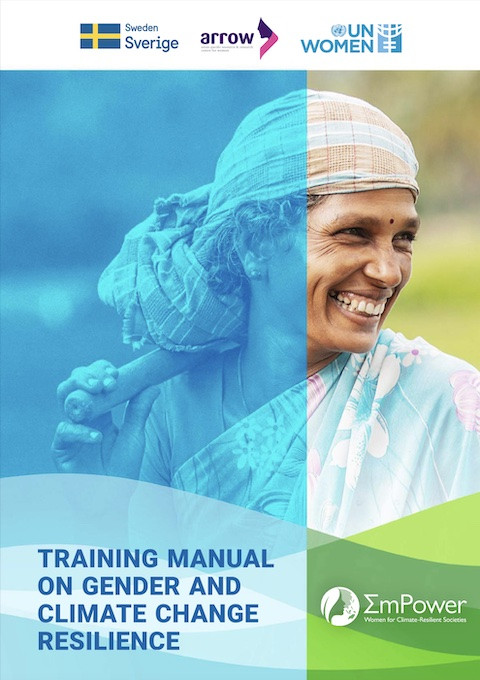 Training Manual on Gender and Climate Change Resilience Год публикации: 2021 Автор: Dharmistha Chauhan Организация-автор: Asian-Pacific Resource & Research Centre for Women (ARROW) | United Nations Entity for Gender Equality and the Empowerment of Women (UN Women) This Training Manual on Gender and Climate Change Resilience is designed for use by Civil Society Organizations (CSOs) in Asia working with communities on gender, climate change resilience and disaster risk reduction. The manual aims to strengthen the capacities of CSOs to mainstream gender in their practices and to actively advocate for gender mainstreaming in policies, programmes, projects and legislation. The long-term objective is to promote climate resilience action on the ground with a gender equality perspective in the forefront.
  Gender and Climate Change: Training Handbook Год публикации: 2018 Автор: Višnja Baćanović | Jasmina Murić Организация-автор: United Nations Entity for Gender Equality and the Empowerment of Women (UN Women) | Government of Serbia | United Nations Development Programme (UNDP) This handbook aims to improve the understanding of gender aspects in climate change. It is intended for experts and interested public, and is organized as a training program for male and female representatives of institutions and state administration, so that it may can be used as a source for practical training, as well as a guide for the introduction of gender perspective in programs and projects.The manual is organized according to thematic units of training and includes basic concepts, gender roles and stereotypes; key gender aspects of climate change; legal and strategic frameworks; and the introduction of gender perspectives in policies and programs in the field of climate change.
 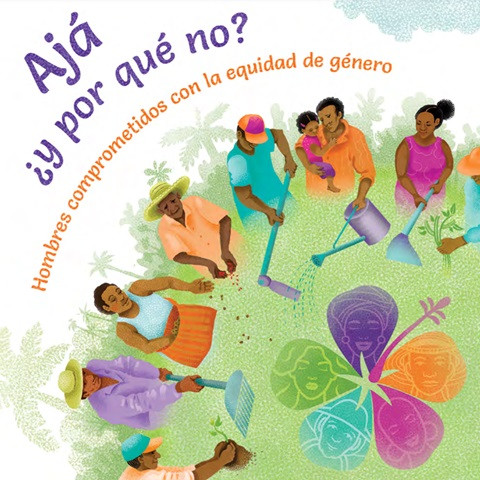 Aha, and Why Not? Men Committed to Gender Equality Год публикации: 2024 Автор: María Camila Barrera Gutiérrez | Nyria Ramírez Ortega Организация-автор: Center for Research and Popular Education / Program for Peace (CINEP/PPP) This political-methodological booklet has been prepared by the Caribbean Women's Coalition for Land and Territory within the framework of the Stand For Her Land – S4HL Colombia campaign. The purpose of this document is to make available to social organizations, popular educators, teachers, leaders, human rights defenders and facilitators of this training process that has been a communication and popular education initiative to promote community dialogues on non-violent masculinities. The strategy presented here is made up of two inputs: a sound series composed of five chapters and a methodological proposal to address them through community dialogue exercises. Ajá ¿y por qué no? Hombres comprometidos con la equidad de género Год публикации: 2024 Автор: María Camila Barrera Gutiérrez | Nyria Ramírez Ortega Организация-автор: Center for Research and Popular Education / Program for Peace (CINEP/PPP) Esta cartilla político-metodológica ha sido elaborada por la Coalición de Mujeres del Caribe por la Tierra y el Territorio en el marco de la campaña Stand For Her Land – S4HL Colombia. Este documento tiene por objetivo poner a disposición de organizaciones sociales, educadoras(es) populares, docentes, lideres, lideresas, defensoras(es) de derechos humanos y facilitadoras(es) de este proceso de formación que ha sido una iniciativa de comunicación y educación popular para promover diálogos comunitarios sobre masculinidades no violentas. La estrategia que aquí presentamos se compone de dos insumos: una serie sonora compuesta por cinco capítulos y una propuesta metodológica para abordarlos a través de ejercicios comunitarios de diálogo.
  Working On Emotions, Advancing Equality: Learning Situations Год публикации: 2024 Автор: Marta Álvarez | María Burgos | Ricardo Hurtado | Francisca Marañón | Laura Seoane Организация-автор: InteRed This publication proposes several learning situations to be carried out in the classroom and in other socio-educational spaces with the aim of understanding and managing the emotions that underlie attitudes and behaviours that generate violence, discrimination and inequality. This proposal continues the work that we at InteRed have been doing to generate in people the capacities to position themselves in the current system of inequalities from a social justice perspective, without losing confidence that another model of development that is more fair, equitable and sustainable is possible. In this process of capacity building, we believe it is essential to address the management of emotions. Trabajando emociones, avanzando en igualdad: Situaciones de aprendizaje Год публикации: 2024 Автор: Marta Álvarez | María Burgos | Ricardo Hurtado | Francisca Marañón | Laura Seoane Организация-автор: InteRed Esta publicación propone varias situaciones de aprendizaje para realizar en el aula y en otros espacios socioeducativos con el objetivo de comprender y manejar las emociones que están en la base de actitudes y comportamientos que generan violencia, discriminación y desigualdad. Esta propuesta da continuidad al trabajo que desde InteRed venimos realizando de generar en las personas capacidades para posicionarse en el actual sistema de desigualdades desde un enfoque de justicia social, sin perder la confianza de que es posible otro modelo de desarrollo más justo, equitativo y sostenible. En ese proceso de generación de capacidades creemos imprescindible abordar la gestión de las emociones.
  Gender and Recovery Toolkit: Advancing Gender Equality and Women’s Empowerment in Crisis and Recovery Settings; Updated 2024 Год публикации: 2024 Организация-автор: United Nations Development Programme (UNDP) The Gender and Recovery toolkit is a practical resource in the hands of UNDP personnel to help government, civil society and other partners put gender equality at the core of immediate and long-term recovery processes. It shows how to incorporate gender perspectives and women’s participation throughout the recovery programme cycle – from assessment, strategic planning and framing of results to budgeting and implementation, and monitoring and evaluation.The toolkit emphasizes the need to address the root causes of gender inequality and fragility by transforming power dynamics. It advocates for approaches that go beyond increasing women’s representation, focusing on tackling masculinities and reshaping institutions, behaviors, and norms. It underscores the importance of holistic strategies to address the interconnected challenges of climate change, peacebuilding, and gender equality in crisis contexts, highlighting the role of technology and innovative programming in empowering women. The seven guidance notes and tip sheets incorporate recent updates to global policy frameworks with updated indicators and robust data sources. While primarily designed for UNDP practitioners, this resource is valuable for all partners in crisis and recovery settings.
  2025 세계시민교육 기본 계획 Год публикации: 2025 Организация-автор: 서울특별시교육청 <목차> Ⅰ. 추진 배경 및 목적Ⅱ. 추진 근거Ⅲ. 추진 과제Ⅳ. 세부 추진 계획핵심과제 1. 학교교육과정을 통한 세계시민성 함양 핵심과제 2. 세계시민교육 실천역량 강화 핵심과제 3. 세계시민교육 네트워크 구축Ⅴ. 기대 효과<부록> 참고자료 8
 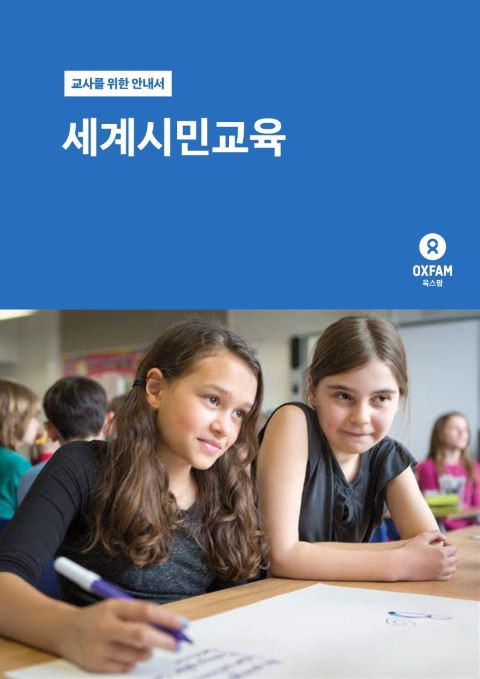 교사를 위한 안내서: 세계시민교육 Год публикации: 2025 Организация-автор: 옥스팜 빠르게 변하는 ‘세계화’의 세상은 청소년들에게 엄청난 기회와 함께 그에 못지 않은 수많은 도전 과제를 주고 있습니다. 옥스팜은 세계 시민 교육을 통해 청소년들에게 교육분쟁, 기후변화, 불평등과 빈곤 등 전 세계에서 일어나고 있는 기회와 도전을 받아들이고, 나아가 자신이 살고 싶은 세상을 만들어 나갈 수 있도록 관련된 지식, 기술, 가치를 교육받을 권리를 실현시킬 수 있도록 지원합니다. 이슈 트리, 결과의 바퀴, 역할 놀이 등 옥스팜이 소개하는 구체적인 활동안을 활용해 학생들과 함께 유익한 세계 시민 교육을 진행해 보세요. 주요 내용 세계 시민의식 키우기 세계 시민의식에서 중요한 개념들 교실 수업에서 세계 시민의식 키우기 학습과 의사 결정에 참여하기 질문하기 연관성 찾기 관점과 가치 탐구하기 세계 시민으로서 적극적으로 행동하기 수업 평가하기
 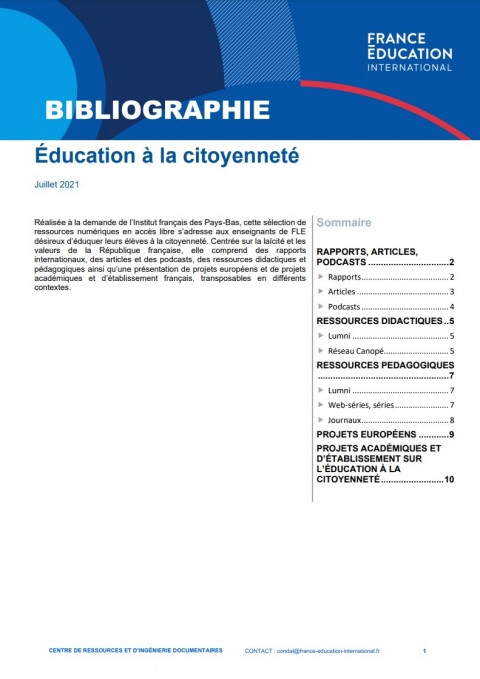 Bibliography: Citizenship Education Год публикации: 2021 Организация-автор: France Education International Prepared at the request of the French Institute of the Netherlands, this selection of freely accessible digital resources is aimed at French as a Foreign Language (FLE) teachers who wish to educate their students about citizenship. Focused on secularism and the values of the French Republic, it includes international reports, articles and podcasts, didactic and pedagogical resources, as well as presentations of European projects and French academic and school projects that can be adapted to various contexts.