
Ресурсы
Изучайте широкий спектр ценных ресурсов ВГГ, чтобы углубить своё понимание и повысить эффективность исследований, просветительской деятельности, преподавания и обучения.
Найдено: 3,797
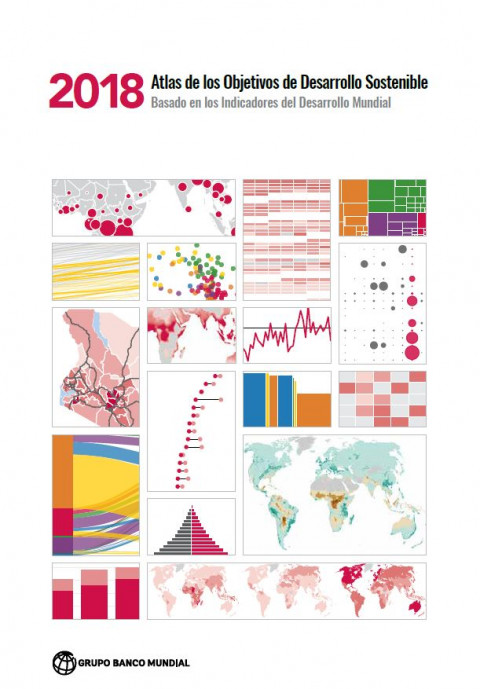 Atlas de los Objetivos de Desarrollo Sostenible 2018 Год публикации: 2018 Организация-автор: البنك الدولي للانشاء والتعمير En el Atlas de los Objetivos de Desarrollo Sostenible 2018 se presentan mapas, gráficos e historias relacionadas con los ODS.Los datos provienen de la base de datos de los WDI. Atlas des Objectifs de développement durable 2018 Год публикации: 2018 Организация-автор: البنك الدولي للانشاء والتعمير L’Atlas des Objectifs de développement durable 2018 présente des cartes, des diagrammeset des histoires concernant les Objectifs de développement durable (ODD).Les informations s’appuient sur la base de données des Indicateurs du développement dans le monde (WDI). أطلس أهداف التنمية المسـتدامة 2018 من مؤ ات التنمية العالمية Год публикации: 2018 Организация-автор: البنك الدولي للانشاء والتعمير يعرض أطلس أهداف التنمية المستدامة 2018 خرائط ورسوما بيانية وقصصا متعلقة بأهداف التنمية المستدامة. وهو يناقش االتجاهات والمقارنات وقضايا القياس باستخدام بيانات مرئية يمكن الوصول إليها وتبادلها. وتستند البيانات على قاعدة بيانات مؤشرات التنمية العالمية Atlas of the Sustainable Development Goals 2018 Год публикации: 2018 Организация-автор: البنك الدولي للانشاء والتعمير Atlas of the Sustainable Development Goals 2018 presents maps, graphs and stories related to the SDGs. It discusses trends, comparisons and measurement issues using visible and accessible data. The data are based on the World Development Indicators database.
  Out-of-School Children and Adolescents: Left Behind on the Road to Learning Opportunities for All Год публикации: 2017 Организация-автор: UNESCO Institute for Statistics (UIS) | UNESCO Bangkok This document shows the most recent data from UIS (2017) on the rates and numbers of out-of-school children and adolescents since 2000, first globally and then within this region, examining common characteristics these young people share to provide insights into which groups are more likely to find themselves excluded from national education systems. The focus then turns to a closer examination of the obstacles out-of-school children and adolescents face in this regard and introduces educational programmes that can help them overcome these challenges. URL:http://www.flexlearnstrategies.net/out-of-school-children-and-adolescents-left-behind-on-the-road-to-learning-opportunities-for-all-2/
 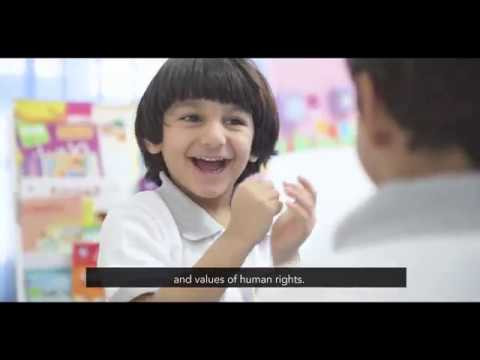 [Video] أكبر درس عالمي ٢٠١٨- أهداف التنمية المستدامة Год публикации: 2018 Организация-автор: Oman. Ministry of Education هذا الفيديو من انتاج وزارة التربية والتعليم بسلطنة عمان ، ويتحدث عن الأهداف التي ترنو لها وزارة التربية واتلعليم لتحقيق مفهوم التنمية المستدامة في الحقل البتربوي [Video] World's Biggest Lesson 2018 - Sustainable Development Goals Год публикации: 2018 Организация-автор: Oman. Ministry of Education This video is produced by the Ministry of Education in the Sultanate of Oman, and talks about the objectives of the Ministry of Education to achieve the concept of sustainable development in the field of education.
  Identity, DNA Typing and Citizenship: Philosophical Reflections Год публикации: 2010 Автор: Marie-Hélène Parizeau Организация-автор: Sociologie et sociétés In a context of globalization, migratory flows and the hunt for terrorists, how are biometrics, and, more specifically, the notion of the human DNA Typing, changing the individual’s relationship to his or her citizenship ?To try to answer this question, we review some of the theoretical aspects of citizenship and briefly outline the history of identification measures linked to the advent of citizenship. We then examine the current context of the use of biometrics for identification purposes and the reasons for its use as cited by the European Community and the United States. We more particularly look at the case of the human DNA Typing, using examples from Canada and the United States. The genetic footprint is related to personal identity based on Paul Ricoeur’s concept of narrative identity. We show how the ethno-racial criteria used by biometrics, together with the ideology of multiculturalism, are constructing, in the West, a new narration of the Other, of foreigners, which excludes them from the sphere of citizenship. Identité, empreinte génétique et citoyenneté: réflexions philosophiques Год публикации: 2010 Автор: Marie-Hélène Parizeau Организация-автор: Sociologie et sociétés Dans quelle mesure la biométrie, et plus spécifiquement l’empreinte génétique, dans un contexte de globalisation, de flux migratoires, et de chasse au terrorisme, vient-elle modifier le rapport de l’individu à sa citoyenneté ?Pour tenter de répondre à cette question, nous rappellerons quelques aspects théoriques de la citoyenneté. L’historique des mesures d’encartement liées à l’avènement de la citoyenneté y sera aussi rapidement présenté. Nous évoquerons ensuite le contexte actuel de l’usage de la biométrie à des fins d’identification et les motifs invoqués par la Communauté européenne et les États-Unis. Nous examinerons plus attentivement le cas précis de l’empreinte génétique avec les exemples du Canada et des États-Unis. Finalement, l’empreinte génétique et l’identité personnelle seront mises en relation à partir du concept d’identité narrative de Paul Ricoeur. Nous montrerons comment les critères ethno-raciaux utilisés par la biométrie ; concomitamment avec l’idéologie du multiculturalisme ; construisent une nouvelle narration occidentale de l’Autre, qui l’exclut de la sphère de la citoyenneté.
 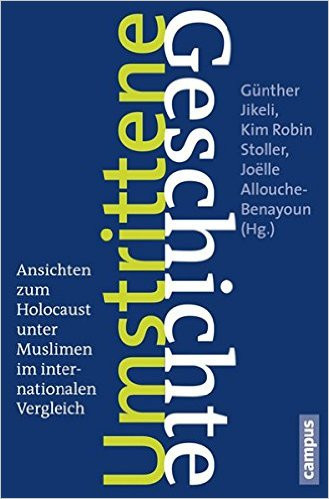 Umstrittene Geschichte: Ansichten zum Holocaust unter Muslimen im internationalen Vergleich The article relates a qualitative study carried out alongside an educational project for multiplicators. It is an experimental encounter programme between Israeli Jews and Palestinians from Israel, dealing together with the history and the memory of the Holocaust, and also with the Israeli-Palestinian conflict and the Nakba. The programme can be considered an experience located at the intersection of Peace Education and Holocaust Education; it lasted over a year and included a study trip to Berlin. The research is based on three series of interviews with the participants, including during the study-trip to Berlin. The findings point to questions of identity-building during the process, recognizing victims’ experiences rather than victims’ identities, processes of inclusion and distancing, and dilemmas faced by the participants when dealing together with the history and the memory of the Holocaust. The contribution shows possible objectives and limits of such a project, as well as the necessary conditions for the emergence of a culture of mutual recognition, without negating the asymmetrical character of the prevailing situation, nor comparing sufferings, nor equating historical facts. It shows that focusing on perpetrators and bystanders, rather than only on victims, can bring common insights for both sides. (By the author)