
Ресурсы
Изучайте широкий спектр ценных ресурсов ВГГ, чтобы углубить своё понимание и повысить эффективность исследований, просветительской деятельности, преподавания и обучения.
Найдено: 1,322
 الحقوق الاقتصادية والاجتماعية والثقافية: دليل للمؤسسات الوطنية لحقوق الإنسان Год публикации: 2005 Организация-автор: UN. Office of the United Nations High Commissioner for Human Rights (UN. OHCHR) يستعرض المنشور حقوق الانسان الاقتصادية والاجتماعية والثقافية، وهو دليل للمؤسسات الوطنية انتجته الأمم المتحدة. ويعتبر الدليل مرجع في جميع ما يخص الحقوق لإيجاد حياة كريمة للإنسان، وتوضيح الدور الذي يجب أن تلعبه الحكومات في ذلك.مهام والصلاحيات الممنوحة لها في مجال الحقوق الاقتصادية والاجتماعية والثقافية، وهدفه هو مساعدة تلك المؤسسات على تطوير سياسات وعمليات ومهارات لمواصلة إدماج تلك الحقوق في عملها، وبالتالي تمكينها من معالجة الفقر والتنمية، وذلك على سبيل المثال، من خلال إطار قوامه الحقوق الاقتصادية والاجتماعية والثقافية.يتناول الدليل الطرق التي يمكن بها للمؤسسات الوطنية لحقوق الإنسان أن تصبح أكثر فعالية في حماية وتعزيز الحقوق الاقتصادية والاجتماعية والثقافية، ويطرح الكيفية التي تفسر بها ولايتها القانونية، بحيث يتسنى لها إدماج الحقوق الاقتصادية والاجتماعية والثقافية ضمن نطاق سلطتها، والكيفية التي يمكنها أن تحسن بها أداء مهامها وصلاحياتها فيما يتعلق بهذه الحقوق. وعلى الرغم من أن الدليل يستهدف حماية وتعزيز الحقوق ااقتصادية والاجتماعية والثقافية على وجه التحديد، إلا أنه يهتم ـ أيضا ـ بعمل المؤسسات الوطنية لحقوق الإنسان فيما يتعلق بالحقوق المدنية والسياسية.
  Technical and Vocational Education and Training in Tajikistan and Other Central Asian countries. Main Results and Policy Directions Год публикации: 2021 Организация-автор: Asian Development Bank (ADB) This publication is an analysis of the technical and vocational education and training (TVET) system and its effectiveness in Tajikistan and other Central Asian countries, with recommendations for policy makers and implementers. It shows the importance of TVET and the urgent need for its improvement in the context of labor market needs and responses to the Sustainable Development Goals. Техническое и профессиональное образование и обучение в Таджикистане и других странах Центральной Ази. Основные результаты и направления политики Год публикации: 2021 Организация-автор: Asian Development Bank (ADB) Эта публикация представляет собой анализ системы технического и профессионального образования и обучения (ТПОО), их эффективности в Таджикистане и других странах Центральной Азии, содержит рекомендации для тех, кто разрабатывает политику в этой области и тех, кто ее внедряет. Она показывает важность ТПОО и острую необходимость в его совершенствовании в контексте потребностей рынка труда и реагирования на Цели устойчивого развития.
  Advancing a Just Energy Transition in Central Asia: Women’s Key Role in the Energy Sector Год публикации: 2024 Организация-автор: Организация по безопасности и сотрудничеству в Европе (ОБСЕ) | Global Women’s Network for the Energy Transition (GWNET) The OSCE study analyzes the socio-economic benefits of the energy transition for the five OSCE participating States in the region. It provides specific considerations for the strategic development of an appropriately skilled labour force and also contains critical yet unpublished data on the job creation potential of renewable energy in each Central Asian country. На пути к справедливому энергетическому переходу в Центральной Азии : ключевая роль женщин в энергетике Год публикации: 2024 Организация-автор: Организация по безопасности и сотрудничеству в Европе (ОБСЕ) | Глобальная женская сеть по энергетическому переходу (GWNET) Исследование ОБСЕ анализирует социально-экономические выгоды энергетического перехода для пяти государств-участников ОБСЕ в регионе. В нем представлены конкретные соображения по стратегическому развитию квалифицированной рабочей силы, а также содержатся важные, но неопубликованные данные о потенциале создания рабочих мест в области возобновляемых источников энергии в каждой стране Центральной Азии.
 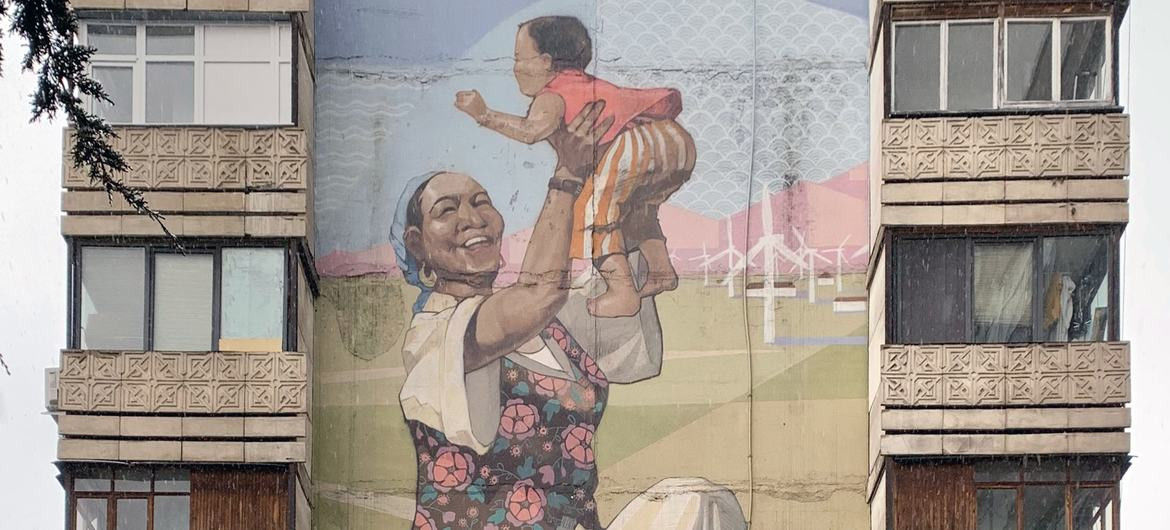 Gender Equality: A Large-Scale Study by the UN and the Government of Kazakhstan Год публикации: 2024 Организация-автор: Организация Объединённых Наций (ООН) Women in Kazakhstan have enough rights and opportunities – 73% of the country's male population believes so. Among women, about 58 percent of participants in a large-scale sociological study on gender equality, which was recently conducted in Kazakhstan with the support of the UN Women structure and the UN Development Program. Гендерное равенство: масштабное исследование ООН и правительства Казахстана Год публикации: 2024 Организация-автор: Организация Объединённых Наций (ООН) Женщины в Казахстане имеют достаточно прав и возможностей – так считает 73 процента мужского населения страны. Среди женщин такого мнения придерживаются около 58 процентов участниц масштабного социологического исследования о гендерном равенстве, которое было проведено недавно в Казахстане при поддержке структуры «ООН-женщины» и Программы развития ООН.
 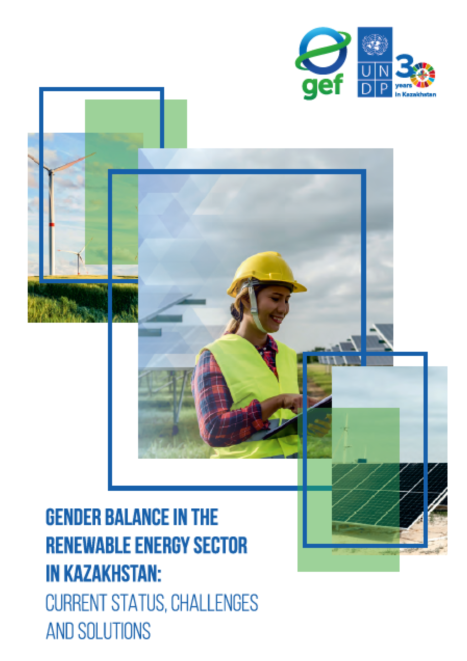 Gender Balance in the Renewable Energy Sector in Kazakhstan: Current Status, Challenges and Solutions Год публикации: 2023 Организация-автор: UNDP Kazakhstan The report thoroughly examines the gender balance within the RE sector in Kazakhstan. It encompasses the current status, challenges, and solutions for enhancing gender balance in this sphere. The report consists of two parts: (1) an Overview of gender balance status and recommendations for the energy industry in the Republic of Kazakhstan; and (2) an Analysis of legislation and regulatory acts in the field of gender equality.
  ANALYSIS of the Rules for the Prevention of Bullying of a Child, Approved by Order No. 506 of the Minister of Education of the Republic of Kazakhstan dated December 21, 2022 Год публикации: 2022 Автор: Шайдуллина Венера Камилевна Организация-автор: Кадыр-касиет The focus of this document is to assess the potential effectiveness of the measures provided for by the Rules to counter child bullying. The analysis made it possible to formulate a number of practical recommendations for improving legislation in this area. Анализ Правил профилактики травли (буллинга) ребенка, утвержденных Приказом Министра просвещения Республики Казахстан от 21 декабря 2022 года № 506 Год публикации: 2022 Автор: Шайдуллина Венера Камилевна Организация-автор: Кадыр-касиет Фокус настоящего документа – оценка потенциальной эффективности предусмотренных Правилами мер по противодействию травле ребенка. Проведенный анализ позволил сформулировать ряд практических рекомендаций по совершенствованию законодательства в рассматриваемой сфере.