
Ресурсы
Изучайте широкий спектр ценных ресурсов ВГГ, чтобы углубить своё понимание и повысить эффективность исследований, просветительской деятельности, преподавания и обучения.
Найдено: 3,385
 Raising Awareness and Promoting Global Citizenship to Realize the 2030 Agenda Год публикации: 2019 Автор: Laurel Wayne-Nixon | Tanya Wragg-Morris | Anjali Mishra | Dawson Markle | Shannon Kindornay Организация-автор: British Columbia Council for International Cooperation (BCCIC) | Conseil canadien pour la coopération internationale (CCCI) Socializing the 2030 Agenda for Sustainable Development among citizens, parliamentarians, government institutions, civil society, academia, the private sector, trade unions and others provides a basis for stakeholders to identify their priorities and contribute to sustainable development as global citizens. Based on a review of good practices emerging from around the world, this policy brief offers recommendations on how governments can raise awareness of the 2030 Agenda and support global citizenship. Sensibilisation et promotion de la citoyenneté mondiale pour réaliser le Programme 2030 au Canada Год публикации: 2019 Автор: Laurel Wayne-Nixon | Tanya Wragg-Morris | Anjali Mishra | Dawson Markle | Shannon Kindornay Организация-автор: British Columbia Council for International Cooperation (BCCIC) | Conseil canadien pour la coopération internationale (CCCI) Faire connaître le Programme de développement durable à l’horizon 2030 aux citoyens, aux parlementaires, aux institutions gouvernementales, à la société civile, au milieu universitaire, au secteur privé, aux syndicats et à d’autres acteurs constitue une base pour les parties prenantes afin de déterminer leurs priorités et contribuer au développement durable en tant que citoyens du monde. Fondée sur un examen des bonnes pratiques émergentes du monde entier, la présente note d’information contient une série de recommandations sur les façons dont les gouvernements peuvent accroître la sensibilisation au Programme 2030 et soutenir la citoyenneté mondiale.
  Global Citizenship Education at the Crossroads: Globalization, Global Commons, Common Good, and Critical Consciousness (Prospects; Vol.48) Год публикации: 2020 Автор: Carlos Alberto Torres | Emiliano Bosio Организация-автор: Springer Nature This article-dialogue addresses current criticisms of global citizenship and challenges frequent misinterpretations of Global Citizenship Education (GCE), while discussing what it means to educate for critical global citizenry in an increasingly multicultural world. It starts by considering the phenomena of globalization and the UN Global Education First Initiative (GEFI), which aims at furthering global citizenship, to highlight the relationship between GCE, “global-peace”, global commons, and common good. Building on the assumption that GCE should be about learners’ emancipation toward critical consciousness, the dialogue concludes drawing a parallel between the “mission” of GCE in contemporary educational institutions and Paulo Freire’s notion of critical consciousness.
 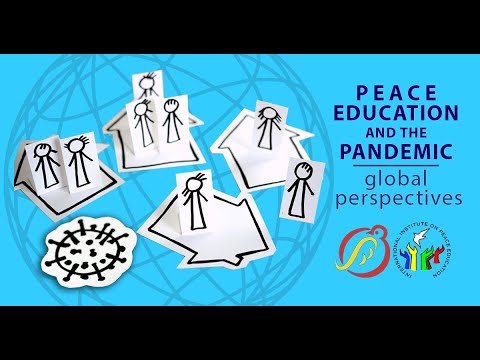 Peace Education and the Pandemic: Global Perspectives Год публикации: 2020 Организация-автор: International Institute on Peace Education (IIPE) This April 13 webinar, co-organized by the International Institute on Peace Education and Global Campaign for Peace Education, is an opportunity to learn, hear, and share with and from peace educators from around the world about how they are responding, adapting, and rethinking urgent agendas for peace education revealed by the global coronavirus pandemic.
  미래사회를 위한 세계시민교육 재개념화 연구 Год публикации: 2018 Автор: 조윤정 | 이지영 | 권순정 | 서화진 | 윤선인 Организация-автор: 경기도교육연구원 교통 및 통신의 발달로 국가 간 상호연결성이 증대되고 새로운 국제문제들이 발생하면서 국가 내의 계층적, 문화적, 인종적 갈등과 공존의 문제가 아니라 국가를 넘어서 전 지구적 문제 해결을 위해 전 지구적 수준의 연대와 협력을 강조하는 교육에 대한 필요성이 증대되고 있다. 특히 미래사회에는 불평등의 심화와 환경생태계의 위기, 그리고 세계화의 심화로 발생하는 다양한 문제 등으로 인하여 전 지구적 수준의 연대와 협력을 통해 문제를 해결할 필요성이 높아지고 있다. 그런 의미에서 세계시민교육은 미래사회를 살아갈 구성원들에게 꼭 필요한 교육이라고 할 수 있다. 그러나 세계시민교육의 개념에 대한 이론적 합의가 이루어지지 못하고 있으며 세계시민교육에 대한 지나치게 폭넓은 스펙트럼이 존재하기 때문에 세계시민교육에 대한 오해와 오개념을 불러일으키고 있다. 보다 구체적으로 표현하면, 학교현장에서는 세계시민성 개념을 이해하기 어렵고 다문화교육, 인권교육, 평화교육, 국제이해교육, 지속가능발전교육 등 유사개념과의 명확한 구분 없이 세계시민교육이라는 용어를 사용함으로써 세계시민교육을 구호나 국제교류와 관련된 교육이나 기존의 다문화교육이나 지속가능발전교육의 새로운 이름으로 오해하는 상황이 벌어지고 있다. 이로 인하여 학교현장에서는 세계시민교육의 원래의 취지와 방향성에서 벗어나는 내용으로 수업이나 프로그램을 구성하고 있으며 이러한 사례가 확산되면서 세계시민교육에 대한 오개념이 고착화되고 있다. 이처럼 세계시민교육에 대한 정확하고 명료한 이해를 방해하고, 세계시민교육의 실천기반을 약화시키면서 학교현장에서의 풍부한 실천을 저해하고 있는 상황에서 세계시민의 취지와 목적에 부합하는 실천이 이루어질 수 있도록 세계시민교육에 대한 재개념화 작업을 실시할 필요가 있는 것이다.본 연구의 목적은 세계시민교육에 대한 재개념화를 통해 세계시민교육의 이론적 기반과 개념을 명확히 정립하고, 이를 통해 세계시민교육 실천현장에 실천기준과 방향성을 제시하고자 하는 것이다. 이러한 연구목적을 달성하기 위해 설정한 연구문제는 다음과 같다.첫째, 세계시민교육에 대한 재개념화를 통해 도출한 세계시민교육의 정의, 세계시민성의 구성요소 및 속성, 영역상 강조점과 세계시민교육의 특징은 무엇인가?둘째, 학교현장에서 이루어지고 있는 세계시민교육의 실천사례는 어떠한가?셋째, 재정립된 세계시민교육 개념을 학교현장에 정착시키고 세계시민교육을 활성화하기 위한 정책적 방향성과 정책과제는 무엇인가?
  BRIGHTS Course Curriculum Год публикации: 2017 Автор: Federica Funghi | Francesca Vannucchi Организация-автор: Brights Project | European Union (EU) | European Commission This document presents the organization of the course to be delivered in the framework of the BRIGHTS project by specifying its diverse phases, the objectives and the learning outcomes, the kind of contents to be issued and how the participants (Teachers and Trainers working with youth) will be involved.
  Do All Students Have Equal Opportunities to Learn Global and Intercultural Skills at School? (PISA in Focus; No.109) Год публикации: 2020 Автор: Tarek Mostafa Организация-автор: Organisation for Economic Co-operation and Development (OECD) Many education systems seek to create an open, diverse and tolerant society, as education can play a significant role in countering racial, ethnic and national prejudice among children and adolescents. Education for living in an interconnected and diverse world could also contribute to forming generations of citizens who care about global and intercultural issues and who are able and willing to take action for sustainable development and collective well-being.In its 2018 assessment, PISA assessed the competences needed to live in an interconnected and diverse world. Global competence is defined in PISA 2018 as a multi-dimensional capacity that encompasses the ability to: 1) examine issues of local, global and cultural significance; 2) understand and appreciate the perspectives and worldviews of others; 3) engage in open, appropriate and effective interactions across cultures; and 4) take action for collective well-being and sustainable development. This PISA in Focus examines the equity of the learning opportunities for global and intercultural skills.
 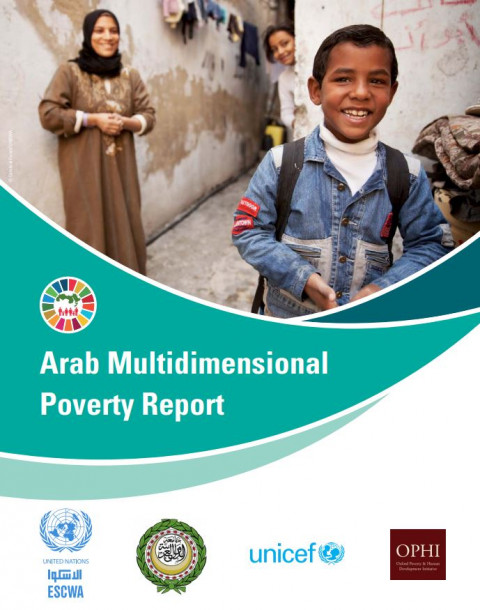 التقرير العربي حول الفقر المتعدد الابعاد Год публикации: 2017 Организация-автор: UN. Economic and Social Commission for Western Asia (UN. ESCWA) | United Nations Children's Fund (UNICEF) | Oxford Poverty and Human Development Initiative (OPHI) التقرير العربي حول الفقر المتعدد الأبعاد هو الأول من نوعه منذ إطلاق خطة عام 2030. ونتج التقرير عن تعاون استمر لثلاثة أعوام بين المجلس الوزاري للشؤون الاجتماعية في جامعة الدول العربية، ولجنة الأمم المتحدة الاقتصادية والاجتماعية لغربي اسيا (الإسكوا)، ومنظمة الأمم المتحدة للطفولة (اليونيسف)، ومبادرة أكسفورد للفقر والتنمية البشرية. Arab Multidimensional Poverty Report Год публикации: 2017 Организация-автор: UN. Economic and Social Commission for Western Asia (UN. ESCWA) | United Nations Children's Fund (UNICEF) | Oxford Poverty and Human Development Initiative (OPHI) The Arab Multidimensional Poverty Report, the first of its kind following the launch of the 2030 Agenda, is the result of three years of collaboration between the League of Arab States’ Council of Arab Ministers for Social Affairs, the Economic and Social Commission for Western Asia (ESCWA), the United Nations Children's Fund (UNICEF), and Oxford Poverty and Human Development Initiative (OPHI).
 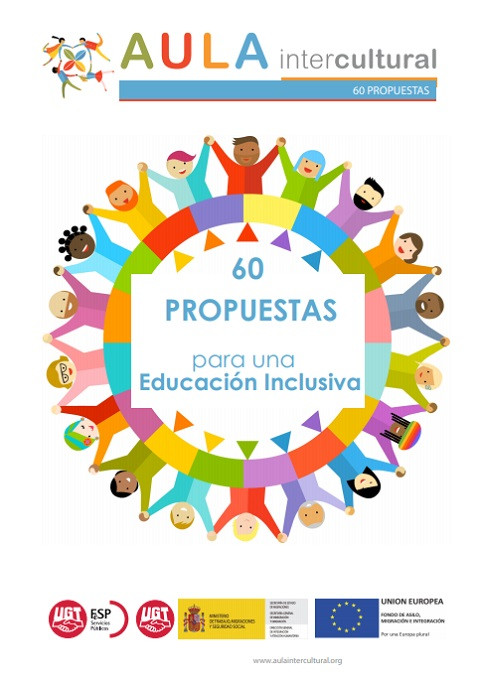 60 Proposals for Inclusive Education Год публикации: 2019 Организация-автор: Secretaría de Mujer y Políticas Sociales FeSP UGT | European Union (EU) This publication presents 60 ideas for achieving an inclusive education. Although the concept has traditionally been associated with an educational response that integrates children with special abilities into schools; The term is broader, and refers to a progressive transformation of educational systems aimed at achieving a quality education that guarantees all students access to culture and provides them with basic training and education in equality and adapted to diversity that we are in the classrooms.