
Ресурсы
Изучайте широкий спектр ценных ресурсов ВГГ, чтобы углубить своё понимание и повысить эффективность исследований, просветительской деятельности, преподавания и обучения.
Найдено: 57
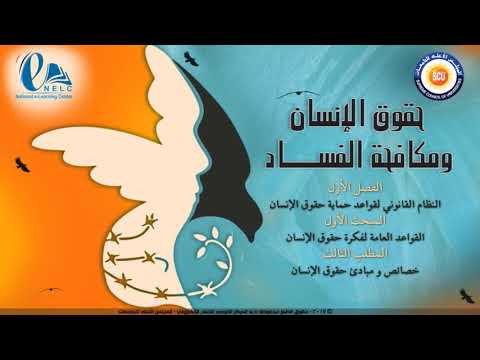 The Characteristics and Basics of Human Rights Год публикации: 2018 Организация-автор: Monwa3at The video provides an explanation of the human rights curriculum approved by the Ministry of Higher Education on all colleges and institutes of the Arab Republic of Egypt. The video consists of 3 chapters which are as follows: the legal system of the rules for the protection of human rights, the general rules of the idea of human rights and finally the characteristics. خصائص ومبادىء حقوق الانسان Год публикации: 2018 Организация-автор: Monwa3at يقدم الفيديو شرح لمنهج حقوق الانسان الذى اقرته وزارة التعليم العالى على جميع كليات ومعاهد جمهورية مصر العربيه. ويتكون الفيديو من 3 فصول وهي كالتالي: النظام القانونى لقواعد حماية حقوق الانسان، القواعد العامه لفكرة حقوق الانسان والخصائص.
  الاتجاهات نحو العادات والتقاليد كظواهر اجتماعية في المجتمع الأردني Год публикации: 2016 Автор: Maryam Al-Khalidi Организация-автор: Al-Azhar University هدفت الدراسة الحالية إلى التعرف على الاتجاهات نحو العادات والتقاليد الخاصة بالأفراح والأتراح كظواهر اجتماعية في المجتمع الأردني، وقد شملت عينة الدراسة (٢٠٠) فردا من أفراد المجتمع الأردني من العام 2015. وقد أشارت النتائج أن درجة الاتجاهات نحو العادات والتقاليد (عادات الأفراح والاتراح. Attitudes Towards Customs and Traditions as Social Phenomena in Jordanian Society Год публикации: 2016 Автор: Maryam Al-Khalidi Организация-автор: Al-Azhar University The current study aimed to identify the attitudes towards customs and traditions related to weddings and weddings as social phenomena in the Jordanian society. The study sample included (200) members of the Jordanian community from the year 2015. The results indicated that the degree of attitudes towards customs and traditions (the habits of weddings and parties).
 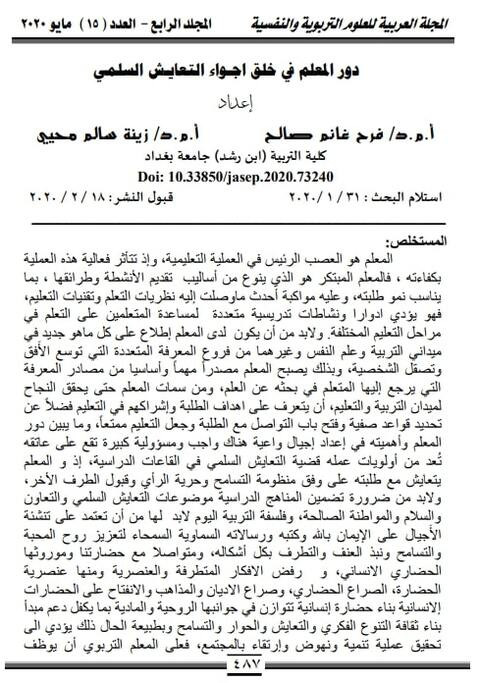 دور المعلم في خلق اجـواء التعايـش السلمي (المجلة العربية للعلوم التربوية والنفسية; Vol. 4, No. 15) Год публикации: 2020 Автор: Farah Ghanem Saleh | Zeina Salem Mohy Организация-автор: Ibn Rushd College of Education المعلم هو العصب الرئيس في العملية التعليمية، وإذ تتأثر فعالية هذه العملية بکفاءته ، فالمعلم المبتکر هو الذي ينوع من أساليب تقديم الأنشطة وطرائقها ، بما يناسب نمو طلبته، وعليه مواکبة أحدث ماوصلت إليه نظريات التعلم وتقنيات التعليم، فهو يؤدي ادوارا ونشاطات تدريسية متعددة لمساعدة المتعلمين على التعلم في مراحل التعليم المختلفة. ولابد من أن يکون لدى المعلم إطلاع على کل ماهو جديد في ميداني التربية وعلم النفس وغيرهما من فروع المعرفة المتعددة التي توسع الأَفق وتصقل الشخصية، وبذلک يصبح المعلم مصدراً مهماً وأساسيا من مصادر المعرفة التي يرجع إليها المتعلم في بحثه عن العلم، ومن سمات المعلم حتى يحقق النجاح لميدان التربية والتعليم، أن يتعرف على اهداف الطلبة وإشراکهم في التعليم فضلاً عن تحديد قواعد صفية وفتح باب التواصل مع الطلبة وجعل التعليم ممتعاً، وما يبين دور المعلم وأهميته في إعداد إجيال واعية هناک واجب ومسؤولية کبيرة تقع على عاتقه تُعد من أولويات عمله قضية التعايش السلمي في القاعات الدراسية، إذ و المعلم يتعايش مع طلبته على وفق منظومة التسامح وحرية الرأي وقبول الطرف الأخر، ولابد من ضرورة تضمين المناهج الدراسية موضوعات التعايش السلمي والتعاون والسلام والمواطنة الصالحة The Role of the Teacher in Creating an Atmosphere of Peaceful Coexistence (Arab Journal of Educational and Psychological Sciences; Vol.4, No.15) Год публикации: 2020 Автор: Farah Ghanem Saleh | Zeina Salem Mohy Организация-автор: Ibn Rushd College of Education The teacher is the main nerve in the educational process, and the effectiveness of this process is affected by his competence. The innovative teacher is the one who diversifies the approaches and methods of presenting activities to suit the growth of his students. He must keep up with the latest developments in learning theories and teaching techniques. He performs multiple teaching roles and activities to help learners achieve Learning at different stages of education. The teacher must have knowledge of everything new in the fields of education, psychology, and other multiple branches of knowledge that broaden the horizon and refine the personality. Thus, the teacher becomes an important and essential source of knowledge that the learner returns to in his search for knowledge. One of the characteristics of a teacher, in order to achieve success in the field of education, is to know the goals of students and involve them in education, in addition to setting classroom rules, opening the door to communication with students, and making education enjoyable. What shows the role of the teacher and his importance in preparing conscious generations is that there is a great duty and responsibility that falls on his shoulders, which is considered one of the priorities of his work are the issue of peaceful coexistence in the classrooms, as the teacher coexists with his students according to the system of tolerance, freedom of opinion, and acceptance of the other party, and it is necessary to include in the school curricula the topics of peaceful coexistence, cooperation, peace, and good citizenship.
 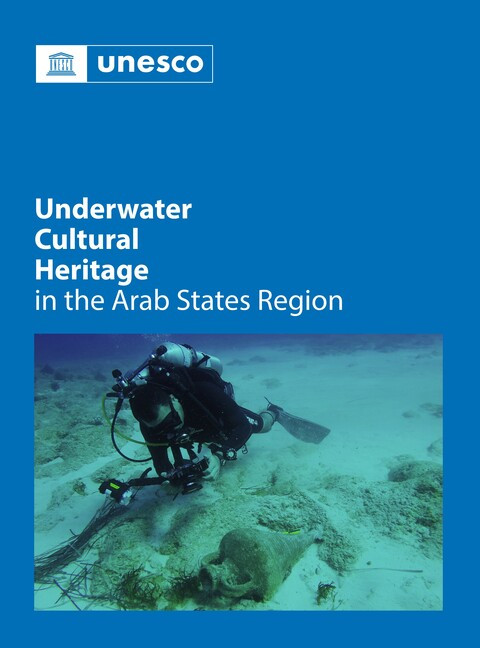 التراث الثقافيّ المغمور بالمياه في منطقة الدول العربيّة Год публикации: 2023 Организация-автор: UNESCO Cairo "التراث الثقافي المغمور بالمياه في المنطقة العربية تعرف منظمة اليونسكو التراث الثقافي المغمور بالمياه بأنه ""جميع آثار الوجود الإنساني ذات الطابع الثقافي أو التاريخي أو الأثري والتي ظلت مغمورة بالمياه جزئيا أو كليا، بشكل دوري أو متواصل، لمدة 100 عام على الأقل"". مثل: أنا. المواقع والهياكل والمباني والمصنوعات اليدوية والرفات البشرية، إلى جانب سياقها الأثري والطبيعي؛ ثانيا. السفن أو الطائرات أو المركبات الأخرى أو أي جزء منها أو حمولتها أو محتوياتها الأخرى، بالإضافة إلى سياقها الأثري والطبيعي؛ وثالثا. كائنات ذات طابع ما قبل التاريخ ""1. يتعلق هذا التعريف في المقام الأول بالعمر والظروف البيئية للرواسب، أي أن البقايا يجب أن تكون موجودة كليًا أو جزئيًا ""تحت الماء"" لمدة 100 عام على الأقل، بغض النظر عن نوعها أو طبيعتها أو ثقافتها التي ينتمون إليها. بمجرد التأكد من هذه العناصر الأساسية، يمكن تعريف المادة الأثرية بشكل أكبر وفقًا لواحد أو أكثر من المعايير المحددة: - التسلسل الزمني - الفترة الزمنية التي يعود تاريخ البقايا إليها؛ - المنطقة – المنطقة الجغرافية التي تم العثور على الرفات فيها؛ - التصنيف - التصنيف المادي للبقايا، على سبيل المثال، الفخار وعظام الحيوانات والحجر وما إلى ذلك. من المهم أن ندرك أنه في حين أن المعايير المذكورة أعلاه ستظل ثابتة، فإن الطبيعة ""تحت الماء"" للبقايا الأثرية عرضة للتغيير، نتيجة للتدخل البشري أو البيئي. على سبيل المثال، العديد من المواقع التي حدث فيها نشاط ما قبل التاريخ على الأرض، وعادةً ما تكون قريبة من الشواطئ القديمة، هي: 1 - اليونسكو. 2001. اتفاقية حماية التراث الثقافي المغمور بالمياه. باريس: وثائق المؤتمر العام، الجلسة الحادية والثلاثون، المادة.التراث الثقافي المغمور بالمياه في منطقة الدول العربية مغمور الآن بسبب ارتفاع منسوب سطح البحر. وبالمثل، فإن أشياء مثل السيوف، التي تم إيداعها في البحيرات أو الأنهار كجزء من طقوس الماضي، كانت تُصنع وتستخدم على الأرض. ولذلك أصبحت هذه المواقع والمصنوعات اليدوية تستوفي تعريف ""التراث الثقافي المغمور بالمياه"". والعملية المعاكسة ممكنة أيضًا: فحطام السفينة، على سبيل المثال، أو بقايا المواد الأخرى التي يتم رفعها من قاع البحر ووضعها في المتحف، ستفقد مكانتها كـ UCH. يخبرنا هذا الفارق الدقيق أن UCH ليس بالضرورة مصطلحًا علميًا ثابتًا. وهي تتعلق بالبيئة تحت الماء التي توجد فيها الثقافة المادية وليس بأي سمة أثرية أو ثقافية متأصلة. هذا لا يعني أن موقع الثقافة المادية تحت الماء ليس مهمًا: على العكس من ذلك، يكشف السياق تحت الماء عن تغييرات في الاستخدام والحالة والمعنى بمرور الوقت. إن التغيرات المادية التي يمكن أن تسببها البيئة تحت الماء، مثل التآكل أو الاضمحلال، والتغيرات الطبيعية والاجتماعية والأيديولوجية التي يمكن أن تعكسها المواقع تحت الماء، هي أجزاء حيوية من تاريخ حياة الموقع أو الكائن. يعد الموقع تحت الماء أيضًا عاملاً رئيسياً في تحديد التقنيات والأساليب العلمية التي يجب استخدامها عند التعامل مع هذا النوع من الثقافة المادية لأغراض الاستكشاف أو البحث أو التوثيق أو التنقيب أو الحفظ أو العرض أو العرض العام. وبالتالي، فإن دراسة UCH عادة ما تتطلب استخدام أدوات وتقنيات تختلف عن تلك المستخدمة في المواقع الأثرية الأرضية. لهذا السبب، كثيرًا ما يتم ذكر التراث تحت الماء بالارتباط مع علم الآثار المغمورة بالمياه، أي الأعمال الأثرية، مثل التنقيب والتسجيل والتحليل، التي تتم في مواقع مغمورة جزئيًا أو كليًا. ويخضع علم الآثار المغمورة بالمياه لنفس المبادئ والمعايير العلمية التي تحكم العمل الأثري على الأرض، ولكنه مصمم خصيصًا ليتناسب مع التحديات المحددة التي تفرضها الظروف تحت الماء. وبالتالي فإن مصطلح ""علم الآثار المغمورة بالمياه"" ليس فرعًا من فروع علم الآثار. بل هو مصطلح تقني يشير إلى مجموعة محددة من الأدوات والتقنيات المستخدمة في إجراء الأعمال الأثرية تحت الماء، ضمن الإطار الأوسع ومبادئ البحث الأثري." Underwater Cultural Heritage in the Arab States Region Год публикации: 2023 Организация-автор: UNESCO Cairo "Underwater Cultural Heritage in the Arab State RegionUnderwater Cultural Heritage (UCH) is defined by UNESCO as “all traces of human existence having a cultural, historical or archaeological character which have been partially or totally under water, periodically or continuously, for at least 100 years such as: i. sites, structures, buildings, artefacts and human remains, together with their archaeological and natural context; ii. vessels, aircraft, other vehicles or any part thereof, their cargo or other contents, together with their archaeological and natural context; and iii. objects of prehistoric character”1.This definition relates primarily to the age and environmental conditions of the deposit, i.e., the remains must have existed fully or partially “underwater” for at least 100 years, regardless of their type, nature, or the culture to which they belong. Once these core elements have been confirmed, the archaeological material can be defined further according to one or more specific criteria: - chronology – the time period the remains date from; - region – the geographical area where the remains were found; - typology – the physical categorisation of the remains, e.g., pottery, animal bone, stone etc.It is important to recognise that while the above criteria will remain constant, the “underwater” nature of the archaeological remains is subject to change, as a result of either human or environmental intervention. For example, many sites where prehistoric activity took place on land, usually close to ancient shorelines, are • 1 - UNESCO. 2001. Convention on the Protection of the Underwater Cultural Heritage. Paris: Records of the General Conference, 31st ses-sion, Article.Underwater Cultural Heritage in the Arab State Regionnow submerged due to rising sea levels. Similarly, items such as swords, deposited in lakes or rivers as part of past rituals, were made and used on land. These sites and artefacts have therefore come to meet the definition of “Underwater Cultural Heritage”. The opposite process is also possible: a shipwreck, for example, or other material remains lifted from the seabed and placed in a museum would lose its status as UCH. This nuance tells us that UCH is not necessarily a constant scientific term. It relates to the underwater environment in which the material culture is located rather than any inherent archaeological or cultural attribute2. That is not to say that the material culture’s underwater location is not important: on the contrary, the underwater context reveals changes in use, condition and meaning over time. The physical changes that the underwater environment can cause, such as corrosion or decay, and the natural, social and ideological changes that underwater locations can reflect, therefore, are vital parts of a site or object’s life history. The underwater location is also a key factor in determining which scientific techniques and methods to use when dealing with this type of material culture for purposes of exploration, research, documentation, excavation, conservation, presentation or public display. Thus, the study of UCH usually requires the use of tools and techniques that differ from those employed on terrestrial archaeological sites3. For this reason, UCH is frequently mentioned in association with underwater archaeology, i.e., archaeological work, such as excavation, recording and analysis, that takes place on partially or fully submerged sites. Underwater archaeology is governed by the same scientific principles and standards as archaeological work on land but is tailored to the specific challenges of underwater conditions4. The term “underwater archaeology” is not, therefore, a sub-discipline of archaeology. Instead, it is a technical term referring to a specific set of tools and techniques used in conducting archaeological work underwater, within the wider framework and principles of archaeological research."
  دراسة تحليلية لمكونات ثقافة السلام في قصص الاطفال التي تصدرها الهيئة العامة للاستعلامات والمقدمة للطفل المصري Год публикации: 2010 Автор: السعيد، نفيسة صلاح الدين محمود Организация-автор: Ain Shams University نحن نعيش في عصر يتسم بعولمة المشكلات الإنسانية بمعنى أن أية مشكلة تحدث داخل قطر أو إقليم معين هي مشكلة عالمية في الوقت نفسه. ومن المشكلات التي تهدد العالم مشكلة الصراع والعنف بأشكاله المختلفة. ولذلك كان من الطبيعي أن يهتم العالم بنشر ثقافة السلام في العالم ومن الجهود التي قامت بها الأمم المتحدة في اطلاق العقد الدولي لثقافة السلام ونبذ العنف. وقد استجابت مصر للعقد وشاركت بالعديد من الأنشطة... ومنها: إصدار سلسلة "الثقافة لغة السلام" وهي سلسلة من 41 قصة في 11 كتيب أصدرتها الهيئة العامة للاستعلامات عام 2006، وأرادت الباحثة في هذه الدراسة تحليل مضمونها ...والتعرف على مفاهيم ثقافة السلام فيها... وعلى نسبة تلك المفاهيم وأكثرها حضورا في القصص.. وطريقة عرضها... وتحديد اللغة التي استخدمت...والتعرف على الشخصيات المحورية التي قدمت لتلك المفاهيم. تنتمي هذه الدراسة إلى الدراسات الوصفية وتعتمد على منهج المسح الإعلامي. تعتمد هذه الدراسة على أسلوب تحليل المضمون وقد تم تصميم استمارة تحليل لمضمون وتطبيقها على جميع القصص. الدراسة توصلت إلى أن القصص احتوت على تسعة مفاهيم تشكل في مجملها مفهوم ثقافة السلام. Analytic Study of Culture of Peace in Children's Stories Issued by State Information Service (SIS) in Egypt Год публикации: 2010 Автор: السعيد، نفيسة صلاح الدين محمود Организация-автор: Ain Shams University The study investigates the contents of a series of 41 stories in 11 booklets that were published in Cairo by a governmental publishing house as a contribution to the UN's Decade of Culture of Peace and Non-Violence. The study concludes that the stories include the nine concepts (and subconcepts) which together constitute the concept of culture of peace. The nine concepts are: Dialogue, tolerance, coexistence, peace glorification and renouncing of violence, preservation of the environment, peace-building, solidarity, democracy and human rights. Method of the study: descriptive and media survey.