
Ресурсы
Изучайте широкий спектр ценных ресурсов ВГГ, чтобы углубить своё понимание и повысить эффективность исследований, просветительской деятельности, преподавания и обучения.
Найдено: 2,161
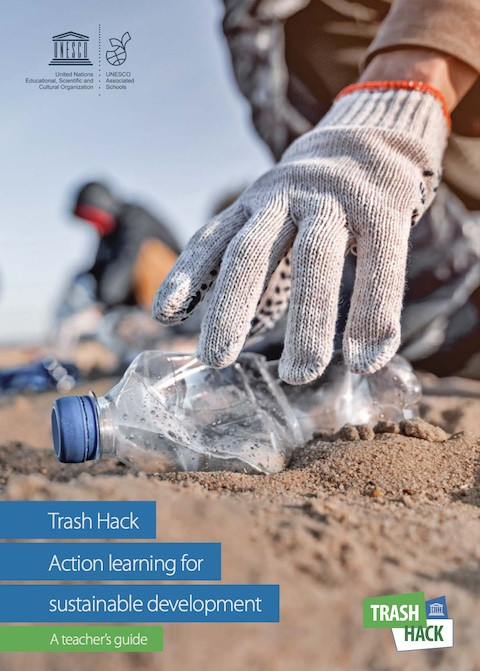 «Trash Hack»: Éducation au développement durable par l'action; Guide de l’enseignant Год публикации: 2021 Организация-автор: UNESCO L’éducation au développement durable (EDD) dote les individus des outils nécessaires pour faire face aux problèmes actuels et futurs, lutter contre la crise climatique, transformer le monde et atteindre les ODD. L’EDD repense les contenus de l’apprentissage, la manière d’enseigner et les lieux d’apprentissage . Elle relève de l’apprentissage tout au long de la vie, qui nous permet de développer les connaissances, les compétences, les valeurs et les attitudes dont nous avons besoin pour prendre des décisions et agir en connaissance de cause face aux problèmes qui se posent à l’échelle mondiale.Les activités pratiques proposées dans ce guide ont pour but de favoriser les trois dimensions de l’apprentissage (cognitive, socio- émotionnelle et comportementale) et de promouvoir ainsi des compétences transversales pour les ODD telles que l’analyse systémique, l’anticipation, la collaboration, la réflexion critique et la résolution intégrée des problèmes. 트래시핵(Trash Hack) 쓰레기 줄이기 비법 지속가능발전을 위한 실천 학습: 교사 안내서 Год публикации: 2021 Организация-автор: 유네스코 이 책은 유네스코에서 발간한 'Trash Hack'의 국문판으로 쓰레기로 인한 환경오염에 대한 인포그래픽과 쓰레기를 줄이기 위한 9가지 활동을 담고 있다. 중학생을 대상으로 제작되었고, 내용와 활동은 연령대에 따라 조정될 수 있다.
  Универсальный Периодический Обзор (УПО) И его потенциал для защиты свободы выражения мнений, доступа к информации и Год публикации: 2022 Автор: Hina Jilani Организация-автор: UNESCO This document introduces The Universal Periodic Review (UPR), including its function, content and guideline for practice, and evaluates its positive contributions to global human rights. 普遍定期审议及其在促进言论自由、信息获取和记者安全方面的潜力 Год публикации: 2022 Автор: Hina Jilani Организация-автор: 联合国教科文组织 (UNESCO) 该文件介绍了联合国内部普遍定期审查机制,包括其运行机制与评议内容,及其在保障人权方面的积极作用。
 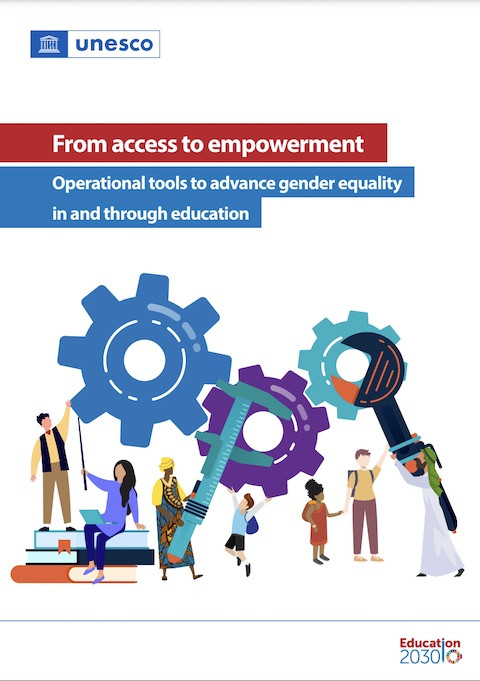 De l’accès à l’autonomisation: Outils opérationnels pour promouvoir l’égalité des genres dans et par l’éducation Год публикации: 2021 Организация-автор: UNESCO Ce guide a été conçu pour renforcer la capacité individuelle et institutionnelle à intégrer de manière efficace l’égalité des genres aux programmes éducatifs. Ce guide a été préparé pour l’ensemble du personnel du Secteur de l’éducation de l’UNESCO, notamment pour celles et ceux travaillant au Siège, dans les bureaux hors Siège/régionaux/multipays et dans les instituts, ainsi que pour les partenaires d’exécution. Ce guide fournit des outils d’orientation et opérationnels pour intégrer efficacement le genre à tous les programmes relatifs à l’éducation. La première partie est une présentation succincte des concepts clés de l’égalité des genres dans et par l’éducation, et un aperçu de la manière dont l’égalité des genres dans l’éducation s’inscrit dans la vision de l’UNESCO et dans les objectifs fixés au niveau international. La deuxième partie fournit des conseils pratiques sur la manière d’intégrer l’égalité des genres aux programmes éducatifs, d’élaborer des programmes transformateurs et, enfin, de suivre et d’évaluer les résultats en matière de genre dans les programmes éducatifs.
 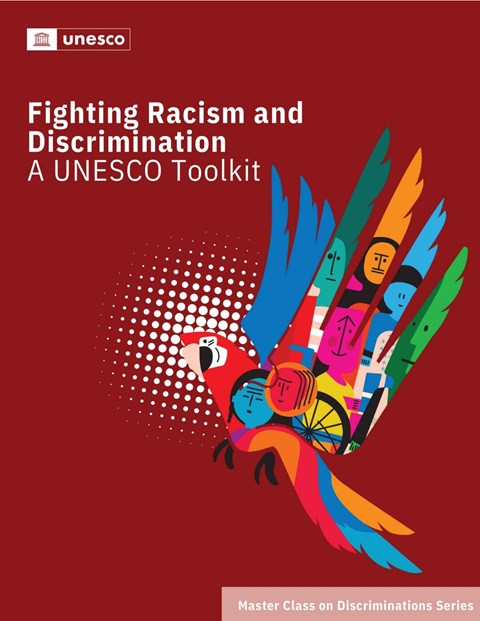 Fighting Racism and Discrimination: A UNESCO Toolkit Год публикации: 2023 Организация-автор: UNESCO Globally, 1 in 5 people have experienced discrimination on at least one of the grounds prohibited under international human rights law. Despite action around the world to end hate and combat discrimination, our societies continue to struggle. Institutionalised and structural racism remains a significant challenge with societies only beginning to come to terms with the harsh realities of historical legacies of inequality. Regardless of the rise of the Black Lives Matter movement following the death of George Floyd and increased discussion, policies tackling the legacies of historical racism as well as contemporary racism remain limited. Arguments on the ethics of collecting racial and ethnicity data persist, making measurement of racism and discrimination all the more challenging and leading to difficulties in fully comprehending this issue. However, with impact ranging from education to housing to income to criminal justice, these issues cannot wait. Recognising the magnitude of this challenge and responding to the urgent call for action – the Global Call against Racism – by our Member States, UNESCO has developed the UNESCO Anti-Racism Toolkit. Within the pages of this guide, you will find core concepts, good practices from around the world, practical exercises, and more. A tool designed to support policy-makers in developing anti-racist legislation, it is a first step to tackling the historical and structural racism within our societies.
 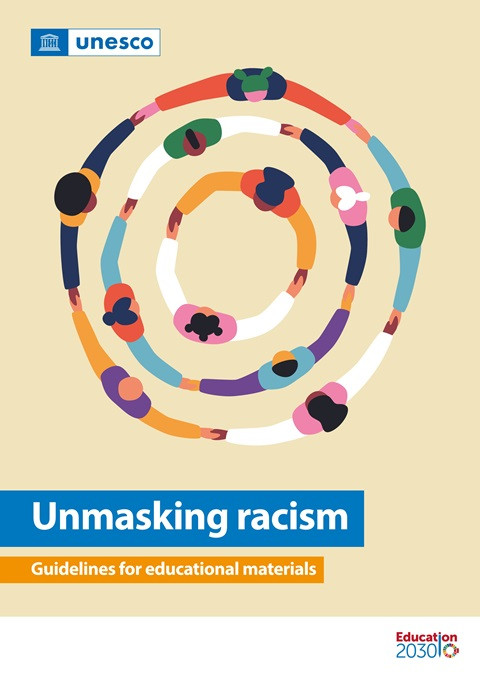 Unmasking Racism: Guidelines for Educational Materials Год публикации: 2024 Организация-автор: UNESCO These Guidelines developed by UNESCO provide recommendations on how to combat racism in textbooks and to develop learning materials that are free of prejudice and bias and do not perpetuate stereotypes or legitimize unequal social structures. Through a comprehensive analysis of recent studies of textbooks and other educational materials, the guide also demonstrates how countries around the world address racism and racialization. It increases awareness and improves our understanding of how racism manifests in educational materials, and aims to support education stakeholders to promote just, peaceful and multicultural societies.
 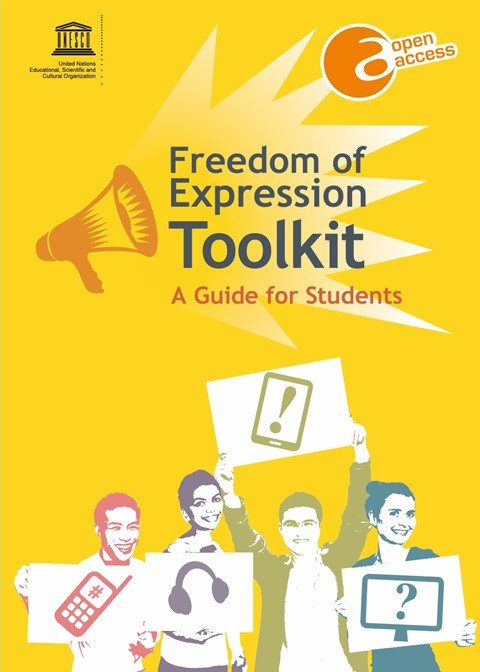 Freedom of Expression Toolkit: A Guide for Students Год публикации: 2013 Организация-автор: UNESCO Everyone should have all the necessary tools and mechanism to allow the free flow of information. Much has been written about freedom of expression, indeed it is one of the most debated concepts and issues of our times. However, few such publications are written with youth as the main target readers, especially for young women and men still in high schools and pre-university level. This Toolkit is one such tool targeted at high schools and pre-university students. Young women and men must be empowered and literate in the issues and concepts of freedom of expression in order to become a discerning citizen in a democracy.
 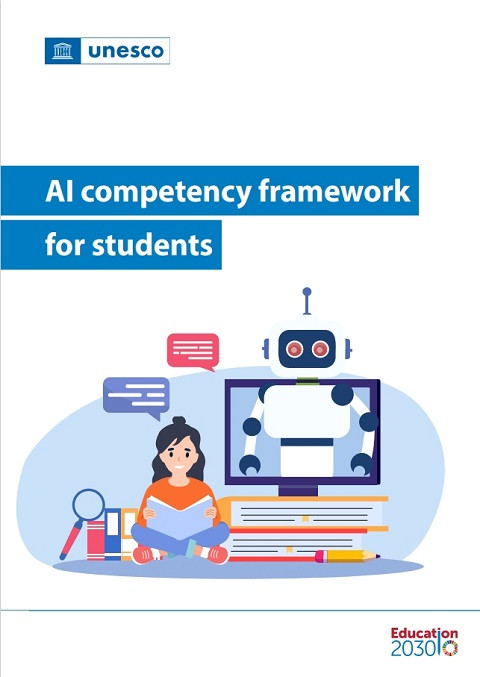 AI Competency Framework for Students Год публикации: 2024 Автор: Fengchun Miao | Kelly Shiohira Организация-автор: UNESCO Artificial intelligence is increasingly integral to our lives, necessitating proactive education systems to prepare students as responsible users and co-creators of AI. Integrating AI learning objectives into official school curricula is crucial for students globally to engage with AI safely and meaningfully.The UNESCO AI Competency Framework for Students aims to help educators in this integration, outlining 12 competncies across four dimensions:- A human-centred mindset- Ethics of AI- AI techniques and applications- AI system designThese competencies span three progression levels:- Understand- Apply- Create The framework details curricular goals and domain-specific pedagogical methodologies.Grounded in the vision of students as AI co-creators and responsible citizens, the publication emphasizes critical judgement of AI solutions, awareness of citizenship responsibilities in the AI era, foundational AI knowledge for lifelong learning, and inclusive, sustainable AI design.
  AI Competency Framework for Students Год публикации: 2025 Автор: Fengchun Miao | Kelly Shiohira Организация-автор: UNESCO Preparar a los estudiantes para ser ciudadanos responsables y creativos en la era de la IALa inteligencia artificial (IA) está cada vez más presente en nuestras vidas, lo que requiere sistemas educativos proactivos que preparen a los estudiantes para que sean usuarios responsables y cocreadores de la IA. Integrar los objetivos de aprendizaje de IA en los programas de estudio oficiales de las escuelas es fundamental para que los estudiantes de todo el mundo interactúen de forma segura y significativa con la IA.El objetivo del Marco de competencias para estudiantes en materia de IA de la UNESCO es ayudar a los educadores con esta integración, para lo cual describe 12 competencias que atraviesan cuatro dimensiones: una forma de pensar centrada en el ser humano, la ética de la IA, las técnicas y aplicaciones de la IA, la pedagogía de la IA, y la IA para el diseño de sistemas de IA. Estas competencias abarcan tres niveles de progresión: comprender, aplicar y crear. El marco detalla las metas curriculares y las metodologías pedagógicas específicas para cada dominio.Basado en una visión de los estudiantes como cocreadores de IA y ciudadanos responsables, el marco pone énfasis en el juicio crítico de las soluciones de IA, la conciencia de las responsabilidades ciudadanas en la era de la IA, el conocimiento fundacional de la IA para el aprendizaje a lo largo de la vida, y el diseño de IA inclusiva y sostenible.