
Ресурсы
Изучайте широкий спектр ценных ресурсов ВГГ, чтобы углубить своё понимание и повысить эффективность исследований, просветительской деятельности, преподавания и обучения.
Найдено: 3,451
 指向文化意识培养的高中英语5E阅读教学模式研究 (教育进展 第14卷 第6期) Год публикации: 2024 Автор: 陈乐乐 针对高中英语阅读课中文化意识培养“浅层化与碎片化”的教学现状,本文通过对人教版高中英语必修教材(2019) Reading and Thinking板块的文化内容分析,以必修三第1单元Festivals and Celebrations的阅读语篇“Why Do We Celebrate Festivals?”为例,设计了多层次的阅读教学活动,探讨如何利用基于学习活动观的高中英语5E阅读教学模式充分挖掘语篇包含的文化内容,从而培养学生的文化意识。
 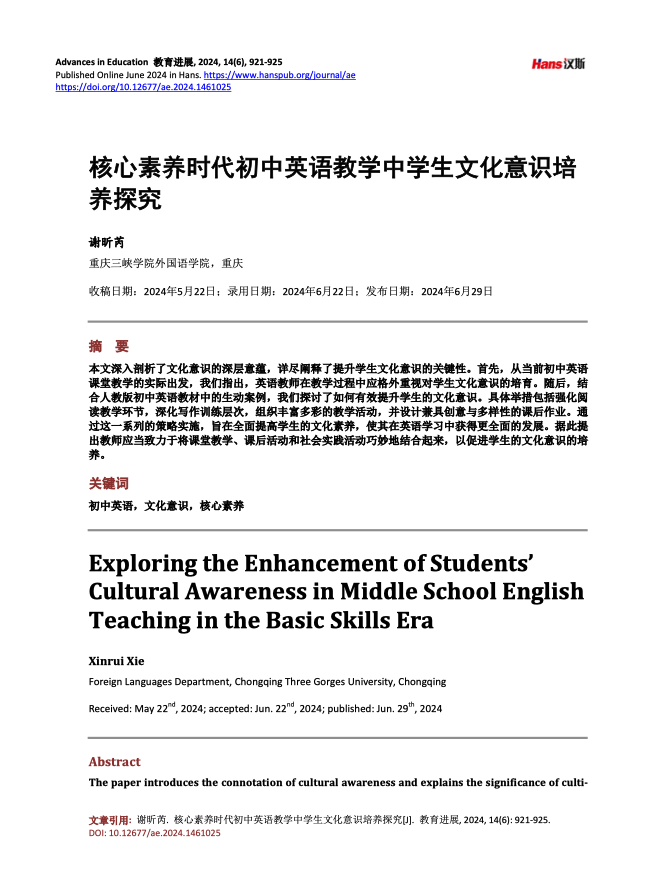 核心素养时代初中英语教学中学生文化意识培养探究 (教育进展 第14卷 第6期) Год публикации: 2024 Автор: 谢昕芮 本文深入剖析了文化意识的深层意蕴,详尽阐释了提升学生文化意识的关键性。首先,从当前初中英语课堂教学的实际出发,我们指出,英语教师在教学过程中应格外重视对学生文化意识的培育。随后,结合人教版初中英语教材中的生动案例,我们探讨了如何有效提升学生的文化意识。具体举措包括强化阅读教学环节,深化写作训练层次,组织丰富多彩的教学活动,并设计兼具创意与多样性的课后作业。通过这一系列的策略实施,旨在全面提高学生的文化素养,使其在英语学习中获得更全面的发展。据此提出教师应当致力于将课堂教学、课后活动和社会实践活动巧妙地结合起来,以促进学生的文化意识的培养。
 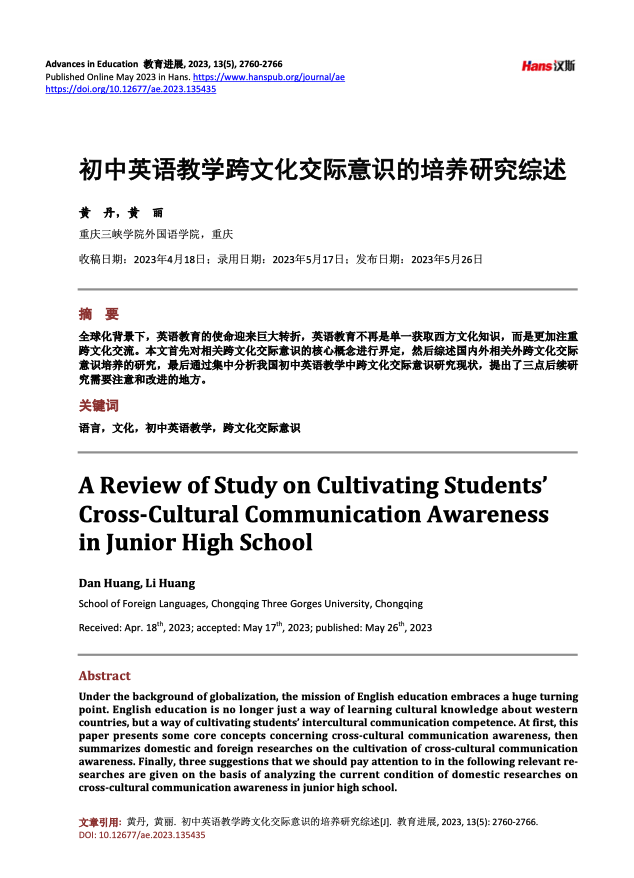 初中英语教学跨文化交际意识的培养研究综述 (教育进展 第13卷 第5期) Год публикации: 2023 Автор: 黄丹 | 黄丽 全球化背景下,英语教育的使命迎来巨大转折,英语教育不再是单一获取西方文化知识,而是更加注重跨文化交流。本文首先对相关跨文化交际意识的核心概念进行界定,然后综述国内外相关外跨文化交际意识培养的研究,最后通过集中分析我国初中英语教学中跨文化交际意识研究现状,提出了三点后续研究需要注意和改进的地方。
 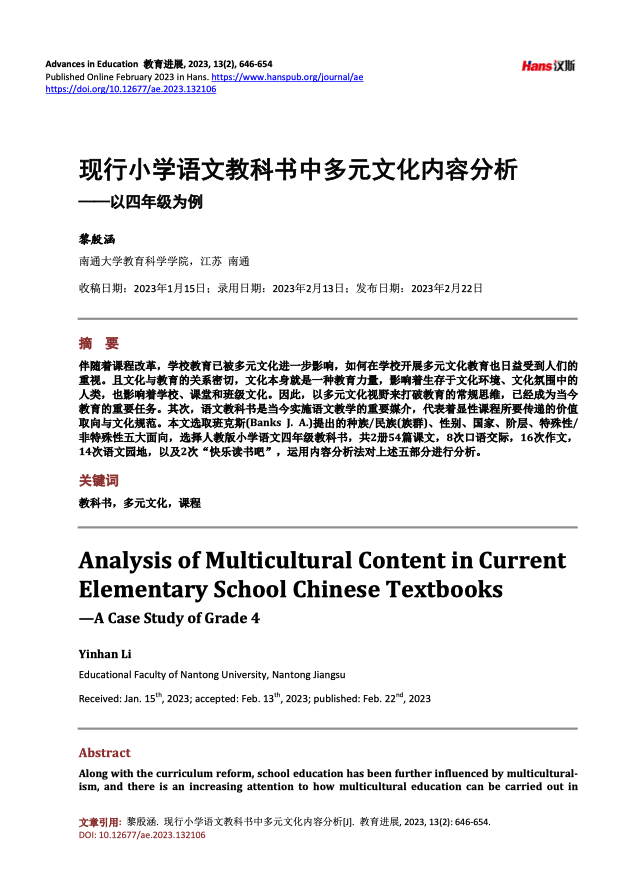 现行小学语文教科书中多元文化内容分析 : 以四年级为例 (教育进展 第13卷 第2期) Год публикации: 2023 Автор: 黎殷涵 伴随着课程改革,学校教育已被多元文化进一步影响,如何在学校开展多元文化教育也日益受到人们的重视。且文化与教育的关系密切,文化本身就是一种教育力量,影响着生存于文化环境、文化氛围中的人类,也影响着学校、课堂和班级文化。因此,以多元文化视野来打破教育的常规思维,已经成为当今教育的重要任务。其次,语文教科书是当今实施语文教学的重要媒介,代表着显性课程所要传递的价值取向与文化规范。本文选取班克斯(Banks J. A.)提出的种族/民族(族群)、性别、国家、阶层、特殊性/非特殊性五大面向,选择人教版小学语文四年级教科书,共2册54篇课文,8次口语交际,16次作文,14次语文园地,以及2次“快乐读书吧”,运用内容分析法对上述五部分进行分析。
 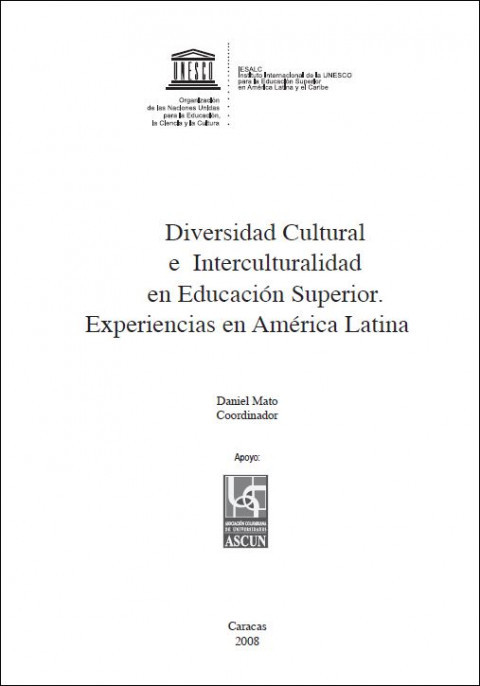 Cultural Diversity and Interculturality in Higher Education. Experiences in Latin America Год публикации: 2008 Автор: Daniel Mato Организация-автор: UNESCO International Institute for Higher Education in Latin America and the Caribbean (IESALC) The work that we present below under the title Cultural Diversity and Interculturality in Higher Education. Experiences in Latin America offers a documented and novel analysis on the subject, accompanied by more than thirty studies on concrete experiences that allow to appreciate the richness and vitality that this field exhibits in Latin America, as well as the problems and challenges it faces. The volume brings together thirty-six studies of experiences of the types mentioned, each of which identifies achievements, obstacles and learning, and culminates in offering recommendations. This collection of texts is preceded by a study of regional scope that analyzes significant contextual elements, as well as salient aspects of the studied experiences, evaluates problems, challenges and opportunities, and offers a set of recommendations. Diversidad Cultural e Interculturalidad en Educación Superior. Experiencias en América Latina Год публикации: 2008 Автор: Daniel Mato Организация-автор: UNESCO International Institute for Higher Education in Latin America and the Caribbean (IESALC) La obra que a continuación presentamos bajo el título Diversidad Cultural e Interculturalidad en Educación Superior. Experiencias en América Latina ofrece un documentado y novedoso análisis sobre el tema, acompañado de más de treinta estudios sobre experiencias concretas que permiten apreciar la riqueza y vitalidad que este campo exhibe en América Latina, así como los problemas y desafíos que enfrenta. El volumen reúne treinta y seis estudios de experiencias de los tipos mencionados, cada uno de los cuales identifica logros, obstáculos y aprendizajes, y culmina ofreciendo recomendaciones. Esa colección de textos es precedida por un estudio de alcance regional que analiza elementos contextuales significativos, así como aspectos salientes de las experiencias estudiadas, evalúa problemas, retos y oportunidades, y ofrece un conjunto de recomendaciones.
 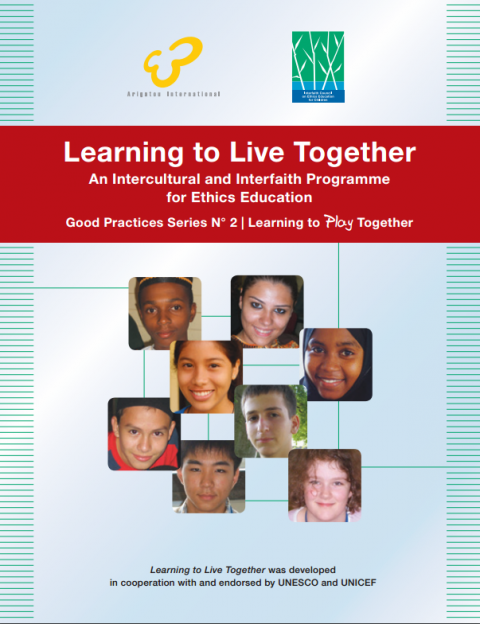 Learning to live together: an intercultural and interfaith programme for ethics education; Good Practices Series 2; Learning to Play Together Год публикации: 2014 Организация-автор: United Nations Children's Fund (UNICEF) | Interfaith Council on Ethics Education for Children | Arigatou Foundation Learning to live together: an intercultural and interfaith programme for ethics education; Good Practices Series 2; Learning to Play Together Aprender a vivir juntos Un programa intercultural e interreligioso para la educación ética: Series de Buenas Prácticas 2; Aprender a jugar juntos Год публикации: 2014 Организация-автор: United Nations Children's Fund (UNICEF) | Interfaith Council on Ethics Education for Children | Arigatou Foundation Aprender a vivir juntos Un programa intercultural e interreligioso para la educación ética: Series de Buenas Prácticas 2; Aprender a jugar juntos
  The Clandestine Schools in Ecuador. Roots of Intercultural Indigenous Education Год публикации: 2015 Автор: María Isabel González Terreros By the mid-twentieth century in Ecuador, indians implemented clandestine schools to teach their people. Those schools were persecuted and harassed by landowners, who did not see pertinent that indians were educated. This was a pioneering, innovative and different project. Pioneer because it is the first known project with these features in Ecuador; innovative because it was leaded by Indians who took their cultural background to school (such as the teaching of ancestral language and some knowledge about nature and territory); and different because it was a proposal contrary to the homogenizing and assimilationist education that the Nation-state was implementing in rural areas. That proposal was led by Dolores Cacuango, a Quechua Indian who was subject to the hacienda system (in which communities did farm work for the employer, in exchange for a piece of land to live in with their families). She, who suffered injustice and had no chance to go to school, insisted that children and young people should "learn letter" (that is, they should learn Castilian). Las Escuelas Clandestinas en Ecuador. Raíces de la Wducación Indígena Intercultural Год публикации: 2015 Автор: María Isabel González Terreros A mediados del siglo xx en Ecuador los indígenas implementaron escuelas clandestinas para enseñar a los suyos, escuelas que fueron perseguidas y hostigadas por los hacendados que no veían pertinente que los indígenas se educaran. Se trató de un proyecto pionero, novedoso y diferente. Pionero porque es el primero que se conoce con estas características en el Ecuador; novedoso porque fue dirigido por indígenas que llevaron los saberes culturales a la escuela, como la enseñanza del idioma ancestral y algunos conocimientos sobre la naturaleza y el territorio; y diferente porque fue una propuesta contraria a la educación homogeneizante y asimilacionista que el Estado-nación implementaba en zonas rurales. Esta propuesta fue dirigida por Dolores Cacuango, una indígena kichwa que estuvo sometida al sistema de hacienda, en el que las comunidades realizaban trabajos agrícolas para el patrón a cambio de tener un pedazo de tierra y vivir con sus familias. Ella, que vivió la injusticia y no tuvo la posibilidad de ir a la escuela, se empeñó en que los niños y jóvenes “aprendieran letra”.