
Ресурсы
Изучайте широкий спектр ценных ресурсов ВГГ, чтобы углубить своё понимание и повысить эффективность исследований, просветительской деятельности, преподавания и обучения.
Найдено: 875
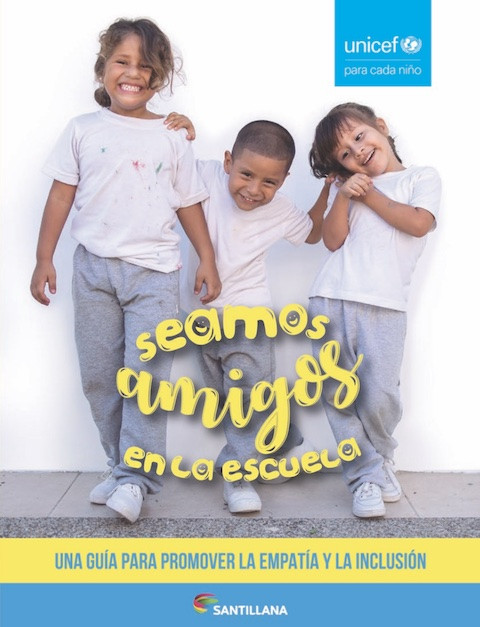 Let's Be Friends at School: A Guide to Promoting Empathy and Inclusion Год публикации: 2019 Организация-автор: United Nations Children's Fund (UNICEF) Empathy is a skill that allows us to understand the emotions and experiences of other people. This guide seeks to promote empathy in the educational context, to promote peaceful coexistence, inclusion and non-violence in schools. It focuses its vision on the mission of teachers to educate not only the academic curriculum but also their emotional managing skills to deal with their own emotions and those of others. Seamos amigos en la escuela: Una guía para promover la empatía y la inclusión Год публикации: 2019 Организация-автор: United Nations Children's Fund (UNICEF) La empatía es una habilidad que nos permiten comprender las emociones y experiencias de las otras personas.Esta guía busca promocionar la empatia en el constexto educativo, para fomentar la convivencia pacifica,la inclusión y la no violencia en las escuelas. Centra su visión en la misión que tienen los docentes de educar además de lo que respecta a la malla curricular el manejo de las emociones propias y ajenas.
  The Right to Non-Discrimination Год публикации: 2018 Организация-автор: National Commission for Human Rights This document talks about the concept of discrimination, its origins and the concepts that this phenomenon contains: stereotypes, prejudices, systematic discrimination. It also reviews the forms as discrimination is presented and its consequences, to later refer to the right to non-discrimination and what can be done in case of being a victim. El derecho a la no discriminación Год публикации: 2018 Организация-автор: National Commission for Human Rights Documento que habla sobre el concepto de la discriminación, sus origenes y los cocepto que encierra este fenomeno, tales como: estereotipos, prejuicios y discriminación sistemática. También revisa las formas como se presenta la discriminación y sus consecuencias, para posteriormente refirse al derecho a la no discriminación y qué se puede hacer en caso de ser víctima.
  Does It Sound Familiar to You? : Family Guide Год публикации: 2015 Автор: Francisca Morales | Catalina Moya Организация-автор: United Nations Children's Fund (UNICEF) This guide presents practical activities to work with families around different topics of interest, such as the expression of emotions, conflict resolution, child development, children's rights and the media, among others. ¿Te suena familiar? : Guía para la familia Год публикации: 2015 Автор: Francisca Morales | Catalina Moya Организация-автор: United Nations Children's Fund (UNICEF) En esta guía se presentan actividades prácticas para trabajar con familias alrededor de diferentes temas de interes, como la la expresión de emociones, la resolución de conflictos, el desarrollo infantil, los derechos de los niños y los medios de comunicación entre otros.
  Positive Discipline: What It Is and How to Do It Год публикации: 2015 Автор: Joan E. Durrant Организация-автор: Asociación Chilena Pro Naciones Unidas (ACHNU) Adaptation and translation of the Manual: Positive Discipline - parenting guidelines for mothers, fathers and education professionals, carried out as part of the Project: A campaign for parenting without violence, which ACHNU has developed in Chile. Manual sobre disciplina positiva Год публикации: 2015 Автор: Joan E. Durrant Организация-автор: Asociación Chilena Pro Naciones Unidas (ACHNU) Adaptación y traducción del Manual: Disciplina Positiva - pautas de crianza para madres, padres y profesionales de la educación, realizada como parte del Proyecto: Una campaña por una crianza sin violencia, que ACHNU viene desarrolló en Chile.
 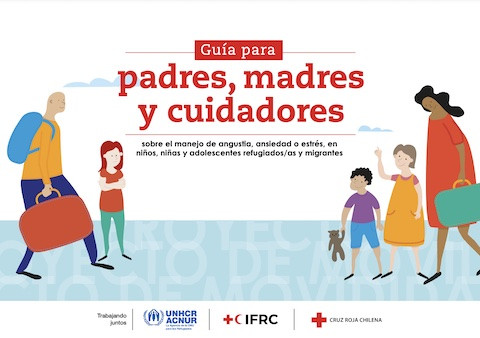 Guide for Fathers, Mothers and Caregivers: On the Management of Anguish, Anxiety or Stress in Refugee and Migrant Children and Adolescents Год публикации: 2020 Организация-автор: UN. Office of the United Nations High Commissioner for Refugees (UNHCR) | International Federation of Red Cross and Red Crescent Societies (IFRC) | Chilean Cross Red This guide aims to be a contribution to all those fathers, mothers and caregivers who have seen their children, nephews, grandchildren or children and adolescents who are under their care, face situations of *anguish, *anxiety or *stress, especially due to the migration process and/or situations of social mobilization. Guía para padres, madres y cuidadores: Sobre el manejo de angustia, ansiedad o estrés en niños, niñas y adolescentes refugiado/as y migrantes Год публикации: 2020 Организация-автор: UN. Office of the United Nations High Commissioner for Refugees (UNHCR) | International Federation of Red Cross and Red Crescent Societies (IFRC) | Chilean Cross Red Esta guía pretende ser un aporte para todos aquellos padres, madres y cuidadores que han visto a sus hijos/as, sobrinos/as, nietos/as o niños/as y adolescentes que estén bajo sus cuidados, enfrentar situaciones de *angustia, *ansiedad o *estrés, sobre todo debido al proceso de migración y/o a situaciones de movilización social.