
Ресурсы
Изучайте широкий спектр ценных ресурсов ВГГ, чтобы углубить своё понимание и повысить эффективность исследований, просветительской деятельности, преподавания и обучения.
Найдено: 1,726
 Propositions pour une politique numérique éducative en matière de prévention de la radicalisation en milieu scolaire Год публикации: 2018 Автор: Fabrice Fresse Организация-автор: Communauté pour l’innovation et la recherche sur les technologies dans l’enseignement/apprentissage (CIRTA) Les manifestations d’extrémisme violent perpétrées par des jeunes placent nos systèmes éducatifs sous une pression sans précédent et interrogent la place du numérique dans notre développement individuel et collectif. Comment la prévention de la radicalisation réinterroge l’enseignement et l’apprentissage par le numérique ? Quels outils sont disponibles en la matière ? Quelles sont les perspectives possibles ?
 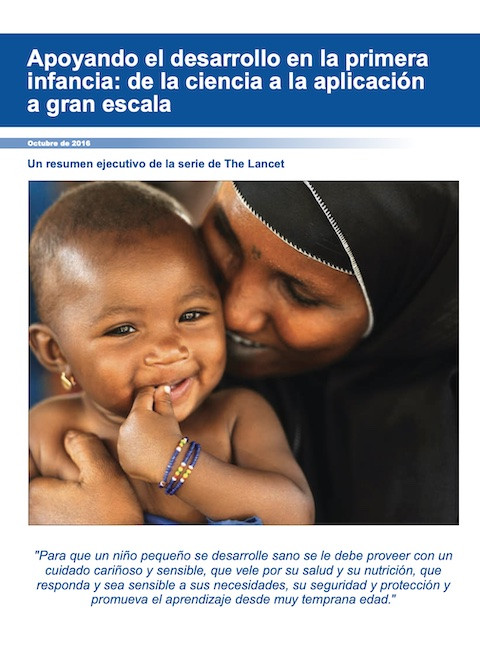 Supporting Early Childhood Development: From Science to Large-Scale Application Год публикации: 2016 Автор: The Lancet Организация-автор: United Nations Children's Fund (UNICEF) | World Bank | World Health Organization (WHO) This document summarizes the series of articles on Early Childhood Development published by The Lancet in 2016. It presents new scientific evidence that supports interventions and proposes measures to be applied in large-scale child development programs. The series emphasizes "loving care sensitive to the needs of the child", especially up to three years of age, as well as multisectoral interventions that, taking the health sector as a starting point, allow reaching many families and young children through health and nutrition. Apoyando el desarrollo en la primera infancia: De la ciencia a la aplicación a gran escala Год публикации: 2016 Автор: The Lancet Организация-автор: United Nations Children's Fund (UNICEF) | World Bank | World Health Organization (WHO) Este documento resume la serie de artículos sobre Desarrollo en la primera infancia que publicó The Lancet en 2016. Presenta nueva evidencia científica que fundamenta intervenciones y propone medidas a ser aplicadas en programas de desarrollo infantil a gran escala. La serie hace hincapié en el “cuidado cariñoso y sensible a las necesidades del niño”, sobre todo hasta los tres años de edad, así como en las intervenciones multisectoriales que, tomando el sector salud como punto de partida, permiten llegar a muchas familias y niños pequeños a través de la salud y la nutrición.
  From Sustainable Development According to Brundtland to Sustainability as Biomimicry Год публикации: 2014 Автор: Roberto Bermejo Gómez de Segura Организация-автор: Hegoa, Institute for International Cooperation and Development Studies This text aims to analyze the concept of sustainability, starting from the concept of sustainable development of the Brundtland Report, and using this as a measuring stick of what government institutions raise on the subject directly or through the agreements of the world conferences. In addition, the academic debate on the concept of sustainability is reviewed, to go on to present its interpretation as an imitation of nature and the epistemological transformations that it causes in neoclassical economics. Finally, the factors that are proposed to generate the transformation are briefly evaluated. Del desarrollo sostenible según Brundtland a la sostenibilidad como biomimesis Год публикации: 2014 Автор: Roberto Bermejo Gómez de Segura Организация-автор: Hegoa, Institute for International Cooperation and Development Studies Este texto pretende analizar el concepto de sostenibilidad, partiendo del concepto de desarrollo sostenible del Informe Brundtland, y utilizando este como vara de medir de lo que plantean sobre el tema las instituciones de gobierno directamente o por medio de los acuerdos de las Conferencias mundiales. Además, se repasa el debate académico sobre el concepto de sostenibilidad, para pasar a presentar la interpretación del mismo como imitación de la naturaleza y las transformaciones epistemológicas que provoca en la economía neoclásica. Por último, se evalúan someramente los factores que se proponen para generar la transformación.
  Citizenship Год публикации: 2020 Автор: Zeyad Alawana Организация-автор: Ministry of Political and Parliamentary Affairs The booklet aims to deepen the culture of good and effective citizenship among young people, inform them of their rights and duties contained in the Jordanian constitution, and also introduce them to the values of good citizenship that are based on the rule of law, respect for equality, tolerance and acceptance of others, and acceptance of pluralism and diversity in society. In more detail, the booklet contains topics, knowledge, questions and experiences aimed at:First, the definition of the concept of citizenship, rights and duties, and the distinction between a good and a good citizen.Second, introducing the principles of good citizenship, such as freedom, active participation, and equalityEquality of opportunity, solidarity and preservation of public property.Third, the definition of the goals of citizenship, such as commitment to the principles of democracy, freedom from fanaticism and distinction, belief in human brotherhood and the scientific method in disunity and the rule of law, commitment to the constitution, active political participation, respect for human dignity, and the acquisition of true citizenship values.
 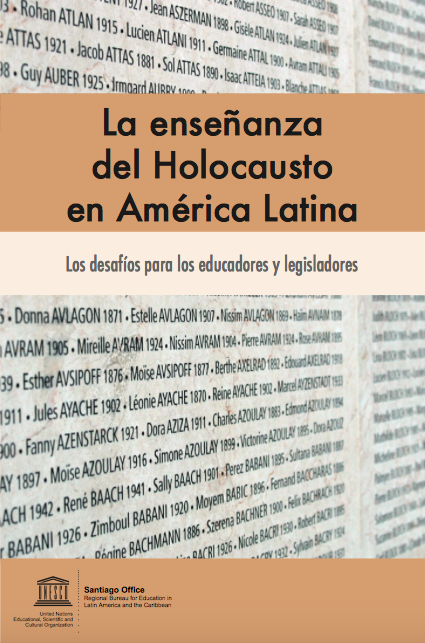 La Enseñanza del Holocausto en América Latina: los desafíos para los educadores y legisladores Год публикации: 2017 Организация-автор: UNESCO Santiago La Enseñanza del Holocausto en América Latina: los desafíos para los educadores y legisladores
 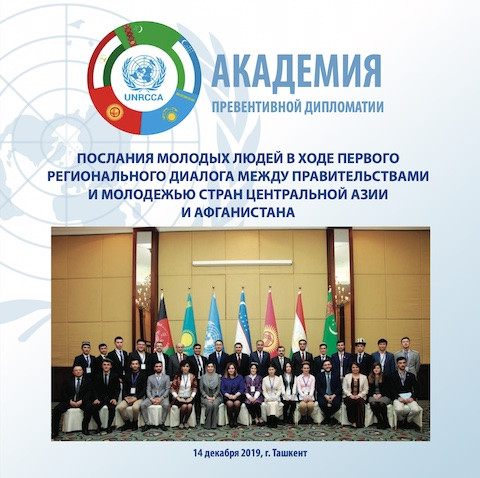 Messages Delivered by Young People at the First Government-Youth Dialogue for Central Asia and Afghanistan Год публикации: 2019 Организация-автор: United Nations Regional Centre for Preventive Diplomacy for Central Asia (UNRCCA) During this first Government-Youth Dialogue for Central Asia and Afghanistan, 25 young people stood in front of their Deputy Ministers and spoke on behalf of the young people of the region about the most pressing regional peace and security issues for their generation. Послания молодых людей в ходе первого регионального диалога между правительствами и молодежью стран Центральной Азии и Афганистана Год публикации: 2019 Организация-автор: United Nations Regional Centre for Preventive Diplomacy for Central Asia (UNRCCA) В ходе первого регионального диалога между правительствами и молодежью стран Центральной Азии и Афганистана, 25 молодых людей, от имени молодежи региона, представили свои позиции и взгляды заместителям министров иностранных дел о наиболее актуальных вопросах мира и безопасности в регионе, касающихся их поколения.
 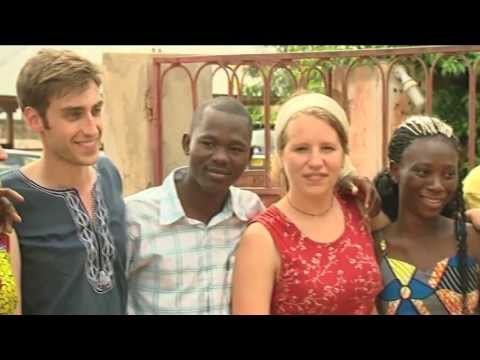 Louvain Coopération, University and Solidarity Год публикации: 2013 Организация-автор: Louvain Coopération Louvain Coopération, the NGO of UCL puts university skills into practice to meet the challenges of development. Since 1981, the NGO has been fighting against hunger, disease and poverty alongside the most disadvantaged populations.Louvain Coopération is today the largest university NGO in Belgium and leads 23 projects with 140 partners in the South.