
Ресурсы
Изучайте широкий спектр ценных ресурсов ВГГ, чтобы углубить своё понимание и повысить эффективность исследований, просветительской деятельности, преподавания и обучения.
Найдено: 661
 Advancing Digital Equity for All: Community-Based Recommendations for Developing Effective Digital Equity Plans to Close the Digital Divide and Enable Technology-Empowered Learning Год публикации: 2022 Организация-автор: USA. Department of Education. Office of Educational Technology In spring 2022, the U.S. Department of Education’s Office of Educational Technology (OET) committed to advancing digital equity through the Digital Equity Education Roundtables (DEER) Initiative. Through DEER, OET hosted a series of national conversations with leaders from community-based organizations, as well as families and learners furthest from digital opportunities. The “Advancing Digital Equity for All” resource illuminates insights from these conversation to highlight the barriers faced by learner communities and promising solutions for increasing access to technology for learning.The historic federal investments authorized by the Infrastructure Investment and Jobs Act offer critical opportunities for broadband planning that can identify and equitably address the various availability, affordability, and adoption challenges described. Using this guidance resource as a starting point, it is essential that leaders collaborate with those most impacted by the digital divide to develop comprehensive digital equity plans that outline strategies to meet the needs of learners, their families/caregivers, and communities effectively and sustainably.
  حوار الحضارات: الضرورات والرهانات Год публикации: 2023 Автор: Abdelhalim Zoubair Организация-автор: Fatima Al-Fihri Center for Research and Studies (MAFAD) وتمت مقاربة موضوع الكتاب من زاويتين هما: ضرورات الحوار ورهاناته. وبعد مدخل تمهيدي في التعريف بعناصر الموضوع من حوار وحضارة، توزع الكتاب إلى فصلين، الأول، تناول ضرورات الحوار بين الحضارات، وخصص الشق الأول منه إلى الداخل الإسلامي من خلال نظرة فاحصة لمنظومة الحوار في القرآن الكريم. ثم شق ثان، توجه إلى المشترك الجامع. والفصل الثاني، تطرق إلى رهانات الحوار بين الحضارات، عبر ثلاثة مستويات واجبة الترتيب نظريا وعمليا، هي: التعارف ثم التعاون ثم التحالف. Dialogue of Civilizations: Necessities and Stakes Год публикации: 2023 Автор: Abdelhalim Zoubair Организация-автор: Fatima Al-Fihri Center for Research and Studies (MAFAD) The book's theme was approached from two perspectives: the imperative of dialogue and its significance. After introducing the key elements of the subject, such as dialogue and civilization, the book is divided into two chapters. The first chapter delves into the necessity of dialogue among civilizations, with a detailed examination of the dialogue system presented in the Quran. The second chapter explores the significance of dialogue among civilizations, focusing on three theoretical and practical levels: acquaintance, cooperation, and alliance.
  Report on the Results of the Assessment of the Needs of Youth and Women in the Use of Civil Technologies to Solve Social Problems Год публикации: 2022 Автор: Kamila Kovyazina | Damesh Satova Организация-автор: Paperlab Research Center (Kazakhstan) Despite the proclaimed equality of opportunities and rights, certain groups of the population in Kazakhstan have privileges compared to others. It is essential to increase the capacity and capacity of women and youth to participate in decision making and change. In modern conditions, one of the most promising ways to increase the participation of these two groups in the life of the country is civilian technology and self-organization. Отчет по результатам оценки потребностей молодежи и женщин в вопросе использования гражданских технологий для решения социальных проблем Год публикации: 2022 Автор: Kamila Kovyazina | Damesh Satova Организация-автор: Исследовательский центр Paperlab (Казахстан) Несмотря на провозглашаемое равенство возможностей и прав, отдельные группы населения в Казахстане обладают привилегиями по сравнению с другими. Крайне важно повысить потенциал и возможности женщин и молодежи для участия в процессе принятия решений и проведения изменений. В современных условиях одним из наиболее перспективных способов повысить участие этих двух групп в жизни страны являются гражданские технологии и самоорганизация.
 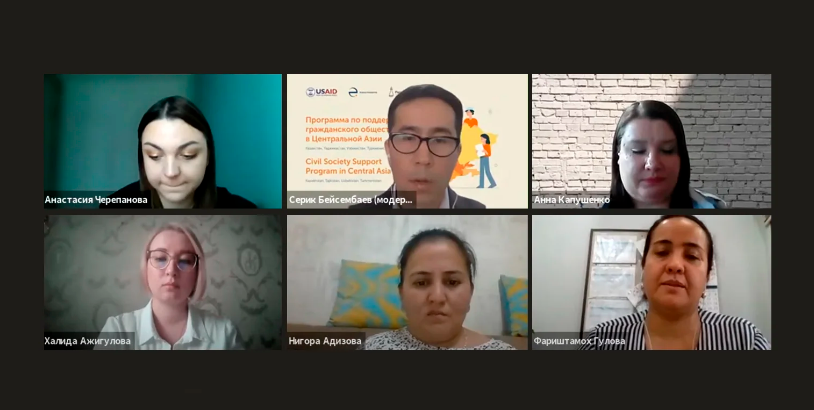 Борьба с насилием в отношении женщин в Центральной Азии: Новые законы, старые практики Год публикации: 2021 Организация-автор: Исследовательский центр Paperlab (Казахстан) Проблема насилия в отношении женщин все еще остается острой проблемой в странах Центральной Азии. Согласно ООН, 18% женщин из стран этого региона сообщили, что лично сталкивались с бытовым насилием и дискриминацией. На дискуссионной онлайн-площадке PaperLab эксперты и исследователи вместе с представителями гражданского общества и государственных органов обсудили тему борьбы с гендерным насилием в контексте законодательных и программных мер, которые реализуются в странах Центральной Азии.
 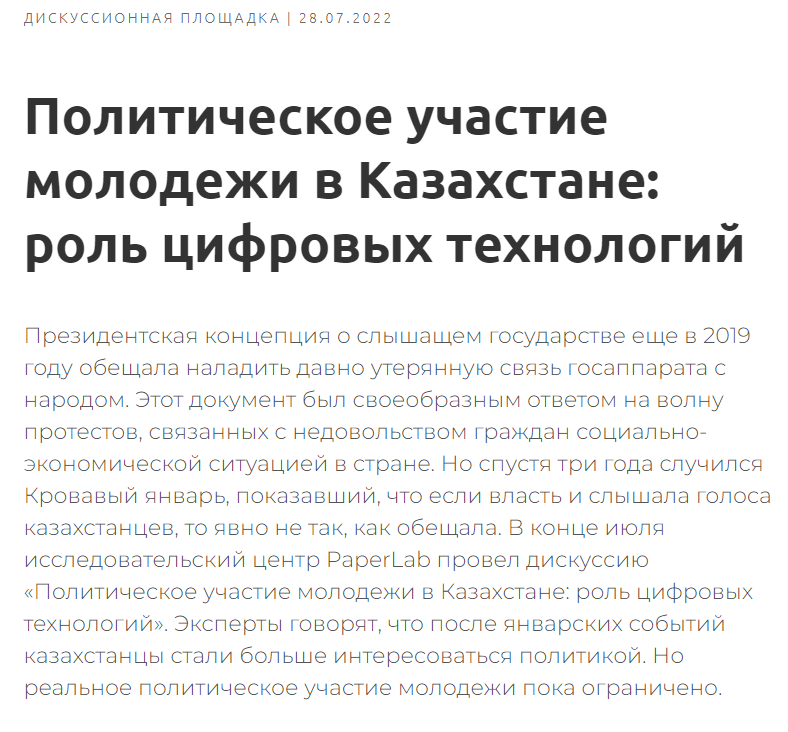 Political Participation of Young People in Kazakhstan: The Role of Digital Technologies Год публикации: 2022 Организация-автор: Paperlab Research Center (Kazakhstan) At the end of July, the PaperLab Research Center held a discussion on "Political participation of youth in Kazakhstan: the role of digital technologies". Experts say that after the January events, Kazakhstanis became more interested in politics. But the real political participation of young people is still limited. Политическое участие молодежи в Казахстане: Роль цифровых технологий Год публикации: 2022 Организация-автор: Исследовательский центр Paperlab (Казахстан) В конце июля исследовательский центр PaperLab провел дискуссию «Политическое участие молодежи в Казахстане: роль цифровых технологий». Эксперты говорят, что после январских событий казахстанцы стали больше интересоваться политикой. Но реальное политическое участие молодежи пока ограничено.
 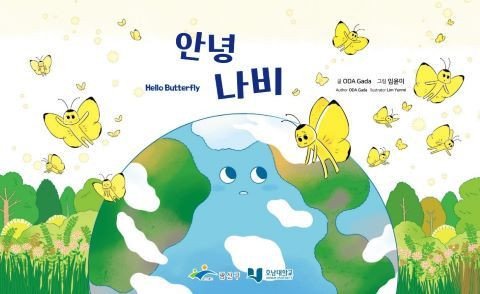 你好 蝴蝶 Год публикации: 2022 Автор: ODA Gada Организация-автор: ODA Gada | 광진구 | 호남대학교 《蝴蝶你好》是光州光山區廳與湖南大學聯合出版的“青年全球公民教育事業”的第五本繪本。主題是應對氣候變化。 這本書有助於氣候變化和環境政策,例如“快時尚”的有害影響(通過反映最新趨勢製造和分銷的衣服)、理想的服裝消費方法、零浪費(清除垃圾)和綠色洗滌(變相的環保主義 )。它包含特定信息。 這本書採用手風琴書的形式,通過蝴蝶的眼睛描繪了這個故事,以氣候變化生物標誌物種之一的南方黃蝴蝶為主角。
 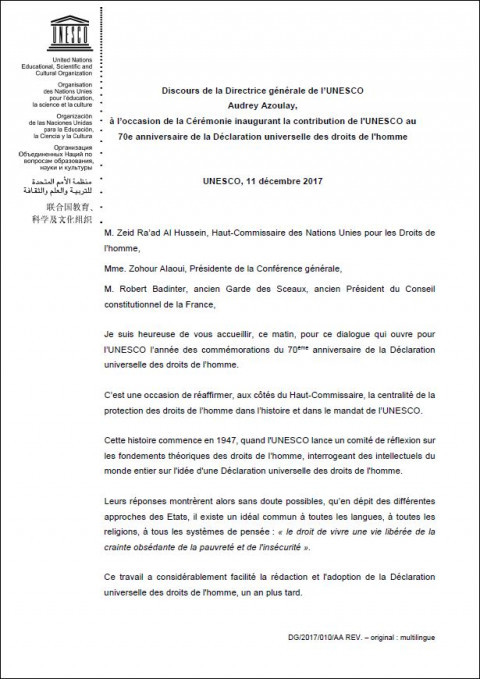 Address by Audrey Azoulay, Director-General of UNESCO, on the occasion of ceremony launching UNESCO's contribution to the 70th anniversary of the UDHR Год публикации: 2017 Организация-автор: UNESCO. Director-General, 2009-2017 (Bokova, I.G.) This address was delivered by Audrey Azoulay, Director-General of UNESCO, on the occasion of ceremony launching UNESCO's contribution to the 70th anniversary of the UDHR; UNESCO, 11 December 2017.