
Ресурсы
Изучайте широкий спектр ценных ресурсов ВГГ, чтобы углубить своё понимание и повысить эффективность исследований, просветительской деятельности, преподавания и обучения.
Найдено: 3,446
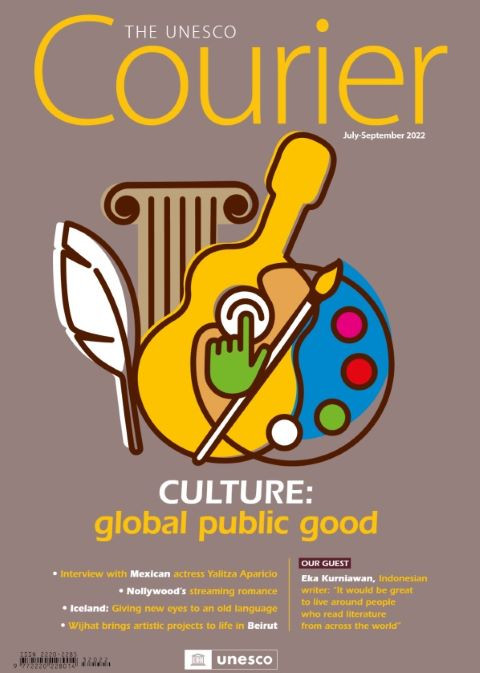 La Cultura: Un bien público mundial (The UNESCO Courier no. 3; July-September 2022) Год публикации: 2022 Организация-автор: Organización de las Naciones Unidas para la Educación, la Ciencia y la Cultura (UNESCO) Culture is what defines us in space and time – our past and present roots, our prospects. Culture is an inexhaustible and renewable resource, which adapts to changing contexts and which speaks to humans first and foremost through their capacity to imagine, create and innovate. Culture is our most powerful global public good. In the words of Javier Pérez de Cuéllar, former Secretary-General of the United Nations, culture has a role “as a desirable end in itself, as giving meaning to our existence”. Today, more than ever, we need to find meaning, we need universality, we need culture in all its diversity. La Culture: Un bien public mondial (The UNESCO Courier no. 3; July-September 2022) Год публикации: 2022 Организация-автор: Organisation des Nations Unies pour l'éducation, la science et la culture (UNESCO) Culture is what defines us in space and time – our past and present roots, our prospects. Culture is an inexhaustible and renewable resource, which adapts to changing contexts and which speaks to humans first and foremost through their capacity to imagine, create and innovate. Culture is our most powerful global public good. In the words of Javier Pérez de Cuéllar, former Secretary-General of the United Nations, culture has a role “as a desirable end in itself, as giving meaning to our existence”. Today, more than ever, we need to find meaning, we need universality, we need culture in all its diversity.
 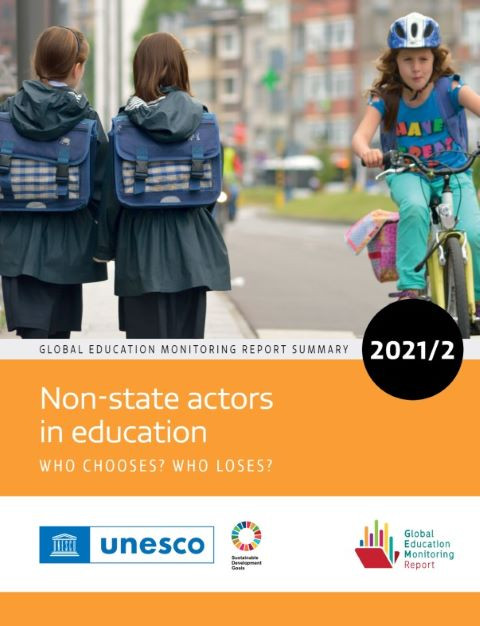 [Summary] Global Education Monitoring Report 2021/2: Non-state Actors in Education: Who Chooses? Who Loses? Год публикации: 2022 Организация-автор: UNESCO Non-state actors’ role extends beyond provision of schooling to interventions at various education levels and influence spheres. Alongside its review of progress towards SDG 4, including emerging evidence on the COVID-19 pandemic’s impact, the 2021/2 Global Education Monitoring Report urges governments to see all institutions, students and teachers as part of a single system. Standards, information, incentives and accountability should help governments protect, respect and fulfill the right to education of all, without turning their eyes away from privilege or exploitation. Publicly funded education does not have to be publicly provided but disparity in education processes, student outcomes and teacher working conditions must be addressed. Efficiency and innovation, rather than being commercial secrets, should be diffused and practiced by all. To that end, transparency and integrity in the public education policy process need to be maintained to block vested interests. The report’s rallying call – Who chooses? Who loses? – invites policymakers to question relationships with non-state actors in terms of fundamental choices: between equity and freedom of choice; between encouraging initiative and setting standards; between groups of varying means and needs; between immediate commitments under SDG 4 and those to be progressively realized (e.g. post-secondary education); and between education and other social sectors.
  Перспективы развития сотрудничества республики Узбекистан и ООН в обеспечении экологических прав человека (ORIENS; Выпуск 3, № 5) Год публикации: 2023 Автор: Арзиев Алишер Бахритдинович В данной статье раскрываются основные аспекты направления сотрудничества Республики Узбекистан и ООН в обеспечении экологических прав человека. Рассмотрена и проанализирована деятельность государства в реализации международных проектов и нормативно-правовой активности, направленных на сохранение окружающей среды, экологического климата и здоровья граждан. Определены основные проблемы, являющиеся наиболее актуальными на сегодняшний день в сфере защиты экологических прав человека.
 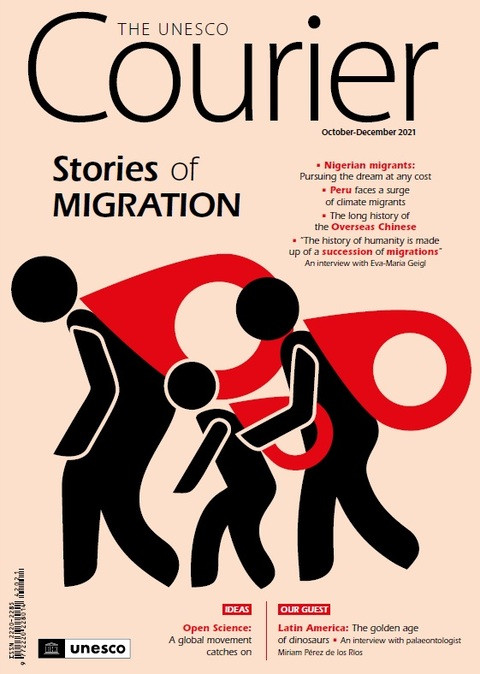 Stories of MIGRATION (The UNESCO Courier no. 4; October-December 2021) Год публикации: 2021 Организация-автор: UNESCO Through nine stories about migration, this feature story explores the prevalent phenomenon of migration in the context of globalization, and examines the problems and issues related to migration. 移民的故事 (The UNESCO Courier no. 4; October-December 2021) Год публикации: 2021 Организация-автор: 联合国教科文组织 (UNESCO) 本专题报道通过9个关于移民的故事,探讨全球化背景下普遍的移民现象,并探讨与移民有关的困境及问题。
 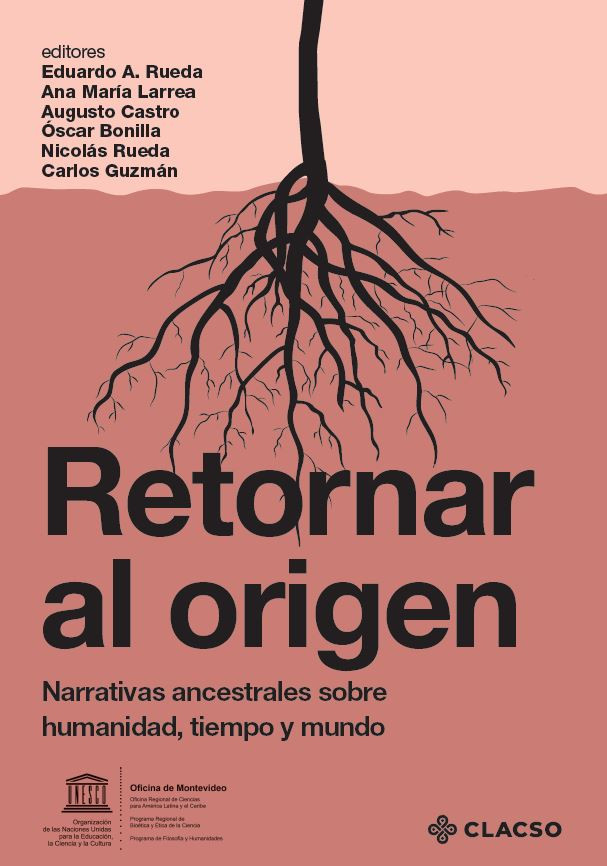 Return to the Origin: Ancient Narratives about Humanity, Time and the World Год публикации: 2022 Автор: Eduardo A. Rueda | Ana María Larrea | Augusto Castro | Óscar Bonilla | Nicolás Rueda | Carlos Guzmán Организация-автор: Latin American Council of Social Sciences (CLACSO) | UNESCO In this brief reflection, only in an introductory way, two questions are addressed. The first has to do with the relevance or impertinence of a program to record the narratives of our original peoples about the origins and trajectories of humanity. In relation to this first point, they are interested in proposing the bases for an emancipatory approach, that is, counter-hegemonic, of the original narratives. The second question asks about the consequences that it has, for the self-understanding of the crises and tensions of current societies, to highlight non-Western conceptions of human origins and trajectories. Retornar al origen: Narrativas ancestrales sobre humanidad, tiempo y mundo Год публикации: 2022 Автор: Eduardo A. Rueda | Ana María Larrea | Augusto Castro | Óscar Bonilla | Nicolás Rueda | Carlos Guzmán Организация-автор: Latin American Council of Social Sciences (CLACSO) | Organización de las Naciones Unidas para la Educación, la Ciencia y la Cultura (UNESCO) En esta breve reflexión se abordan, apenas de modo introductorio, dos cuestiones. La primera tiene que ver con la pertinencia o impertinencia de un programa de registro de las narrativas de nuestros pueblos originarios sobre los orígenes y trayectorias de la humanidad. Les interesa, en relación con este primer punto, proponer las bases para un abordaje emancipatorio, es decir, contrahegemónico, de las narrativas originarias. La segunda cuestión se interroga por las consecuencias que tiene, para la autocomprensión de las crisis y tensiones de las sociedades actuales, poner en evidencia concepciones no occidentales de los orígenes y las trayectorias humanas.
 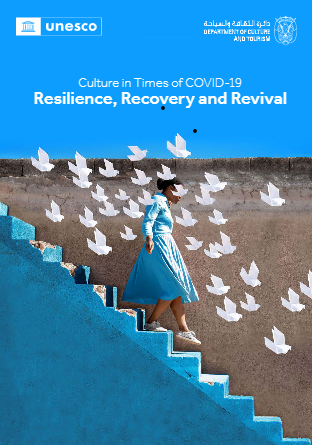 Culture in Times of COVID-19: Resilience, Recovery and Revival Год публикации: 2022 Организация-автор: UNESCO | United Arab Emirates. Department of Culture and Tourism Culture in Times of COVID-19: Resilience, Recovery and Revival offers key insights on trends and structural transformations that can boost the culture sector as a cornerstone of an economy built on sustainability and well-being.A set of strategic development considerations are put forward for governments and their partners, in both the public and private sectors, to promote the value of culture as a public good, encourage cross-sector collaboration and holistically address the essential needs of the sector, while supporting cultural professionals in adapting to a changing world and providing equal access and opportunities across the culturalvalue chain.
 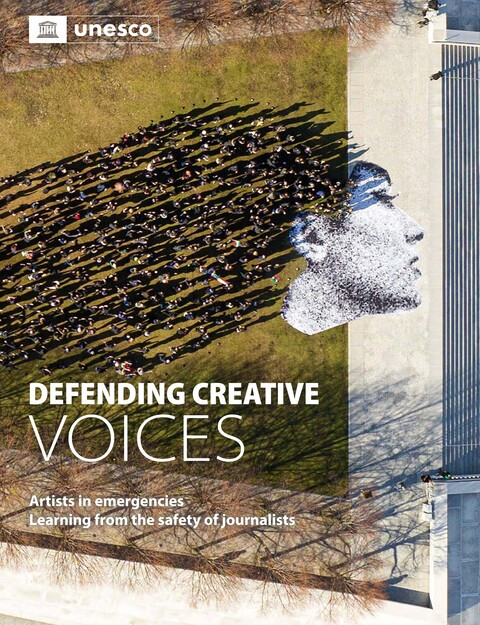 Defending Creative Voices: Artists in Emergencies, Learning from the Safety of Journalists Год публикации: 2023 Автор: Rosario Soraide Организация-автор: UNESCO Artists and cultural professionals often come across significant challenges to their freedom of expression, including violence and harassment – online and offline – legal persecution, detention, imprisonment and, in the worst of cases, murder. Emergency situations can result in additional risks for them, as many become increasingly targeted in connection to the visibility of their work and see their livelihoods impacted upon by income loss and unemployment in the cultural sector. While the attacks and threats that artists and cultural professionals face during emergencies are similar to those affecting journalists, they do not receive the same level of attention nor access to protection mechanisms and opportunities for assistance. Over the past decades, a strong framework has emerged to advance journalists’ safety at international, regional and national levels, including through legal and regulatory instruments, protection mechanisms, support networks and consistent collective mobilization for their rights. Despite growing awareness of the vulnerability of artists and cultural professionals in emergency contexts and increased efforts to safeguard their rights and ensure their safety, progress in this regard remains comparatively much more incipient. With the support of UNESCO’s Culture and Communication and Information Sector, and based on a comparative analysis, this study therefore aims to strengthen the protection of artists and cultural professionals during emergencies by drawing lessons from the experience, challenges, and achievements in the field of journalists’ safety. It presents actionable recommendations and identifies areas in which synergies between key stakeholders promoting, respectively, artistic and media freedom could serve to reinforce the protection of both at-risk artists and journalists.