
Ресурсы
Изучайте широкий спектр ценных ресурсов ВГГ, чтобы углубить своё понимание и повысить эффективность исследований, просветительской деятельности, преподавания и обучения.
Найдено: 3,226
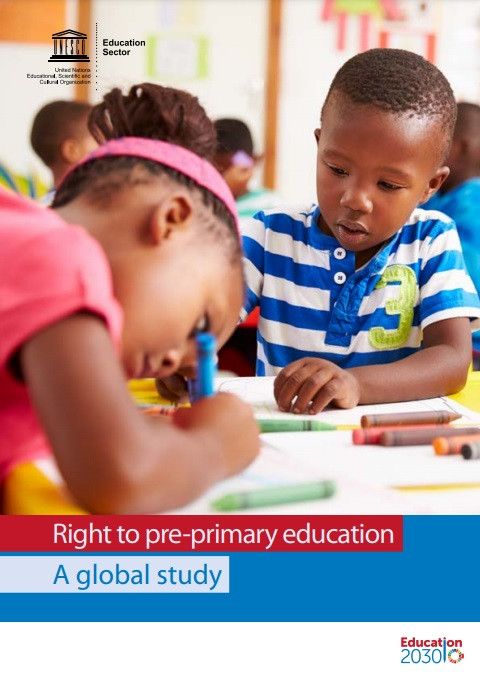 Right to Pre-Primary Education: A Global Study Год публикации: 2021 Организация-автор: UNESCO Early childhood care and education is increasingly recognized as an essential element in realizing a wide range of educational, social and economic rights. Children from vulnerable households and communities stand to gain most from access to quality early learning opportunities. With about 50 per cent of children globally not yet enrolled in pre-primary education, enabling their inclusion remains a central question for education policymakers, stakeholders and parents.This Study provides a global overview and an analysis of the adoption of legal provisions for free and compulsory pre-primary education at national level. By offering a rights-based perspective to the implementation of pre-primary education, it aims to complement existing literature on SDG Target 4.2, which focuses mainly on policy outcomes.The results show that pre-primary education is a well determined and defined right in too few countries. Yet, the benefit of free and compulsory education observed is that children appear to have higher rates of early childhood well-being.In light of the research conducted and its main conclusions, a set of levers to promote the inclusion of early childhood and pre-primary education as a human right within long-term education and development objectives are presented in terms of governance and financing, legal framework, societal expectations, monitoring and evaluation and early childhood development overall. Prioritizing the needs of young children and the fulfilment of their right to free and compulsory pre-primary education is a critical opportunity for governments to make positive differences in children’s lives and to achieve broader national, social and economic goals.
  لعربية للإدماج الحضري: تعزيز الإدماج الحضري من خلال المشاركة العامة، والوصول إلى المعلومات، والرياضة والتربية على المواطنة وحقوق الإنسان Год публикации: 2020 Автор: Kareem Ibrahim | Deena Khalil | Marwa Barakat | Salwa Salman Организация-автор: UNESCO | European Training and Research Centre for Human Rights and Democracy (Austria) | UNESCO Cairo ً ً ـا متسـارع ّ ا، حيـث باتـت تسـتضيف أكـر مـن نصـف سـكان املنطقـة. وتحولـت معظـم املـدن العربيـة ً تشـهد املـدن العربيـة توسـعا حرضي ّـات والثقافـات واألعـراق. وميكـن لهـذه التحـوالت أن تسـهم يف تحقيـق الرخـاء ِبف ّ عـل عوامـل مختلفـة إىل فضـاءات مختلطـة، تتنـوع فيهـا الهوي ًــا محــوره اإلنســان، وتطبيــق سياســات وتدابــر دامجــة مــن شــأنها توفــر الفــرص االجتامعــي بــرط اعتــا ً د مســؤويل املــدن نهجــا حقوقي املتسـاوية لجميـع السـكان. ُقـدم مجموعـة مـن األدوات والنصائـح العمليـة ليسرتشـد بهـا قـادة املـدن عـى هـذه الخلفيـة، يـأيت دليـل املـدن العربيـة لإلدمـاج الحـري لي العربيــة واملســؤولون بالحكومــات املحليــة يف مســعاهم نحــو إقامــة مــدن شــاملة ومســتدامة. ينطلــق الدليــل مــن خــرات وتجــارب املــدن ّ املنتسـبة لتحالـف املـدن العربيـة ضـد ّ العنرصيـة والتمييـز وكراهيـة األجانـب والتعصـب يف تخطيـط وتنفيـذ وتقييـم برامـج ومشـاريع تُعـزز اإلدمـاج الحـري وتتصـدى لإلقصـاء بأشـكاله كافـة. ويركّـز الدليـل عـى أربعـة موضوعـات اعتربتهـا املـدن األعضـاء يف التحالـف مـن ضمـن أولوياتهـا، وهـي: املشـاركة العامـة، والوصـول إىل املعلومـات، والرياضـة مـن أجـل إدمـاج الشـباب، والرتبيـة عـى املواطنـة وحقـوق اإلنسـان. Toolkit for Urban Inclusion in Arab Cities: Cities Promoting Inclusion Through Public Participation, Access to Information, Sport, and Citizenship and Human Rights Education Год публикации: 2020 Автор: Kareem Ibrahim | Deena Khalil | Marwa Barakat | Salwa Salman Организация-автор: UNESCO | European Training and Research Centre for Human Rights and Democracy (Austria) | UNESCO Cairo Arab cities are witnessing an unprecedented expansion. Home to more than half of the region’s population, Arab cities have transformed into heterogeneous spaces that host diverse identities, cultures, and ethnicities. In order for this transformation to lead to prosperity, city officials must adopt a rights-based, human-centred approach, and implement inclusive policies and measures that provide equal opportunities for all.In this context, the Toolkit for Urban Inclusion in Arab Cities provides Arab city leaders and local government officials with practical tools and advice to guide their efforts towards establishing inclusive and sustainable cities. The Toolkit is based on the real experiences and practices of cities members of the Coalition of Arab Cities against Racism, Discrimination, Xenophobia and Intolerance in planning, implementing and evaluating programs and projects that promote urban inclusion and combat exclusion in all its forms.The Toolkit focuses on four topics of high priority to the Arab Coalition member cities: public participation, access to information, sport for youth inclusion, and citizenship and human rights education. Manuel des villes arabes pour l’inclusion urbaine: Promouvoir l’inclusion urbaine par la participation publique, l’accès à l’information, le sport, et l’éducation à la citoyenneté et aux droits de l’homme Год публикации: 2020 Автор: Kareem Ibrahim | Deena Khalil | Marwa Barakat | Salwa Salman Организация-автор: UNESCO | European Training and Research Centre for Human Rights and Democracy (Austria) | UNESCO Cairo Les villes arabes connaissent un développement urbain accéléré qui les a amenées à réunir plus de la moitié de la population régionale. Une combinaison de nombreux facteurs a transformé la majorité des villes arabes en lieux de brassage où abondent les identités, les cultures et les ethnies variées. Ces transformations peuvent contribuer à la réalisation de la prospérité sociale, à condition que les responsables des villes adoptent un programme législatif centré sur les droits de l’homme, et qu’ils mettent en œuvre des politiques et des dispositions susceptibles de réaliser l’inclusion de manière à assurer l’égalité des chances à tous leurs habitants. Dans ce contexte, le Manuel des villes arabes pour l’inclusion urbaine propose un ensemble d’outils et de conseils pratiques susceptibles de servir de guide aux édiles des villes arabes et aux responsables des gouvernements locaux dans leur quête pour la mise en place de villes inclusives et durables. Le Manuel prend pour base les acquis et expériences de la Coalition des villes arabes contre le racisme, la discrimination, la xénophobie et l’intolérance dans la planification, la réalisation et l’évaluation de programmes et de projets pour favoriser l’inclusion sociale et pour s’opposer à l’exclusion sous toutes ses formes. Le Manuel est centré sur quatre questions désignées par les villes membres parmi leurs priorités : La Participation publique, l’Accès à l’information, le Sport pour l’inclusion des jeunes, l’Éducation à la citoyenneté et aux droits de l’homme.
 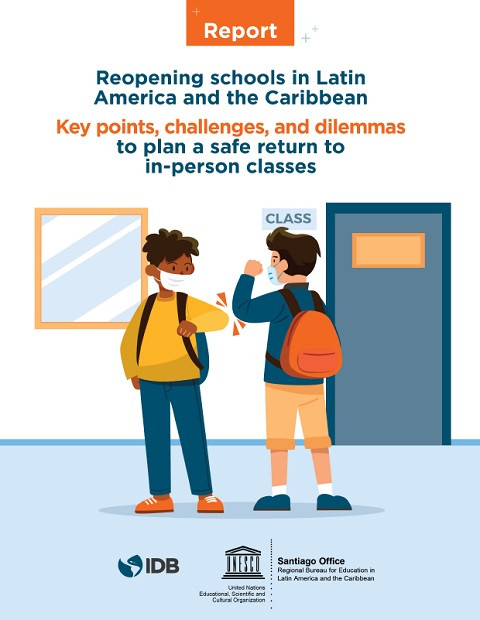 Reopening Schools in Latin America and the Caribbean: Keys, Challenges, and Dilemmas to Plan for a Safe Return to in-Person Classes Год публикации: 2021 Автор: Alejandro Vera | Martín Scasso | Alejandro Morduchowicz | Cecilia Berlanga Alessio Robles Организация-автор: UNESCO Santiago | Inter-American Development Bank The suspension of in-person classes as a consequence of the COVID-19 pandemic profoundly affected the education systems in Latin America and the Caribbean (LAC) and compromised the achievements reached around the goals established in the SDG4-Education 2030 Agenda. The most vulnerable people have been the most affected by this situation, which widened the preexisting gaps. The countries of the region have carried out great efforts to guarantee the continuity of learning. However, these have been limited by the challenges that this unprecedented crisis brought, aggravated by unequal conditions in access to infrastructure and other resources that affect broad sectors of the population.This report analyzes the possibilities, restrictions and needs that the countries of the region will face during the process of returning to in-person classes, considering five dimensions: (i) safe schools (school infrastructure, access to water and sanitation); (ii) human resources (principals and teachers); (iii) access to ITC and connectivity; (iv) education financing and (v) information and planning. Reabrir las escuelas en América Latina y el Caribe: Claves, desafíos y dilemas para planificar el retorono seguro a las clases presenciales; Reporte Год публикации: 2021 Автор: Alejandro Vera | Martín Scasso | Alejandro Morduchowicz | Cecilia Berlanga Alessio Robles Организация-автор: UNESCO La suspensión de clases presenciales como consecuencia de la pandemia de COVID-19 afectó profundamente los sistemas educativos de América Latina y el Caribe, y puso en riesgo los avances alcanzados en torno al cumplimiento de las metas establecidas en la Agenda ODS 4-Educación 2030. Las poblaciones más vulnerables se han visto más afectadas por esta situación, lo cual acrecentó las brechas preexistentes. Los países de la región llevaron a cabo enormes esfuerzos para garantizar la continuidad de los aprendizajes. Sin embargo, se ven limitados por los desafíos que presenta este contexto inédito de crisis y agravados por las desiguales condiciones de acceso a infraestructura y otros recursos que afectan a vastos sectores de la población.El reporte analiza las posibilidades, restricciones y necesidades que enfrentarán los países de la región durante el proceso del regreso a las clases presenciales, considerando cinco dimensiones: (i) escuelas seguras (infraestructura escolar, acceso al agua y saneamiento); (ii) recursos humanos (directores y docentes); (iii) acceso a TIC y conectividad, (iv) financiamiento de la educación y (v) información y planificación.
 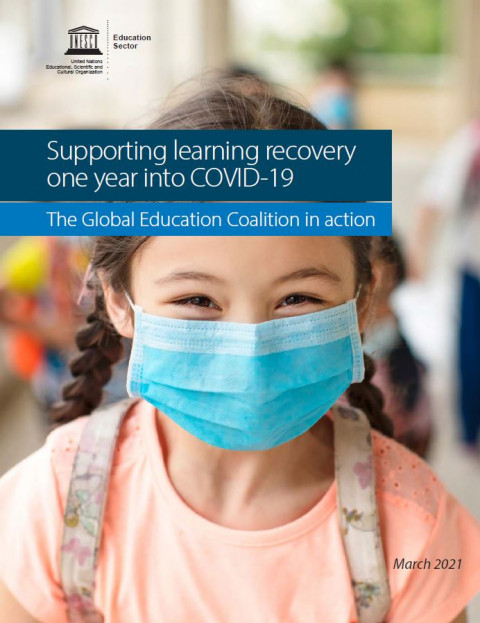 Supporting Learning Recovery One Year into COVID-19: The Global Education Coalition in Action Год публикации: 2021 Организация-автор: UNESCO | Global Education Coalition The Global Education Coalition, launched by UNESCO, is a platform for collaboration and exchange to protect the right to education during this unprecedented disruption and beyond.This is the annual report of the Coalition, which builds on the inaugural report published in September 2020, and covers the activity between March 2020 and March 2021.
 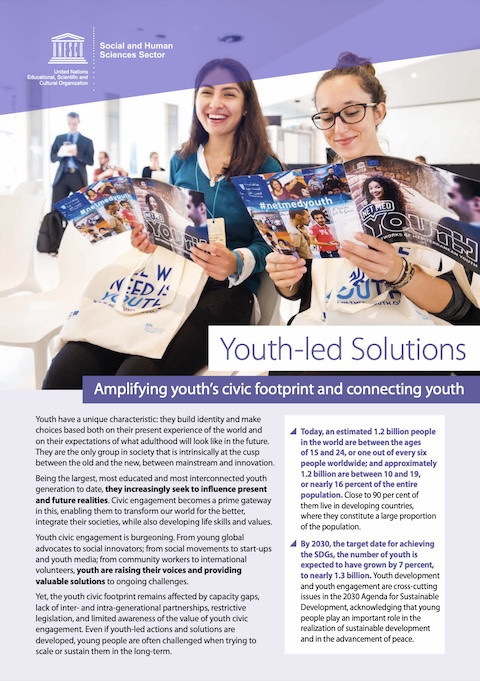 Soluciones impulsadas por las juventudes: Ampliar la huella cívica de las personas jóvenes y ponerles en contacto Год публикации: 2019 Организация-автор: Organización de las Naciones Unidas para la Educación, la Ciencia y la Cultura (UNESCO) La Organización de las Naciones Unidas para la Educación, la Ciencia y la Cultura (UNESCO) cree en el valor de la participación cívica de las personas jóvenes y en las soluciones que generan . Con el fin de colaborar de forma productiva con las juventudes, trabajamos con ellas considerándolas generadoras del cambio y socias, no meras beneficiarias, en consonancia con nuestra Estrategia Operacional sobre la Juventud (2014-2021). Aplicamos estrategias y programas de punta que contribuyen a conformar un ecosistema propicio para una participación cívica significativa, eficaz y sostenible de las personas jóvenes. Solutions pilotées par les jeunes: Renforcer la responsabilité civique des jeunes et les connecter entre eux Год публикации: 2019 Организация-автор: Organisation des Nations Unies pour l'éducation, la science et la culture (UNESCO) L’UNESCO reconnaît la valeur de l’engagement civique des jeunes et des solutions proposées par ces derniers. Dans la continuité de sa Stratégie opérationnelle sur la jeunesse (2014-2021), l’UNESCO est voué à associer les jeunes en tant que partenaires et porteurs de changements, et pas seulement en tant que bénéficiaires. Nous mettons en place des approches et des programmes de pointe qui contribuent à façonner un écosystème propice à un engagement civique significatif, efficace et durable des jeunes.
 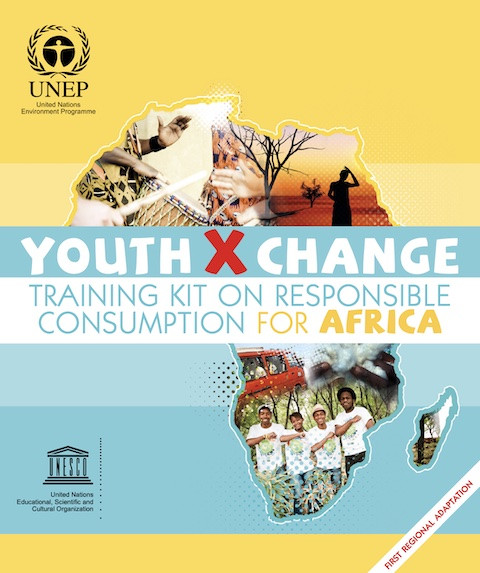 YouthXchange Training Kit on Responsible Consumption for Africa Год публикации: 2017 Автор: Carme Martinez-Roca | Victoria Thoresen Организация-автор: UNESCO | United Nations Environment Programme (UNEP) Young people from all walks of life play a critical role in delivering the 17 goals of the 2030 Agenda for Sustainable Development, particularly in areas like education, lifestyle and responsible consumption and production. As the consumers of today and decision-makers of tomorrow, they define the demand for goods and services and have the power to drive economic prosperity, environmental sustainability and social equality.This approach underpins the YouthXchange Initiative, which contributes to the Global Action Programme on Education for Sustainable Development and aligns with the goals of the 2030 Agenda. The initiative promotes equitable, informed and efficient consumption, while the training kit supports that effort with clear, reliable and compelling information. As well as outlining the relationship between the environment, the economy and social justice, the kit uses case studies to showcase the available opportunities and encourage readers to take shared responsibility for their future, starting with their own attitudes and behaviours.