
Ресурсы
Изучайте широкий спектр ценных ресурсов ВГГ, чтобы углубить своё понимание и повысить эффективность исследований, просветительской деятельности, преподавания и обучения.
Найдено: 55
 Éducation à la Citoyenneté Mondiale en Europe: Combien compte-t-elle pour nous? Год публикации: 2018 Организация-автор: European confederation of Relief and Development NGOs (CONCORD) Cette étude analyse le niveau des financements de l’éducation à la citoyenneté mondiale par les gouvernements nationaux à travers les États membres de l’UE, ainsi que la Norvège, entre 2011 et 2015. Le postulat de l’idée transparaît dans son intitulé « combien compte-telle pour nous ». En effet, un des indicateurs déterminants de l’engagement d’un pays en faveur d’une solidarité mondiale et d’une sensibilisation de ses propres citoyens aux interdépendances mondiales est le montant de financements publics dédiés à l’Education à la Citoyenneté Mondiale (mentionnée ci-après ECM). Le montant des fonds nationaux dédiés à l’ECM est directement lié à d’autres facteurs aux niveaux national et international, qui conditionnent l’ampleur du soutien et des engagements des gouvernements en faveur de l’ECM. Ainsi, au-delà de l’analyse des données liées aux financements, cette étude vise à explorer les contextes dans lesquels opèrent les gouvernements et les ONG, afin de brosser un tableau complet de l’état de l’ECM en Europe.
 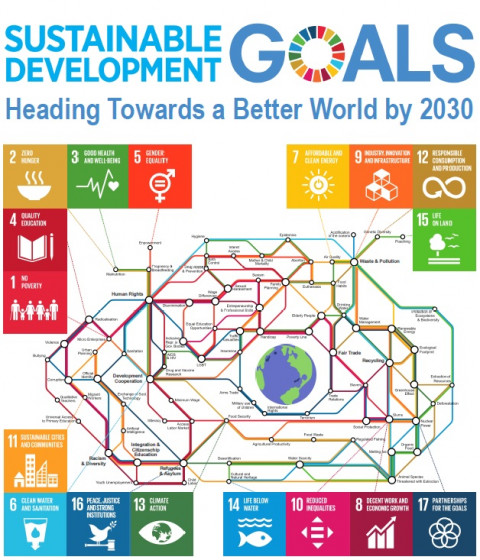 A metro map illustrated in the 17 sustainable development goals Год публикации: 2018 Автор: Rembert Jonckheere Организация-автор: ASPnet Flanders (Belgium) “Tackling one SDG… is tackling all of them!”This metro map is a complex illustration of the 17 sustainable development goals. With different kinds of topics as service stations and the SDG’s connecting them, it shows how the goals can relate to each other, and thus it emphasises their holistic nature. I do not pretend to be completely exhaustive or correct. Probably one can add more links and topics, but this map could be helpful in education or in other institutions as a source of inspiration to start up projects within the framework of the sustainable development goals.
  ÉDUCATION A LA PHILOSOPHIE ET A LA CITOYENNETÉ : AVEC LES PARENTS ? (Analyse UFAPEC 2016) Год публикации: 2016 Автор: Bernard Hubien Организация-автор: Union francophone des associations de parents de l'enseignement catholique (UFAPEC) L'éducation à la philosophie et à la citoyenneté est une mission fondamentale de l'école. En septembre dernier, la Fédération Wallonie-Bruxelles a publié un référentiel qui décrit les objectifs et les contenus attendus de cette éducation. Si l'école a donc son rôle dans cet apprentissage fondamental, on peut se demander où sont les parents. Un partenariat positif et une école qui met en cohérence cette éducation avec ses pratiques devrait permettre à chaque enfant de grandir en devenant un citoyen, responsable, actif, critique et solidaire, enjeu sociétal plus que jamais d'actualité.
 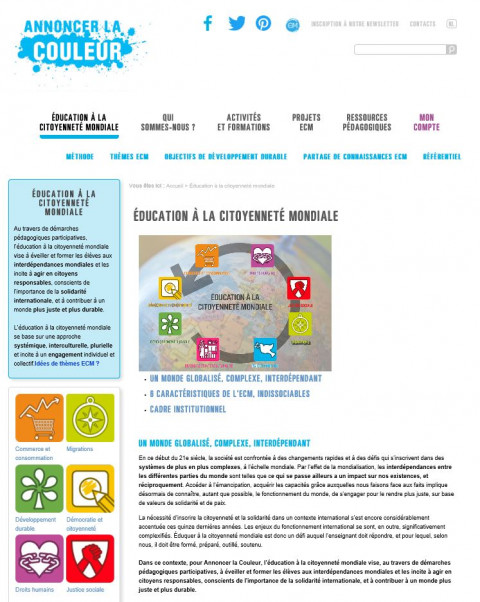 Éducation à la citoyenneté mondiale Организация-автор: Annoncer la Couleur (ALC) En ce début du 21e siècle, la société est confrontée à des changements rapides et à des défis qui s'inscrivent dans des systèmes de plus en plus complexes, à l'échelle mondiale. Par l’effet de la mondialisation, les interdépendances entre les différentes parties du monde sont telles que ce qui se passe ailleurs a un impact sur nos existences, et réciproquement. Accéder à l’émancipation, acquérir les capacités grâce auxquelles nous faisons face aux faits implique désormais de connaître, autant que possible, le fonctionnement du monde, de s'engager pour le rendre plus juste, sur base de valeurs de solidarité et de paix.La nécessité d’inscrire la citoyenneté et la solidarité dans un contexte international s’est encore considérablement accentuée ces quinze dernières années. Les enjeux du fonctionnement international se sont, en outre, significativement complexifiés. Éduquer à la citoyenneté mondiale est donc un défi auquel l’enseignant doit répondre, et pour lequel, selon nous, il doit être formé, préparé, outillé, soutenu.Dans ce contexte, pour Annoncer la Couleur, l’éducation à la citoyenneté mondiale vise, au travers de démarches pédagogiques participatives, à éveiller et former les élèves aux interdépendances mondiales et les incite à agir en citoyens responsables, conscients de l'importance de la solidarité internationale, et à contribuer à un monde plus juste et plus durable.
 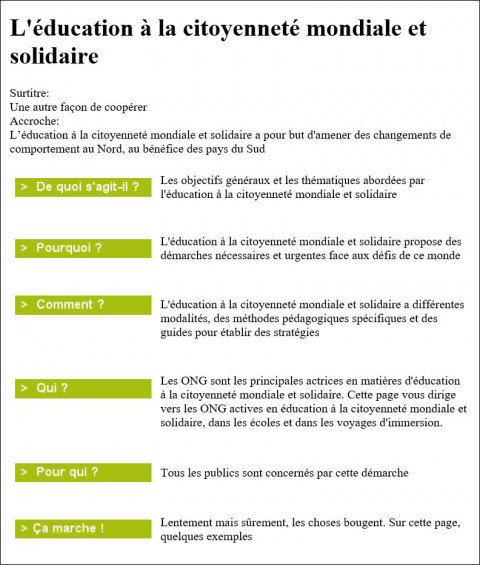 L'éducation à la citoyenneté mondiale et solidaire : Une autre façon de coopérer Организация-автор: Les ONG membres d'ACODEV L’éducation à la citoyenneté mondiale et solidaire est un processus qui vise le changement social. Elle a pour but de permettre aux individus de s’approprier une conviction empreinte de solidarité internationale et de la manifester par des engagements concrets, individuels et collectifs. Objectifs généraux: Faciliter une compréhension globale des enjeux du développement et des mécanismes d’exploitation injustes qui engendrent des relations inégalitaires entre le Nord et le Sud ; Accompagner l’acquisition d’un regard conscient et critique de la réalité, tant au niveau de relations microsociales qu’au niveau macro ; Favoriser un meilleur dialogue entre les citoyens à travers une approche interculturelle basée sur le respect mutuel et l’égalité ; Promouvoir des valeurs, attitudes, et aptitudes liées à la solidarité
 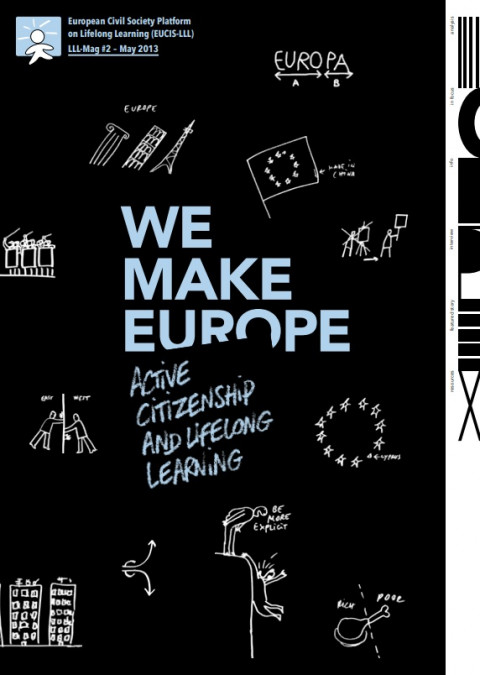 We Make Europe: Active Citizenship and Lifelong Learner Год публикации: 2013 Организация-автор: European Civil Society Platform on Lifelong Learning (EUCIS-LLL) This material captures some of the sparks of civic engagement and aimed to contribute to the debates that took place in the context of the European Year of Citizens 2013. Its purpose was to bring together various perspectives and experiences in order to show the wealth and dynamism as well as the limitations and pitfalls of what is active European citizenship nowadays.
  Peace Education: Making the Case Год публикации: 2019 Автор: Darijn Dilia Zwart Организация-автор: Quaker Council for European Affairs (QCEA) This publicaiton shows how peace education has responded to difficult political contexts over the decades and demonstrates that peace education is relevant to conflict prevention and peacebuilding today. The report makes the case for a multi-layered approach to peace education which requires a cohesive, coordinated strategy for peace education as a peacebuilding and conflict prevention tool across relevant EU internal and external policies and programmes.
  Global Citizenship Education: Solidar Foundation Policy Paper Год публикации: 2020 Организация-автор: Solidar Foundation | Erasmus+ The purpose of this paper is to provide recommendations supported by our members, based on their work in formal, non-formal and informal education, to expand GCE at national and European level. Considering how GCE is linked many times with formal education, the recommendations reveal the work of our members outside of this, building upon the need for a multi-stakeholder approach that spans across the entire learning process. This policy paper guides SOLIDAR Foundation’s work in influencing developments related to the EU’s Updated Skills Agenda, European Education Area, Action Plan for the Implementation of the European Pillar of Social Rights, and the European Green Deal, given how all provide an opportunity for GCE to be embraced as a necessity rather than an added-value.
 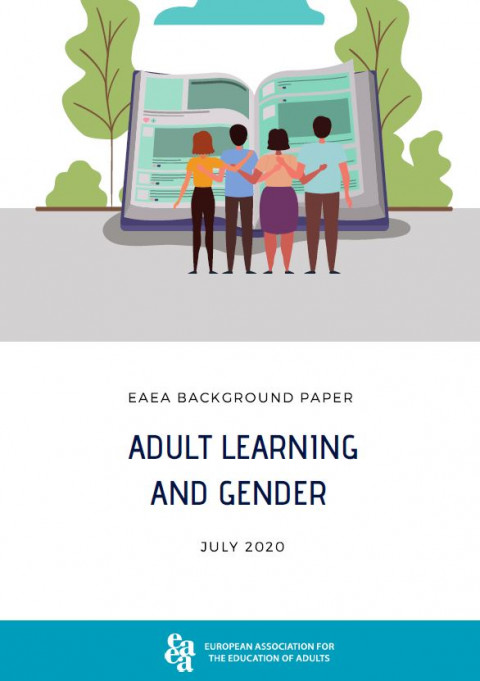 Adult Learning and Gender: EAEA Background Paper Год публикации: 2020 Автор: Agatha Devlin Организация-автор: European Association for the Education of Adults (EAEA) Gender sensitivity in adult learning and education (ALE) is about more than trying to improve targeted outreach programmes for men and women who seem to be slipping through the gaps. By providing gender sensitive education opportunities, people are not only more likely to engage but also more likely to get the most out of their experiences. This background paper explores the problems that gender sensitive adult education could attempt to solve, good practices and examples to help make current structures more gender sensitive, and the wider benefits of gender sensitivity in ALE.This background paper takes various subtopics or examples of gender sensitivity in adult education and analyses them as individual areas, making its content easier to navigate according to the reader’s interests or concerns.
 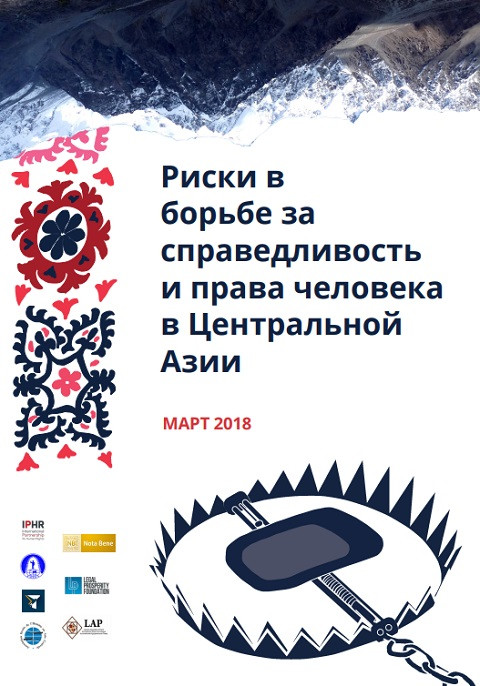 Risks in the Fight for Justice and Human Rights in Central Asia: Protecting Civil Society in the Region in 2017 Год публикации: 2018 Организация-автор: International Partnership for Human Rights (IPHR) This 2017 report provides an overview of the main trends regarding civil society in five countries of Central Asia: Kazakhstan, Kyrgyzstan, Tajikistan, Turkmenistan and Uzbekistan. The report is mainly based on the results of monitoring conducted by Central Asian organizations in their countries and on regular reports prepared jointly with IPHR as part of the CIVICUS Monitor initiative aimed at monitoring the state of civil society worldwide.