
Ресурсы
Изучайте широкий спектр ценных ресурсов ВГГ, чтобы углубить своё понимание и повысить эффективность исследований, просветительской деятельности, преподавания и обучения.
Найдено: 57
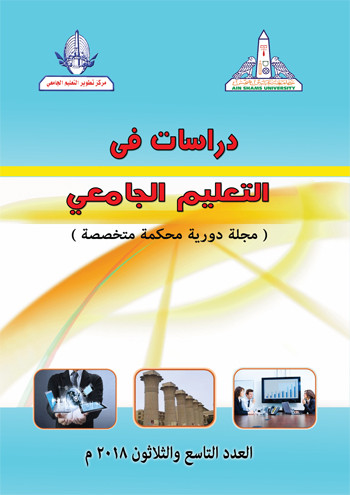 Preventive Education for Educational Institutions in Confronting Ideological Extremism Год публикации: 2015 Автор: Muhammad Hassan Организация-автор: Ain Shams University The problem in this study is summarized by the following question: How do educational institutions face the problem of ideological extremism through preventive education? Hence, the study aims to achieve some benefits for those interested in education and confronting extremism, such as: 1) Identifying the concepts of extremism and preventive education in facing it. 2) Identify the dangers of the phenomenon of intellectual extremism and its effects among members of society. 3) Identifying the most prominent regional challenges that have a direct impact on spreading deviant thought. 4) Standing on the educational role in confronting this phenomenon, as represented by some educational institutions. 5) Highlighting some educational requirements in preventing the dangers of intellectual extremism.This study relies on the analytical descriptive approach. After the study procedures, which included the following: Preventive education and the challenges of the times, where the concept of education, its importance, objectives and fields, and contemporary intellectual challenges affecting the subject of study were presented, and then intellectual extremism: its concept of its causes and dangers, moving to the requirements of the preventive role of education in facing intellectual extremism. The study concluded the following: Intellectual extremism does not express a situation isolated from the general social and cultural context, but rather the necessity of one of its direct or implicit results. Hence, any treatment of intellectual extremism must be aware of the reality of the family, school, university, mosque, and cultural and media production. The more treatments are directed horizontally, noting the different dimensions and elements, the more feasible and beneficial the results will be.
 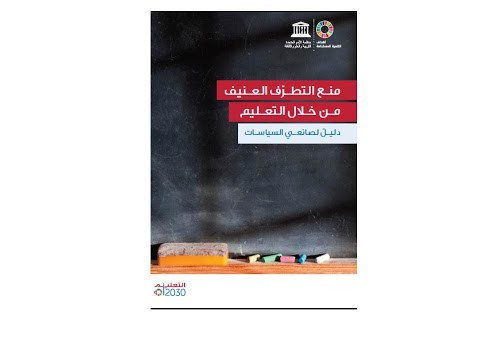 منع التطرف من خلال التعليم: بيئة مدرسية آمنة وداعمة Год публикации: 2020 Автор: Mohammad Madbouli يتحدث الفيديو عن منع التطرف في المدارس. يستخدم المقدم دليل اليونسكو لواضعي السياسات المنشور في 2018 كإطار لمناقشة منع التطرف. يتحدث المقدم عن بيئة آمنة وداعمة للطلاب في المدارس. Preventing Extremism Through Education: A Safe and Supportive School Environment Год публикации: 2020 Автор: Mohammad Madbouli This video talks about preventing extremism in schools. The presenter uses the UNESCO guide for policy-makers published in 2018 as framework for discussing preventing extremism. The presenter speaks about safe and supportive environment for students in schools.
  التعليم من آجل المشاركه: مدارس الديمقراطية Год публикации: 2015 Организация-автор: Civic Education for Participation Project (CEFP) Egyp الفيديو يعرض فكرة مدارس الديمقراطية وما هي مرتكزاتها. الطلبة المستفيدين من هذه المدارس يستطيعون الخوض في التجارب السياسية والديمقراطية. Education for Participation: Democracy Schools Год публикации: 2015 Организация-автор: Civic Education for Participation Project (CEFP) Egyp This video shows the idea of democratic schools and their foundations. Students who benefit from these schools can delve into political and democratic experiences.
 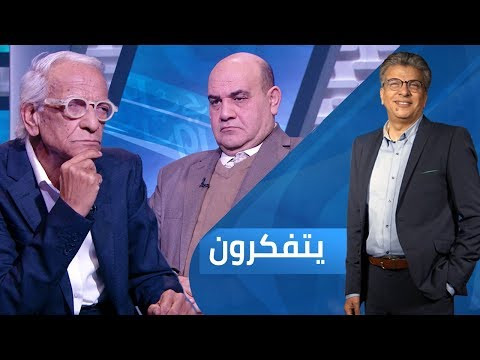 مفهوم الدين والمواطنة في الدولة الحديثة Год публикации: 2019 Организация-автор: Alghad TV حدث ظهور الإسلام نقلة نوعية في الحياة السياسية بالجزيرة العربية، حيث نجح الدين الجديد في تفكيك البنى القبلية، وتغيير المفاهيم الطبقية القائمة على الانتماءات الضيقة، لصالح مفهوم الوطن الذي يساوي بين الجميع في الحقوق والواجبات، وهو ما تجلى بوضوح في وثيقة المدينة التي نظمت العلاقة بين المسلمين واليهود وغيرهم، باعتبارهم جميعا أمة من دون الناس، و على الرغم من ذلك مازال البعض ينادي باعتبار غير المسلمين مواطنين من الدرجة الثانية، لا ولاية لهم ولا مساواة معهم في بلاد المسلمين، وهو ما يتعارض مع الأسس التي قامت عليها الدولة الوطنية الحديثة، باعتبار الدين لله، والوطن للجميع! ويطرح السؤال نفسه: هل يمكن لمفهوم الدولة أن يقوم على اعتبارات دينية تقصى الآخر وتتجاهل وجوده؟ The Concept of Religion and Citizenship in Modern Country (Yatfakroon Season 3 Episode 22) Год публикации: 2019 Организация-автор: Alghad TV The emergence of Islam took a qualitative leap in political life in the Arabian Peninsula, as the new religion succeeded in dismantling tribal structures and changing class concepts based on narrow affiliations in favor of the concept of the homeland, which equates everyone in rights and duties. This was clearly demonstrated in the Medina document that organized the relationship between Muslims, Jews and others, as they are all a nation without the people, and in spite of this, some still call for non-Muslims to be considered second-class citizens, with no jurisdiction or equality with them in Muslim countries. This contradicts the foundations on which the modern nation state was established, considering Religion is for God and the homeland for all! The same question arises: Can the concept of the state be based on religious considerations that exclude the other and ignore his existence?
  Education, Citizenship and National Integration Год публикации: 2014 Автор: Radwa Ammar Организация-автор: Social Contract Center This research paper is an introduction that explains the role of citizenship education as a basis for building a cohesive society capable of facing challenges. The paper reviews various international concepts and experiences to shed light on the importance of conducting in-depth field studies to discuss the relationship between citizenship education and national integration among members of society. It also aims to identify the most important topics, and ways of offering that It is compatible with the targeted communities by these educational programs, and to develop a strategy for educational institutions in the country to adopt this type of studies. التعليم والمواطنة والاندماج الوطني Год публикации: 2014 Автор: Radwa Ammar Организация-автор: Social Contract Center تعتبر هذه الورقة البحثية مقدمة توضح دور تعليم المواطنة كأساس لبناء مجتمع متماسك قادر على مواجهة التحديات من خلال استعراض مفاهيم وتجارب دولية مختلفة لإلقاء الضوء على أهمية إجراء دراسات متعمقة ميدانية لبحث العلاقة بين تعليم المواطنة والاندماج الوطني بين أفراد المجتمع، وتحديد أهم الموضوعات، وسُبل الطرح التي تتوافق مع المجتمعات المستهدفة من قبل هذه البرامج التعليمية، ووضع استراتيجية للمؤسسات التعليمية في الدولة لكي تتبنى هذا النوع من الدراسات.ولا تتعرض هذه الورقة بالرصد والتحليل للواقع المصري لأن أي دراسة وصفية دون البحث الميداني في الوقت الراهن لن تعرض سوى آراء مبنية بالأساس على انطباعات لا تُمكِّن من التصدي للأزمات التي يواجهها الواقع في ظل غياب دراسات متعمقة تتناول العلاقة بين تعليم المواطنة والتغييرات التي شهدها المجتمع مؤخرًا، وسُبل مواجهة التحديات.
 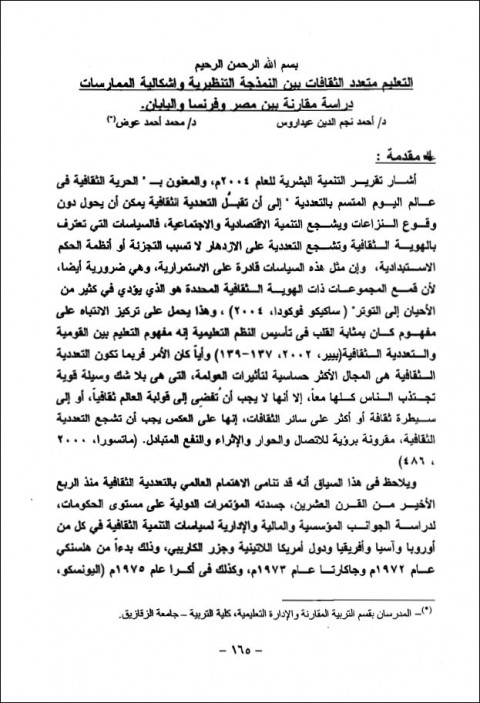 التعليم متعدد الثقافات بين النمذجة التنظيرية وإشكالية الممارسات : دراسة مقارنة بين مصر وفرنسا واليابان Год публикации: 2006 Автор: Ahmed Aidrous | Mohammed Awad Организация-автор: Zagazig University تركز هذه الورقة على دراسة التعددية الثقافية كمفهوم والنظريات والأطر والنماذج التطبيقية المرتبطة بها. وتستعرض الدراسة خبرة كلا من فرنسا واليابان ومصر، وتضع مقارنات بينها. تنتهي الدراسة بوضع تصور مقترح للتعليم متعدد الثقافات في ضوء الخبرات المعروضة.