
Ресурсы
Изучайте широкий спектр ценных ресурсов ВГГ, чтобы углубить своё понимание и повысить эффективность исследований, просветительской деятельности, преподавания и обучения.
Найдено: 684
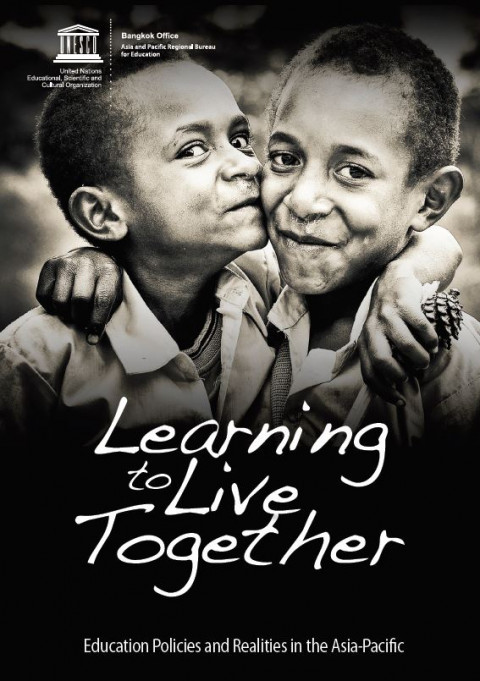 Learning to live together Год публикации: 2014 Организация-автор: UNESCO Bangkok The importance of LTLT has increased in recent years. Indeed, relevant competencies appear to be gaining focus in international frameworks and educational initiatives across countries. This is all the more necessary as Voogt and Roblin (2012) argue, given the demands of our increasingly knowledge-based society in which “ideas and knowledge function as commodities” (p. 299 –300) and to which effective social and emotional skills are critical. It is perhaps all the more critical given the multivariate global challenges in the 21st Century and the need for unified global commitment to effectively combat these challenges. In this context, the significance of LTLT is reflected in both the rise of and growing interest in Global Citizenship Education (GCE), Education for Sustainable Development (ESD), Education for International Understanding (EIU) as well as peace and human rights education. The UN Secretary-General’s Global Education First Initiative, which lists ‘Fostering Global Citizenship’ as one of its three global priorities, also implicitly recognizes the significance of LTLT as a precursor to the building of a more peaceful society, one in which discrimination is intolerable and common challenges such as climate change and abject poverty are tackled together.Yet despite the significance of LTLT in the 21st Century, and despite numerous international initiatives to foster LTLT competencies, there is a large gap of evidence identifying how this supposition is translated into effective policy and curricula, and eventually into the reality of schools, teachers and learners. This report is a response to this gap, and attempts to understand how ten selected countries in the Asia-Pacific region – Afghanistan, Australia, Indonesia, Malaysia, Myanmar, Nepal, The Philippines, Republic of Korea, Sri Lanka and Thailand – have reflected and integrated LTLT into their education policies and initiatives. This variety of countries aims to reflect their diverse experiences in terms of reflecting LTLT through their education systems. By exploring a number of areas, namely policy, curricula, teachers and assessment, this study aims to identify what has so far been achieved in education systems of the Asia-Pacific region in the area of LTLT.This report is therefore targeted predominantly at education policy makers, researchers, academics as well as education practitioners of the Asia-Pacific region. Given its connection to Global Citizenship Education and other relevant international initiatives around sustainability and peace education, this report is also relevant to UNESCO’s partner organizations and the broader educational development community.This report will first present the research framework for the study, before exploring the social and economic contexts in the ten selected countries and wider regional factors in the Asia-Pacific in relation to global challenges in Chapter Two. Chapter Three will then examine national policy frameworks, including the vision of those policies in defining LTLT in education. Chapter Four focuses on the national curriculum in selected countries and the extent to which they incorporate learning objectives, subjects, and extra-curricular activities reflecting the concept of LTLT and related skills and competencies. In Chapter Five, teaching practices are examined, including the role of teachers and teacher education, as well as teaching methods and application of media and information literacy (MIL) in the classroom. Chapter Six then looks at assessment, and how far countries have attempted to develop assessment frameworks that measure the skills and competencies related to LTLT. Finally, Chapter Seven provides reflections and conclusions based on the main findings of the study, while also identifying trends across policy domains, shortcomings and some policy considerations.
 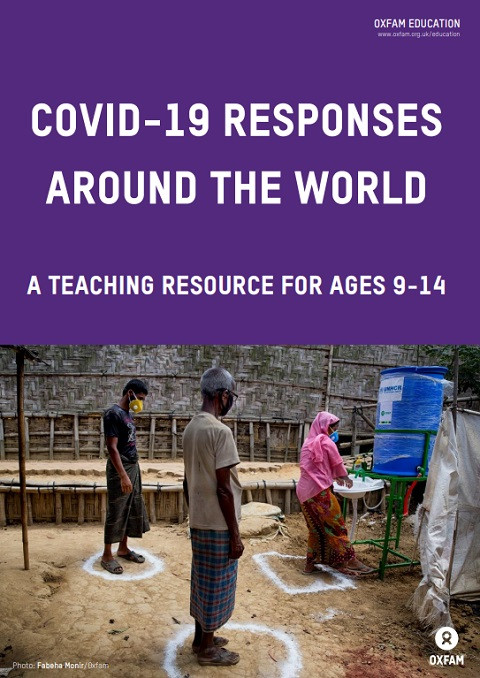 COVID-19 Responses Around the World: A Teaching Resource for Ages 9-14 Год публикации: 2021 Организация-автор: Oxfam GB This resource helps learners to discuss their thoughts and feelings about the pandemic with others. Learners will also find out about ways to stop the current ‘infodemic’ – the rapid spread of misinformation and disinformation about COVID-19.This material will help learners to:discuss their thoughts and feelings about COVID-19.investigate some of the incredible ways in which people have been responding to this crisis.understand the difference between information, disinformation and misinformation.consider their own responses to the pandemic and possible actions that they might take to manage their own wellbeing and support others.
  What Kind of Power Does Technology Have on the Development of Education: On the Development Principle of Technical Force in the Process of Educational Modernization (Modern Education Review; No.3, 2022) Год публикации: 2022 Автор: 余清臣 In the process of continuously promoting the comprehensive modernization of education, the issue of what influence technology has on the development of education has caused many debates and disputes. Therefore, it is necessary to deeply explore the connotation of technology and the possible influence of technology on the development of education. Up to now, technology has been a concept with multiple connotations, which can be divided into two levels:core essence and peripheral influence. At present, the influence of technology with multiple connotations on educational development is manifested in three aspects:technology enriches and upgrades educational means, promotes and changes the action efficiency and life form of educational subjects, and influences and changes the way the educational world is organized. In the process of comprehensively promoting the modernization of education, the planning and application of technological forces in education should focus on promoting the all-round development of mankind in the world, not on defeating or replacing other forces, and pursue the organic combination with other forces. In addition, continuous introspection, feedback and correction are also very important. 技术对教育发展具有什么样的力量: 兼论教育现代化进程中的技术力量发展原则 (现代教育论丛; No.3, 2022) Год публикации: 2022 Автор: 余清臣 在持续推进教育全面现代化的进程中,关于技术对教育发展拥有什么样影响力的问题已引发不少争议和分歧,因而有必要深入探索技术内涵以及技术对教育发展的可能影响力。不断发展至今,技术已是一个具有多重内涵的概念,可以分为内核实质与外围影响两个层次。具有多重内涵的技术对教育发展的影响力量在当前表现为三个方面:技术丰富和升级着教育手段,技术提升和改变着教育主体的行动效能和生命形态,技术影响和转变着教育世界的组织方式。在全面推进教育现代化的过程中,对技术力量的筹划和使用需要坚持四个主要原则:要以推动世界之中的人类全面发展为中心,不以战胜或取代其他力量为重要目的,要追求与其他力量有机结合,需要进行持续的自省、反馈与校正。
 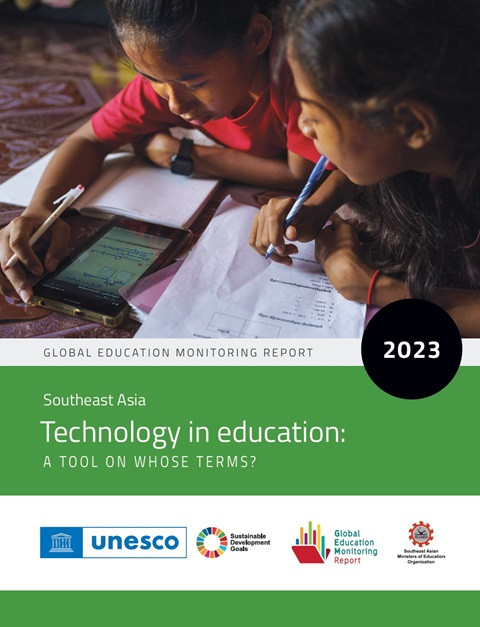 Global Education Monitoring Report 2023, Southeast Asia: Technology in Education; A Tool on Whose Terms? Год публикации: 2023 Организация-автор: Global Education Monitoring Report Team | Southeast Asian Ministers of Education Organization (SEAMEO) Developed in partnership with the Southeast Asia Ministers of Education Organization (SEAMEO), and with the contribution of EdTech Hub, the fifth regional report focuses on technology in education in Southeast Asia. Characterized by a variety of contexts and resources, Southeast Asia has experienced a rapid growth in digital technology applications. In education, digital technologies have been identified for their potential to transform education and meet the region’s development aspirations. The regional report investigates both challenges and potentials, which technology as a tool and as a process can potentially contribute to, across and within countries, and education levels. The regional report on Southeast Asia covers 11 countries, Brunei Darussalam, Cambodia, Lao PDR, Indonesia, Malaysia, Myanmar, Philippines, Singapore, Thailand, Timor-Leste and Viet Nam. Extensive background research informs the regional analysis: 9 country case-studies compiled by local research teams and independent experts; 5 thematic studies produced by SEAMEO centers on open and distance learning, technology for students with disabilities, integration of technology in teaching practices, key policies issues in ICT in education; technology in technical and vocational education and training, and 3 research inputs on ICT in education practices produced by SEAMEO affiliate members and partners.
  Empowering Minds: A Round Table on Generative AI and Education in Asia-Pacific Год публикации: 2023 Организация-автор: UNESCO Bangkok The emergence of generative AI, a recent groundbreaking artificial intelligence (AI) technology capable of producing sophisticated content from text and images to simulations and audiovisuals, has become a transformative force across multiple sectors. Popular applications like OpenAI’s ChatGPT and Anthropic’s Claude are prime examples of the rapidly expanding range of generative AI tools that are having an impact in education across the Asia-Pacific. These tools offer unprecedented opportunities for enabling personalized learning experiences at scale and expanding access to high-quality learning resources. However, as generative AI increasingly reshapes classrooms, critical questions remain unanswered, such as:- How can generative AI be ethically and responsibly integrated into educational settings?- What policies and safeguards are needed to address issues like misinformation, algorithmic bias and threats to academic integrity?- What challenges do Asia-Pacific countries face in harnessing generative AI in education, given the region’s unique context?- What are the strategies for Asia-Pacific countries to take up opportunities offered by generative AI, while mitigating the risks? In response to these questions and emerging challenges in the region, the UNESCO Regional Office in Bangkok (UNESCO Bangkok), in collaboration with The Southeast Asian Ministers of Education Organization (SEAMEO), organized the regional experts meeting on 7-9 November 2023 in Bangkok, Thailand. This hybrid meeting, titled ‘Empowering Minds: A Round Table on Generative AI and Education in Asia-Pacific’, explored the implications of generative AI for teacher training and development. It served as an important platform to leverage opportunities and mitigate risks of generative AI in education across the Asia-Pacific region.
  Opportunities for Media and Information Literacy in the Middle East and North Africa: Yearbook 2016 Год публикации: 2016 Автор: Magda Abu-Fadil | Jordi Torrent | Alton Grizzle Организация-автор: International Clearinghouse on Children, Youth and Media (Sweden) Opportunities for Media and Information Literacy in the Middle East and North Africa is the seventeenth Yearbook published by the Clearinghouse and fills a gap in the existing body of literature about the progress of media and information literacy work in different parts of the world. This book also helps educators in the Middle East and North Africa region looking for opportunities to bring to their classrooms elements of MIL education.
 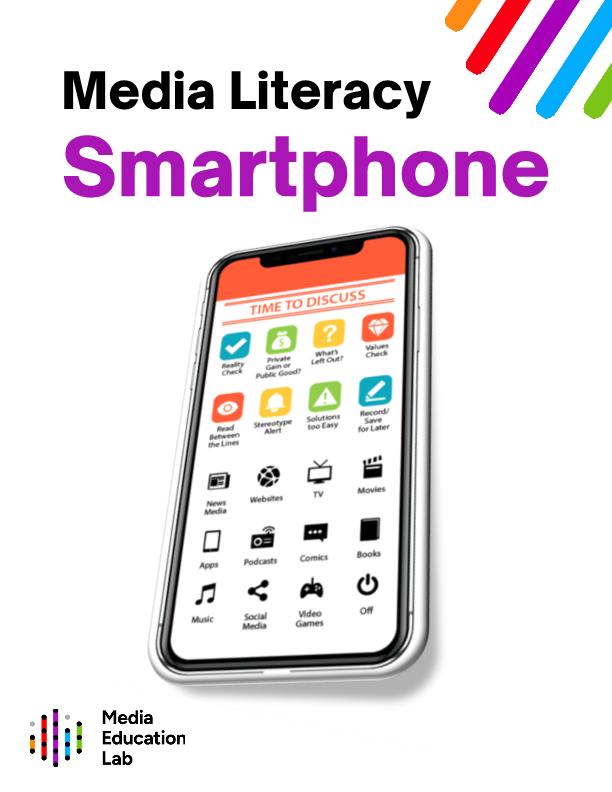 Media Literacy Smartphone Год публикации: 2020 Автор: Renee Hobbs | Pam Steager Организация-автор: Media Education Lab Learn how to use the Media Literacy Smartphone with learners of all ages! Download the free Learning Guide to bring the power of media literacy analysis to your learners!These easy-to-use cards, shaped exactly in the size of a smartphone, are available to educators for classroom use. You can use these simple paper cards to introduce a structured approach that helps students learn to critically analyze any media text --- web sites, books, advertising, news, TV shows, movies, video games, magazines and music. One side of the smartphone displays the various "apps" for analyzing a media text and the other side displays the "five critical questions" of media literacy developed by Renee Hobbs.Pair the smart phone with the LOVE IT OR HATE IT cards for a dynamic and fun learning experience.
 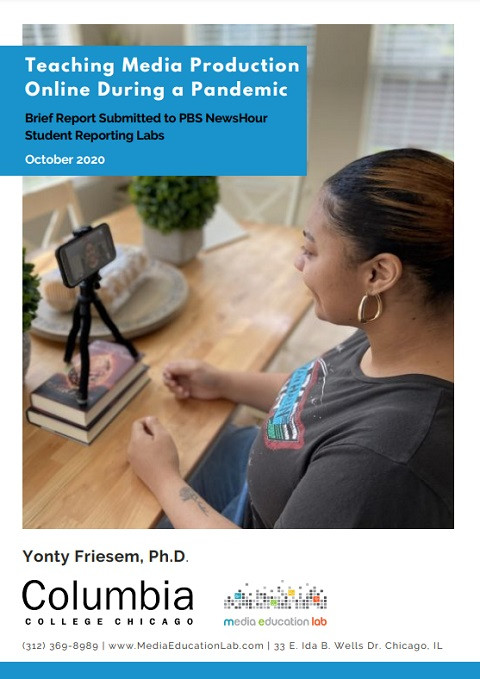 Teaching Media Production Online During a Pandemic: Brief Report Submitted to PBS NewsHour Student Reporting Labs Год публикации: 2020 Автор: Yonty Friesem Организация-автор: Media Education Lab How are media production teachers coping with remote video production with students?Starting in mid-March, US schools moved to remote instruction due to COVID-19 pandemic. Media production teachers had to shift their teaching to online without the possibility to use their high-end equipment in school. This report showcase the findings from Dr. Yonty Friesem’s research with media teachers who used the curriculum of PBS NewsHour Student Reporting Lab as they adapt to online and remote instruction. Dr. Friesem shared the report with PBS NewsHour Student Reporting Lab and the audience of the webinar.
  How to Understand Misinformation, Disinformation and Malinformation Год публикации: 2020 Организация-автор: Shout Out UK | U.S. Embassy London | Association for Citizenship Teaching (ACT) We live in a world where information is very easy to fabricate. Now more than ever, media literacy (the ability to critically analyse information) is critical for us as citizens and for our democracy to function. This video explains the difference between Misinformation, Disinformation and Malinformation and presents you with some examples! This video is part of a resource pack created and designed by Shout Out UK, supported by the US Embassy in London and in collaboration with the Association For Citizenship Teaching.For more info: https://www.shoutoutuk.org/media-literacy/