
Ресурсы
Изучайте широкий спектр ценных ресурсов ВГГ, чтобы углубить своё понимание и повысить эффективность исследований, просветительской деятельности, преподавания и обучения.
Найдено: 2,660
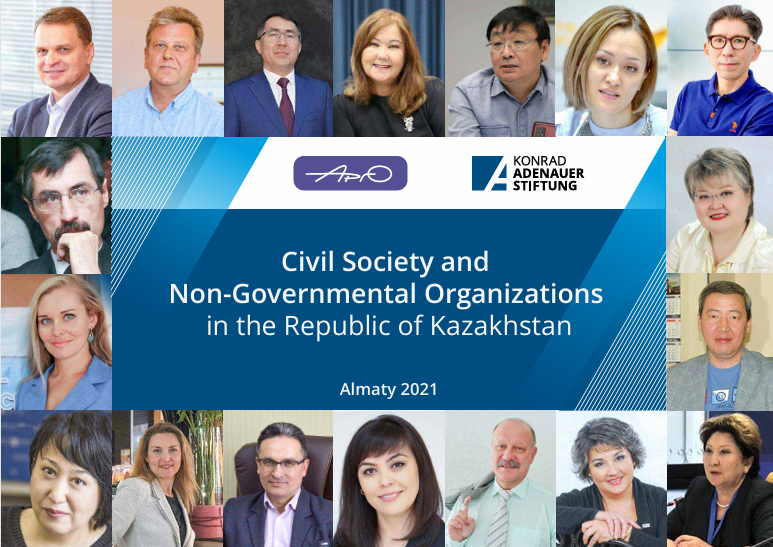 Гражданское общество и неправительственные организации в Республике Казахстан Год публикации: 2021 Автор: Madiyar Kozhakhmet | Evgeny Zhovtis | Dosym Satpayev | Roman Podoprigora | Natalia Yantsen | Kaisha Atakhanova | Vadim Nee | Banu Nurgaziyeva | Zulfiya Baysakova | Shakhnoza Khasanova | Saken Zhanazarov | Diana Okremova | Gulmira Birzhanova | Lyazzat Kaltayeva | Saniya Arapova | Sergey Gulyaev | Sergey Khudyakov | Vitaly Kulik Организация-автор: Civil Society Development Association (ARGO) Настоящая книга представляет собой сборник статей по широкому кругу вопросов, касающихся развития НПО и гражданского общества в Казахстане. Издание предназначено для неправительственных организаций, государственных органов, студентов, научного сообщества, а также широкого круга читателей.
  حالة حقوق الإنسان في العالم: أبريل/نيسان 2024 Год публикации: 2024 Организация-автор: Amnesty International Le Rapport d’Amnesty International décrit la situation des droits humains dans le monde en 2023 dans 155 pays différents. Les équipes de journalistes et d’enquêteurs de l'ONG peignent un portrait plutôt sombre, avec notamment un recul du droit des femmes, les conséquences dramatiques du réchauffement climatique sur les populations les plus vulnérables, le recul du droit de manifester, ou encore la prolifération de la haine en ligne dans le monde. La multiplication des conflits armés et le choc du 7 octobre ont également eu des conséquences dramatiques. Cependant, quelques bonnes nouvelles sont aussi à noter, avec des avancées pour les droits des personnes LGBTI par exemple. Amnesty International Report describes the human rights situation worldwide in 2023 in 155 different countries. TheNGO's teams of journalists and investigators paint a rather gloomy picture, with, in particular, a decline in women's rights, the dramatic consequences of global warming on the most vulnerable populations, a decline in the right to protest, and the proliferation of online hate around the world. The multiplication of armed conflicts and the shock of October 7 have also had dramatic consequences. However, there is some good news too, with advances in LGBTI rights for example. 世界人权状况:2024年4月 Год публикации: 2024 Организация-автор: Amnesty International Le Rapport d’Amnesty International décrit la situation des droits humains dans le monde en 2023 dans 155 pays différents. Les équipes de journalistes et d’enquêteurs de l'ONG peignent un portrait plutôt sombre, avec notamment un recul du droit des femmes, les conséquences dramatiques du réchauffement climatique sur les populations les plus vulnérables, le recul du droit de manifester, ou encore la prolifération de la haine en ligne dans le monde. La multiplication des conflits armés et le choc du 7 octobre ont également eu des conséquences dramatiques. Cependant, quelques bonnes nouvelles sont aussi à noter, avec des avancées pour les droits des personnes LGBTI par exemple. Amnesty International Report describes the human rights situation worldwide in 2023 in 155 different countries. TheNGO's teams of journalists and investigators paint a rather gloomy picture, with, in particular, a decline in women's rights, the dramatic consequences of global warming on the most vulnerable populations, a decline in the right to protest, and the proliferation of online hate around the world. The multiplication of armed conflicts and the shock of October 7 have also had dramatic consequences. However, there is some good news too, with advances in LGBTI rights for example. 세계 인권 현황 보고서: 2024년 4월 Год публикации: 2024 Организация-автор: Amnesty International Le Rapport d’Amnesty International décrit la situation des droits humains dans le monde en 2023 dans 155 pays différents. Les équipes de journalistes et d’enquêteurs de l'ONG peignent un portrait plutôt sombre, avec notamment un recul du droit des femmes, les conséquences dramatiques du réchauffement climatique sur les populations les plus vulnérables, le recul du droit de manifester, ou encore la prolifération de la haine en ligne dans le monde. La multiplication des conflits armés et le choc du 7 octobre ont également eu des conséquences dramatiques. Cependant, quelques bonnes nouvelles sont aussi à noter, avec des avancées pour les droits des personnes LGBTI par exemple. Amnesty International Report describes the human rights situation worldwide in 2023 in 155 different countries. TheNGO's teams of journalists and investigators paint a rather gloomy picture, with, in particular, a decline in women's rights, the dramatic consequences of global warming on the most vulnerable populations, a decline in the right to protest, and the proliferation of online hate around the world. The multiplication of armed conflicts and the shock of October 7 have also had dramatic consequences. However, there is some good news too, with advances in LGBTI rights for example.
 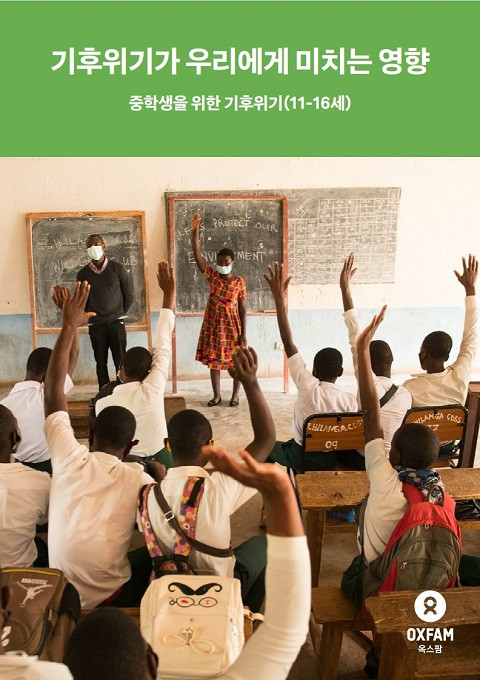 기후위기가 우리에게 미치는 영향: 중학생을 위한 기후위기 (11-16세) Год публикации: 2023 Организация-автор: 옥스팜 옥스팜의 기후위기 교육자료는 기후위기를 인권과 평등의 관점에서 재구성해보기 위해 제작되었다. 또한 인권의 관점에서 기후위기를 다루는 것은 학생들이 자신이 느끼는 기후 불안감(eco-anxiety)을 잘 다룰 수 있도록 도와주고, 기후위기에 대해 무관심하거나 혹은 지나치게 허무함을 느끼지 않도록 하는 교육 방식이다. 이 교육 자료를 통해 다음과 같은 내용들을 학습할 수 있다:• 기후위기와 인권의 연결고리 탐구하기• 교차성(intersectionality)이라는 개념을 이해하고 교차성과 기후위기의 연관성 알아보기• 기후위기의 영향과 가능한 해결방안이 무엇인지 탐구하기• 비판적으로 생각하고 이를 바탕으로 토론 및 토의하는 능력과 공감하는 능력 기르기• 기후 정의를 위해 행동할 수 있는 영감 얻기
  Роль женщины в современной науке (Oriental Renaissance; № 4(1) Год публикации: 2024 Автор: Касимова Асаль Арслановна Важным направлением государственной политики Нового Узбекистана является достижение гендерного равенства, обеспечение прав, свобод и законных интересов женщин, усиление их роли в общественной и государственной жизни. В частности, проводится большая работа по широкому вовлечению женщин в научную деятельность, поддержке их программных разработок и инновационных идей.
  Внедрение инклюзивного образования в начальной школе. Отчего зависит успешность внедрения? (Международный научный журнал «ВЕСТНИК НАУКИ»; № 4 (73) Том 2) Год публикации: 2024 Автор: Бейбитгул Шакаримкызы Турганбаева | Айгуль Бахтыровна Иксанова В статье анализируется внедрение инклюзивного образования в начальной школе.
  The Concept of Citizenship Throughout History Год публикации: 2021 Организация-автор: Argentina. Ministry of Education This video explores the notion of citizenship throughout history. This video was produced within the framework of the Seguimos Educando Program, which during 2020 and 2021 allowed, through different means, students to remain in contact with school. The proposed activities and content are guided by the Priority Learning Cores common to the entire country. El concepto de ciudadanía a lo largo de la historia Год публикации: 2021 Организация-автор: Argentina. Ministry of Education Este video recorre la noción de ciudadanía a lo largo de la historia. Este video fue elaborado en el marco del Programa Seguimos Educando, que durante 2020 y 2021 permitió, a través de distintos medios, que las y los estudiantes siguieran en contacto con la escuela. Las actividades y contenidos propuestos están orientados por los Núcleos de Aprendizajes Prioritarios comunes para todo el país.
  Skills for Citizenship: Democratic Inclusion in Schools Год публикации: 2014 Организация-автор: Argentina. Ministry of Education This material aims to provide tools to the different institutional actors for their daily encounter with young students so that they can, in turn, learn and develop them throughout their lives. The topics and activities it develops cover conflict management, assertive communication, life skills, participation of young people and adults in the institution, the meaning and growth of group life and interpersonal relationships.