
Ресурсы
Изучайте широкий спектр ценных ресурсов ВГГ, чтобы углубить своё понимание и повысить эффективность исследований, просветительской деятельности, преподавания и обучения.
Найдено: 950
 المواطنة العالمية وآفاقها المستقبلية في الوطن العربي Год публикации: 2017 Автор: داليا الجيزاوي تتحدث الكاتبة عن مفهوم المواطنة العالمية في الدول العربية مبرزتا التطور الحاصل في المفهوم نتيجة التغييرات التي مر بها العالم العربية في الفترات الماضية. ومن ثم تبدأ الباحثة في التطرق لافاق المواطنة العالمية وعلاقته بالانتماء للوطن العربي. وقد ذكرت الباحثة نوعان من المؤشرات اللازمة لقياس المواطنة العالمية. ولتضمين المواطنة العالمية في التعليم اشارت الباحثة للغايات التعليمية المتمثلة في المهارات المعرفية والمهارات الاجتماعية العاطفية والمهارات السلوكية. في ختام المقال أكدت الباحثة على أهمية مشاركة الاطفال من خلال التنشئة لتحقيق المواطنة العالمية، وللوصول لذلك فقد وضعت الكاتبة مجموعة من التوصيات. Global Citizenship and its Future Horizons in the Arab World Год публикации: 2017 Автор: Dalia Aljizawi In this article, the researcher is trying to illustrate the concept of global citizenship in the Arab nations. The researcher presented the development of the concept of global citizenship based on the changes that the Arab world faced in the past. The article then goes to state the relationship between the horizons of the global citizenship and nationality/belongings of people to the Arab world. Moreover, there were two indicators presented to evaluate global citizenship. In the last part of the paper, the author talks about implementing global citizenship in education through focusing on cognitive skills, socio-emotional skills and behavioral skills. The author recommends at the end of involving children through education to achieve global citizenship. The paper ends with some recommendations to make children participate in global citizenship education.
 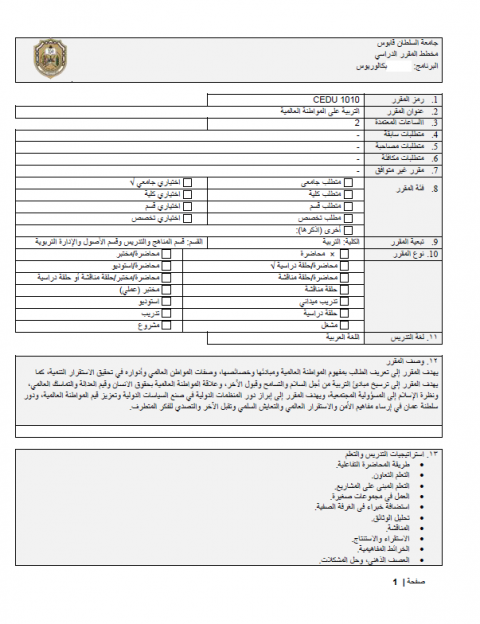 مقرر التربية على المواطنة العالمية Год публикации: 2019 هذا المقرر قام بوضعه مجموعة من الاساتذة بكلية التربية في جامعة السلطان قابوس، وقد جاء هذا المقرر كفكرة بالتعاون بين الجامعة ومكتب اليونسكو ببيروت وأيضا مركز أسيا والمحيط الهادي للتربية من أجل التعاون الدولي. ويهدف المقرر إلى تعريف الطالب بمفهوم المواطنة العالمية ومبادئها وخصائصها، وصفات المواطن العالمي وأدواره في تحقيق الاستقرار التنمية، كما يهدف المقرر إلى ترسيخ مبادئ التربية من أجل السلام والتسامح وقبول ألآخر وعلاقة المواطنة العالمية بحقوق الانسان وقيم العدالة والتماسك العالمي، ونظرة الإسلام إلى المسؤولية المجتمعية، ويهدف المقرر إلى إبراز دور المنظمات الدولية في صنع السياسات الدولية وتعزيز قيم المواطنة العالمية، ودور سلطنة عمان في إرساء مفاهيم الأمن والاستقرار العالمي والتعايش السلمي وتقبل الآخر والتصدي للفكر المتطرف.
 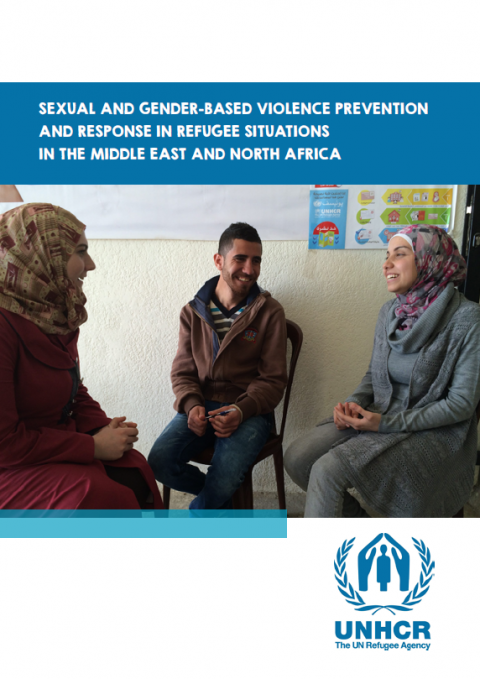 الوقاية من العنف الجنسي والعنف الجندري والاستجابة لهما في حالات اللاجئين في منطقة الشرق الأوسط وشمال أفريقيا Год публикации: 2015 Организация-автор: UN. Office of the United Nations High Commissioner for Refugees (UNHCR) تواجه منطقة الشرق الأوسط وشمال أفريقيا الأزمات الانسانية والتهجير القسري على نطاق غير مسبوق. هذه الصراعات إلى جانب التهجيرالناتج عنها تلقي باعبائها بشكل غير متناسق على على النساء والأطفال، والذين يضمون 78% من اللاجئين السوررين. وقد اصبح العنف الجنسي والجندري واسع الانتشار بشكل متزايد في هذه الدول المتاثرة بالنزاع، وغالبا ما يكون أحد أسباب الفرار منها.أن العنف الجنسي والعنف الجندري هما مشكلة خطيرة تنتهك حقوق الانسان، وتتفاقم أكثر فأكثر نتيجة الصراعات والنزوح الذي ينتج عن ذلك. ودعما للعمليات المتعددة القطاعات والمنسقة للوقاية من هذا العنف الجنسي والجندري والاستجابة لهما، يحدد هذا التقرير الإستراتيجيات بالتوافق مع المعايير الدولية، التي تستخدمها المفوضية بالتعاون مع السلطات المحلية، والمنظمات الغير حكومية، وغيرها من الشركاء في جميع أنحاء المنطقة، لتحقيق نتائج ملموسة في الوقاية من العنف الجنسي والجندري وحماية اللاجئين. Sexual and Gender-based Violence Prevention and Response In Refugee Situations in the Middle East and North Africa Год публикации: 2015 Организация-автор: UN. Office of the United Nations High Commissioner for Refugees (UNHCR) The Middle East and North Africa (MENA) region is facing humanitarian crises and forced displacement on an unprecedented scale. These conflicts and the resulting displacement disproportionately burden women and children, who now comprise 78 per cent of Syrian refugees. Sexual and gender-based violence (SGBV) is becoming increasingly widespread in these conflict-affected countries, and is often one of the causes of flight. In support for multi-sectorial and coordinated SGBV prevention and response, this report outlines strategies, in line with international standards, that UNHCR uses in coordination with national authorities, non-governmental organizations (NGOs), and other partners across the region, to bring tangible results in preventing and responding to SGBV in refugee situations, as well as in the inter-agency response in situations of internal displacement.
 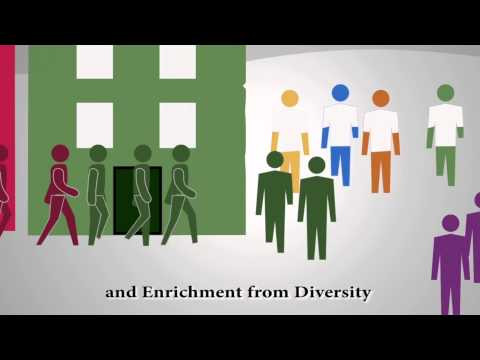 [Video] التربية على المواطنة والتنوع الثقافي Год публикации: 2014 Организация-автор: Adyan Foundation هذا الفيديو تم تحميله بواسطة مؤسسة أديان، ويتحدث الفيديو عن المواطنة وأسسها الداعمة. يسرد الفيديو في المقدمة أن المواطنة ترتكز عى القيم الانسانية المشتركة وخدمة الصالح العام. في الفيديو هناك أشارات للقضايا والتحديات التي تواجه المجتمعات التي تنتج من تهميش بعض الأديان والجماعات، وكيف يمكن أن يقود هذا التهميش لانهيار واندثار المواطنة في المجتمع. الفيديو يؤكد أن المواطنين في أي مجتمع عليهم أن يشاركوا في أنشطة الحياة العامة، مع احترامهم لبعضهم البعض. على المجتمعات أن تستفيد من التنوع الثقافي الذي بها، وبأن الحوار والتفاعل بين المواطنين هو السبيل لدعم وتقوية الافراد ومجتمعاتهم. في الختام، هناك تأكيد بأن المواطنة هي الطريق المؤدي للازدهار والتنمية المستدامة. [Video] Education for citizenship and cultural diversity Год публикации: 2014 Организация-автор: Adyan Foundation The video talks about citizenship and its foundations. It narrates at the introduction that citizenship is based on the respect of common human values and serving of common goods. The video also talks about the issue and challenge of marginalization of certain groups and religions in societies. How such issue is also leading to the collapse of citizenship is presented. It is argued that all citizens in a society have to participate in public life activities in which everyone respect each other. The society should benefit from diversity not get harmed by it. As a solution, it is mentioned that dialogue and interaction between citizens enriches individuals lives and their groups. At the end, it highly emphasized that citizenship is the way to prosperity and sustainable development. Includes English Subtitles
 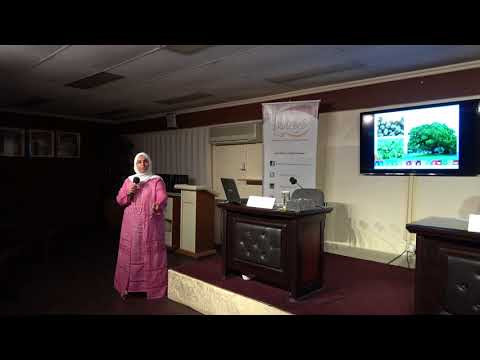 [Video] توطين أهداف التنمية المستدامة Год публикации: 2018 Организация-автор: Akanoo cc الفيديو يتحدث عن كيفية توطين أهداف التنمية المستدامة في دولة البحرين. وقد بدأت المحاضرة بإعطاء خلفية تاريخية عن هذه الاهداف وكيف تم صياغتها بعد الاهداف الانمائية في الالفية الماضية. بعد ذلك تحدثت المحاضرة بالتفصيل عن الأهداف ال 17 التي أطلقتها الأمم المتحدة في نهاية 2015. ومن حيث توطين هذه الأهداف، تطرقت المحاضرة لبعض الاستراتيجيات الممكنة التي يمكن أن يتبعها الافراد والشركات والحكومة في البحرين لتوطين أهداف التنمية المستدامة في محيطهم.لقد أوصت المتحدثة بضرورة مشاركة جميع الافراد في المجتمع البحريني في تحقيق أهداف التنمية المستدامة وذللك للوصول للتنمية المستدامة في البحرين. وقد ناقشت المتحدثة ايضا التحديات التي تواجه البحرين حاليا في تحقيق أهداف التنمية المستدامة. وفي ضوء ذلكن أوصت المتحدثة بمجموعة من الأنشطة والتي من الممكن أن تساعد في رفع الوعي عند الشعب البحريني بخصوص تحقيق الأهداف. وفي الختام ناقشت المتحدثة كيف يمكن للبحرين أن توطن أهداف التنمية بما يخدم تنميتها المستدامة. [Video] Contextualizing Sustainable Development Goals Год публикации: 2018 Организация-автор: Akanoo cc The Video is about a lecture talking about how contextualizing Sustainable Development Goals in Bahrain. To make the context, the lecturer started by describing how the Un reached to articulate the SDGs after the last MDGs. Then, the 17 goals were presented in details. In terms of localizing these SDGs, the lecturer gave some strategies on how individuals, companies and the government can implement these SDGs in their context. It is recommended that all members of the Bahraini society should participate in achieving the SDGs to reach to sustainable development. The lecturer also draw attention to some challenges facing Bahrain to achieve SDGs. To overcome these challenges, the lecturer suggested a number of activities to raise awareness among Bahraini people about the importance of participating in achieving SDGs. Finally, how Bahrain can contextualize SDGs is presented.
 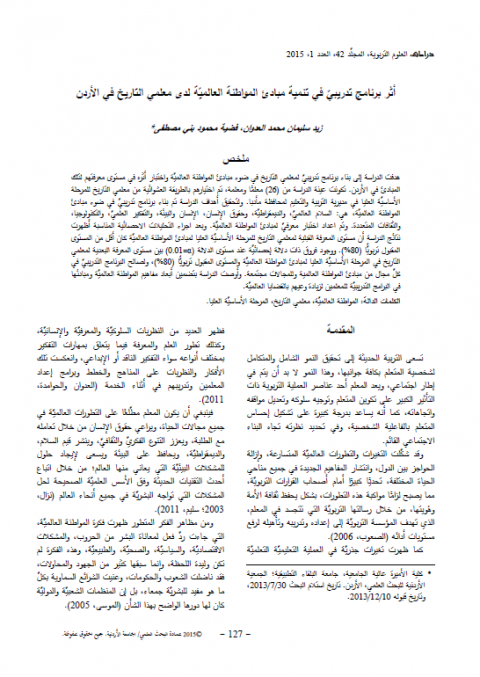 أثر برنامج تدريبيّ في تنمية مبادئ المواطنة العالميّة لدى معلمي التاريخ في الأردن Год публикации: 2013 Автор: Zaid Suleiman M. Al-Edwan | Fadyieh Mohmoud A. Bani Mustafa Организация-автор: Deanship of Scientific Research, University of Jordan هدفت الد ا رسة إلى بناء برنامج تدريبيّ لمعلمي التاريخ في ضوء مبادئ المواطنة العالميّة واختبار أثره في مستوى معرفتهم لتلكالمبادئ في الأردن. تكونت عينة الد ا رسة من ( 26 ) معلمًا ومعلمة، تم اختيا رهم بالطريقة العشوائية من معلمي التاريخ للمرحلةالأساسيّة العليا في مديرية التربية والتعليم لمحافظة مأدبا. ولتحقيق أهداف الد ا رسة تم بناء برنامج تدريبيّ في ضوء مبادئالمواطنة العالميّة، هي: السلام العالميّ، والديمق ا رطيّة، وحقوق الإنسان، الإنسان والبيئة، والتفكير العلميّ، والتكنولوجيا،والثقافات المتعددة. وتم اعداد اختبار معرفيّ لمبادئ المواطنة العالميّة. وبعد اج ا رء التحليلات الاحصائية المناسبة أظهرتنتائج الد ا رسة أن مستوى المعرفة القبلية لمعلمي التاريخ للمرحلة الأساسيّة العليا لمبادئ المواطنة العالميّة كان أقل من المستوى0.01 ) بين مستوى المعرفة البعدية لمعلمي =α) المقبول تربويًّا ( 80 %). ووجود فروق ذات دلالة إحصائيّة عند مستوى الدلالةالتاريخ في المرحلة الأساسيّة العليا لمبادئ المواطنة العالميّة والمستوى المقبول تربويًّا ( 80 %)، ولصالح البرنامج التدريبيّ فيكلّ مجال من مبادئ المواطنة العالمية وللمجالات مجتمعة. وأوصت الد ا رسة بتضمين أبعاد مفاهيم المواطنة العالميّة ومبادئهافي الب ا رمج التدريبيّة للمعلمين لزيادة وعيهم بالقضايا العالميّة.الكلمات الدالة: المواطنة العالميّة، معلمي التاريخ، المرحلة الأساسيّة العليا..