
Ресурсы
Изучайте широкий спектр ценных ресурсов ВГГ, чтобы углубить своё понимание и повысить эффективность исследований, просветительской деятельности, преподавания и обучения.
Найдено: 3,790
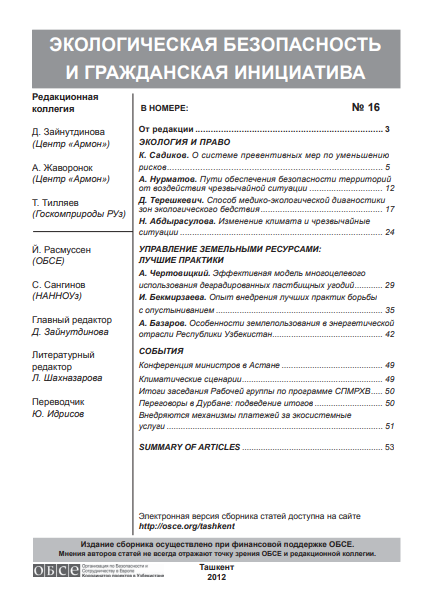 Environmental Safety and Civil Initiative (Bulletin; no. 16) Год публикации: 2012 Автор: D. Zaynutdinova | A. Zhavoronok | T. Tillyaev | J. Rasmussen | S. Sanginov | L. Shakhnazarova Организация-автор: Organization for Security and Co-operation in Europe (OSCE) The articles included in the first section of the bulletin focus on issues of ensuring the safety of the population in emergency situations. The materials of the second section of the bulletin are devoted to the topic of multipurpose land use as an effective way to combat desertification processes. Экологическая безопасность и гражданская инициатива (Бюллетень; №16) Год публикации: 2012 Автор: D. Zaynutdinova | A. Zhavoronok | T. Tillyaev | J. Rasmussen | S. Sanginov | L. Shakhnazarova Организация-автор: Organization for Security and Co-operation in Europe (OSCE) Статьи, вошедшие в первый раздел бюллетеня, акцентируют внимание на вопросах обеспечения безопасности населения при чрезвычайных ситуациях. Теме многоцелевого использования земель как эффективного способа борьбы с процессами опустынивания посвящены материалы второго раздела бюллетеня.
 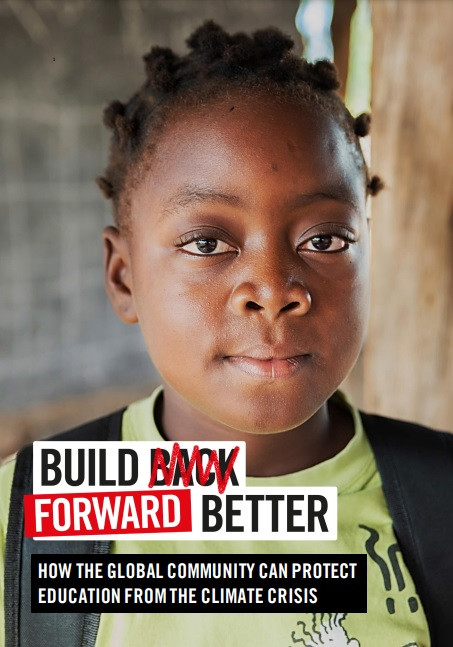 Build Forward Better: How the Global Community Can Protect Education from the Climate Crisis Год публикации: 2021 Автор: Anya Cowley | Mathias Slettholm Организация-автор: Save the Children Children’s increasing exposure to extreme weather events has serious implications for children’s access to quality education. 75 million children have their education disrupted each year – of which around half are due to environmental threats such as floods and drought. This briefing paper sets out how leaders can protect children’s learning from the impacts of the climate crisis, and the role that education can play in equipping the next generation with the tools they need to protect against its worst impacts.
 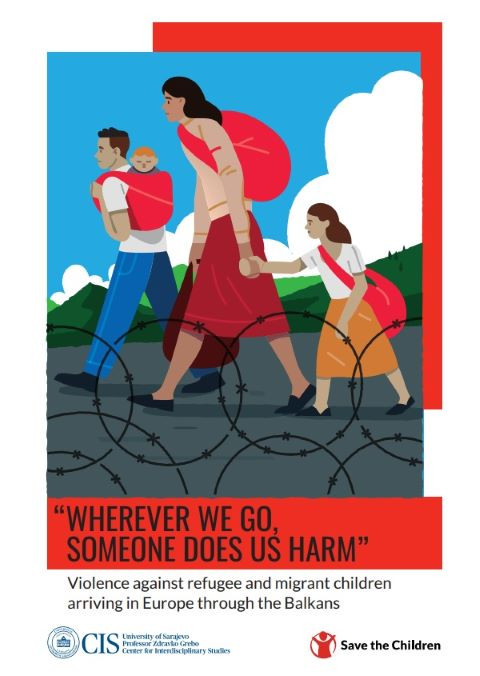 Wherever We Go, Someone Does Us Harm: Violence against Refugee and Migrant Children Arriving in Europe through the Balkans Год публикации: 2022 Автор: Anita Burgund Isakov | Dženana Husremović | Bogdan Krasić | Violeta Marković | Nikolina Milic | Tatjana Ristić | Alina Trkulja | Nevenka Žegarac Организация-автор: Save the Children Children, including thousands of unaccompanied and separated children, comprise about one-third of all refugees and migrants arriving in Europe. Many of these children come through the Balkans, travelling through countries including Greece, Bulgaria, Serbia, and Bosnia and Herzegovina. These are seen as transit countries by refugees and migrants as they try to continue their way toward Western Europe.In this report, Save the Children and the Center for Interdisciplinary Studies at the University of Sarajevo present in-depth research into the level and types of violence that children experience while attempting to reach Western Europe via the Balkans route, the circumstances of that violence, and the policies and practices that exist to support children. They also make recommendations for governments, NGOs and other stakeholders to strengthen the protection and support available to these children.The research was conducted in Bosnia and Herzegovina and Serbia, key transit countries on the threshold of the European Union and on the way to Western Europe. It is based on in-depth interviews with 48 children aged between 13 and 19 years old. This report also draws on focus group discussions with 27 professionals in Bosnia and Herzegovina and Serbia, mostly field workers who had extensive experience working with refugee and migrant children, and an extensive literature review. The findings of this research were analyzed thematically and interpreted within several keys: using ecological systems theory, an approach based on the rights of the child, and on trauma and resilience-based knowledge.
 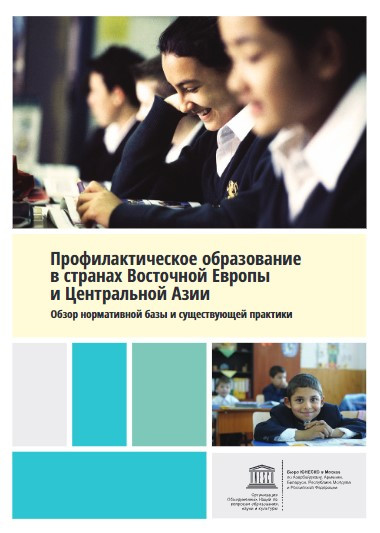 Prevention Education in Eastern Europe and Central Asia: A Review of Policies and Practices Год публикации: 2014 Организация-автор: UNESCO Moscow A new regional study commissioned by UNESCO shows that most EECA countries have policies to provide sex education in schools, but only a few of them have implemented this policy in high-quality teaching practice on a national scale. For the report, more than 100 key legal and policy documents from the EECA countries were analyzed, which made it the first systematic review on this topic in the region. A review of preventive education in ten countries of Eastern Europe and Central Asia presents its current state and outlines the prospects for its development to provide all adolescents and young people, including from key population groups, with affordable and high-quality comprehensive education in the field of HIV prevention and reproductive health. Сексуальное образование в Восточной Европе и Центральной Азии Год публикации: 2014 Организация-автор: UNESCO Moscow Новое региональное исследование, проведенное по заказу ЮНЕСКО, показывает, что в большинстве стран ВЕЦА есть политика по обеспечению полового просвещения в школах, но лишь немногие из них воплотили эту политику в качественной практике преподавания в национальном масштабе. Для отчета было проанализировано более 100 ключевых юридических и политических документов из стран ВЕЦА, что сделало его первым системным обзором по этой теме в регионе. Обзор профилактического образования в десяти странах Восточной Европы и Центральной Азии представляет его текущее состояние и обозначает перспективыего развития для обеспечения всех подростков и молодых людей, в том числе из ключевых групп населения, доступным и качественным комплексным образованием в области профилактики ВИЧ и репродуктивного здоровья.
  PHOTO STORY: Global Citizens Share Vision of #TheWorldWeWant Год публикации: 2022 Организация-автор: United Nations (UN) This album collection, part of the United Nations 75th Anniversary Photo Exhibition, contains 75 images from around the world representing the hopes and dreams of people from all over the world for the future. The collection of images is a "creative response" to the UN Secretary-General's call to hear directly from people around the world about their hopes and dreams for the future. 全球公民分享“#我们想要的世界”愿景 Год публикации: 2022 Организация-автор: United Nations (UN) 这个图册集是联合国成立75周年图片展的一部分,包含了75张来自世界各地的图片,代表来自世界各地的人们对未来的希望和梦想。收集这些图片是对联合国秘书长呼吁直接听取世界各地人民关于他们对未来的希望和梦想的“创造性回应”。
 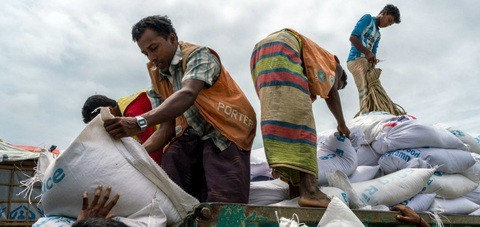 11 UN Actions that Impact People's Lives around the World Год публикации: 2022 Организация-автор: United Nations (UN) This photo gallery contains 11 images from the UN 2022 release, representing 11 simple examples to explain how the UN, a global organization, can help make the world a better place. 联合国影响全世界人民生活的11项行动 Год публикации: 2022 Организация-автор: United Nations (UN) 这个图片集包含了联合国2022年发布的11张图片,代表10个简单的事例,用来解释联合国这个全球性组织如何帮助世界变得更美好。