
Ресурсы
Изучайте широкий спектр ценных ресурсов ВГГ, чтобы углубить своё понимание и повысить эффективность исследований, просветительской деятельности, преподавания и обучения.
Найдено: 1,477
 Education à la citoyenneté et de la coexistence: mon corps, mon premier territoire; cycle initial (pré-maternelle, jardin et transition) Год публикации: 2014 Организация-автор: Secretaría de Educación del Distrito (SED) | Fe y Alegría Ces douze modules font référence à une série d'activités qui mettent l'accent sur la façon dont les enfants de toutes les classes éducatives comprennent et vivent la citoyenneté, en renforçant et en facilitant les processus d'apprentissage basés sur l'autonomie. Ces matériels éducatifs, qui visent à être mis en œuvre dans les salles de classe, tentent de servir de ressources pour les éducateurs et autres agents qui travaillent ou sont intéressés à travailler avec l'éducation à la citoyenneté et la coexistence. L'objectif global est de fournir une éducation de qualité.
  Palestine & Israel: How Will There Be a Just Peace?; A Citizenship Education Resource for Transition Year and Key Stage 4 based on Human Rights and International Law Год публикации: 2012 Автор: Mary Gannon | Elaine Murtagh Организация-автор: City of Dublin Vocational Education Committee (CDVEC). Curriculum Development Unit | Centre for Cross Border Studies This resource is an important development in helping post-primary students throughout the island of Ireland to explore the Palestinian Israeli situation within the context of Human Rights and International Law.The resource addresses key issues underlying the origins of the conflict and current obstacles to bringing about a just peace. Educación para la ciudadanía y la convivencia: construimos paz a nuestra medida; ciclo inicial (prejardín, jardín y transición) Год публикации: 2015 Организация-автор: Secretaría de Educación del Distrito (SED) | Fe y Alegría These twelve modules make reference to a series of activities that focus on how children from all the educative grades understand and live citizenship, strengthening and facilitating the learning processes based on autonomy. This educative materials, which are aimed at being implemented inside the classrooms, attempt to serve as input resources for educators and other agents that work on or are interested in working with citizenship education and coexistence. The overall objective is to provide quality education.
 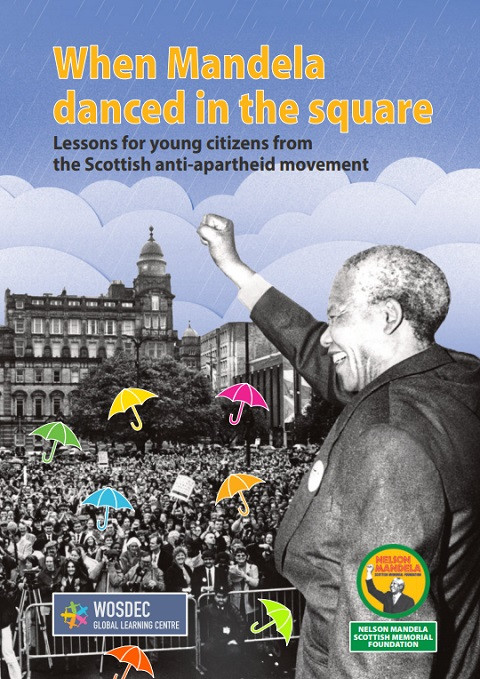 When Mandela Danced in the Square: Lessons for Young Citizens from the Scottish Anti-Apartheid Movement Год публикации: 2020 Организация-автор: West of Scotland Development Education Centre (WOSDEC) | Nelson Mandela Scottish Memorial Foundation This resource aims to understand the context of apartheid South Africa, the life of Nelson Mandela and the connections to the Scottish anti-apartheid movement. The activities in this resource support second and third level learners within Scotland's Curriculum for Excellence to explore Scotland’s connection with Nelson Mandela and feel empowered to take action on issues of importance to them today.
 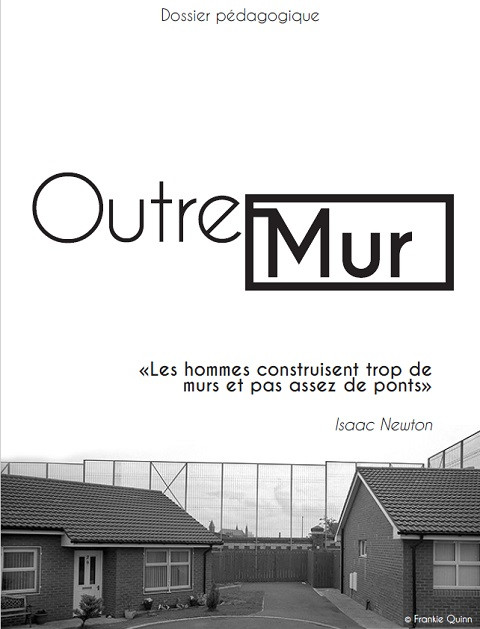 Outre-Mur: Les hommes construisent trop de murs et pas assez de ponts; Dossier pédagogique Год публикации: 2017 Автор: Julie Bijnens | Lucie Desaubies | Fanny Gosset | Hélène Pochet Организация-автор: Institut des Hautes Études des Communications Sociales (IHECS) | Annoncer la Couleur (ALC) Le dossier pédagogique Outre-Mur a été réalisé dans le cadre d’un mémoire médiatique de fin d’études à l’IHECS (Institut des Hautes Études des Communications Sociales); à Bruxelles|. Hélène; Lucie; Fanny et Julie sont étudiantes en dernière année dans l’option “Animation Socioculturelle et Éducation Permanente”. Leur intérêt commun pour la problématique des murs frontières les a réunies autour de ce projet ambitieux. Étant préoccupées par le respect des droits de l’homme et des libertés individuelles; la problématique les a interpellées. Cet outil a été développé en collaboration avec Annoncer la Couleur, programme fédéral d’éducation à la citoyenneté mondiale qui propose aux (futurs) enseignants des démarches pédagogiques participatives pour aborder avec les élèves des questions de citoyenneté mondiale. Riche de son expérience pédagogique, le programme vise à éveiller et former les élèves aux interdépendances mondiales et les incite à agir en citoyens responsables, conscients de l’importance de la solidarité internationale, et à contribuer à un monde plus juste et plus durable.
  Mosaico Metodológico: Camino 5; La escuela como sujeto colectivo en el conflicto armado y la construcción de paz Год публикации: 2019 Организация-автор: EDUCAPAZ Esta publicación recoje el trabajo desarrollado por el Programa Nacional de Educación para la Paz EDUCAPAZ y a Comisión de la Verdad en Colombia, para el trabajo pedagógico en escuelas que quieran reflexionar sobre el valor de la verdad en la reconstrucción de la memoria, el perdón y la reconciliación. Este módulo explora la relación de la escuela con el conflicto armado.
  Methodological Mosaic: Path 1; The Value of Truth in School Coexistence Год публикации: 2019 Организация-автор: EDUCAPAZ This publication reflects the work carried out by the National Program of Education for Peace EDUCAPAZ and the Truth Commission in Colombia, for education in schools that want to reflect on the value of truth in the reconstruction of memory, forgiveness and reconciliation. This module explores the relationship with school coexistence.
  Internet Bullying: What is It and How to Deal with It? ; Top 10 Cyberbullying Questions Asked by Teens Год публикации: 2020 Организация-автор: UNICEF Europe and Central Asia In the article, UNICEF experts, international experts on Internet bullying and child protection, as well as employees of Facebook, Instagram and Twitter, answer questions about how to deal with Internet bullying. Top 10 Cyberbullying Questions: How to understand that I am being harassed on the Internet? How to distinguish a joke from bullying? How does Internet bullying affect a person? Who should I talk to if someone is chasing me on the Internet? Why is it important to report bullying? I am being harassed by the Internet, but I’m afraid to talk to my parents about it. How do I turn to them for help? How can I help my friends report online bullying, especially if they don’t want to do this? The Internet gives me access to a lot of information, but it also means that I can become a victim of online violence. How can you protect yourself from cyberbullying without refusing to use the Internet? How to avoid using my personal information to manipulate or humiliate me on social networks? Is there any punishment for Internet harassment? Internet companies are not trying to solve the problem of cyberbullying. Are they responsible for this? Are there any online tools to combat bullying of children or youth? Интернет-травля: что это такое и как с ней бороться? ; 10 главных вопросов о кибербуллинге, которые задают подростки Год публикации: 2020 Организация-автор: UNICEF Europe and Central Asia В статье специалисты ЮНИСЕФ, международные эксперты по вопросам интернет-травли и защиты детей, а также сотрудники компаний Facebook, Instagram и Twitter отвечают на вопросы о том, как бороться с интернет травлей. 10 главных вопросов о травле в интернете: Как понять, что меня преследуют в интернете? Как отличить шутку от травли? Как интернет-травля влияет на человека? С кем мне поговорить, если кто-то преследует меня в интернете? Почему важно сообщать о случаях травли? Я подвергаюсь интернет-травле, но боюсь поговорить с родителями об этом. Как мне обратиться к ним за помощью? Как мне помочь друзьям сообщить об интернет-травле, особенно, если они не хотят этого делать? Интернет дает мне доступ к большому количеству информации, но это также означает, что я могу стать жертвой насилия в сети. Как можно оградить себя от кибербуллинга, не отказываясь от использования интернета? Как избежать использования моей личной информации для манипуляции или унижения меня в соцсетях? Существует ли какое-то наказание за интернет-травлю? Интернет-компании не пытаются решить проблему кибербуллинга. Несут ли они за это ответственность? Существуют ли какие-нибудь онлайн-инструменты для борьбы с травлей детей или молодёжи?
  Mosaico Metodológico: Camino 3; Niñas, niños y jóvenes expertos en la Comisión de la Verdad Год публикации: 2019 Организация-автор: EDUCAPAZ Esta publicación recoje el trabajo desarrollado por el Programa Nacional de Educación para la Paz EDUCAPAZ y a Comisión de la Verdad en Colombia, para el trabajo pedagógico en escuelas que quieran reflexionar sobre el valor de la verdad en la reconstrucción de la memoria, el perdón y la reconciliación. Este módulo presenta estrategias para educar a niños, niñas y jóvenes sobre la comisión de la verdad.