
Ресурсы
Изучайте широкий спектр ценных ресурсов ВГГ, чтобы углубить своё понимание и повысить эффективность исследований, просветительской деятельности, преподавания и обучения.
Найдено: 3,451
 ورقة معلومات أساسية التناسق بين العمل الإنساني والتنموي في قطاع التعليم: العمل معا في سياق الأزمات Год публикации: 2021 Организация-автор: Inter-agency Network for Education in Emergencies (INEE) كما علمتنا جائحة كوفيد ١٩ (كورونا) المستمرة، انه لا يوجد بلد أو نظام تعليمي في مأمن من الأزمة الحالية؛ لذلك، فإن من الأهمية بناء انظمة مرونة والتي بدورها ستشكل مفتاح ليس فقط لتجنب الخسائر ولكن أيضًا للاستمرار والتقدم نحو أهدافنا المشتركة في قطاع التعليم. هناك حاجة ماسة إلى العمل الجماعي عبر قطاعي التنمية والإنسانية لبناء أنظمة تعليمية شاملة، وقابلة للتكيف، معدة للاستجابة للأزمات ولديها القدرة على الاستجابة لها، بحيث تتاح لكل طفل وشاب فرصة الذهاب والبقاء في الفصول الدراسية، وإكمال دورة كاملة من التعليم الابتدائي والثانوي.يعد تناسق بين العمل الإنمائي والإنساني مهمًا لضمان وصول جميع الأطفال إلى تعليم نوعي وجيد ومتواصل، مما يعزز زيادة قدرتهم على التأقلم وتطورهم الكلي. في حين أن التعليم يوفر فوائد كبيرة للأفراد والمجتمعات والدول، فإن إنشاء نظم التعليم المرنة تتطلب التخطيط على مدى سنوات وتنسيق الجهود والاستثمار في قطاع التعليم.الهدف من هذه الورقة هو إزالة الغموض عن مفهوم تناسق الإنمائي الإنساني. نجحت هذه الورقة باستخدام تعريف طرق العمل الجديدة - وهو العمل على مدى سنوات طويلة للوصول لنتائج جماعية بناءً على التمايز النسبي لمختلف الجهات الفاعلة، في تلخيص المفهوم الحاسم لتناسق الإنمائية الإنسانية، وعرض العوائق التي تحول دون الترابط في قطاع التعليم، وتقديم أمثلة توضيحية للعمل يتسم بالتناسق.تقترح الورقة مجموعة من الإجراءات والتوصيات لدعم التناسق بين العمل الإنمائي والإنساني في قطاع التعليم، إلى جانب مبادئ توجيهية للمعنيين بالتعليم للقيام بإجراءات جماعية، كما وتدعو إلى تحسين الترابط بين وكالاتهم وفي كل سياسات وبرامج قطاع التعليم. ايضاً تستهدف الورقة مجموعة واسعة من الجهات الفاعلة في المجال الإنساني والتنموي والحكومي والمجتمع المدني الذين يعملون على ضمان حق جميع الأفراد في الحصول على تعليم جيد وآمن وملائم ومنصف.تم وضع تصور لهذه الورقة من قبل فريق الايني المعني بالعمل التنموي والإنساني، وهو تعاون بين مجموعة عمل سياسة التعليم من الشبكة المشتركة لوكالات التعليم في حالات الطوارئ ومجموعة عمل لمناصرة الشبكة المشتركة لوكالات التعليم في حالات الطوارئ Background paper: Coordination between Humanitarian and Development Work in the Education Sector: Working Together in a Crisis Context Год публикации: 2021 Организация-автор: Inter-agency Network for Education in Emergencies (INEE) The education sector is charged with a responsibility to ensure inclusive and equitable quality education and promote lifelong learning opportunities for all, per Sustainable Development Goal 4 (SDG4). The current trend of complex and longer-term crises, whether caused by the climate emergency, violent conflict, or a pandemic, threatens progress toward SDG4 targets. As the ongoing COVID-19 pandemic has taught us, no country or education system is immune from crisis; therefore, building resilience is the key not only to avoiding losses but to sustaining and progressing toward our shared goals in the education sector. Collective action is needed across the humanitarian-development spectrum to build inclusive and adaptable education systems that are prepared for and have the capacity to respond to crises, so that every child and young person has a chance to go to school, stay in school, and complete a full cycle of primary and secondary education.This report is aimed at members of the Inter-agency Network for Education in Emergencies (INEE), which includes a broad range of humanitarian, development, government, and civil society actors who are working to ensure that all individuals have the right to a quality, safe, relevant, and equitable education. The purpose of the report is to demystify the concept of humanitarian-development coherence and to propose a set of actions and recommendations to strengthen such coherence in the education sector. The report also provides guidelines for INEE members and education stakeholders to take collective action, and to advocate for improved coherence within their own agencies and across the education sector’s full spectrum of policy and programming.This report recapitulates the concept of humanitarian-development coherence and why it is critical, provides an overview of barriers to coherence in the education sector, identifies illustrative examples of coherent action, and offers concrete recommendations for improved coherence, as summed up through a “Learn-Convene-Adapt” framework.To explain the concept of humanitarian-development coherence, this paper adopts the New Ways of Working definition, which describes humanitarian-development coherence as working over multiple years toward collective outcomes, based on the comparative advantage of a diverse range of actors (see definitions, p. 6). The paper argues that humanitarian-development coherence is critical to ensuring that all children have access to uninterrupted quality education, which promotes their increased resilience and overall development. While education can provide significant benefits for individuals, communities, and countries, establishing resilient education systems requires multi-year planning, coordination, and investment in the education sector.To unpack the bottlenecks to coherence in education, the paper uses the conceptual framework proposed in the USAID white paper, Education and Humanitarian-Development Coherence (Nicolai et al., 2019). This framework outlines three levels of action that influence conditions for coherence: Norms, Capacities, and Operations. The barriers identified and explored in the paper are the following:
  "التعليم من أجل المستقبل: التجربة العالمية لتطوير مهارات وكفاءات القرن الحادي والعشرين " Год публикации: 2015 Автор: Liu Jian Организация-автор: Qater Foundation يهدف هذا التقرير إلى تزويد واضعي السياسات وقادة التعليم والباحثين بفهم شامل لمعنى كفاءات القرن الحادي والعشرين وتكوينها وتنفيذها بشتى أنحاء العالم. وقد جرى التحقيق في أطر عمل الكفاءات لخمس منظمات دولية و 24 كيانًا اقتصاديًا، وتتوفر المراجع الرسمية بأكثر من ثماني لغات. لهذا البحث أهداف خمسة مهمة، هي:1. تحديد القوى الدافعة وراء هذه الكفاءات،2. تحليل عناصر أطر العمل هذه وهيكلها،3. البحث في تنفيذ هذه الأطر في التعليم،4. مناقشة الدعم اللازم من القطاعات الحكومية والاجتماعية،5. اقتراح استراتيجيات وأفكار لتعزيز هذه الكفاءات وتطويرهاوتطبيقها. Education for The Future: The Global Experience of Developing 21st Century Skills and Competencies Год публикации: 2015 Автор: Liu Jian Организация-автор: Qater Foundation This report aims to provide policy makers, education leaders, and researchers with a comprehensive understanding of the meaning, formation, and implementation of twenty-first century competencies around the world. The competency frameworks of five international organizations and 24 economic entities have been investigated, and official references are available in more than eight languages. This research has five important objectives:1. Identify the driving forces behind these competencies,2. Analysis of the elements and structure of these frameworks,3. Research the implementation of these frameworks in education,4. Discussing the necessary support from the governmental and social sectors,5. Suggesting strategies and ideas to enhance, develop and apply these competencies.
 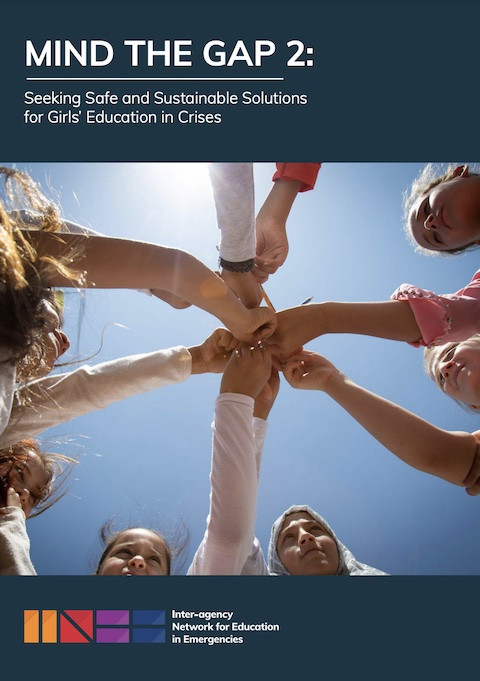 Mind the Gap 2: Seeking Safe and Sustainable Solutions for Girls’ Education in Crises Год публикации: 2022 Автор: Ruth Naylor | Ella Page | Kate Sims Организация-автор: Inter-agency Network for Education in Emergencies (INEE) This report summarizes progress, gaps, challenges and opportunities in improving education and training for girls and women affected by conflict and crisis. This report monitors progress since the first Mind the Gap report and highlights the following thematic areas: distance education and the digital divide, school-related gender-based violence, and girls’ education during climate crisis.The report aims to support the Charlevoix Declaration on Quality Education’s commitment to enhance the evidence base and monitor progress toward gender-equitable education in crises. The report draws from data on 44 crisis-affected countries, from recent research, and from a set of case studies of interventions in a range of crisis-affected contexts.
  Bridging the Gap: Strengthening the Evidence Base for Gender-Responsive Education in Emergencies Год публикации: 2022 Автор: Lauren Gerken | Sumbal Bashir Организация-автор: Inter-agency Network for Education in Emergencies (INEE) This brief was developed by the INEE Gender Task Team in response to global calls for more and better data and evidence on gender-responsive EiE. The brief draws from findings of the 2021 and 2022 editions of the INEE Mind the Gap report on the state of girls’ education in emergencies, and from consultations with gender and education experts.The objectives of this brief are: To highlight key gaps in the evidence base on gender and EiE To provide strategic guidance and thematic content for new research initiatives focused on gender and EiE To promote collaborative action and knowledge-sharing among key actors working on gender and EiE
  قبول التنوع: مجموعة أدوات تتيح تهيئة بيئات جامعة صديقة للتعلم Год публикации: 2014 Организация-автор: UNESCO Beirut قام مكتب اليونسكو الإقليمي – بيروت بترجمة وتعريب مجموعة الأدلة التي أنتجها مكتب اليونسكو الإقليمي للتربية في آسيا والمحيط الهادي- بانكوك. وتقدم الأدلة المعنونة " قبول التنوع: مجموعة أدلة تتيح تهيئة بيئات جامعة صديقة للتعلم" أدوات عملية وارشادات لجعل المدارس والصفوف الدراسية جامعة وصديقة للتعلم ومراعية للفروق الاجتماعية والجندرية والجسمية بين الأطفال.وهذا الدليل هو واحد من الأدلة التسعة التي أُنتجت، والتي تهدف في مجموعها، إلى مساعدة المعلمين ومدراء المدارس والمسؤولين التربويين، لتهيئة بيئة تعليمية جامعة وصديقة للتعلم، من خلال تقديم مجموعة متنوعة من الطرق والأمثلة والأدوات والنصائح والإرشادات التي تعين المعلم على أداء مهامه وإدارة الصف وتهيئة بيئة تعليمية ملائمة للجميع. Embracing Diversity: Toolkit for Creating Inclusive, Learning-Friendly Environments Год публикации: 2014 Организация-автор: UNESCO Beirut The UNESCO Regional Office - Beirut has translated and localized the collection of manuals produced by the UNESCO Regional Office for Education in Asia and the Pacific - Bangkok. The guides, “Accepting Diversity: A Guidebook for Creating Learning-Friendly University Environments,” provides practical tools and guidance for making schools and classrooms inclusive, learning-friendly, and social, gender- and physical-sensitive among children.This guide is one of the nine guides that have been produced, which, in total, aim to assist teachers, school principals and educational officials to create an inclusive and learning-friendly learning environment, by providing a variety of methods, examples, tools, tips and instructions that help the teacher to perform his duties, manage the classroom and prepare A suitable learning environment for all.
 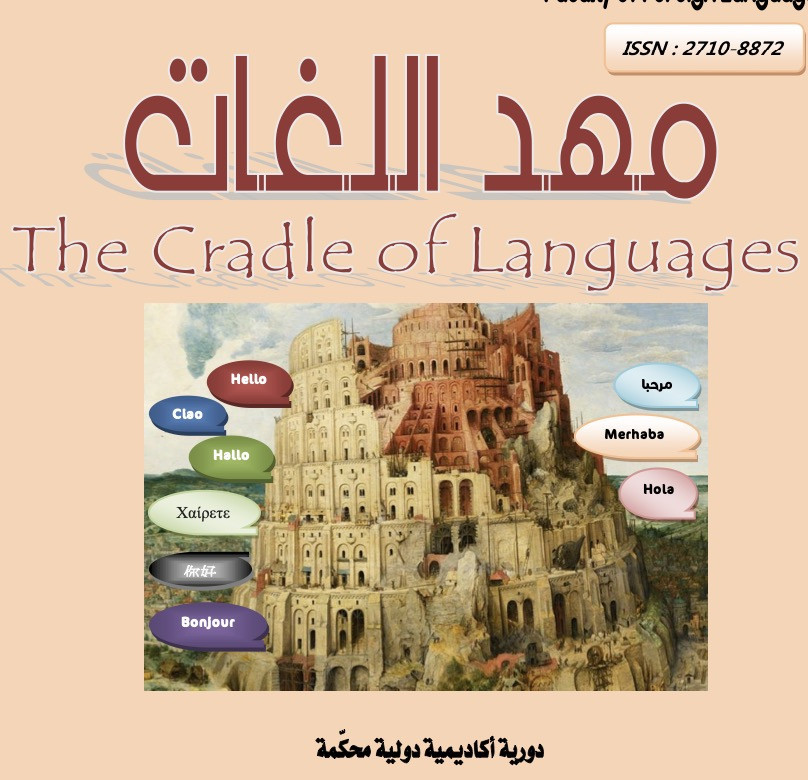 استخدام بعض تطبيقات الهاتف الذكي في تعليم اللغة العربية للناطقين باللغة الإنجليزية بين الواقع الملموس والمستقبل المأمول Год публикации: 2022 Организация-автор: University of Chlef يتناول هذا البحث ظاهرةً علميةً انتشرتْ في السنوات القليلة الماضية في تعليم اللغة العربية للمتحدثين الأصليين باللغة الإنجليزية، ألا وهي تعليم اللغة العربية باستخدام تطبيقات الهواتف الذكية، وهي ظاهرةٌ جديرةٌ بالاهتمام، مما لفت نظر الباحث إلى ضرورة دراسة هذه الظاهرة بشيءٍ من التفصيل، وقد لاحظَ الباحثُ انتشارَ عددٍ كبيرٍ من تطبيقات الهواتفِ الذكية في تعليم اللغة العربية للناطقين باللغة الإنجليزية، فاتجه الباحثُ إلى بيانِ وتوضيح عددٍ من هذه التطبيقات، واصفًا لها مبيِّنًا خصائصَها ومميزاتِها، كما حرص على بيان وتوضيح بعض عيوبِها التي ظهرتْ له، حتى يكون ذلك عونًا للطلابِ عند انتقاء التطبيقات المناسبة لهم إذا أرادوا أن يتعلموا العربية عن طريق مثل هذه التطبيقات. ولقد تحدَّثَ الباحث عن منهجه في الدراسة، ووضَّح أنه استخدم المنهج الوصفيَّ في بيان هذه التطبيقات، كما قام بتعريفِ بعضِ المصطلحات المستخدمة في البحث، كالهاتف الذكي، وتطبيقات تعليم اللغة العربية للناطقين بالإنجليزية، كما تحدث عن أهم خصائص تعليم اللغة العربية من خلال تطبيقات الهواتف الذكية، كما ذكر عناصرَ تطبيقات الهواتف الذكية في تعليم اللغة العربية للناطقين بالإنجليزية، ثم ذكر الباحثُ أربعةً من تطبيقات الهواتف الذكية، واصفًا لها؛ مبيِّنًا مميزاته وعيوبِ كلٍّ منها، ثم أنهى الباحث تلك الورقة بالحديث عن المستقبل المأمول في خصائص مثل هذه التطبيقات التي يجب أن تتسم بها إذا أردنا الحصول على تطبيقٍ مثاليٍّ في تعليم اللغة العربية للناطقين بالإنجليزية. Use of Smartphone Applications to Teach Arabic to English Language Speakers Between the Tangible Reality and the Hoped-for Future Год публикации: 2022 Организация-автор: University of Chlef This research examines a scientific phenomenon that hat has spread in the past few years on teaching Arabic to native English speakers using smartphone applications. Smartphone usage proved to be a stimulating phenomenon that drew the researcher's attention to studying it in great detail. The researcher observed several smartphone applications in teaching Arabic to English speakers. However, this led to the writer's description, clarification, and categorization of these applications based on their features and characteristics, just as he was keen to explain and clarify some demerits of these applications. The main goal was to help students when selecting the rightful applications for them should they resort to learning Arabic through such applications. In his attempt to explain more about these applications, the researcher used a descriptive method where he also defined some of the terminologies used in this research, for example, smartphone and Arabic language applications for English speakers. He also spoke about the most vital characteristics of Arabic language learning through smartphone applications. He then mentioned a range of smartphone applications, such as the famous Duolingo app used to teach Arabic and other languages to English speakers, as well as the Arabic unlocked application. In summation, the researcher concluded his research paper by looking into the future characteristics of such applications and what an ideal application in teaching Arabic to English speakers should be.