
Ресурсы
Изучайте широкий спектр ценных ресурсов ВГГ, чтобы углубить своё понимание и повысить эффективность исследований, просветительской деятельности, преподавания и обучения.
Найдено: 2,668
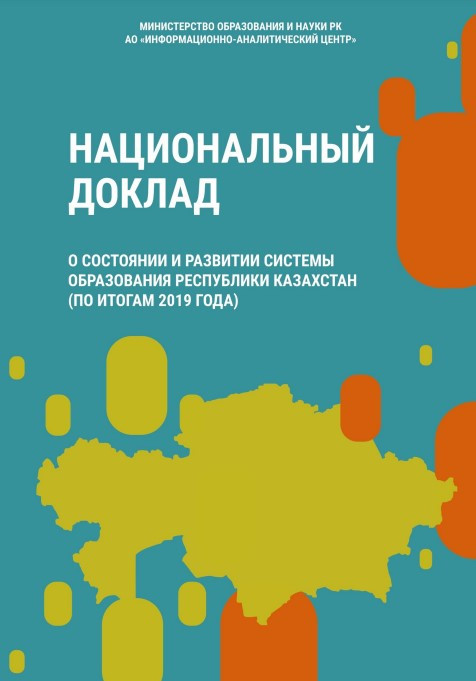 National Report on the State and Development of the Education System of the Republic of Kazakhstan Год публикации: 2021 Организация-автор: Kazakhstan. Ministry of Education and Science The purpose of the National Report is to provide the public and state agencies with objective and reliable information about the state and development of the education system. The national report is based on the statistical data of the administrative reporting of the Ministry of Education and Science and international organizations. Национальный доклад о состоянии и развитии системы образования республики Казахстан Год публикации: 2021 Организация-автор: Kazakhstan. Ministry of Education and Science Цель Национального доклада – обеспечение населения, государственных органов объективной и достоверной информацией о состоянии и развитии системы образования. Национальный доклад базируется на статистических данных административной отчетности МОН РК и международных организаций.
  ورقة معلومات أساسية التناسق بين العمل الإنساني والتنموي في قطاع التعليم: العمل معا في سياق الأزمات Год публикации: 2021 Организация-автор: Inter-agency Network for Education in Emergencies (INEE) كما علمتنا جائحة كوفيد ١٩ (كورونا) المستمرة، انه لا يوجد بلد أو نظام تعليمي في مأمن من الأزمة الحالية؛ لذلك، فإن من الأهمية بناء انظمة مرونة والتي بدورها ستشكل مفتاح ليس فقط لتجنب الخسائر ولكن أيضًا للاستمرار والتقدم نحو أهدافنا المشتركة في قطاع التعليم. هناك حاجة ماسة إلى العمل الجماعي عبر قطاعي التنمية والإنسانية لبناء أنظمة تعليمية شاملة، وقابلة للتكيف، معدة للاستجابة للأزمات ولديها القدرة على الاستجابة لها، بحيث تتاح لكل طفل وشاب فرصة الذهاب والبقاء في الفصول الدراسية، وإكمال دورة كاملة من التعليم الابتدائي والثانوي.يعد تناسق بين العمل الإنمائي والإنساني مهمًا لضمان وصول جميع الأطفال إلى تعليم نوعي وجيد ومتواصل، مما يعزز زيادة قدرتهم على التأقلم وتطورهم الكلي. في حين أن التعليم يوفر فوائد كبيرة للأفراد والمجتمعات والدول، فإن إنشاء نظم التعليم المرنة تتطلب التخطيط على مدى سنوات وتنسيق الجهود والاستثمار في قطاع التعليم.الهدف من هذه الورقة هو إزالة الغموض عن مفهوم تناسق الإنمائي الإنساني. نجحت هذه الورقة باستخدام تعريف طرق العمل الجديدة - وهو العمل على مدى سنوات طويلة للوصول لنتائج جماعية بناءً على التمايز النسبي لمختلف الجهات الفاعلة، في تلخيص المفهوم الحاسم لتناسق الإنمائية الإنسانية، وعرض العوائق التي تحول دون الترابط في قطاع التعليم، وتقديم أمثلة توضيحية للعمل يتسم بالتناسق.تقترح الورقة مجموعة من الإجراءات والتوصيات لدعم التناسق بين العمل الإنمائي والإنساني في قطاع التعليم، إلى جانب مبادئ توجيهية للمعنيين بالتعليم للقيام بإجراءات جماعية، كما وتدعو إلى تحسين الترابط بين وكالاتهم وفي كل سياسات وبرامج قطاع التعليم. ايضاً تستهدف الورقة مجموعة واسعة من الجهات الفاعلة في المجال الإنساني والتنموي والحكومي والمجتمع المدني الذين يعملون على ضمان حق جميع الأفراد في الحصول على تعليم جيد وآمن وملائم ومنصف.تم وضع تصور لهذه الورقة من قبل فريق الايني المعني بالعمل التنموي والإنساني، وهو تعاون بين مجموعة عمل سياسة التعليم من الشبكة المشتركة لوكالات التعليم في حالات الطوارئ ومجموعة عمل لمناصرة الشبكة المشتركة لوكالات التعليم في حالات الطوارئ Background paper: Coordination between Humanitarian and Development Work in the Education Sector: Working Together in a Crisis Context Год публикации: 2021 Организация-автор: Inter-agency Network for Education in Emergencies (INEE) The education sector is charged with a responsibility to ensure inclusive and equitable quality education and promote lifelong learning opportunities for all, per Sustainable Development Goal 4 (SDG4). The current trend of complex and longer-term crises, whether caused by the climate emergency, violent conflict, or a pandemic, threatens progress toward SDG4 targets. As the ongoing COVID-19 pandemic has taught us, no country or education system is immune from crisis; therefore, building resilience is the key not only to avoiding losses but to sustaining and progressing toward our shared goals in the education sector. Collective action is needed across the humanitarian-development spectrum to build inclusive and adaptable education systems that are prepared for and have the capacity to respond to crises, so that every child and young person has a chance to go to school, stay in school, and complete a full cycle of primary and secondary education.This report is aimed at members of the Inter-agency Network for Education in Emergencies (INEE), which includes a broad range of humanitarian, development, government, and civil society actors who are working to ensure that all individuals have the right to a quality, safe, relevant, and equitable education. The purpose of the report is to demystify the concept of humanitarian-development coherence and to propose a set of actions and recommendations to strengthen such coherence in the education sector. The report also provides guidelines for INEE members and education stakeholders to take collective action, and to advocate for improved coherence within their own agencies and across the education sector’s full spectrum of policy and programming.This report recapitulates the concept of humanitarian-development coherence and why it is critical, provides an overview of barriers to coherence in the education sector, identifies illustrative examples of coherent action, and offers concrete recommendations for improved coherence, as summed up through a “Learn-Convene-Adapt” framework.To explain the concept of humanitarian-development coherence, this paper adopts the New Ways of Working definition, which describes humanitarian-development coherence as working over multiple years toward collective outcomes, based on the comparative advantage of a diverse range of actors (see definitions, p. 6). The paper argues that humanitarian-development coherence is critical to ensuring that all children have access to uninterrupted quality education, which promotes their increased resilience and overall development. While education can provide significant benefits for individuals, communities, and countries, establishing resilient education systems requires multi-year planning, coordination, and investment in the education sector.To unpack the bottlenecks to coherence in education, the paper uses the conceptual framework proposed in the USAID white paper, Education and Humanitarian-Development Coherence (Nicolai et al., 2019). This framework outlines three levels of action that influence conditions for coherence: Norms, Capacities, and Operations. The barriers identified and explored in the paper are the following:
 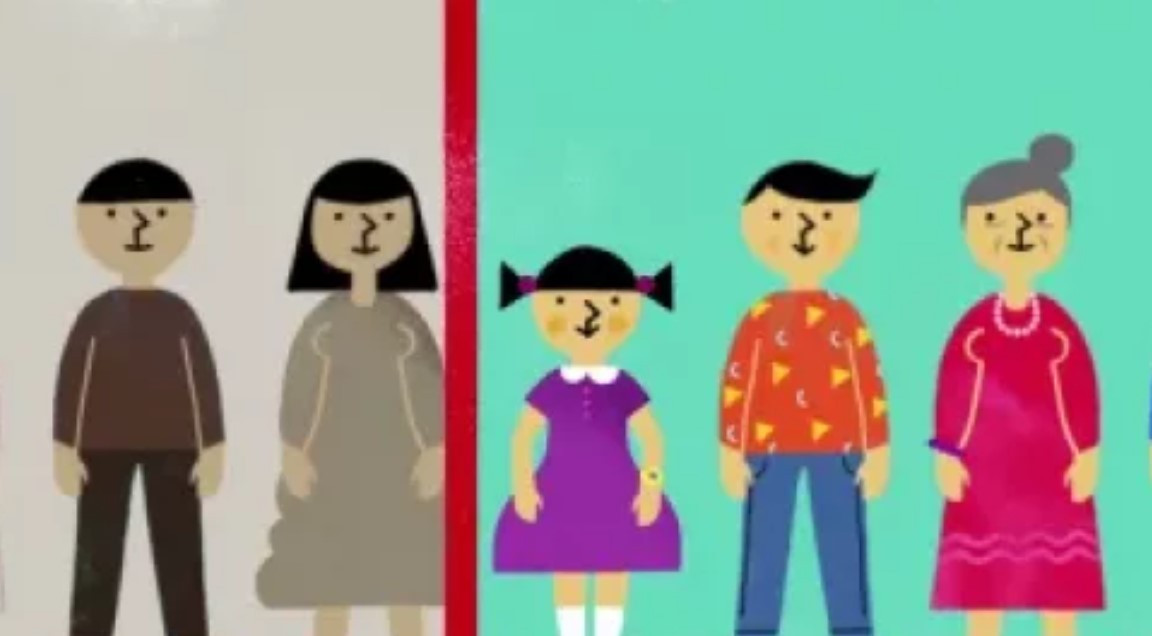 Towards a World Free from Child Poverty Ending Child Poverty Организация-автор: UNICEF China This video showcases UNICEF's ideas on equity in education and tackling child poverty. 让所有儿童远离贫困 消除儿童贫困 Организация-автор: UNICEF China 本视频展示了联合国儿童基金会关于教育公平与解决儿童贫困问题的理念。
 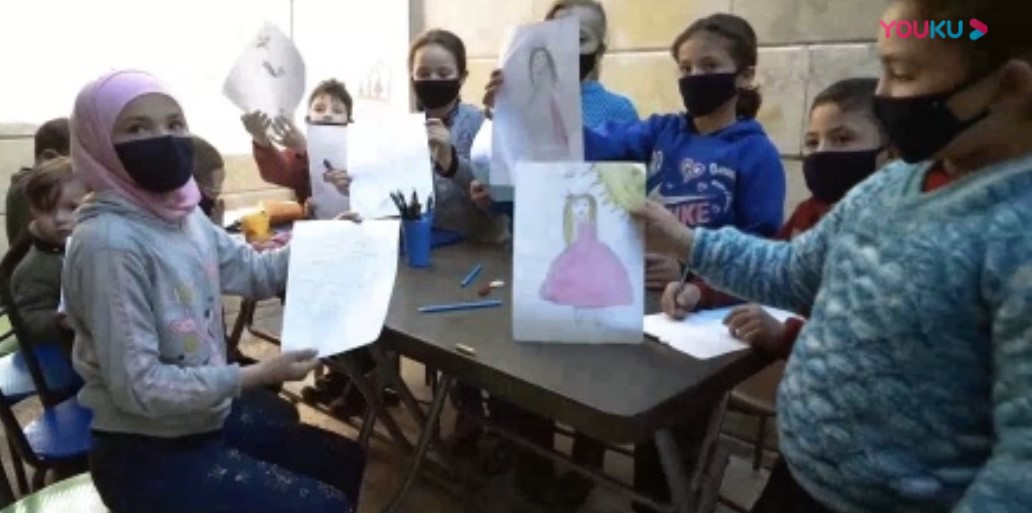 A Virtual Visit to Aleppo in Syria Год публикации: 2021 Организация-автор: 联合国儿童基金会 This video looks at education for children in the war-torn city of Aleppo, Syria, and the work UNICEF is doing there. 环球虚拟差旅:走进阿勒颇古城 Год публикации: 2021 Организация-автор: 联合国儿童基金会 本视频介绍了叙利亚阿勒颇古城在战争情况下的儿童教育情况以及联合国儿童基金会在当地所从事的工作。
 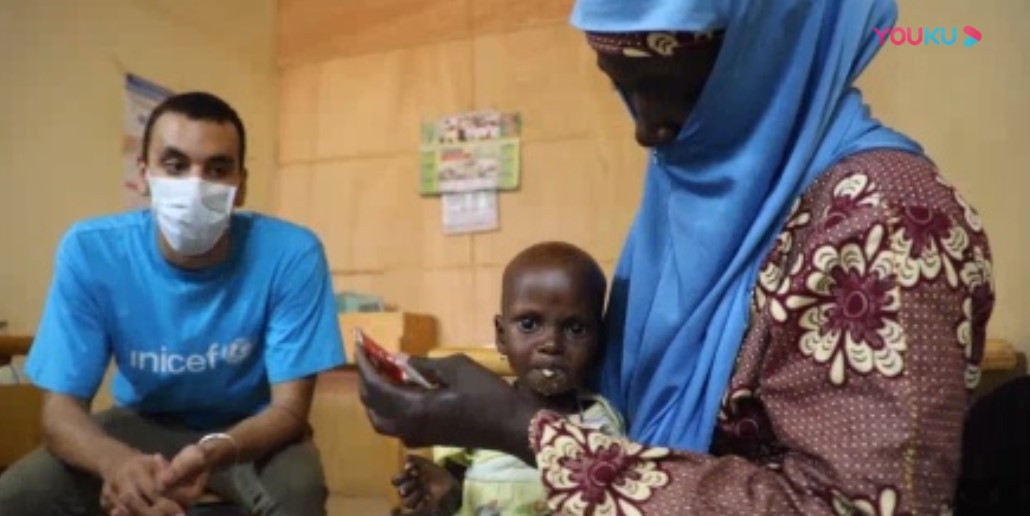 How a Peanut Became a Life-Saving Treatment for Children Год публикации: 2021 Организация-автор: 联合国儿童基金会 This video presents UNICEF's initiative to address child malnutrition in Niger, Africa. 环球虚拟差旅:一粒粒花生如何变成拯救儿童生命的治疗 Год публикации: 2021 Организация-автор: 联合国儿童基金会 本视频介绍了联合国儿童基金会针对解决儿童营养不良在非洲尼日尔开展的举措。