
Ресурсы
Изучайте широкий спектр ценных ресурсов ВГГ, чтобы углубить своё понимание и повысить эффективность исследований, просветительской деятельности, преподавания и обучения.
Найдено: 1,448
 Research on Digital Competence of EU Citizens: A Comparative Analysis Based on the Dig Comp1.0, 2.0 and 2.1 (International and Comparative Education; No. 6) Год публикации: 2020 Автор: Zheng Xudong | Fan Xiaoyu Организация-автор: Beijing Normal University The explosive development of digital technology has revolutionized the competences of social citizens. In 2006, EU proposed digital competence, based on it, EU established A Framework for Developing and Understanding Digital Competence in Europe (Dig Comp 1.0). After releasing two revisions of Dig Comp 1.0, the Digital Competence Framework for Citizens (Dig Comp 2.1) was officially released in 2017. Compared with the former versions, Dig Comp 2.1 expanded digital competences areas, revised the competences names, no longer described the specific competences from KSA (knowledge, skill and attitude) perspective, and the proficiency of the competences were divided into more detailed 8 proficiency level. The Dig Comp 2.1 contained the following values: a. the transformation of the concept of digital citizenship education; b. paying attention to the competences of complex problem solving and innovation; c. looking forward to the future development of intelligent society; d. supporting the development of lifelong learning and developing qualified digital citizens. Dig Comp 2.1 has enlightenment for building a learning society in China, and that of improving the digital competences of Chinese citizens. 欧盟公民数字胜任力研究: 基于三版欧盟公民数字胜任力框架的比较分析 (比较教育研究; No. 6) Год публикации: 2020 Автор: Zheng Xudong | Fan Xiaoyu Организация-автор: Beijing Normal University 数字科技的爆发式发展对公民的能力素养产生了革命性影响。欧盟在 2006 年 提出数字胜任力的基础上,于 2013 年制定了欧盟公民数字胜任力框架 1.0,在经过连续两 次修订后,于 2017 年正式发布了欧盟公民数字胜任力框架 2.1。与旧版相比,新版框架对 胜任力域进行了拓展,修订了具体能力的名称,不再从知识、技能和态度方面描述具体能 力,能力熟练度也划分成更详细的 8 个水平。新版框架体现了欧盟数字公民教育的理念转 变,对复杂问题解决与创新创造能力培养的重视,对终身学习能力和合格数字公民培养的 关注,以及对未来智能社会发展需求的前瞻,对我国建设学习型社会、构建全民终身学习 体系和提升国民数字胜任力具有借鉴意义。
 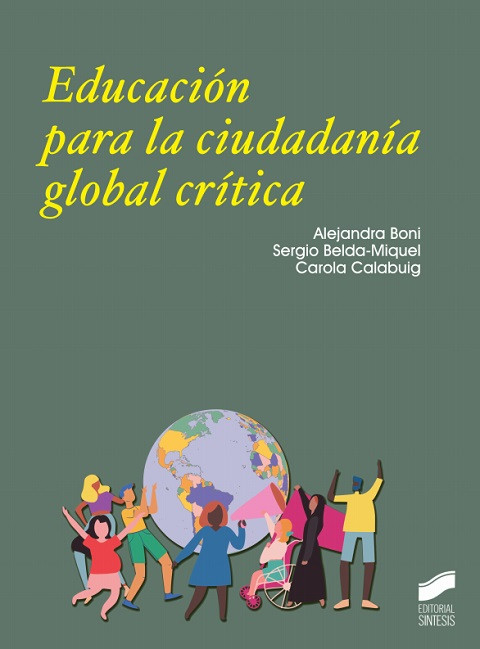 Educación para la ciudadanía global crítica Год публикации: 2020 Автор: Alejandra Boni | Sergio Belda-Miquel | Carola Calabuig-Tormo Организация-автор: Editorial Síntesis Este libro presenta la propuesta de la educación para la ciudadanía global crítica. Se trata de una invitación a articular una educación transformadora que resulte adecuada para generar una ciudadanía consciente, activa, movilizada, capaz de autoorganizarse, de oponer resistencias, de proponer alternativas y de encontrar caminos distintos ante la actual crisis multidimensional que ataca las bases de la convivencia y las propias condiciones que permiten la vida en el planeta.Las autoras y el autor del presente libro pretenden que este texto sirva, precisamente, para adquirir esa conciencia y para descubrir caminos para ponerla en práctica. Aunque se centra sobre todo en el ámbito educativo formal, ofrece también propuestas y reflexiones para el ámbito no formal y el informal e, incluso, para el diseño de políticas públicas.
 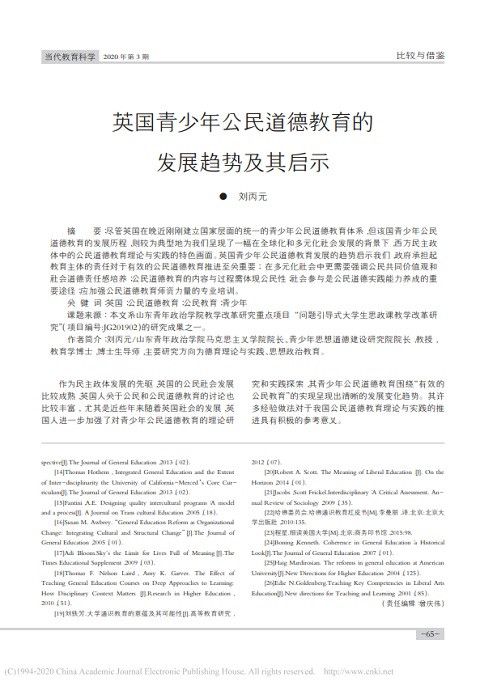 The Development Trend and Enlightenment of Civic Moral Education for British Young People Год публикации: 2020 Автор: Liu Bingyuan Организация-автор: Contemporary Education Sciences The United Kingdom has launched a national citizenship and moral education curriculum for teenagers has been set up, with emphasis on globalization and diversification of social development. The curriculum is by and large represents citizenship and moral education theory and practice in western democracies. The trend of the development of civic moral education for British young people tells us that it is very important for the government to take the responsibility of education subject to promote effective civic moral education. Nothwithstanding, it is noteworthy the curriculum places significance emphasis on citizenship and moral education in a pluralistic society need to emphasize the cultivation of common values and social moral responsibility of citizens. The content and process of civic moral education should embody citizenship. Social participation is an important way to cultivate citizens' moral practical ability. We should strengthen the professional training of civil moral education teachers. 英国青少年公民道德教育的发展趋势及其启示 Год публикации: 2020 Автор: Liu Bingyuan Организация-автор: Contemporary Education Sciences 尽管英国在晚近刚刚建立国家层面的统一的青少年公民道德教育体系,但该国青少年公民 道德教育的发展历程,则较为典型地为我们呈现了一幅在全球化和多元化社会发展的背景下,西方民主政 体中的公民道德教育理论与实践的特色画面。英国青少年公民道德教育发展的趋势启示我们,政府承担起 教育主体的责任对于有效的公民道德教育推进至关重要;在多元化社会中更需要强调公民共同价值观和 社会道德责任感培养;公民道德教育的内容与过程需体现公民性;社会参与是公民道德实践能力养成的重 要途径;应加强公民道德教育师资力量的专业培训。
 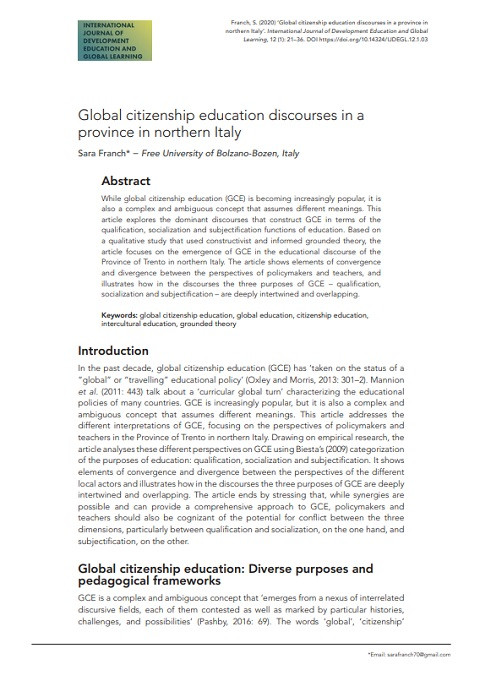 Global Citizenship Education Discourses in a Province in Northern Italy (International Journal of Development Education and Global Learning; Vol. 12, No. 1) Год публикации: 2020 Автор: Sara Franch Организация-автор: UCL Press While global citizenship education (GCE) is becoming increasingly popular, it is also a complex and ambiguous concept that assumes different meanings. This article explores the dominant discourses that construct GCE in terms of the qualification, socialization and subjectification functions of education. Based on a qualitative study that used constructivist and informed grounded theory, the article focuses on the emergence of GCE in the educational discourse of the Province of Trento in northern Italy. The article shows elements of convergence and divergence between the perspectives of policymakers and teachers, and illustrates how in the discourses the three purposes of GCE – qualification, socialization and subjectification – are deeply intertwined and overlapping.
  How Does Peer-Mentoring Contribute to Education for Sustainable Development in Schools?: Study & Analysis; France Год публикации: 2020 Автор: Carole Coupez | Jérémie Morfoisse Организация-автор: Solidarité Laïque | Peerment | Erasmus+ This document reports the findings of a study surveying French teachers about practices in education for sustainable development within France’s formal education system, and the development of educational approaches to peer-mentoring. Comment le peermentoring contribue à l’Éducation au développement durable en milieu scolaire ?: Étude et Analyse; Volet France Год публикации: 2020 Автор: Carole Coupez | Jérémie Morfoisse Организация-автор: Solidarité Laïque | Peerment | Erasmus+ Ce document restitue un travail d’enquête et de réflexion mené auprès d’enseignants français, sur les pratiques d’éducation au développement durable dans l’enseignement formel, et le développement des approches pédagogiques en peermentoring.
  Centros educativos transformadores: Rasgos y propuestas para avanzar Год публикации: 2018 Автор: Guillermo Aguado de la Obra | Yénifer López Ramos | Ani Urretavizcaya Loinaz | Elisabet Santpere Baro Организация-автор: Movimiento por la educación transformadora y la ciudadanía global | Oxfam Intermón | InteRed | Entreculturas | ALBOAN Este documento es un marco teórico y práctico de innovación pedagógica para la incorporación de la Educación Transformadora para la Ciudadanía Global en el centro educativo.
 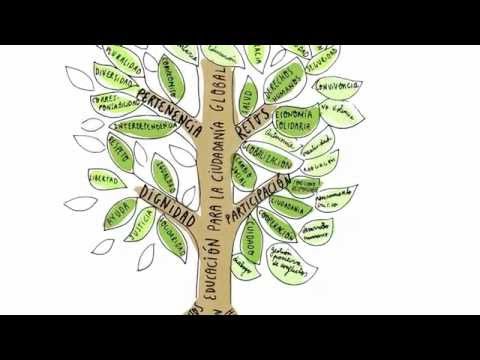 Educación para la Ciudadanía Global Год публикации: 2015 Автор: AM Ketterer Организация-автор: Universitat de Barcelona | Agencia Española de Cooperación Internacional para el Desarrollo (AECID) La Educación para la Ciudadanía Global orienta los aprendizajes hacia unas finalidades que están presentes en el currículo:- Promover el sentimiento de pertenencia a una comunidad planetaria.- Descubrir la interdependencia de los derechos humanos en la globalización.- Generar una cultura de la solidaridad.- Capacitar para la acción por un desarrollo humano y sostenible.Estos aprendizajes pueden relacionarse con los intereses del alumnado y, de hecho, muchos de ellos conectan con sus vivencias de la globalización.