
Ресурсы
Изучайте широкий спектр ценных ресурсов ВГГ, чтобы углубить своё понимание и повысить эффективность исследований, просветительской деятельности, преподавания и обучения.
Найдено: 12
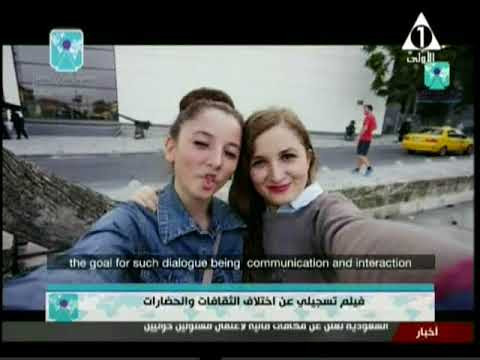 A Documentary about Different Cultures and Civilizations Год публикации: 2017 Организация-автор: Egypt News The documentary talks about the differences between cultures and civilizations. It talks about the importance of cross-fertilization between civilizations for a happy life and sustainable development. فيلم تسجيلى عن اختلاف الثقافات والحضارات Год публикации: 2017 Организация-автор: Egypt News يتحدث الفيلم الوثائقي عن الاختلافات بين الثقافات والحضارات. ويتحدث عن اهمية التلاقح بين الحضارات للعيش السعيد والتنمية المستدامة.
  Egyptian Youth Rethink the Future of Wellbeing in 2050: Report of the Futures Literacy Lab-novelty; Online, 21-24 July 2020 Год публикации: 2020 Организация-автор: UNESCO Cairo The UNESCO (Cairo Office and Research, Policy and Foresight Section) and the Egyptian Ministry of Youth and Sport, with support of Bibliotheca Alexandrina, UNFPA and UN Women, organized a Futures Literacy Laboratory - Novelty (FLL-N) entitled “Egyptian Youth Rethink the Future of Wellbeing in 2050”. Held online during 21-24 July 2020, and deploying the latest advances in anticipatory systems thinking and collective intelligence processes, the Lab brought together around 30 persons from across Egypt for 8-hours intensive work spread over a week’s time.Thirty young participants explored the topic of ‘wellbeing’ in Egypt in 2050 using a tool called the Futures Literacy Lab-Novelty (FLL-N). Wellbeing is an open concept that invites many different ways of defining what it means to ‘live well’. The participants engaged in learning-by-doing activities that exercised their imaginations, exploring questions like, how do people in 2050 in Egypt describe ‘wellbeing’? What is daily life like such that people in 2050 believe that they have achieved ‘wellbeing’? By working together to imagine the future this Lab provided an opportunity to better understand the origins of what we imagine, why and how we create the images of the future, and crucially the powerful influence such images have on our fears and hopes, perceptions and choices.
  التعليم وتأسيس المواطنة لدى الإنسان العربي Год публикации: 2014 Автор: مدكور، علي أحمد Организация-автор: Cairo University تناولت هذه المقالة قضية المواطنة وإشكاليتها وتنوعاتها مركّزة على علاقتها بالديمقراطية باعتبارها آلية لتحقيق العدل الاجتماعي، فالديمقراطية الحقيقية لها ثلاثة مقومات: أن يشارك الناس في صناعة القرار، وفي تنفيذ القرار، وفي الثمار الناتجة عن القرار. كما حاولت الورقة التركيز على أسس المواطنة من جهة مثل المشاركة الفعلية في كل مجالات الحياة الاجتماعية، السياسية، الاقتصادية والتعليمية والثقافية؛ ومقومات المواطنة من جهة أخرى مثل حقوق الإنسان كالحق في الحياة والحرية والمساواة والعدل والعمل والتعليم والتفكير والتعبير والاعتقاد... كل هذه الحقوق تمثل المقومات الرئيسة لقوة الوطن والمواطنة. كما تمّ الاعتماد في هذه الورقة على المواثيق العالمية لحقوق الإنسان في عرض العلاقة بين المواطنة وبين هذه المقومات. من هذه المواثيق: الإعلان العالمي لحقوق الإنسان في الإسلام، والإعلان العالمي لحقوق الإنسان الذي أعلن عام 1948، والاتفاقية الأوروبية لحقوق الإنسان. Education and the Laying the Foundations of Citizenship for Arab Humans Год публикации: 2014 Автор: مدكور، علي أحمد Организация-автор: Cairo University This article deals with the issue of citizenship and its variations focusing on its relation to democracy being a mechanism to achieve social justice. Real democracy has three determinants: people’s participation in taking the decisions, in implementing them and in benefiting from their effects. The paper also tried to focus on the fundamentals of citizenship from the perspective of effective participation in all aspects of social, economic and cultural life, on one side, and on the determinants of citizenship such as human rights -the right to life, freedom, equality, justice, work, thinking, expression and belief… from the other - all those rights represent the main determinants of the strength of the homeland and citizenship. Among the human rights conventions: The Universal Islamic Declaration of Human Rights, The Universal Declaration of Human Rights of 1948, The European Convention on Human Rights.
  التجربة الليبية في محو الأمية وتعليم الكبار Год публикации: 2017 Организация-автор: Masouda Ali Al Aswad عانت ليبيا شأنها كغيرها من دول العالم الثالث من مشكلة األمية كأحد أهم التحديات التي واجهت والتزال تواجه مسيرة التقدم التي تسعى اليها. وقد مرت البالد بمراحل تخلف واستعمار وانتداب كان لها األثر السيء على المستوى الفردي والمجتمعي أدى الى تأخر التنمية البشرية وإضعاف خطى التطور والبناء. ونظرا ألهمية التعليم في بناء األمم سعت ليبيا منذ فترات بعيدة الى نشر العلم والتعلم بين شرائح المجتمع المختلفة صغارا وكبارا وكان الطموحات كبيرة فيما يخص برنامج محو األمية منذ الخمسينات وحتى يومنا هذا. وقد تنوعت األساليب والطرق التي حوربت بها األمية، فمن األمية األبجدية التي استهدفت شرائح المجتمع التي فقدت فرصتها في التعلم القرائي والكتابي في الوقت المناسب، الى محاولة القضاء على األمية المهنية، والتدريب المهني، واإلعداد الحرفي، والتدريب المنزلي والتثقيف الصحي، من خالل اكساب هذه الفئات المهارات الكافية لتحقيق االستقالل الذاتي، الى محاربة األمية الحضارية والوظيفية والتقنية والتدريبية والتي تستهدف تكوين الكوادر القادرة على سد االحتياجات في سوق العمل. وقد اتبعت الدولة الليبية كل الوسائل والطرق الممكنة للقضاء على األمية من مدارس تعليم الكبار الى المدارس المسائية الى الفصول االستثنائية في أوقات الفراغ، الى المساجد والمنارات والزوايا التي ساهمت في نشر ثقافة حفظ ودراسة القرآن الكريم مما انعكس إيجابا على مستوى التعلم لدى فئات كبيرة ممن لم يتمكنوا من دخول المدارس. هذا باإلضافة الى برنامج الجامعة المفتوحة الذي يعد إنجازا وفر فرصا ذهبية لمن فاتته فرصة التعليم الجامعي كما حققت الدولة من خالله نوعا من التوازن بين القوى العاملة والمستويات العالية للتعليم لهذه القوى. وقد حققت ليبيا مراتب عالية من حيث قدرتها على مواجهة األمية ونشر الوعي والثقافة األبجدية باإلضافة الي تحقيق مراحل ملموسة من ناحية األمية التقنية. وقد أثبتت التقارير أنها تبوأت مراتب متقدمة في سلم الدول التي نجحت في محاربة شبح األمية بأنواعها. غير أنها في الوقت ذاته التزال تواجه تحديات كبيرة ومشاكل جمة تحتاج الى دراسات مستوفية وجهود جبارة للقضاء عليها. Libyan Experience in Literacy and Adult Education Год публикации: 2017 Организация-автор: Masouda Ali Al Aswad Libya, like other Third World countries, has suffered from the illiteracy problem as one of the most important challenges it has faced and continues to face the progress it is seeking. The country has gone through stages of underdevelopment, colonialism and mandate that have had a bad impact on the individual and societal level, which has delayed human development and weakened the pace of development and construction. Given the importance of education in nation-building, Libya has long sought to spread science and learning among different segments of society, young and old, and has had great ambitions for the literacy program from the 1950s to the present day.The methods and methods of illiteracy have been varied, from the alphabetical illiteracy targeted to segments of society that have lost their opportunity to read and write in a timely manner, to try to eradicate vocational illiteracy, vocational training, craft preparation, home training and health education, by acquiring these categories. Adequate skills to achieve autonomy, to combat civilizational, functional, technical and training illiteracy aimed at training cadres capable of meeting the needs in the labor market. The Libyan state has adopted all possible means and methods to eliminate illiteracy, from adult education schools to evening schools to extraordinary classes in leisure time, to mosques, lighthouses and corners that contributed to spreading the culture of memorizing and studying the Holy Qur'an, which reflected positively on the level of learning among large groups of people who were unable to From entering schools.This is in addition to the Open University program, which is an achievement that provided golden opportunities for those who missed the opportunity of university education. The State also achieved a balance between the workforce and the high levels of education for these forces. Libya has achieved high levels in terms of its ability to cope with illiteracy, spread awareness and alphabet culture, as well as achieve tangible stages in terms of technical illiteracy. Reports have proved to be high on the list of countries that have succeeded in fighting illiteracy. At the same time, however, they continue to face significant challenges and problems that require thorough studies and efforts to eliminate them.
  المواطنة العالمية وآفاقها المستقبلية في الوطن العربي Год публикации: 2017 Автор: داليا الجيزاوي تتحدث الكاتبة عن مفهوم المواطنة العالمية في الدول العربية مبرزتا التطور الحاصل في المفهوم نتيجة التغييرات التي مر بها العالم العربية في الفترات الماضية. ومن ثم تبدأ الباحثة في التطرق لافاق المواطنة العالمية وعلاقته بالانتماء للوطن العربي. وقد ذكرت الباحثة نوعان من المؤشرات اللازمة لقياس المواطنة العالمية. ولتضمين المواطنة العالمية في التعليم اشارت الباحثة للغايات التعليمية المتمثلة في المهارات المعرفية والمهارات الاجتماعية العاطفية والمهارات السلوكية. في ختام المقال أكدت الباحثة على أهمية مشاركة الاطفال من خلال التنشئة لتحقيق المواطنة العالمية، وللوصول لذلك فقد وضعت الكاتبة مجموعة من التوصيات. Global Citizenship and its Future Horizons in the Arab World Год публикации: 2017 Автор: Dalia Aljizawi In this article, the researcher is trying to illustrate the concept of global citizenship in the Arab nations. The researcher presented the development of the concept of global citizenship based on the changes that the Arab world faced in the past. The article then goes to state the relationship between the horizons of the global citizenship and nationality/belongings of people to the Arab world. Moreover, there were two indicators presented to evaluate global citizenship. In the last part of the paper, the author talks about implementing global citizenship in education through focusing on cognitive skills, socio-emotional skills and behavioral skills. The author recommends at the end of involving children through education to achieve global citizenship. The paper ends with some recommendations to make children participate in global citizenship education.
  المواطنة والعولمة تساؤل الزمن الصعب Год публикации: 2016 Автор: قايد دياب عد كتاب “المواطنة والعولمة.. تساؤل الزمن الصعب” لمؤلفه “قايد دياب قايد مجاهد”تقاطعًا بين عدد من مجالات العلوم الإنسانية البينية، ومنها: مجال حقوق الإنسان، والاقتصاد السياسي الذي يهتم بأهم الظواهر الاقتصادية العالمية وأثرها على الظواهر السياسية، ومن أهمها موضوع سيادة الدول القومية؛ حيث يتناول بالدراسة والتحليل مفهوم المواطنة الغربية والكيفية التي تبلور بها وتطوره، وما تعرض له من ثورات اجتماعية وإعلانات مختلفة لحقوق الإنسان.. كما يستهدف استقصاء ظاهرة العولمة من حيث نشأتها وتفسيرها وتجلياتها، ومدى قدرة الدول القومية على الوفاء بمسئولياتها الاجتماعية تجاه مواطنيها إزاء ظاهرة العولمة.. بالتطبيق على أثر العولمة على المواطنة المصرية، وذلك في خمسة أبواب