

Measurement of global citizenship education
In this study we provide an overview of Global Citizenship Education, focusing on definitions, methodological advances and data. We present an assessment of some of the existing initiatives for the measurement Global Citizenship Education, and make suggestions for how to move towards a globally consistent measure. Although there is some disagreement over how to measure global citizenship and global citizenship education, we also find consensus on parts of the concept. We are proposing to construct a composite indicator consisting of three complementary levels – the societal level (e.g., the level of democracy; macro level indicators of openness), the supplier level (e.g., provision of education; availability of training relevant for global citizenship); and the receiver level (civic identity, values, skills and knowledge). We conclude that one potential cost-effective approach could be to integrate evidence from several nationally representative surveys, providing us with world-wide coverage. We also discuss the feasibility and benefits of this measurement approach as well as its challenges.
相关资源
-
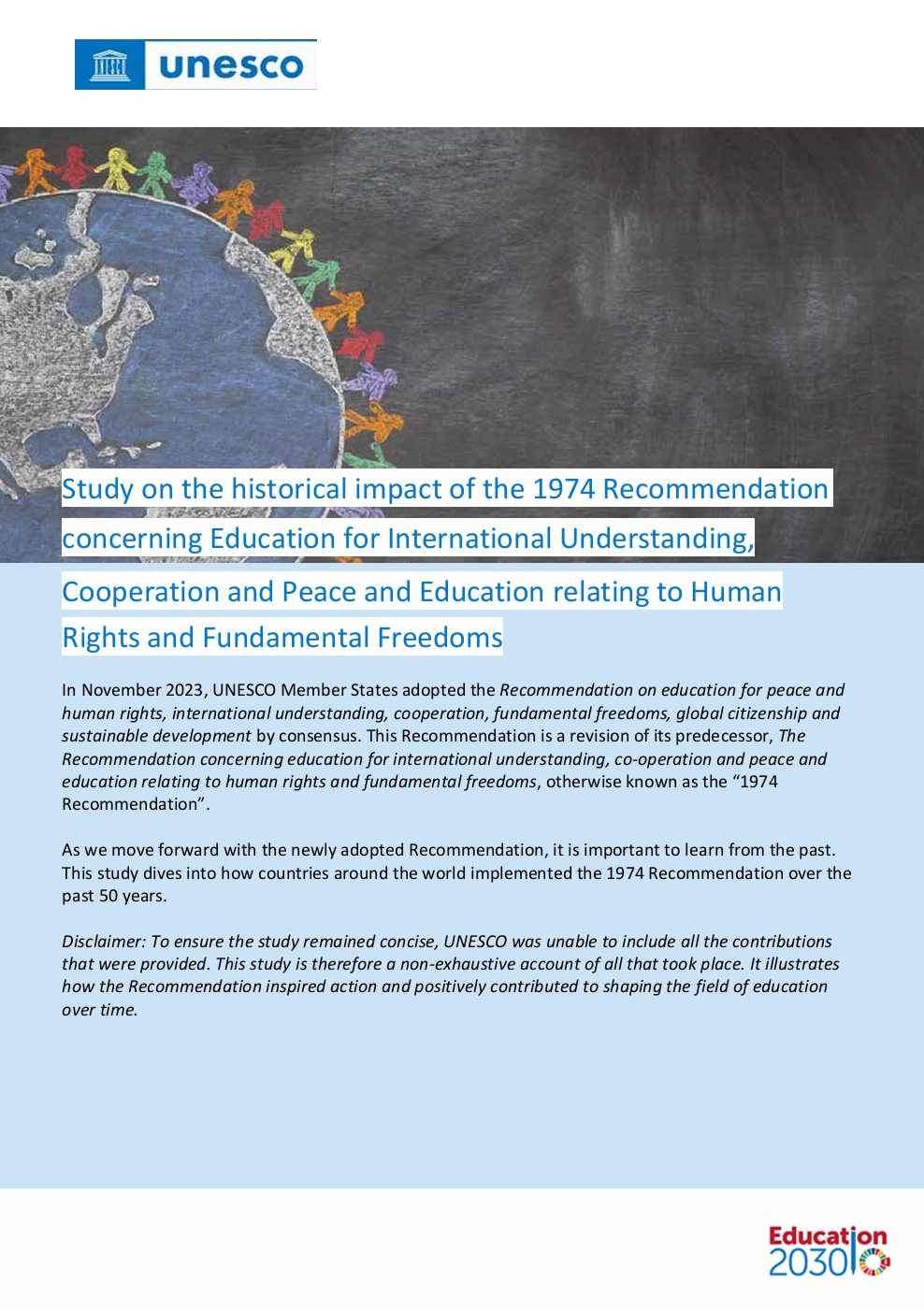 Study on the Historical Impact of the 1974 Recommendation concerning Education for International Understanding, Cooperation and Peace and Education relating to Human Rights and Fundamental Freedoms
 -
 IIEP-UNESCO 12th Medium-Term Strategy: 2026–2029
 -
 More than Welcome: Intercultural Integration of Migrants in and Through Higher Education
 -
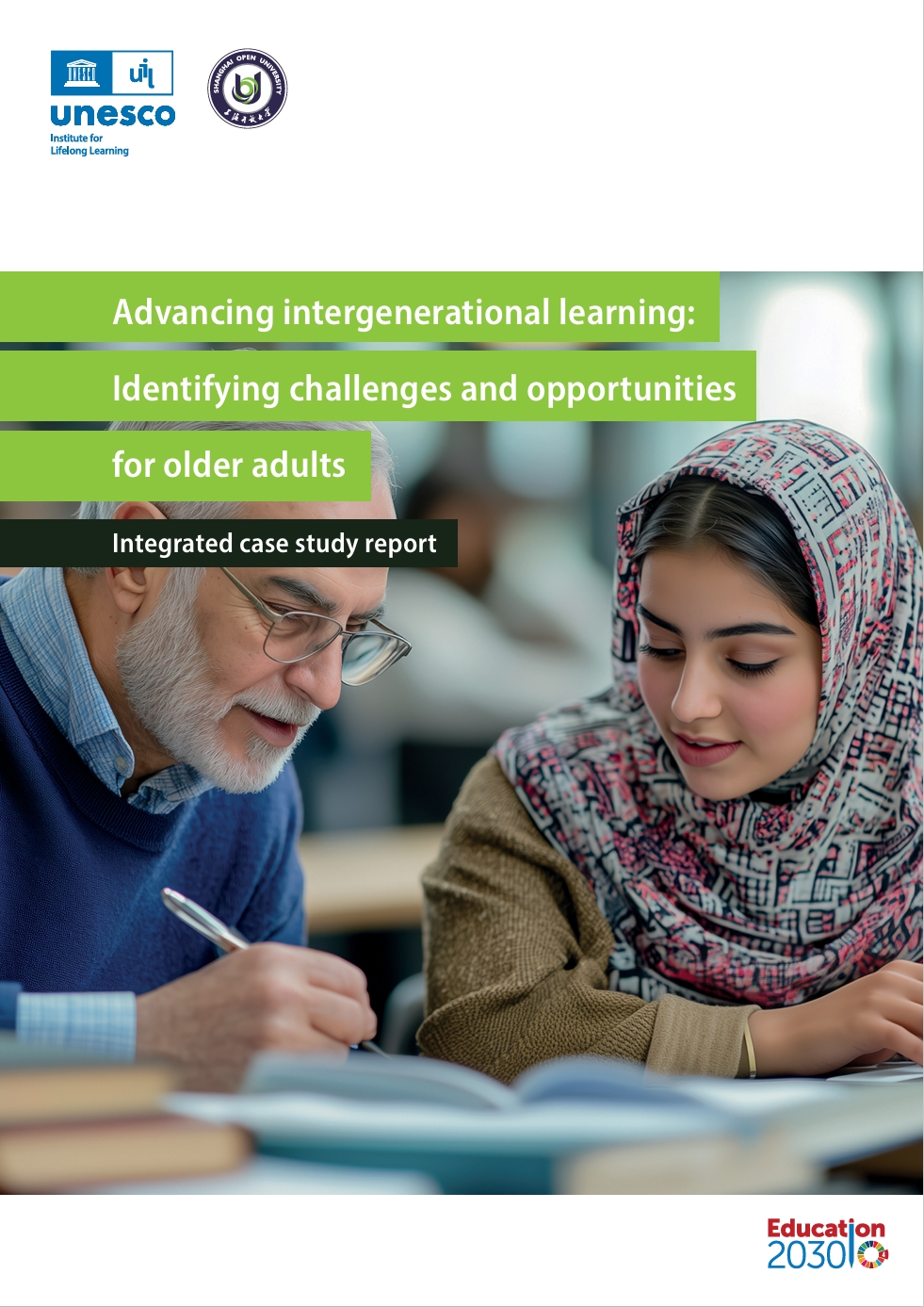 Advancing Intergenerational Learning: Identifying Challenges and Opportunities for Older Adults; Integrated Case Study Report