
Does addressing prejudice and discrimination through Holocaust education produce better citizens?
- ISBN
- ISSN 0013-1911
- 载体形态
- 15p
- 资源语言
- 英语
- 出版年份
- 2007
Previous research on teaching the Holocaust, primarily case studies in either the primary or the secondary sectors, suggests that Holocaust education can contribute to pupils' citizenship values in a positive way. Yet, in common with other initiatives, this evidence focuses exclusively on the short term impact of Holocaust education. Our ongoing longitudinal research is concerned with both the immediate and longer term effects of Holocaust education on pupils' values and attitudes. Initially focused on primary pupils aged 11–12 years, it has followed them into the first year of secondary to examine whether the general improvements in attitudes found in the first stage of the research has been maintained. Further, we are able to compare their attitudes with pupils in their year who did not study the Holocaust in their primary schools. This article draws conclusions from this study. (By the author)
相关资源
-
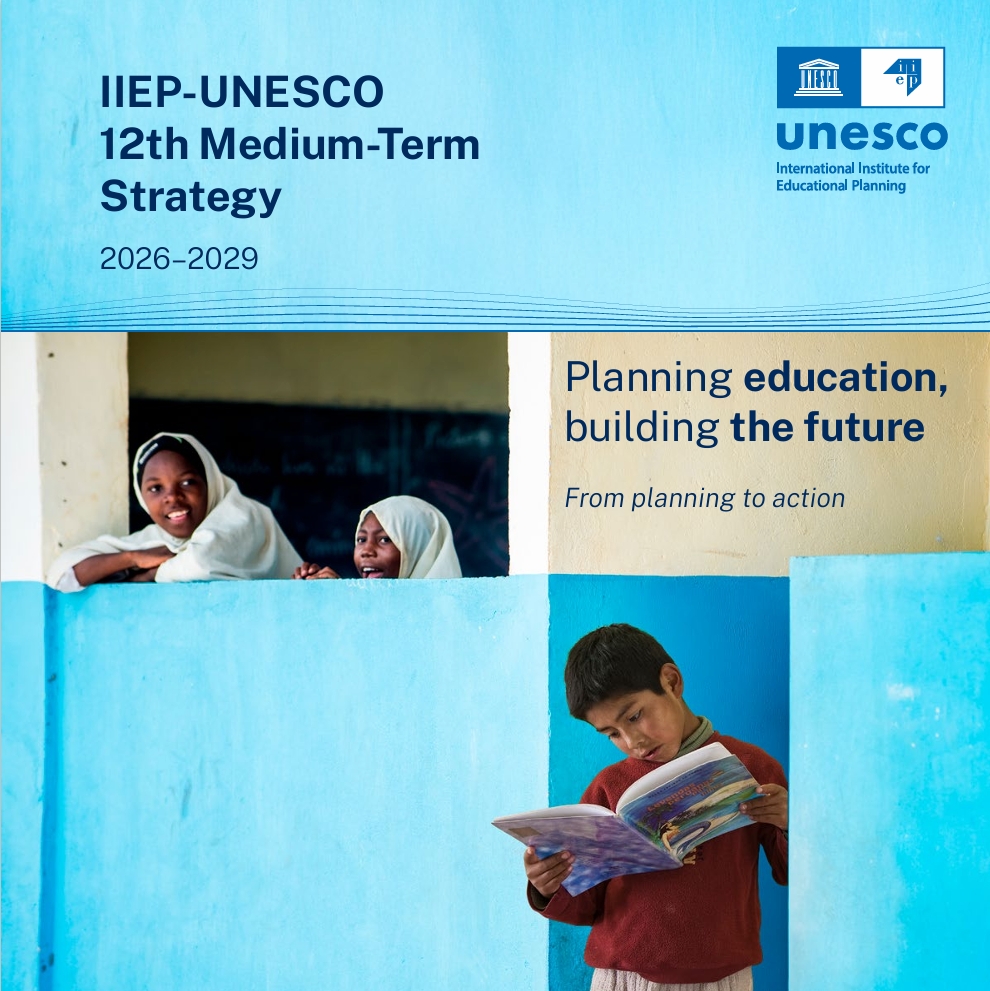 IIEP-UNESCO 12th Medium-Term Strategy: 2026–2029
 -
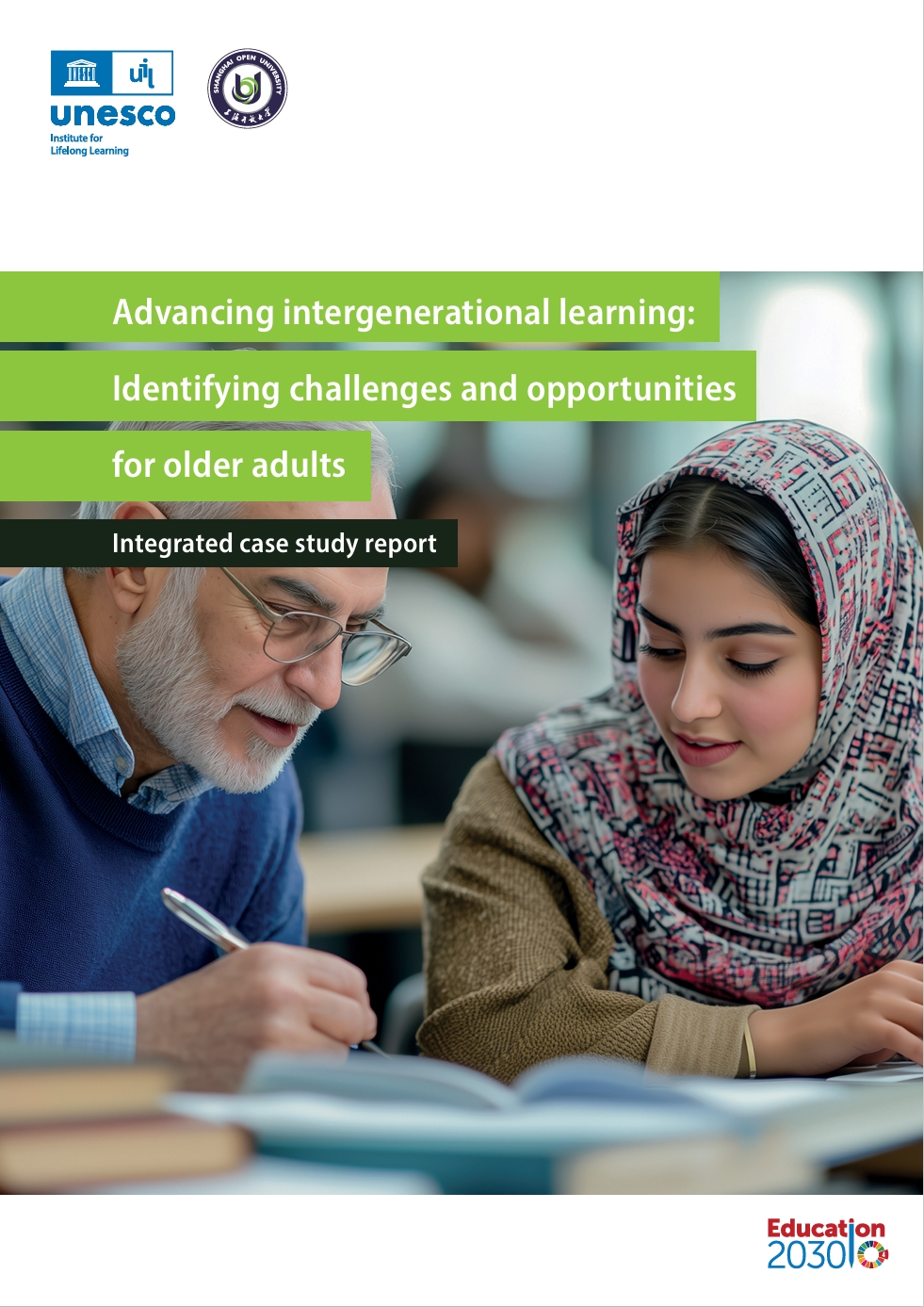 Advancing Intergenerational Learning: Identifying Challenges and Opportunities for Older Adults; Integrated Case Study Report
 -
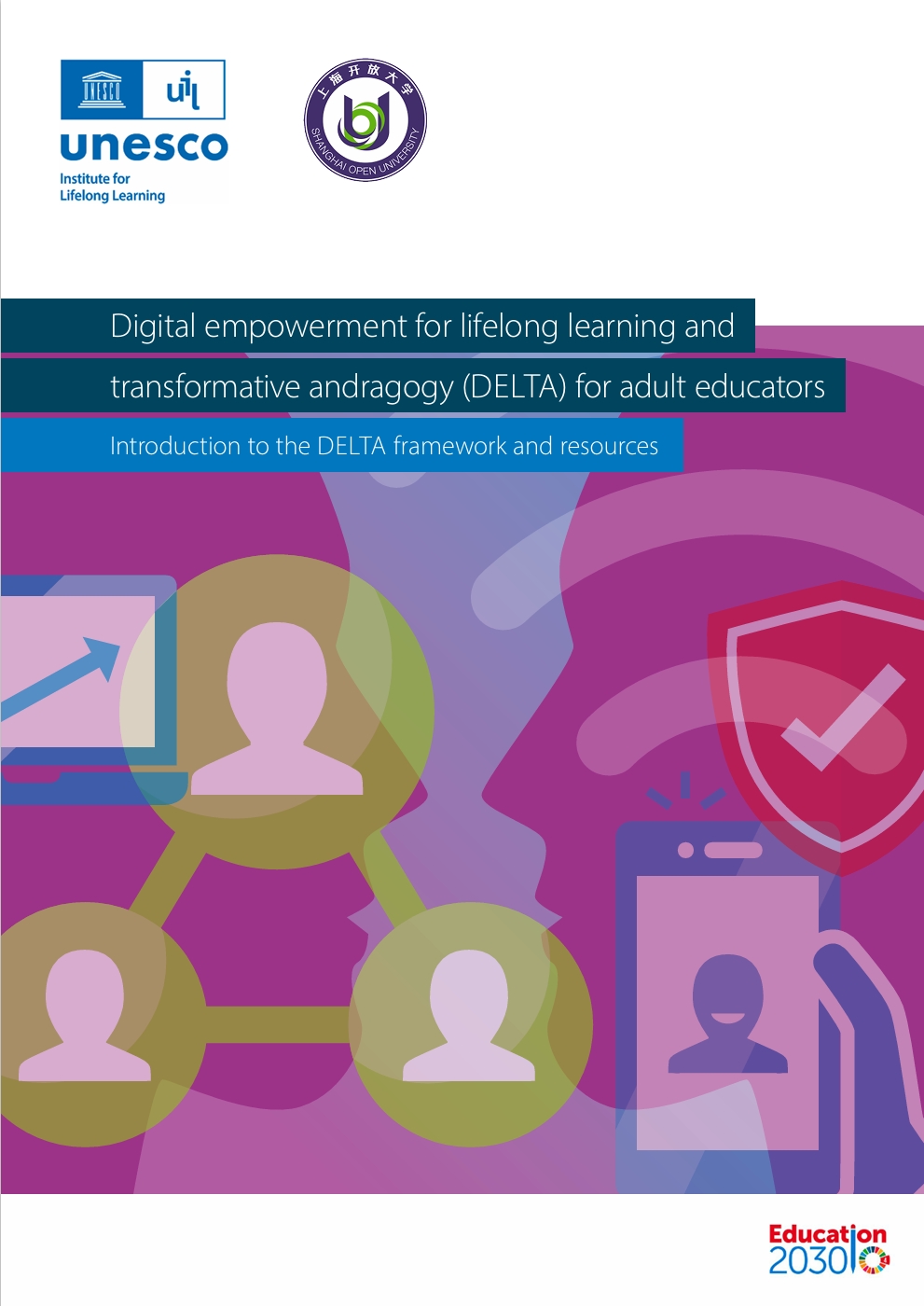 Digital Empowerment for Lifelong Learning and Transformative Andragogy (DELTA) for Adult Educators: Introduction to the DELTA Framework and Resources
 -
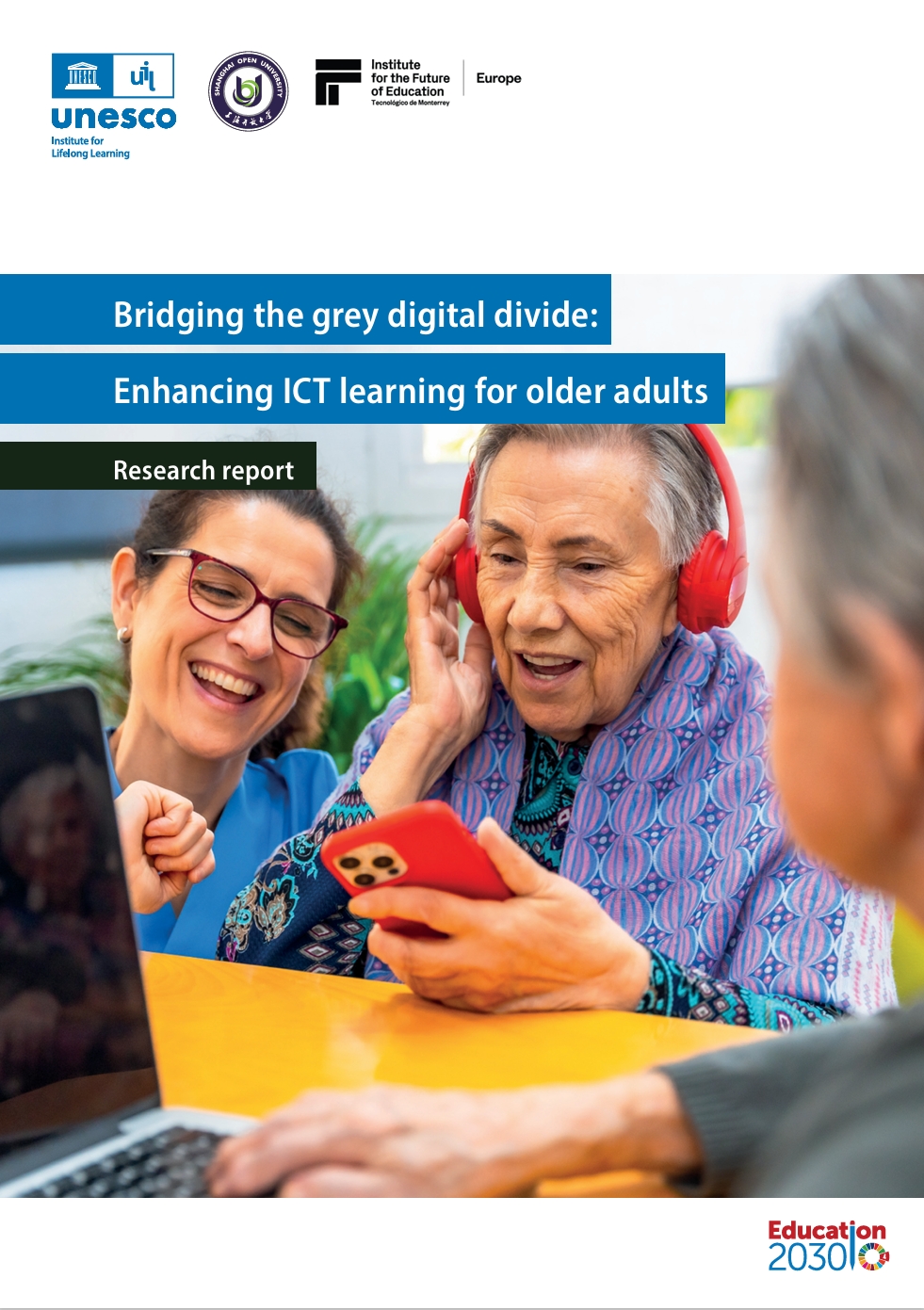 Bridging the Grey Digital Divide: Enhancing ICT Learning for Older Adults; Research Report