
相关资源
探索丰富的全球公民教育资源,深化理解,促进研究、倡导、教学与学习。
共找到3条结果
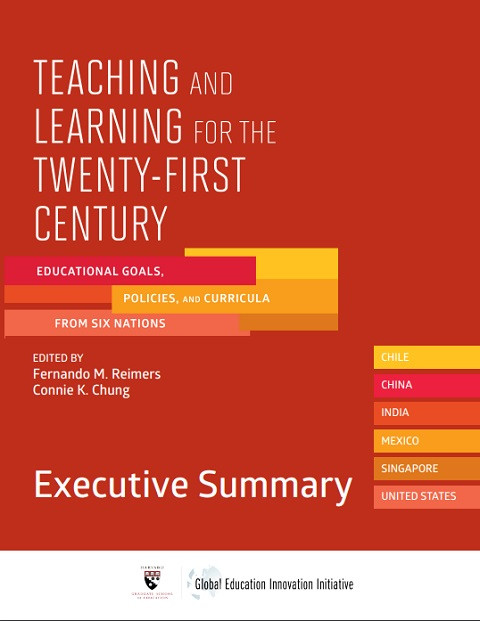 [Summary] Teaching and Learning for the Twenty-first Century: Educational Goals, Policies, and Curricula From Six Nations 出版年份: 2016 作者: Fernando Reimers | Connie K. Chung 机构作者: Global Education Innovation Initiative The book aims to foster discussions on how national education policies support students to prepare for life, work and civic participation in the 21st century. It examines six countries—Chile, China, India, Mexico, Singapore, and the United States—exploring how each one defines, supports, and cultivates those competencies that students will need in order to succeed in the current century. [Resumen] Enseñanza y aprendizaje en el siglo XXI : Metas, políticas educativas y currículo en seis países 出版年份: 2016 作者: Fernando Reimers | Connie K. Chung 机构作者: Global Education Innovation Initiative Este libro pretende promover discusiones sobre cómo las políticas educativas nacionales ayudan a los estudiantes a prepararse para la vida, el trabajo y la participación ciudadana en el siglo XXI. Revisa además cómo los objetivos educativos, los retos y las oportunidades que se perciben, reflejan los contextos histórico, político, y cultural de los sistemas educativos, los cuales a su vez varían en tamaño, mecanismos de gobernanza y condiciones demográficas, entre otros factores.
 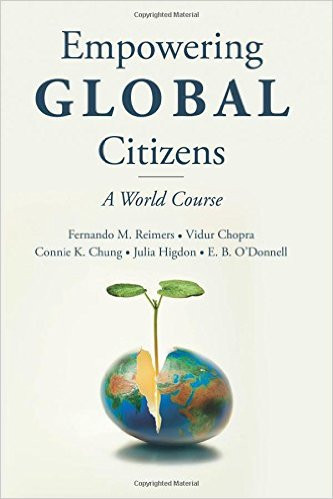 Empowering Global Citizens: A World Course 出版年份: 2016 作者: Fernando Reimers | Vidur Chopra | Connie K. Chung | Julia Higdon | E. B. O'Donnell The world is changing rapidly and shcools must evolve to prepare young people to invent the future. Reinventing education requires thinking anew about how to help students develop competencies that will empower them as architects of their own lives and contributing members of their communities. Drawing on a synthesis of research and practice in global citizenship education, this book presents The World Course - a rigorous and coherent curriculum to foster student agency, empathy, and deep knowledge and skills to recognize the biggest global challenges and opportunities of our times, and to advance sustainability, human rights, and peace. Integrating current thinking on twenty-first-centry competencies and deeper learning, and deploying pedagogies that cultivate student responsibility, imagination, and creativity, such as project-based learning and design thinking, this book is a blueprint to reinvent education to empower global citizens.