UNESCO CLEARINGHOUSE ON
GLOBAL CITIZENSHIP EDUCATION
HOSTED BY APCEIU
English
Français
Español
Русский
العربية
中文
한국어
关于我们
全球公民教育
全球公民教育信息库
相关资源
活动
新闻
English
Français
Español
Русский
العربية
中文
한국어
Search
Advanced Search
关于我们
全球公民教育
全球公民教育信息库
相关资源
活动
新闻
相关资源
探索丰富的全球公民教育资源,深化理解,促进研究、倡导、教学与学习。
搜索
Searching...
高级搜索
© APCEIU
共找到
1
条结果
相关度
最新
年份
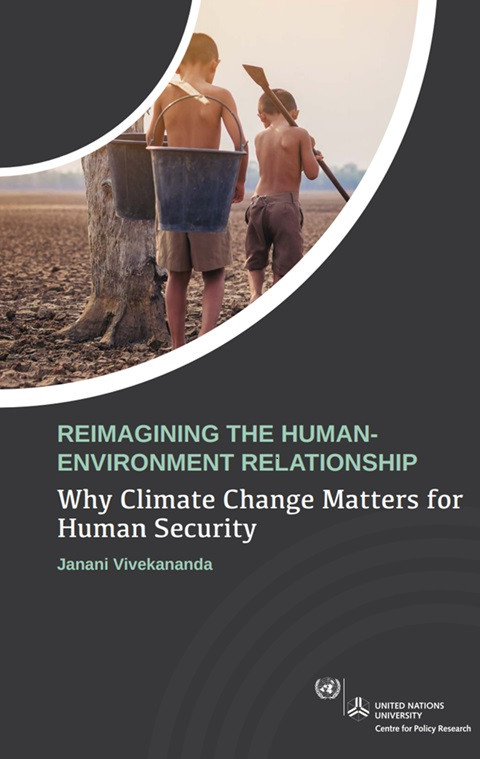
Why Climate Change Matters for Human Security
出版年份:
2022
作者:
Janani Vivekananda
机构作者:
United Nations University
|
United Nations Environment Programme (UNEP)
This paper outlines the state of knowledge regarding security risks related to climate change, synthesizing the existing scientific evidence to set out five broad pathways of risk. Climate change itself is rarely a direct cause of conflict. Yet, there is ample evidence that its effects exacerbate important drivers and contextual factors of conflict and fragility, thereby challenging the stability of states and societies. Climate change impacts such as coral bleaching, diversity loss, and erratic rainfall can stress livelihoods and drive displacement, increase resource conflicts, and challenge the security and stability of people and states worldwide. Managing these security risks requires action across the entire impact chain: work to mitigate climate change; reducing its consequences on ecosystems; adapting socioeconomic systems; better management of climate-induced heightened resource competition; and strengthening governance and conflict management institutions. And every dimension of the response must be conflict-sensitive and climate proof. Without the right responses, climate change will mean more fragility, less peace and less security. But this paper sets out illustrative examples of how, with a greater understanding of how climate change interacts with social, political, economic and environmental drivers of conflict and fragility, we will be better placed to make the kind of risk-informed decisions is integral to achieving international peace and security.
本网站使用Cookie以提升用户体验。详情请查看Cookie政策。
Cookie政策
.