UNESCO CLEARINGHOUSE ON
GLOBAL CITIZENSHIP EDUCATION
HOSTED BY APCEIU
English
Français
Español
Русский
العربية
中文
한국어
关于我们
全球公民教育
全球公民教育信息库
相关资源
活动
新闻
English
Français
Español
Русский
العربية
中文
한국어
Search
Advanced Search
关于我们
全球公民教育
全球公民教育信息库
相关资源
活动
新闻
相关资源
探索丰富的全球公民教育资源,深化理解,促进研究、倡导、教学与学习。
搜索
Searching...
高级搜索
© APCEIU
共找到
1
条结果
相关度
最新
年份
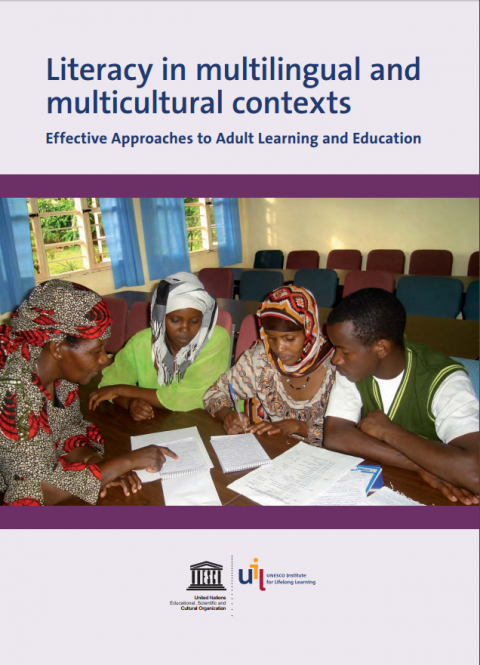
Literacy in multilingual and multicultural contexts: effective approaches to adult learning and education
出版年份:
2016
作者:
Ulrike Hanemann, Cassandra Scarpino
All of the literacy programmes featured in this publication offer valuable experiences and lessons on how the challenges posed by linguistic and cultural diversity can be productively addressed by harnessing the potential of language and culture as enriching resources in the process of literacy teaching and learning. A major lesson that has emerged over the years is that the use of local languages as the medium of instruction enhances the effectiveness and efficiency of the learning process in developing literacy, numeracy and (second or more) language skills. However, mother tongue-based literacy not only facilitates the learning process, but is also an important symbol of identity, unity and self-determination. It is closely intertwined with culture and local values, wisdom, worldviews and tradition. A number of the featured programmes demonstrate that language and culture in education are highly political. Respect for all languages and cultures, and their equal treatment, can play a critical role in fostering national cohesion. In some cases, this is contributing to rebuilding peace in post-conflict communities. Literacy programmes that contribute to the preservation of linguistic and cultural diversity should, also, be viewed as integral to sustainable development.
本网站使用Cookie以提升用户体验。详情请查看Cookie政策。
Cookie政策
.