
相关资源
探索丰富的全球公民教育资源,深化理解,促进研究、倡导、教学与学习。
共找到2条结果
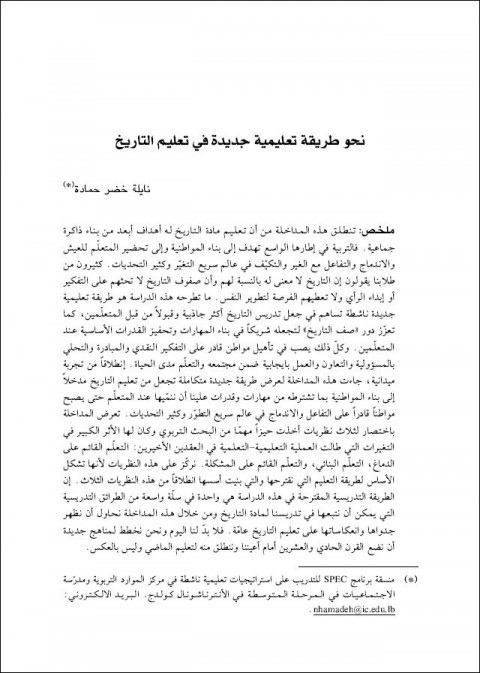 نحو طريقة تعليمية جديدة في تعليم التاريخ 出版年份: 2012 机构作者: International College تنطلق هذه المداخلة من أن تعليم مادة التاريخ له أهداف أبعد من بناء ذاكرة جماعية. فالتربية في إطارها الواسع تهدف إلى بناء المواطنية والى تحضير المتعلّم للعيش والاندماج والتفاعل مع الغير والتكيّف في عالم سريع التغيّر وكثير التحديات. كثيرون من طلابنا يقولون إن التاريخ لا معنى له بالنسبة لهم وأن صفوف التاريخ لا تحثّهم على التفكير أو إبداء الرأي ولا تعطيهم الفرصة لتطوير الذات. ما تطرحه هذه الدراسة هو طريقة تعليمية جديدة ناشطة تساهم في جعل تدريس التاريخ أكثر جاذبية وقبولاً من قبل المتعلّمين، كما تعزّز دور "صف التاريخ" لتجعله شريكاً في بناء المهارات وتحفيز القدرات الأساسية عند المتعلّمين. وكلّ ذلك يصب في تأهيل مواطن قادر على التفكير النقدي والمبادرة والتحلي بالمسؤولية والتعاون والعمل بايجابية ضمن مجتمعه والتعلّم مدى الحياة. انطلاقا من تجربة ميدانية، جاءت هذه المداخلة لعرض طريقة جديدة متكاملة تجعل من تعليم التاريخ مدخلاً إلى بناء المواطنية بما تشترطه من مهارات وقدرات علينا أن ننمّيها عند المتعلّم حتى يصبح مواطناً قادراً على التفاعل والاندماج في عالم سريع التطوّر وكثير التحديات. تعرض المداخلة باختصار لثلاث نظريات أخذت حيزاً مهمّا من البحث التربوي وكان لها الأثر الكبير في التغيرات التي طالت العملية التعليمية–التعلمية في العقدين الأخيرين: التعلّم القائم على الدماغ، التعلّم البنائي، والتعلّم القائم على المشكلة. نركّز على هذه النظريات لأنها تشكل الأساس لطريقة التعليم التي نقترحها والتي بنيت أسسها انطلاقاً من هذه النظريات الثلاث. إن الطريقة التدريسية المقترحة في هذه الدراسة هي واحدة في سلّة واسعة من الطرائق التدريسية التي يمكن أن نتبعها في تدريسنا لمادة التاريخ ومن خلال هذه المداخلة نحاول أن نظهر جدواها وانعكاساتها على تعليم التاريخ عامّة. فلا بدّ لنا اليوم ونحن نخطط لمناهج جديدة أن نضع القرن الحادي والعشرين أمام أعيننا وننطلق منه لتعليم الماضي وليس العكس. Towards a New Methodology for Teaching History 出版年份: 2012 机构作者: International College This paper rests on the idea that the teaching of history has goals beyond that of building a collective memory and that education, in its broader context, aims at building citizenship and preparing the learner to live, integrate within a community, interact with others and adapt to a challenging to a rapidly changing world. Many of our students say that History makes no sense to them. They complain that, in history classes, they are not urged to think actively or to form opinions and that they are not given the chance to self-development. This paper proposes a new active methodology that renders the teaching of History more attractive to students and better received by them. It enhances the role of the “History class” as a partner in building learners’ skills and stimulating fundamental dispositions. The goal is to nurture a responsible citizen capable of critical thinking, taking initiatives, collaboration, working positively within one’s community, and is a life-long learner. Based on hands-on activities, this paper suggests a comprehensive model of instruction that transforms the History classroom into a gateway for building citizenship by equipping the learner with the necessary skills and dispositions. This methodology is based on three theories that had a great impact on the teaching – learning process in the last two decades: Brain-based learning, constructivism, and problem-based learning. Hence, these theories are briefly presented. Seen as one of many possible teaching methodologies in a History classroom, this model is presented and its impact on the teaching of History is highlighted. As we plan for a new History curriculum in Lebanon, it is crucial that we look ahead to the 21st century instead of looking back.