
相关资源
探索丰富的全球公民教育资源,深化理解,促进研究、倡导、教学与学习。
共找到795条结果
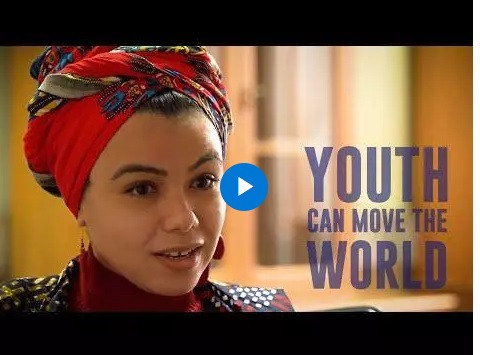 Youth Can Move the World 出版年份: 2021 机构作者: UNESCO The COVID-19 pandemic brought unprecedented educational disruption with 1.2 billion children and youth impacted by school closures. Yet, despite these challenges, there is hope. This documentary focuses on the power and agency of youth. It is developed under the framework of the long-term partnership between UNESCO's Global Citizenship and Peace Education and UNODC that bridges the justice and education sectors to guide young people towards building strong, just and democratic societies. Youth’s voices are in the forefront with sentiments echoed by world leaders, policy makers, justice actors and educators to deliver a compelling message on the power of youth to move the world.
  Reimagining Our Futures Together: A New Social Contract for Education 出版年份: 2021 机构作者: International Commission on the Futures of Education | UNESCO Our humanity and planet Earth are under threat. The pandemic has only served to prove our fragility and our interconnectedness. Now urgent action, taken together, is needed to change course and reimagine our futures. This report by the International Commission on the Futures of Education acknowledges the power of education to bring about profound change. We face a dual challenge of making good on the unfulfilled promise to ensure the right to quality education for every child, youth and adult and fully realizing the transformational potential of education as a route for sustainable collective futures. To do this, we need a new social contract for education that can repair injustices while transforming the future.This new social contract must be grounded in human rights and based on principles of non-discrimination, social justice, respect for life, human dignity and cultural diversity. It must encompass an ethic of care, reciprocity, and solidarity. It must strengthen education as a public endeavour and a common good.This report, two years in the making and informed by a global consultation process engaging around one million people, invites governments, institutions, organizations and citizens around the world to forge a new social contract for education that will help us build peaceful, just, and sustainable futures for all.The visions, principles, and proposals presented here are merely a starting point. Translating and contextualizing them is a collective effort. Many bright spots already exist. This report attempts to capture and build on them. It is neither a manual nor a blueprint but the opening up of a vital conversation.
  Disinfodemic: Deciphering COVID-19 Disinformation (Policy Brief; 1) 出版年份: 2020 作者: Julie Posetti | Kalina Bontcheva 机构作者: UNESCO The purpose of this brief is to provide a structure for understanding the COVID-19 disinfodemic and the responses to it, highlighting practices which have a bearing on the UN Sustainable Development Goals (SDGs), the right to health and the right to freedom of expression. SDG 16.10 calls for “public access to information and fundamental freedoms”.
 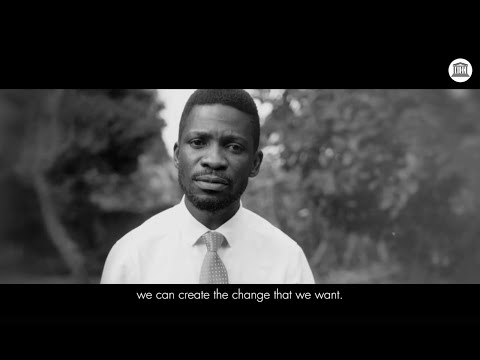 United Against Racism 出版年份: 2020 机构作者: UNESCO We all can do something against racism. You too. Join UNESCO and leading personalities from all over the world in denouncing mounting racial discrimination.This video features messages by the following prominent women and men from the worlds of cinema, the media, music, sport and science alongside UNESCO Director-General Audrey Azoulay: Charlotte Gainsbourg, Freida Pinto, Naomi Campbell, UNESCO Goodwill Ambassador Jean-Michel Jarre, UNESCO Artist for Peace Marcus Miller, Jorge Ramos, UNESCO Goodwill Ambassador Yalitza Aparicio, Rossy de Palma, UNESCO Goodwill Ambassador Sumaya bint Al Hassan, Bobi Wine, UNESCO Goodwill Ambassador Herbie Hancock, UNESCO Goodwill Ambassador Forest Whitaker, UNESCO Champion for Girls’ and Women’s Education Nadia Nadim, Amadou Gallo Fall, Ada Hegerberg and UNESCO Artist for Peace Gilberto Gil.UNESCO has been on the forefront of the fight against racism since its creation in 1945. In 1978, it adopted the Declaration on Race and Racial Prejudice which reaffirms that “All human beings belong to a single species and are descended from a common stock. They are born equal in dignity and rights and all an integral part of humanity.”Learn more: Fight against Racism and Discrimination
 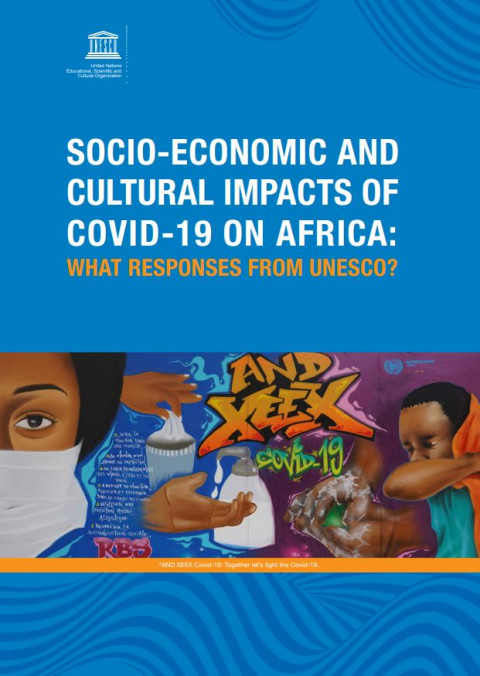 Socio-Economic and Cultural Impacts of COVID-19 on Africa: What Responses from UNESCO? 出版年份: 2020 机构作者: UNESCO This policy paper analyses the socio-economic and cultural impacts of the disease on Africa as a whole, caused by both the immediate effects and the present and future consequences of the pandemic, including on the African societal fabric, which is likely to lead to a fracture in the trust between States and their citizens and within communities themselves. As such, it highlights the main measures that were adopted by African countries to contain the crisis and its socio-economic and cultural effects. While committing to acting and reflecting on the present and future consequences of the pandemic, UNESCO aims to contribute substantially to the ongoing debates in Africa through the development of a strategic response to help the collective global and regional efforts against the pandemic.
  Gender, Media and ICTs: New Approaches for Research, Education & Training 出版年份: 2019 作者: Lisa French | Aimée Vega Montiel | Claudia Padovani 机构作者: UNESCO Higher education has to grapple with intense change in communications technologies, genres and business models - and with stubborn continuities in gender inequalities. This publication helps to navigate and transform the conundrum. It provides seven structured and practical modules, and a treasure trove of links to further resources. The book’s contents can empower its readers to advance gender equality in and through communications.
  Culture | 2030 Indicators: Thematic Indicators for Culture in the 2030 Agenda 出版年份: 2019 机构作者: UNESCO The Culture|2030 Indicators is a framework of thematic indicators whose purpose is to measure and monitor the progress of culture’s enabling contribution to the national and local implementation of the Goals and Targets of the 2030 Agenda for Sustainable Development (SDGs). The methodology is developed to assist countries and cities with very different capacities regarding the collection of data and cultural statistics. The evidence gathered will inform policies and decisions as well as operational actions enabling greater investments in culture as a sector of activity and a greater recognition of its transversal role across other sectors.
  Teacher Policy Development Guide 出版年份: 2019 机构作者: UNESCO | International Task Force on Teachers for Education 2030 Countries will need to have a broad perspective on teacher issues in order to meet Sustainable Development Goal 4 and address the provisions on Teachers in the Incheon Declaration with the Framework for Action of Education 2030. A system to orient the elaboration and/or review of national teacher policies will be a useful tool. The International Teacher Task Force builds on its comparative advantage as a global multiple-stakeholder alliance joining hands to address the global teacher challenges, to offer the present Teacher Policy Development Guide.Users will find relevant definitions of concepts, description of the different dimensions of teacher issues and how they correlate, and suggestions of phases in the process of developing a national teacher policy. Of utmost importance is the involvement of all stakeholders, especially the teachers, in the process.
 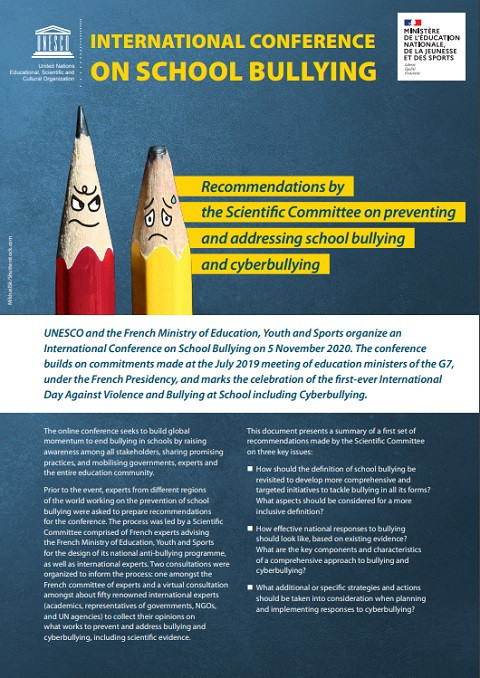 International Conference on School Bullying: Recommendations by the Scientific Committee on Preventing and Addressing School Bullying and Cyberbullying 出版年份: 2020 机构作者: UNESCO | France. Ministère de l'éducation nationale, de la jeunesse et des sports UNESCO and the French Ministry of Education, Youth and Sports organize an International Conference on School Bullying on 5 November 2020. The conference builds on commitments made at the July 2019 meeting of education ministers of the G7, under the French Presidency, and marks the celebration of the first-ever International Day Against Violence and Bullying at School including Cyberbullying.This document presents a summary of a first set of recommendations made by the Scientific Committee on three key issues:- How should the definition of school bullying be revisited to develop more comprehensive and targeted initiatives to tackle bullying in all its forms? What aspects should be considered for a more inclusive definition?- How effective national responses to bullying should look like, based on existing evidence? What are the key components and characteristics of a comprehensive approach to bullying and cyberbullying?- What additional or specific strategies and actions should be taken into consideration when planning and implementing responses to cyberbullying?
  Addressing Anti-semitism in Schools: Training Curriculum for Primary Education Teachers 出版年份: 2020 机构作者: UNESCO | OSCE. Office for Democratic Institutions and Human Rights (ODIHR) This OSCE/ODIHR and UNESCO co-publication aims to help primary school teachers to prevent and respond to anti-Semitism. The curriculum, intended for teacher trainers, is designed to be comprehensive, robust, practical and adaptable. It suggests concrete ways to address anti-Semitism and counter prejudice in and through education, while promoting human rights, global citizenship education, and gender equality.The co-publication is part of a series of four training curricula, designed for trainers of (1) primary school teachers, (2) secondary school teachers, (3) vocational school teachers, and (4) school directors.