
相关资源
探索丰富的全球公民教育资源,深化理解,促进研究、倡导、教学与学习。
共找到2条结果
 Bridge Zambia Project Report 出版年份: 2019 机构作者: Korean National Commission for UNESCO | Zambia National Commission for UNESCO The Bridge Zambia Project (the Project) has been implemented jointly between the Korean National Commission for UNESCO (KNCU) and its partners in Zambia since October 2010. In March 2019, KNCU’s involvement in the Project will come to an end and Zambia will take over full responsibility for the Project as it goes forward. The Project has supported grassroots activities through the establishment of a Community Learning Centre (CLC), which acts as a hub of community-led development activities in non-formal education. The Project has mobilized and empowered communities and local leadership to take charge of non-formal education programmes with the aim of assisting Zambia to attain UNESCO’s Education for All goals and UN Sustainable Development Goal 4 (SDG 4), concerning education quality.
 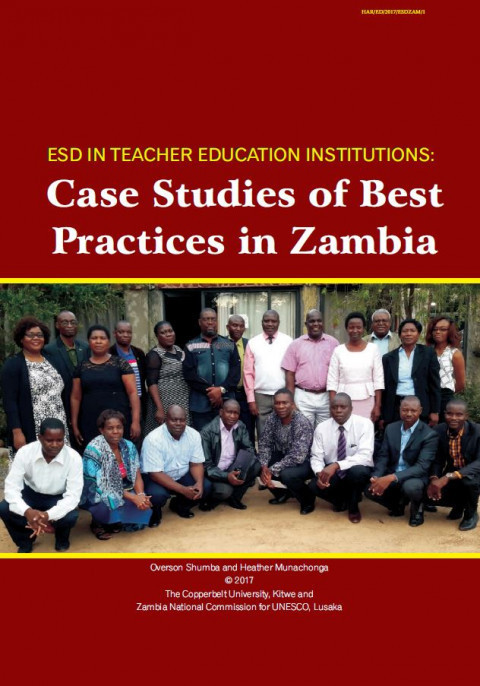 ESD in Teacher Education Institutions: Case Studies of Best Practices in Zambia 出版年份: 2017 作者: Overson Shumba | Heather Munachonga 机构作者: Zambia National Commission for UNESCO | Copperbelt University This book is a compilation of case studies on best practices in education for sustainable development in teacher education institutions in Zambia. It contributes to the dissemination of the best practices among the institutions and the wider society. It adds to examples of practices that are relevant to the UNESCO Global Action Programme on Education for Sustainable Development (GAP). The project was coordinated by Professor Overson Shumba at the Copperbelt university in Kitwe and Heather Munachonga, Programme Officer at the Zambia National Commission for UNESCO in Lusaka. The book was made possible with funding and support from UNESCO, Paris, the Ministry of General Education, the Copperbelt University, and the Zambia National Commission for UNESCO. All the institutions were supported by the teacher education institutions and their partners. The book illustrates some of the actions undertaken consistent with pursuit of the education SDG4 target 7. It is expected that this book will lead teacher educators and teachers to come up with further innovations and to integrate them in their professional work. Whole institution actions are encouraged so that best practices as found in this book can permeate and transform all aspects of the institution: the curriculum, teaching, assessment, research, extra-curricular activities, and operations, and must involve everyone, students, workers, lecturers, and the surrounding community.