
相关资源
探索丰富的全球公民教育资源,深化理解,促进研究、倡导、教学与学习。
共找到28条结果
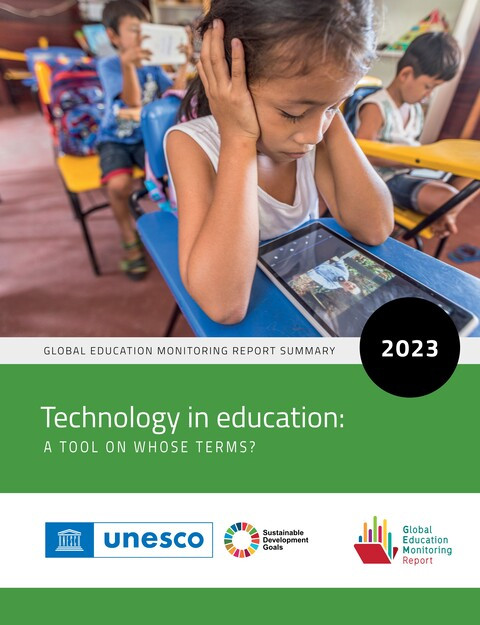 [ملخص] ملخص التقرير العالمي لرصد التعليم 2023: التكنولوجيا في التعليم؛ أداة بشروط من؟ 出版年份: 2023 机构作者: UNESCO | Global Education Monitoring Report Team دور التكنولوجیا في التعلیم قد أثار جدلاً شدیداً لفترة طویلة. ھل تدیمقراطیة المعرفة أو تھدد ً الدیمقراطیة من خلال السماح للقلة بالسیطرة على المعلومات؟ ھل توفر فرصا لا حدود لھا أم تقود إلى مستقبل یعتمد على التكنولوجیا دون رجوع؟ ھل تعمل على مستوى المیدان أم تزید من التفاوت؟ ھل یجب استخدامھا في تعلیم ا ً لأطفال الصغار أم أن ھناك خطرا على تطورھم؟ تم تأجیج ھذا الجدل بسبب إغلاق المدارس بسبب جائحة كوفید-19 وظھور الذكاء الاصطناعي الذي یولد ذاتیًا . ولكن نظرا لأن المطورین غالبًا ما یتقدمون على صانعي القرار بخطوة، فإن البحث في تكنولوجیا التعلیم معقد. تكاد الأدلة القویة والمحایدة تكون نادرة. ھل المجتمعات تطرح حتى الأسئلة الصحیحة حول التعلیم قبل أن تلجأ إلى التكنولوجیا كحلاً؟ ھل تدرك المخاطر المرتبطة بھا بینما تسعى إلى استثمار فوائدھا ؟ للتكنولوجیا وسائل كبیرة لدعم العدالة والشمول من حیث الوصول إلى المتعلمین المحرومین ونشر المزید من المعرفة بتنسیقات جذابة وبأسعار معقولة. في سیاقات معینة ولبعض أنواع التعلم، یمكن ً لرقمیة جزءا من أن تحسن جودة التدریس وتعلم المھارات الأساسیة. بلا شك، أصبحت المھارات ا حزمة المھارات الأساسیة. یمكن للتكنولوجیا ا ً لرقمیة أیضا دعم الإدارة وزیادة الكفاءة عن طریق مساعدة في التعامل مع أحجام أكبر من بیانات التعلی م ولكن قد تستبعد التكنولوجیا أیضا وقد تكون غیر ذات صلة وعبئاً، إن لم تكن ضارة على الإطلاق. یحتاج الحكومات إلى ضمان الشروط المناسبة لتمكین الوصول العادل للتعلیم للجمیع، وتنظیم استخدام التكنولوجیا لحمایة المتعلمین من تأثیراتھا السلبیة، وتأھیل المعلمی ن. یوصي ھذا التقریر بأن تُ ً قدم التكنولوجیا في التعلیم استنادا إلى الأدلة التي تظھر أنھا ستكون مناسبة وعادلة وقابلة للتوسیع ومستدامة. بعبارة أخرى، یجب أن یكون استخدامھا في مصلحة المتعلمین وأن تكمل التفاعل الشخصي مع المعلمین. یجب أن تُعتبر أداة للاستخدام على ھذه الش روط. في منتصف المدة نحو الموعد النھائي، یقیّم تقریر المراقبة العالمي للتعلیم لعام 2023 المسافة التي لا یزال علیھا أن تقطع للوصول إلى أھداف التعلیم لعام 2030 .التعلیم ھو المفتاح لتحقیق أھداف التنمیة الأخرى، ولا سیما ھدف التقدم التكنولوجي. [Summary] Global Education Monitoring Report Summary 2023: Technology in Education; A Tool on whose Terms? 出版年份: 2023 机构作者: UNESCO | Global Education Monitoring Report Team Technology’s role in education has been sparking intense debate for a long time. Does it democratize knowledge or threaten democracy by allowing a select few to control information? Does it offer boundless opportunities or lead towards a technology-dependent future with no return? Does it level the playing field or exacerbate inequality? Should it be used in teaching young children or is there a risk to their development? The debate has been fuelled by the COVID-19 school closures and the emergence of generative artificial intelligence. But as developers are often a step ahead of decision makers, research on education technology is complex. Robust, impartial evidence is scarce. Are societies even asking the right questions about education before turning to technology as a solution? Are they recognizing its risks as they seek out its benefits? Information and communication technology has potential to support equity and inclusion in terms of reaching disadvantaged learners and diffusing more knowledge in engaging and affordable formats. In certain contexts, and for some types of learning, it can improve the quality of teaching and learning basic skills. In any case, digital skills have become part of a basic skills package. Digital technology can also support management and increase efficiency, helping handle bigger volumes of education data. But technology can also exclude and be irrelevant and burdensome, if not outright harmful. Governments need to ensure the right conditions to enable equitable access to education for all, to regulate technology use so as to protect learners from its negative influences, and to prepare teachers. This report recommends that technology should be introduced into education on the basis of evidence showing that it would be appropriate, equitable, scalable and sustainable. In other words, its use should be in learners’ best interests and should complement face-to-face interaction with teachers. It should be seen as a tool to be used on these terms. Midway to the deadline, the 2023 Global Education Monitoring Report assesses the distance still to go to reach the 2030 education targets. Education is the key to unlocking the achievement of other development objectives, not least the goal of technological progress. [Resumen] Resumen del informe de seguimiento de la educación en el mundo 2023: tecnología en la educación; ¿una herramienta en los términos de quién? 出版年份: 2023 机构作者: UNESCO | Global Education Monitoring Report Team El papel de la tecnología en la educación lleva mucho tiempo suscitando intensos debates. ¿Democratiza el conocimiento o amenaza la democracia al permitir que unos pocos controlen la información? ¿Ofrece oportunidades ilimitadas o conduce a un futuro tecnodependiente sin retorno? ¿Nivela las desigualdades?¿Debe utilizarse en la enseñanza de niños pequeños o supone un riesgo para su desarrollo? El debate ha sido alimentado por el cierre de las escuelas debido al COVID-19 y la aparición de la inteligencia artificial generativa. Pero como los desarrolladores suelen ir un paso por delante de los responsables de la toma de decisiones, la investigación sobre tecnología educativa es compleja. Las pruebas sólidas e imparciales son escasas. ¿Se plantean las sociedades las preguntas adecuadas sobre la educación antes de recurrir a la tecnología como solución? ¿Reconocen sus riesgos mientras buscan sus beneficios? Las tecnologías de la información y la comunicación pueden contribuir a la equidad y la inclusión para llegar a los alumnos desfavorecidos y difundir más conocimientos en formatos atractivos y asequibles. En determinados contextos y para algunos tipos de aprendizaje, puede mejorar la calidad de la enseñanza y el aprendizaje de las competencias básicas. En cualquier caso, las competencias digitales se han convertido parte de un paquete de habilidades básicas. La tecnología digital también puede respaldar la gestión y aumentar la eficiencia, ayudando a manejar volúmenes más grandes de datos educativos. Pero la tecnología también puede excluir y ser irrelevante y onerosa, cuando no directamente perjudicial. Los gobiernos deben garantizar las condiciones adecuadas para permitir un acceso equitativo a la educación para todos, regular el uso de la tecnología para proteger a los alumnos de sus influencias negativas y preparar a los profesores. Este informe recomienda que la tecnología se introduzca en la educación sobre la base de pruebas que demuestren que sería apropiada, equitativa, escalable y sostenible. En otras palabras, su uso debe estar en el mejor interés de los estudiantes y debe complementar la interacción cara a cara con los profesores. Debe verse como una herramienta a utilizar en estos términos. A medio camino de la fecha límite, el Informe de seguimiento de la educación en el mundo 2023 evalúa la distancia que queda por recorrer para alcanzar los objetivos educativos de 2030. La educación es la clave para alcanzar otros objetivos de desarrollo, entre ellos el del progreso tecnológico.
 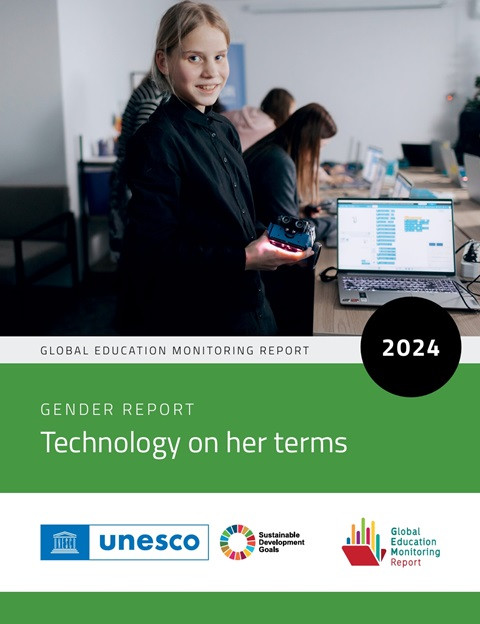 Global Education Monitoring Report 2024: Gender Report; Technology on Her Terms 出版年份: 2024 机构作者: UNESCO | Global Education Monitoring Report Team The 2024 Gender Report tells the increasingly positive story of girls’ education access, attainment and achievement, which is helping reverse decades of discrimination. But there is much more to say on gender equality in and through education. A companion to the 2023 GEM Report, this report looks at the interaction between education and technology with a gender lens. First, it looks at the impact of technology on girls’ education opportunities and outcomes. Although many instances are seen of radio, television and mobile phones providing a learning lifeline for girls, particularly in crisis contexts, gender divides exist globally in both access to technology and in digital skills, although the latter are smaller among youth compared to among adults. Biased social and cultural norms inhibit equitable access to and engagement with technology in and outside of school, with girls always left on the wrong side of the divide. While technology offers many girls opportunities to access important education content in safe environments, for instance on comprehensive sexuality education, technology in practice often exacerbates negative gender norms or stereotypes. Social media usage impacts learners’ and particularly girls’ well-being and self-esteem. The ease with which cyberbullying can be magnified through the use of online devices in the school environment is a cause of concern, as is the biased design of artificial intelligence algorithms. Second, the report looks into the role of education on the shape of future technological development. It shows that women struggle to pursue STEM careers, which manifests from an early age in the form of anxiety in mathematics and develops into a reluctance to study STEM subjects, ultimately resulting in a lack of women in the technology workforce. Women make up only 35% STEM graduates, and hold only a quarter of science, engineering and ICT jobs. Ensuring women participate on equal terms in shaping the world’s ongoing digital transformation will ensure that technology works for everyone and takes into consideration the needs of all humanity.
 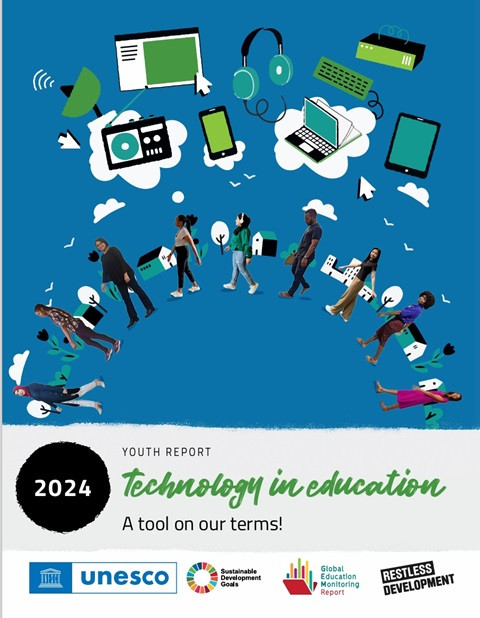 Youth Report 2024: Technology in Education; A Tool on Our Terms! 出版年份: 2024 机构作者: UNESCO | Global Education Monitoring Report Team | Restless Development The 2024 Youth Report on technology in education is the result of an extensive consultation process in partnership with Restless Development involving +1500 youth and students across 8 regions. The consultations invited participants to reflect on the key challenges and opportunities for the use of technology in education in their regions through the lenses of the recommendations in the global 2023 Global Education Monitoring Report on technology in education: Technology on our terms. The discussions centred on the need for the use of technology in education to be appropriate for national and local contexts and to be equitable and leave no one behind. The report calls for decisions about technology in education to keep learners at the centre when deciding whether the use of technology in education would be appropriate, equitable, evidence-based, and sustainable. Through this report, young people have described what technology on their terms would look like. It concludes with a call to action calling which highlights concrete recommendations that governments can follow to ensure that technology in education is on youth terms.
 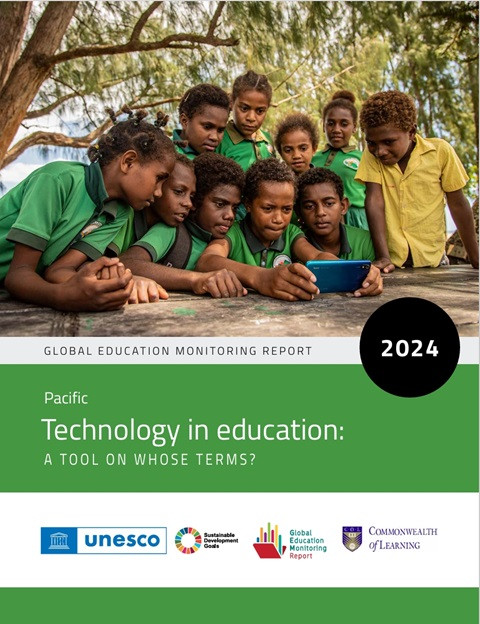 Global Education Monitoring Report 2024, Pacific: Technology in Education; A Tool on Whose Terms? 出版年份: 2024 机构作者: UNESCO | Global Education Monitoring Report Team | Commonwealth of Learning Information transmission and connectivity is crucial in the Pacific, a region characterized by high geographic dispersion. While the application of ICT in education has significant potentials, it is hindered by the region's limited and costly infrastructure. This edition accompanies the 2023 Global Education Monitoring Report, which acknowledges technology as a useful tool but invites the education community to question on whose terms it is deployed. The report considered four key policy areas of the Pacific Regional Education Framework (PacREF) (2018–2030): In terms of quality and relevance, mobile technology has offered an affordable and flexible approach to learning, and social media have improved communication between institutions, parents and learners. Moodle is the most widely used digital platform in the region. Textbooks are being digitalised and digital resources made available. Yet content is not always developed or adapted to local languages and cultural contexts. Open and distance learning has historically expanded learning pathways in the Pacific, specially in higher education and as a response to natural hazards. The University of South Pacific is a leading example of open and distance learning connecting campus across 12 countries. With the aim to enhance student outcomes and well-being, efforts have been made to incorporate digital skills into curricula and initiatives have increased outside formal education. Yet regulations do not adequately address threats from the use of technology to privacy, safety and well-being. With a focus on the teaching profession, countries leverage technology to provide training opportunities and transform the teaching profession. However, ICT training varies greatly across the region and limited digital infrastructure hinders technology integration into classrooms and teacher training. Three conditions need to be met for technology's potential to be fulfilled: equitable access to technology, appropriate governance and regulation, and sufficient teacher capacity. Supporting this publication is seven background thematic studies that provide a comprehensive overview of education technology issues; Commonwealth of Learning’s short case studies on some of its projects; a survey administered to key informed respondents from the region; and a series of country profiles on PEER, a policy dialogue resource describing policies and regulations related to technology in the region’s education systems.
  Reopening Schools in Latin America and the Caribbean: Keys, Challenges, and Dilemmas to Plan for a Safe Return to in-Person Classes 出版年份: 2021 作者: Alejandro Vera | Martín Scasso | Alejandro Morduchowicz | Cecilia Berlanga Alessio Robles 机构作者: UNESCO Santiago | Inter-American Development Bank The suspension of in-person classes as a consequence of the COVID-19 pandemic profoundly affected the education systems in Latin America and the Caribbean (LAC) and compromised the achievements reached around the goals established in the SDG4-Education 2030 Agenda. The most vulnerable people have been the most affected by this situation, which widened the preexisting gaps. The countries of the region have carried out great efforts to guarantee the continuity of learning. However, these have been limited by the challenges that this unprecedented crisis brought, aggravated by unequal conditions in access to infrastructure and other resources that affect broad sectors of the population.This report analyzes the possibilities, restrictions and needs that the countries of the region will face during the process of returning to in-person classes, considering five dimensions: (i) safe schools (school infrastructure, access to water and sanitation); (ii) human resources (principals and teachers); (iii) access to ITC and connectivity; (iv) education financing and (v) information and planning. Reabrir las escuelas en América Latina y el Caribe: Claves, desafíos y dilemas para planificar el retorono seguro a las clases presenciales; Reporte 出版年份: 2021 作者: Alejandro Vera | Martín Scasso | Alejandro Morduchowicz | Cecilia Berlanga Alessio Robles 机构作者: UNESCO La suspensión de clases presenciales como consecuencia de la pandemia de COVID-19 afectó profundamente los sistemas educativos de América Latina y el Caribe, y puso en riesgo los avances alcanzados en torno al cumplimiento de las metas establecidas en la Agenda ODS 4-Educación 2030. Las poblaciones más vulnerables se han visto más afectadas por esta situación, lo cual acrecentó las brechas preexistentes. Los países de la región llevaron a cabo enormes esfuerzos para garantizar la continuidad de los aprendizajes. Sin embargo, se ven limitados por los desafíos que presenta este contexto inédito de crisis y agravados por las desiguales condiciones de acceso a infraestructura y otros recursos que afectan a vastos sectores de la población.El reporte analiza las posibilidades, restricciones y necesidades que enfrentarán los países de la región durante el proceso del regreso a las clases presenciales, considerando cinco dimensiones: (i) escuelas seguras (infraestructura escolar, acceso al agua y saneamiento); (ii) recursos humanos (directores y docentes); (iii) acceso a TIC y conectividad, (iv) financiamiento de la educación y (v) información y planificación.