
相关资源
探索丰富的全球公民教育资源,深化理解,促进研究、倡导、教学与学习。
共找到90条结果
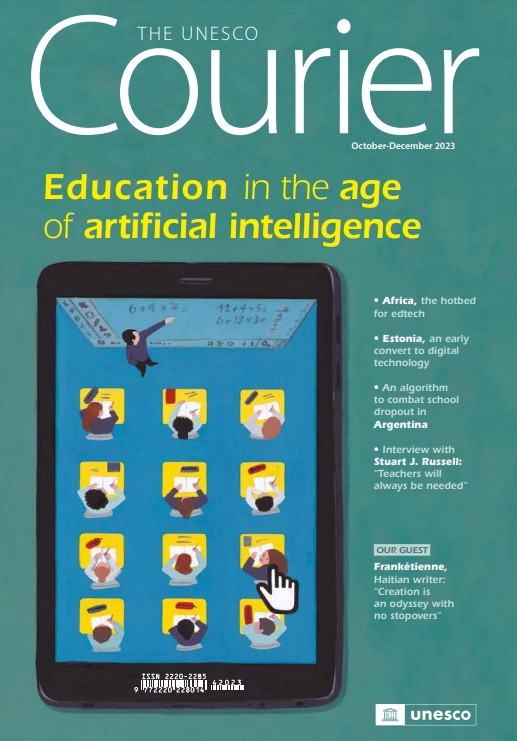 人工智能时代的教育 (联合国教科文组织 信使 2023年第4期) 出版年份: 2023 机构作者: UNESCO “就在世界各国的教育领域经历巨变的时候, 一种教学现象不仅引起了专业人士的注意, 也受到了非专业人士的关 注。”这里所说的创新是指人工智能吗?抑或是指在课堂 上使用增强现实技术?都不是。联合国教科文组织《信使》 杂志上的这篇文章讲的是“教学机器”。 这是美国开发出 来的一套程序, 用于指导学生学习。 这篇文章最初发表于 1965 年 3 月。 由此可见, 关于计算机在学习中能起到什么作用的思 考, 并不算新鲜。 无论人们的态度是褒是贬, 科技正在日 益融入学校, 至少在工业化国家是这样的。 数字技术学习 游戏、线上辅导和大规模开放式在线课程(MOOC)已成 为越来越多的学生的现实生活场景。 新型冠状病毒感染疫 情只是加速了这一发展趋势, 促进了非洲等地数字化教育 服务公司(“教育科技公司”)的崛起。 然而, 在一名教师同时为一群学生授课这条基本原 则面前, 无论多么尖端的技术都没能打破陈规。 人工智能 有可能改变游戏规则。ChatGPT 和智能教程等生成式人 工智能工具的出现, 是否意味着众望所期的革命已经开始 了?总之, 生成式人工智能在学习中的应用, 给教育系统 带来了前所未有的挑战。 正如联合国教科文组织《2023 年全球教育监测报告》 所强调的那样, 这些新工具可以为学生, 特别可以为残疾 学生和居住在偏远地区的学生, 提供个性化支持, 新工具 在这方面的作用确实不可估量, 但由此也引发了关于数字 鸿沟、 数据保密性, 以及国际大公司在这一领域占尽优势 等问题。目前,保障措施仍然缺失。 因此, 联合国教科文组织建议, 当务之急是制定相关 法规, 确保人工智能在教育中的应用始终秉承以人为本的 理念, 且符合学生的最大利益。 为此, 联合国教科文组织 于 2023 年 9 月发布了首份全球《生成式人工智能在教育 和研究中的应用指南》(Guidance for generative AI in education and research ), 旨在解决这些技术造成的干 扰。《指南》对联合国教科文组织编制的其他工具进行了 补充, 包括《人工智能伦理问题建议书》(Recommendation on the Ethics of Artificial Intelligence )和 2021 年发布的《人工智能与教育:政策制定者指南》(AI and education: guidance for policy-makers )。
 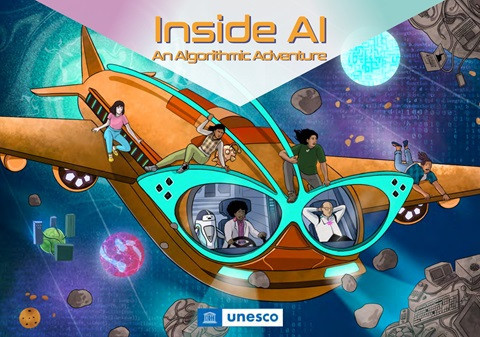 Inside AI - An Algorithmic Adventure 出版年份: 2022 作者: Katherine Evans 机构作者: UNESCO In the framework of UNESCO’s work to harness emerging technologies for sustainable development, this graphic novel for policymakers as well as youth explores the impact of Artificial Intelligence on humankind. Dive into the world of AI and follow the adventures of four characters whose lives are affected by algorithmic hazards: By following characters in four different corners of the globe as they grapple with the limits of AI technologies, the audience jointly embarks on a mission in an algorithmic galaxy called Plethor.A.I.. There, they have but one option: travel across this hidden world behind our screens to learn about the social, technical, ethical and human rights impacts of Artificial Intelligence, and help the characters find a way back to reality.UNESCO’s first graphic novel on Artificial Intelligence (AI) aims at providing an educational media to policymakers, adults and youth who are curious and interested in learning more about AI, its challenges and stakes.
  Missing Links in AI Governance 出版年份: 2023 机构作者: UNESCO | Mila – Quebec Artificial Intelligence Institute Over the next decade, Artificial Intelligence (“AI”) will continue to significantly impact societies. While these scientific and technological advances take place at an extraordinary pace, it is necessary that we simultaneously stimulate a global and inclusive conversation around their development and governance. It is in this context that Mila and UNESCO join forces to steer a collective work to identify and understand missing links in AI governance. This publication is a compilation of 18 selected submissions from a global open call for proposals launched in 2021. The works featured cross disciplinary and geographical boundaries, and include the perspectives of academics, civil society representatives, and innovators to help shift the conversation on AI from what we do know and foresee to what we do not, the missing links. The topics covered are wide ranging, including AI and Indigenous rights, Deepfakes, Third-Party Audits of AI Systems, AI alignment with SDGs, and the centralization of decision-making power AI allows. Policymakers and civil society members will benefit from the insightful perspectives brought forward to face the immense task they are presented with – which is to ensure the development of AI in a human-centred, responsible and ethical way, in accordance with human rights. Angles morts de la gouvernance de l’IA 出版年份: 2023 机构作者: Organisation des Nations Unies pour l'éducation, la science et la culture (UNESCO) | Mila – Quebec Artificial Intelligence Institute Au cours de la prochaine décennie, l’intelligence artificielle (IA) continuera d’avoir une influence et un effet considérables sur nos sociétés. Alors que ces avancées scientifiques et technologiques se succèdent à un rythme soutenu, il est essentiel de poursuivre et accélérer la conversation mondiale et inclusive sur leur développement et leur gouvernance.C’est dans ce contexte que Mila et l’UNESCO unissent leurs forces pour mener un travail collectif pour cerner des questions importantes et novatrices quant à la gouvernance de l’IA. La présente publication est une compilation de 18 chapitres sélectionnés à la suite d’un appel à contributions lancé mondiale-ment en 2021. Les articles présentés traversent les frontières disciplinaires et géographiques en plus d’inclure différentes perspectives, incluant celles d’universitaires, de membres de la société civile et d’innovateurs et innovatrices. Cette publication vise à influencer la conversation sur l’IA pour que celle-ci porte moins sur ce que nous savons déjà que sur ce qui échappe à notre regard : les angles morts de l’IA. Les sujets abordés sont donc variés et incluent notamment la perspective du droit international et des droits des peuples autochtones, les audits des systèmes d’IA, l’alignement de ces technologies avec les objectifs de développement durable des Nations Unies et la centralisation du pouvoir décisionnel que permet cette technologie de rupture.Les membres des milieux politiques, de la recherche et de la société civile engagés dans cette conversation mondiale sur l’IA bénéficieront des perspectives présentées pour faire face à l’immense tâche qui leur incombe : assurer un développement de l’IA qui soit éthique, inclusif et conforme aux droits humains.« Les guerres prenant naissance dans l’esprit des hommes et des femmes, c’est dans l’esprit des hommes et des femmes que doivent être élevées les défenses de la paix »18 propositions sélectionnées offrant une approche pluraliste, informée et critique de la gouvernance de l’IA.
  Artificial Intelligence Needs Assessment Survey in Africa 出版年份: 2021 作者: Prateek Sibal | Bhanu Neupane 机构作者: UNESCO There are encouraging signs of AI innovation and development across Africa, from community run AI classes over weekends, AI training bootcamps for students and young researchers to the establishment of private sector and government driven innovation hubs across the continent. Even as there is an enormous potential for AI development, there are also legacy challenges in terms of infrastructure availability as well as human and institutional capacity gaps to develop and govern AI to optimise benefits and minimise harms. Building upon the recommendations of UNESCO report Steering AI and Advanced ICTs for Knowledge Societies, the findings of this survey aim to bridge the information gap concerning the strategic priorities, policy measures, developmental challenges, human and institutional capacity needs, and legal frameworks concerning AI in African countries. Évaluation des besoins en intelligence artificielle en Afrique 出版年份: 2021 作者: Prateek Sibal | Bhanu Neupane 机构作者: UNESCO Le continent africain enregistre des signes encourageants en matière d’innovation et de développement dans le domaine de l’intelligence artificielle (IA) : cours dans des structures de quartier le week-end, formations intensives pour étudiants et jeunes chercheurs, création de pôles d’innovation transnationaux publics ou privés… Cependant, malgré un fort potentiel de développement, des défis subsistent quant à la disponibilité des infrastructures. De même, le développement et la gestion de l’IA dans le but d’optimiser les avantages et de minimiser les dommages se heurtent à des problèmes de compétences humaines et institutionnelles. Les conclusions de cette enquête, qui s’appuient sur les recommandations du rapport de l’UNESCO Piloter l’IA et les TIC avancées pour les sociétés du savoir visent à pallier le déficit d’informations sur les priorités stratégiques, les mesures politiques, les défis relatifs au développement, les cadres juridiques et les besoins de compétences humaines et institutionnelles en matière d’IA dans les pays africains. التعليم في عصر الذكاء الاصطناعي (رسالة اليونسكو، العدد 4، أكتوبر إلى ديسمبر 2023) 出版年份: 2023 机构作者: UNESCO في وقت يشهد فيه مجال التعليم حالة من الاضطراب على مستوى العالم، استحوذت ظاهرة تعليمية واحدة على اهتمام ليس فقط المهنيين بل والعلمانيين أيضًا. هل يشير الابتكار المعني إلى الذكاء الاصطناعي، أم إلى استخدام الواقع المعزز في الفصول الدراسية؟ لا يشير أي منهما إلى أي منهما. هذا الاقتباس من مقال في The اليونسكو كوريير حول "آلات التدريس"، وهي مجموعة من البرامج التي تم تطويرها في الولايات المتحدة لتوجيه الطلاب في تعلمهم. يعود تاريخها إلى ... مارس 1965. وهو ما يوضح أن التفكير في دور أجهزة الكمبيوتر في التعلم ليس بالأمر الجديد. سواء تم الإشادة بها أو الاستهجان بها، أصبحت التكنولوجيا جزءًا متزايدًا من المشهد المدرسي، على الأقل في البلدان الصناعية. أصبحت ألعاب التعلم الرقمية أو البرامج التعليمية عبر الإنترنت أو الدورات التدريبية المفتوحة الضخمة عبر الإنترنت (MOOCs) حقيقة واقعة لعدد متزايد من التلاميذ والطلاب. لقد أدى جائحة كوفيد-19 إلى تسريع الظاهرة، مما أدى إلى ظهور شركات متخصصة في الخدمات التعليمية الرقمية، بما في ذلك في أفريقيا، أو ما يسمى بـ "التكنولوجيا التعليمية". ومع ذلك، وبغض النظر عن مدى تطور هذه التقنيات، فإنها لم تتحد المبدأ الأساسي للمعلم الذي يعطي درسًا في وقت واحد لمجموعة من الطلاب. يمكن أن يكون الذكاء الاصطناعي بمثابة تغيير لقواعد اللعبة. هل يعني وصول أدوات توليد المحتوى مثل ChatGPT والبرامج التعليمية الذكية أن الثورة التي غالبًا ما يتم الإعلان عنها قد بدأت؟ على أي حال، فإن استخدام الذكاء الاصطناعي التوليدي في التعلم يفرض تحديات غير مسبوقة على أنظمة التعليم. وكما يسلط تقرير اليونسكو العالمي لرصد التعليم لعام 2023 الضوء على أن هذه الأدوات الجديدة يمكن أن تثبت قيمتها في تقديم الدعم الشخصي للطلاب، وخاصة ذوي الإعاقة أو الذين يعيشون في مناطق نائية. لكنها تثير أيضًا تساؤلات حول الفجوة الرقمية وسرية البيانات وهيمنة الشركات العالمية الكبرى في هذا القطاع. وفي الوقت الحالي، هناك نقص في الضمانات. لذلك من الضروري اعتماد لوائح لضمان بقاء استخدام الذكاء الاصطناعي في التعليم متمركزًا حول الإنسان، لصالح الطلاب. ودعمًا لهذا، نشرت اليونسكو في سبتمبر/أيلول 2023 أول إرشادات على الإطلاق بشأن الذكاء الاصطناعي التوليدي في التعليم والبحث، والمصممة لمعالجة الاضطرابات الناجمة عن هذه التقنيات. وهي تكمل الأدوات الأخرى التي أنتجتها المنظمة، بما في ذلك التوصية بشأن أخلاقيات الذكاء الاصطناعي والإرشادات لصناع السياسات بشأن الذكاء الاصطناعي والتعليم، وكلاهما نُشر في عام 2021.
  Chile: Artificial Intelligence Readiness Assessment Report 出版年份: 2023 机构作者: UNESCO The Readiness Assessment Methodology (RAM) is a diagnostic tool intended to assist Member States in upholding their commitment to the Recommendation by helping them understand how prepared they are to implement AI ethically and responsibly for all their citizens. The RAM questionnaire forms the basis for the first section of this readiness assessment report, providing a comprehensive but detailed overview of laws, institutions, and the cultural, social, and human capital landscape shaping AI. This is then complemented in the second section by a summary of concerns and priorities raised during a national multistakeholder consultation that was conducted in 2023. Finally, the third section presents a roadmap and recommendations for building capacities across national institutions, laws and policies, and human capital, to achieve a responsible AI ecosystem aligned with the UNESCO Recommendation. As the very first country to complete the RAM and the country report, Chile is blazing the trail not only for Latin America but the world. We applaud the initiative the Chilean government has taken to update its AI strategy putting ethics and governance front and centre, and thank them for inviting UNESCO to assist in this endeavour. The report presented here reveals a complex and rapidly-changing landscape. In the legal and regulatory dimension, the 2021 National Artificial Intelligence Policy (NAIP) represents a substantive and wide-ranging commitment to developing AI. One of the key recommendations of this report is to fully integrate the UNESCO Recommendation into the NAIP’s axis of Ethics, Regulation, and Socioeconomic Impacts. Notably, the RAM reveals the pressing need to update legislation around data protection and cybersecurity to meet the challenges of AI. It also highlights several areas the Chilean government is actively working to develop. [...] Overall, this report presents a fundamentally optimistic vision that we at UNESCO share: that ethical governance and responsible regulation of AI is entirely consistent with innovation and economic growth, and is essential for ensuring a technological ecosystem that benefits the public good. In drawing a clear line from the RAM data through to the multistakeholder consultations and the recommendations, Chile has a clear roadmap for how to get there. (This text has been extracted from the Foreword of the publication)
  AI and the Holocaust: Rewriting History?; The Impact of Artificial Intelligence on Understanding the Holocaust 出版年份: 2024 作者: Mykola Makhortykh | Heather Mann 机构作者: UNESCO The threats associated with AI on safeguarding the record of the Holocaust are manifold, including the potential for manipulation by malicious actors, the introduction of falsehoods or dissemination of biased information, and the gradual erosion of public trust in authentic records. This paper provides a warning of what is at stake for the preservation of historical truth in a digital era increasingly mediated by AI. It highlights five major concerns:1. AI automated content may invent facts about the Holocaust2. Falsifying historical evidence: Deepfake Technology3. AI models can be manipulated to spread hate speech4. Algorithmic bias can spread Holocaust denial5. Oversimplifying history While there are some benefits to be gained, such as enhanced engagement and interaction opportunities for learners, as well as more efficient data processing capabilities for researchers, to navigate these challenges and capitalize on the benefits, it’s essential for AI designers, policymakers, educators, and researchers to collaborate closely. Only AI systems equipped with robust safeguards and human rights assessments, coupled with an increased focus on developing digital literacy skills, can uphold the integrity of historical truth and ensure the responsible use of artificial intelligence.
  문화다양성협약 국내 이행을 위한 논의: 유튜브에서 AI까지, 21세기 한국에서의 문화다양성 出版年份: 2020 作者: 김재인 | 염신규 | 이광석 | 이동연 | 이상욱 | 홍성수 | 황승흠 机构作者: 대한민국 문화체육관광부 | 한국문화예술위원회 | 유네스코한국위원회 「문화다양성협약 국내 이행을 위한 논의 - 유튜브에서 AI까지, 21세기 한국에서의 문화다양성」는 모두 세 차례에 걸쳐 진행된 전문가회의에서 각 분야 전문가들이 발표하고 토론한 내용을 담은 종합보고서입니다. 올해는 문화다양성협약의 이행과 관련된 이슈들 중 특히 디지털플랫폼의 급부상, 인공지능 기술의 급격한 발달에 초점을 두어 논의하는 한편, 우리들의 일상을 송두리째 바꿔놓은 코로나19가 낳은 불안과 공포, 이로 인한 적대감이 초래한 소외와 고립, 혐오와 갈등의 문제를 짚어보았습니다. 전문가회의에서 나온 전문가들의 진단과 논의가 앞으로 한국사회에서 문화다양성협약 이행 관련 의제를 주도하는 데 있어서 필요한 비전과 전략 수립에도 기여하기를 기대합니다.