
相关资源
探索丰富的全球公民教育资源,深化理解,促进研究、倡导、教学与学习。
共找到35条结果
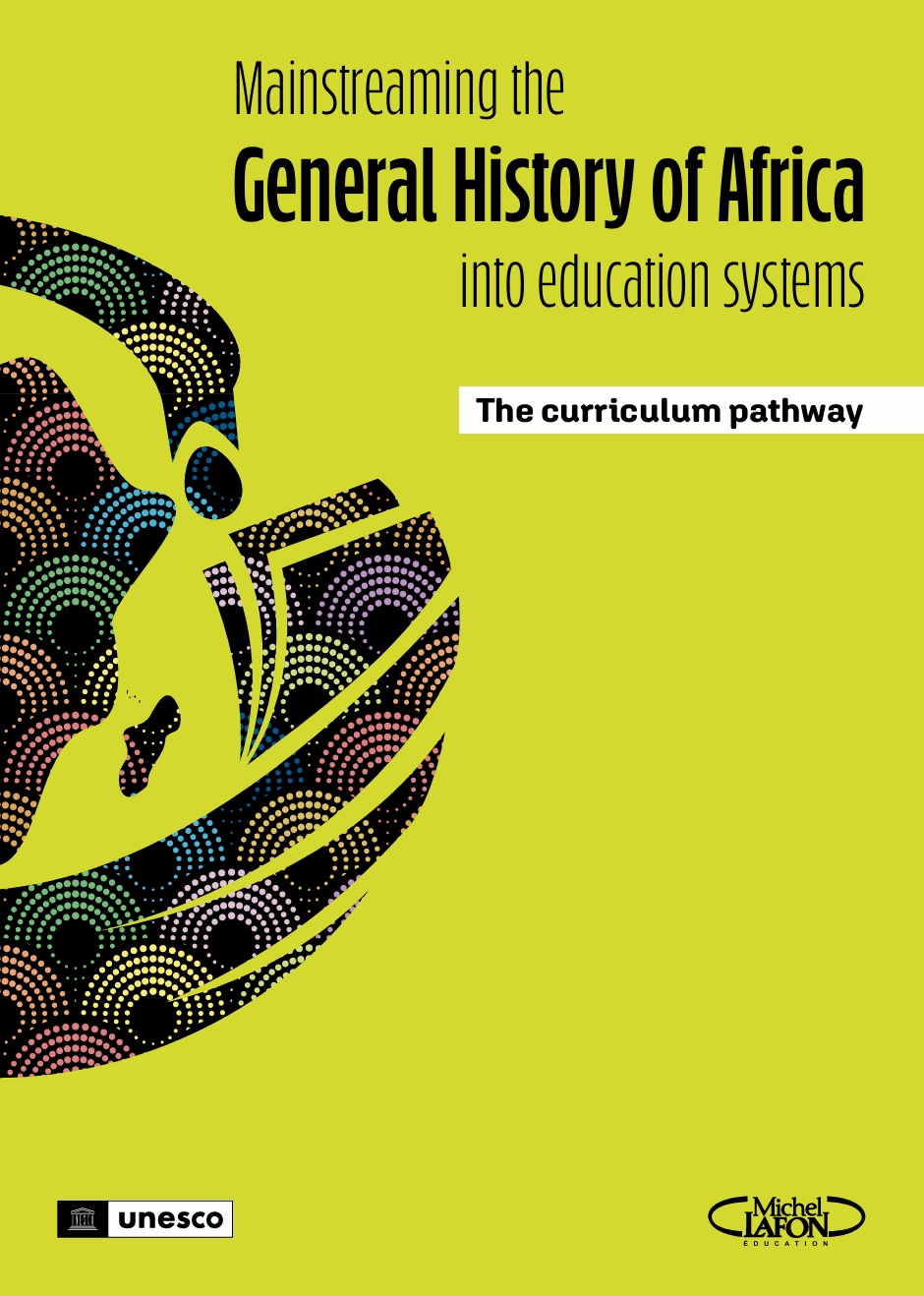 Mainstreaming the General History of Africa into Education Systems: The Curriculum Pathway 出版年份: 2025 机构作者: UNESCO Education about the history of Africa in formal, non-formal and informal learning settings continues to be dominated by Eurocentric perspectives, which has led to imbalanced representation of Africa’s history and preconceptions.This publication is a tool to support countries in challenging the skewed perspectives on how African history is taught and how Africa is perceived. It aims to bring to the foreground Africa’s history, cultures and heritage through the curriculum to strengthen knowledge, skills, values and attitudes that contribute towards addressing long-standing hegemonic, colonial thinking and connected racial bias, while forging a united, prosperous and peaceful Africa and world.Stemming from the decolonial vision and content of the volumes of the General History of Africa, the publication proposes guiding principles and approaches for designing and implementing the General History of Africa into the curriculum. It puts forth curriculum outlines for basic and secondary education to offer renewed and broader perspectives on the history of Africa and its diasporas, and their contributions to humanity.The curriculum outlines are structured around nine thematic Learning Units, arranged chronologically from the origins of humanity and civilizations to Africa’s most recent history.
  وضع تصورات جديدة لمستقبلنا معاً: عقد اجتماعي جديد للتربية والتعليم 出版年份: 2022 机构作者: International Commission on the Futures of Education | UNESCO تُستشف من أحوال العالم في الوضع الراهن أن البشرية وكوكب الأرض معرضان للخطر. وقد قدمت الجائحة التي حلت بنا في الفترة الأخيرة دليلاً دامغاً على أن العالم الذي نعيش فيه يتسم بالهشاشة وتترابط أجزاؤه ترابطاً وثيقاً. ولا بد لنا الآن من اتخاذ إجراءات عاجلة معاً لتغيير المسار ووضع تصورات جديدة لمستقبلنا. وينطوي هذا التقرير الصادر عن اللجنة الدولية المعنية بمستقبل التربية والتعليم على إقرار بقدرة التربية والتعليم على إحداث تغيير عميق في الأوضاع الراهنة. وثمة تحديان ماثلان أمامنا الآن، أولهما هو الوفاء بالوعد المتمثل في ضمان الحق في التعليم الجيد لجميع الأطفال والشباب والكبار، وهو وعد لم يتحقق بعد، وثانيهما هو تحقيق كامل الإمكانات الكفيلة بإحداث التغيير الجذري المنشود، التي ينطوي عليها التعليم بوصفه سبيلاً إلى بناء مستقبل جماعي مستدام. ولا سبيل إلى بلوغ هذه الغاية إلا بإبرام عقد اجتماعي جديد للتربية والتعليم يتيح إصلاح المظالم والاضطلاع في الوقت نفسه بتغيير المستقبل على النحو المنشود. ويجب أن يقوم هذا العقد الاجتماعي الجديد على حقوق الإنسان وأن يستند إلى مبادئ عدم التمييز، والعدالة الاجتماعية، واحترام الحياة، والكرامة الإنسانية، والتنوع الثقافي. ويجب أن يشتمل على أخلاقيات الرعاية والتبادل والتضامن. ويجب أن يعزز التعليم باعتباره عملاً ومنفعة مشتركة. وينطوي هذا التقرير، الذي استغرق إعداده عامين واسترشد معدوه بعملية تشاور عالمية شارك فيها نحو مليون شخص، على دعوة موجهة إلى الحكومات والمؤسسات والمنظمات والمواطنين في جميع أنحاء العالم لصياغة عقد اجتماعي جديد للتربية والتعليم يساعدنا في بناء مستقبل مستدام ينعم فيه الجميع بالسلام والعدل. وليست الرؤى والمبادئ والمقترحات المعروضة ههنا سوى منطلق لمزيد من العمل، إذ ينبغي بذل جهد جماعي لتجسيد هذه الرؤى والمبادئ والمقترحات بما يتماشى مع الظروف والبيئات التي تندرج فيها. وقد تحقق بالفعل العديد من المنجزات البارزة في هذا الشأن. ويسعى في هذا التقرير إلى استعراضها والارتكاز عليها لبناء صرح جديد. وليس هذا التقرير دليلاً إرشادياً ولا خطة لإيجاد حلول، بل هو فتح لباب التحاور في شأن يتسم بأهمية حيوية.
  Reimagining Our Futures Together: A New Social Contract for Education 出版年份: 2021 机构作者: International Commission on the Futures of Education | UNESCO Our humanity and planet Earth are under threat. The pandemic has only served to prove our fragility and our interconnectedness. Now urgent action, taken together, is needed to change course and reimagine our futures. This report by the International Commission on the Futures of Education acknowledges the power of education to bring about profound change. We face a dual challenge of making good on the unfulfilled promise to ensure the right to quality education for every child, youth and adult and fully realizing the transformational potential of education as a route for sustainable collective futures. To do this, we need a new social contract for education that can repair injustices while transforming the future.This new social contract must be grounded in human rights and based on principles of non-discrimination, social justice, respect for life, human dignity and cultural diversity. It must encompass an ethic of care, reciprocity, and solidarity. It must strengthen education as a public endeavour and a common good.This report, two years in the making and informed by a global consultation process engaging around one million people, invites governments, institutions, organizations and citizens around the world to forge a new social contract for education that will help us build peaceful, just, and sustainable futures for all.The visions, principles, and proposals presented here are merely a starting point. Translating and contextualizing them is a collective effort. Many bright spots already exist. This report attempts to capture and build on them. It is neither a manual nor a blueprint but the opening up of a vital conversation.
  함께 그려보는 우리의 미래: 교육을 위한 새로운 사회계약 出版年份: 2022 机构作者: International Commission on the Futures of Education | 유네스코 우리 인류와 지구는 위기에 처해 있다. 코로나19 팬데믹은 우리의 취약성과 상호연결성을 동시에 증명해 주었다. 이 경로를 바꾸고 우리의 미래를 다시 구상하기 위해서는 모두 함께 긴급한 행동에 나서야 한다. 국제미래교육위원회의 이 보고서는 교육의 힘이 심대한 변화를 불러일으킬 수 있다고 믿는다. 인류는 이중의 도전과제에 직면하고 있다. 한편으로는 모든 아동, 청소년, 성인들이 질 높은 교육을 받을 권리를 보장하겠다는 미완의 약속을 이행하면서, 다른 한편으로는 모두에게 지속가능한 미래로 가는 경로로서 교육이 갖고 있는 변혁적 잠재력을 완전히 실현해야 한다. 이를 위해서는 정의롭지 못한 부분을 바로잡으면서 미래를 바꿔 놓을 교육을 위한 새로운 사회계약이 필요하다. 이 새로운 사회계약은 인권에 근간을 두고 차별금지와 사회정의, 생명 존중, 인간 존중 및 문화 다양성에 기초해야 한다. 또한 돌봄의 윤리, 호혜주의, 연대를 포괄해야 하며, 공동의 사회적 노력(shared societal endeavours)이자 공동재(common good)로서 교육을 강화해야 한다. 이 보고서는 2년에 걸쳐 약 백만 명이 참여하는 세계적 협의 과정을 통해 작성되었으며, 전 세계의 정부, 교육기관, 단체, 시민들에게 모두를 위한 평화롭고 정의로우며 지속가능한 미래를 건설할 수 있도록 교육을 위한 새로운 사회계약을 맺는 데 참여할 것을 요청한다. 이 보고서가 제시하는 비전과 원칙, 제안은 단지 출발점일 뿐이다. 이를 각각의 상황에 맞게 변혁하기 위해서는 집단적 노력이 있어야 한다. 이미 긍정적인 부분도 많이 있다. 이 보고서는 그런 부분을 포착해 기반으로 삼으려고 노력했다. 이 보고서는 실용적 매뉴얼이나 청사진이 아니라, 역동적인 대화의 시작이다.
  Переосмыслим наше будущее – Hовый общественный договор в области образования 出版年份: 2023 机构作者: International Commission on the Futures of Education | UNESCO Наше человечество, наша планета находятся в опасности. Пандемия лишь подтвердила нашу хрупкость и взаимозависимость. Чтобы изменить ход вещей и переосмыслить наше будущее, необходимы неотложные совместные действия. В этом докладе Международной комиссии по перспективам образования подтверждается способность образования к осуществлению коренных изменений. Перед нами стоит двойная задача – выполнить невыполненное обещание обеспечить право на качественное образование для каждого ребенка, молодого человека и взрослого и полностью реализовать преобразующий потенциал образования, способного проложить путь к устойчивому коллективному будущему. Для этого нам нужен новый общественный договор в области образования, который сможет устранять проявления несправедливости, преобразуя будущее. Этот новый общественный договор должен основываться на принципах прав человека, недопущения дискриминации, социальной справедливости, уважения жизни, человеческого достоинства и культурного разнообразия. Он должен включать в себя этику заботы о людях, взаимности и солидарности. Он должен укреплять позиции образования как общественного дела и общего блага. Этот доклад, который готовился два года на основе глобального процесса консультаций с участием миллиона человек, предлагает правительствам, учреждениям, организациям и гражданам всего мира разработать новый общественный договор в области образования, который поможет нам построить мирное, справедливое и устойчивое будущее, отвечающее всеобщим интересам. Представленные здесь концепции, принципы и предложения являются лишь отправной точкой. Их воплощение в практику в конкретных условиях – это коллективная работа. Уже есть много положительных моментов, и в настоящем докладе предпринята попытка их отразить и развить. Это не инструкция и не план, а начало жизненно важного разговора.