
相关资源
探索丰富的全球公民教育资源,深化理解,促进研究、倡导、教学与学习。
共找到1,329条结果
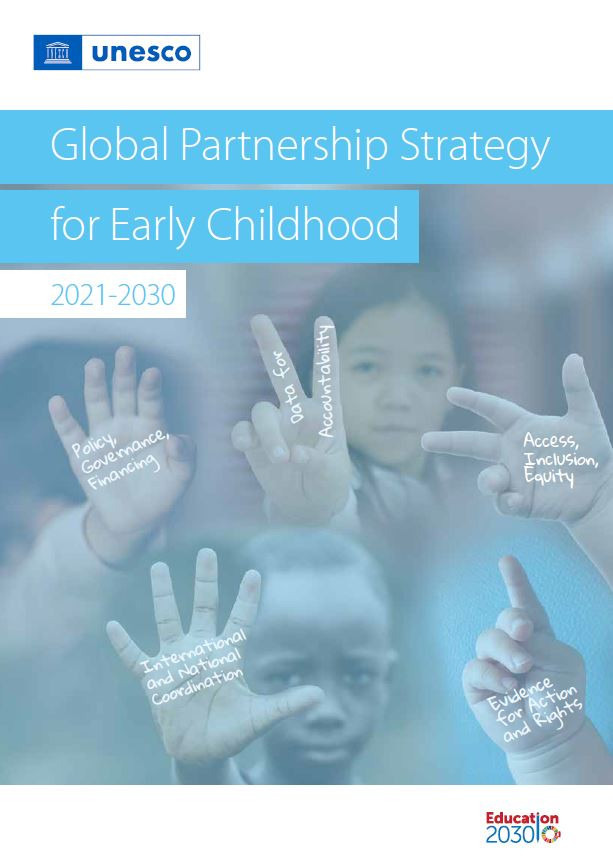 Stratégie de partenariat mondial pour la petite enfance, 2021-2030 出版年份: 2022 机构作者: Organisation des Nations Unies pour l'éducation, la science et la culture (UNESCO) La Stratégie de Partenariat mondial pour la petite enfance est le résultat des efforts interagences pour contrer la tendance négative dans l’éducation et pour surmonter la réduction et la fermeture des services de santé, de nutrition, d’assainissement et de protection de l’enfance dans toutes les régions du monde pendant la pandémie de COVID-19. Des politiques et des services bien conçus et mis en oeuvre pour la protection, l’éducation et le développement de la petite enfance permettent à tous les pays de protéger et de garantir les droits de l’enfant, d’obtenir des taux de rendement élevés sur leurs investissements dans le développement de l’enfant et de la famille et d’élargir les possibilités de transformation des sociétés et des vies.
  اﻟﺘﺼﺪي ﻟﺨﻄﺎب اﻟﻜﺮاﻫﻴﺔ: ﻫﻞ اﻟﺘﻌﻠﻴﻢ ﻫﻮ اﻟﺤﻞ؟ 出版年份: 2022 作者: Nicole Fournier-Sylvester 机构作者: UNESCO | UN. Office on Genocide Prevention and the Responsibility to Protect هذه الورقة جزء من مجموعة أوراق المناقشة ، التي تمّ إعدادها بتكليف من اليونسكو ومكتب الأمم المتحدة للمستشار الخاص وتعتبر الأوراق مساهمة ، )OSAPG( المعني بمنع الإبادة الجماعية مباشرة في استراتيجية وخطة عمل الأمم المتحدة. في سياق منتدى أصحاب المصلحة المتعددين والمؤتمر الوزاري المعني بمعالجة خطابالكراهية من خلال التعليم في سبتمبر وأكتوبر 2021.وقد سلط تفشي جائحة كوفيد- 19 الضوء على أهمية استراتيجية وخطة عمل الأمم المتحدة ، مما أدى إلى ظهور موجة من خطاب الكراهية في جميع أنحاء العالم - مما يؤدي إلى تفاقم التعصب والتمييز تجاه مجموعات معينة وزعزعة استقرار المجتمعات والأنظمة السياسية. تسعى أوراق المناقشة إلى تفريغ القضايا الرئيسية المتعلقةبهذا التحدي العالمي واقتراح الاستجابات والتوصيات الممكنة. Addressing Hate Speech: Educational Responses 出版年份: 2022 作者: Nicole Fournier-Sylvester 机构作者: UNESCO | UN. Office on Genocide Prevention and the Responsibility to Protect This paper is part of a collection of discussion papers, commissioned and produced by UNESCO and the United Nations Office of the Special Adviser on the Prevention of Genocide (OSAPG).The papers are a direct contribution to the United Nations Strategy and Plan of Action and are published in the context of the Multistakeholder Forum and Ministerial Conference on Addressing Hate Speech through Education in September and October 2021.The outbreak of the COVID-19 pandemic has highlighted the pertinence of the United Nations Strategy and Plan of Action, generating a wave of hate speech across the world –further exacerbating intolerance and discrimination towards particular groups and destabilizing societies and political systems. The discussion papers seek to unpack key issues related to this global challenge and propose possible responses and recommendations. Afrontar el discurso de odio: respuestas educativas 出版年份: 2022 作者: Nicole Fournier-Sylvester 机构作者: UNESCO | UN. Office on Genocide Prevention and the Responsibility to Protect Este documento forma parte de una colección de documentos de discusión, encargados y producidos por la UNESCO y la Oficina del Asesor Especial para la Prevención del Genocidio de las Naciones Unidas (OSAPG). Los documentos son una contribución directa a la Estrategia y el Plan de Acción de las Naciones Unidas y se publican en el contexto del Foro Multilateral y la Conferencia Ministerial sobre Combatir los discursos de odio a través de la educación en septiembre y octubre de 2021.El estallido de la pandemia del COVID-19 ha puesto de manifiesto la pertinencia de la Estrategia y el Plan de Acción de las Naciones Unidas, generando una ola de discursos de odio en todo el mundo, exacerbando aún más la intolerancia y la discriminación hacia determinados grupos y desestabilizando las sociedades y los sistemas políticos. Los documentos de discusión tratan de desentrañar las cuestiones clave relacionadas con este reto mundial y proponer posibles respuestas y recomendaciones. Lutter contre les discours de haine : réponses éducatives 出版年份: 2022 作者: Nicole Fournier-Sylvester 机构作者: UNESCO | UN. Office on Genocide Prevention and the Responsibility to Protect Ce document fait partie d’une série de documents de synthèse commandés et produits par l’UNESCO et le Bureau du Conseiller spécial pour la prévention du génocide des Nations Unies (OSAPG). Ces documents sont une contribution directe à la stratégie et le Plan d’action des Nations Unies et sont publiés dans le cadre du Forum multipartite et de la Conférence ministérielle sur la lutte contre les discours de haine par l’éducation, en septembre et octobre 2021.L’apparition de la pandémie de COVID-19 a mis en évidence la pertinence de la Stratégie et le Plan d’action des Nations Unies, générant une vague de discours de haine dans le monde entier, exacerbant encore l’intolérance et la discrimination à l’égard de certains groupes et déstabilisant les sociétés et les systèmes politiques. Les documents de synthèse visent à analyser les questions clés liées à ce défi mondial et à proposer des réponses et des recommandations possibles.
  [Résumé] Repenser nos futurs ensemble: Un nouveau contrat social pour l’éducation 出版年份: 2021 机构作者: International Commission on the Futures of Education | Organisation des Nations Unies pour l'éducation, la science et la culture (UNESCO) Devant la menace qui pèse sur les futurs communs de l’humanité et de la planète Terre, il est devenu urgent d’entreprendre une action commune pour changer de cap et repenser nos futurs. Des responsabilités nouvelles, pressantes et importantes incombent notamment à l’éducation, un secteur qui a été et continue d’être un puissant vecteur de changement positif. Publié par la Commission internationale sur Les futurs de l’éducation, le présent rapport est le résultat d’une consultation mondiale qui a mobilisé près d’un million de personnes. Il invite les gouvernements, les institutions, les organisations et les citoyens à travers le monde à élaborer un nouveau contrat social pour l’éducation qui nous aidera à construire, ensemble et pour tous, des futurs pacifiques, justes et durables. À travers un examen approfondi de différentes questions ayant trait aux technologies numériques, au changement climatique, au recul démocratique, à la polarisation sociétale et à l’avenir incertain du marché du travail, ce rapport entend non seulement lancer un débat ouvert sur l’éducation pour susciter la réflexion, mais aussi inciter chacun d’entre nous à agir ; son argument central étant que grâce à des millions d’actes individuels et collectifs de courage, de leadership, de résistance, de créativité et d’intérêt pour autrui, nous parviendrons à changer de cap et à transformer l’éducation pour favoriser l’avènement de futurs justes, équitables et durables. [Резюм] Совместное переосмысление наших перспектив: Новый социальный договор в интересах образования 出版年份: 2021 机构作者: International Commission on the Futures of Education | Организация Объединенных Наций по вопросам образования, науки и культуры (UNESCO) Все человечество и планета Земля находятся под угрозой. Для изменения ситуации и переосмысления будущего необходимы безотлагательные действия, предпринятые каждым из нас. Перед образованием, которое уже давно признано влиятельным фактором позитивных изменений, стоит новая, срочная и важная задача. Данный доклад Международной комиссии по Перспективам образования, основанный на глобальном процессе консультаций с участием около миллиона человек, предлагает правительствам, учреждениям, организациям и гражданам всего мира заключить новый общественный договор в области образования, который поможет нам построить мирные отношения, создавая справедливое и устойчивое будущее вместе и для каждого. В докладe подробно рассматриваются цифровые технологии, изменение климата, отсутствие успеха в достижении демократии и поляризация общества, а также неопределенные перспективы трудоустройства. Доклад направлен не только на то, чтобы стимулировать обсуждение о вопросах образования и побудить к размышлениям, но и на то, чтобы призвать каждого из нас к активным действиям. Основная его идея заключается в том, что только через миллионы индивидуальных и коллективных актов мужества, лидерства, сопротивления, творчества и заботы мы сможем изменить курс и преобразить систему образования для построения справедливого, равноправного и устойчивого будущего. [摘要] 一起重新构想我们的未来:为教育打造新的社会契约 出版年份: 2021 机构作者: International Commission on the Futures of Education | 联合国教科文组织 (UNESCO) 人类和地球正受到威胁。我们需要共同采取紧急行动,改变发展方向,重新构 想我们的未来。长期以来,教育都被认为是促进积极变革的强大力量,而现在教育 面临着全新的、紧迫的和重要的任务。“教育的未来”国际委员会的这份报告在约 百万人参与的全球协商进程的基础上,邀请世界各地的政府、机构、组织和公民出 谋划策,为教育缔结一项新的社会契约,齐心协力地建设一个面向所有人的和平、 公正和可持续的未来。 报告深入探讨了数字技术、气候变化、民主滑坡、社会两极分化以及不确定的 工作前景等问题,其目的不仅仅是让每个人参与教育对话,引发思考,而且要鞭策 我们每个人都采取行动。报告认为,只有通过数以百万计的个人和集体,凭借行动 力、领导力、抗压力、创造力和关爱力,我们才能改变发展方向,实现教育转型, 最终建设一个公正、公平和可持续的未来。
 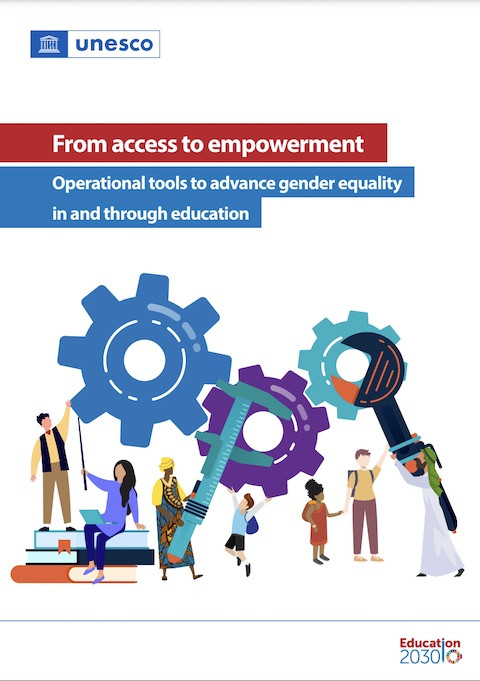 De l’accès à l’autonomisation: Outils opérationnels pour promouvoir l’égalité des genres dans et par l’éducation 出版年份: 2021 机构作者: UNESCO Ce guide a été conçu pour renforcer la capacité individuelle et institutionnelle à intégrer de manière efficace l’égalité des genres aux programmes éducatifs. Ce guide a été préparé pour l’ensemble du personnel du Secteur de l’éducation de l’UNESCO, notamment pour celles et ceux travaillant au Siège, dans les bureaux hors Siège/régionaux/multipays et dans les instituts, ainsi que pour les partenaires d’exécution. Ce guide fournit des outils d’orientation et opérationnels pour intégrer efficacement le genre à tous les programmes relatifs à l’éducation. La première partie est une présentation succincte des concepts clés de l’égalité des genres dans et par l’éducation, et un aperçu de la manière dont l’égalité des genres dans l’éducation s’inscrit dans la vision de l’UNESCO et dans les objectifs fixés au niveau international. La deuxième partie fournit des conseils pratiques sur la manière d’intégrer l’égalité des genres aux programmes éducatifs, d’élaborer des programmes transformateurs et, enfin, de suivre et d’évaluer les résultats en matière de genre dans les programmes éducatifs.
 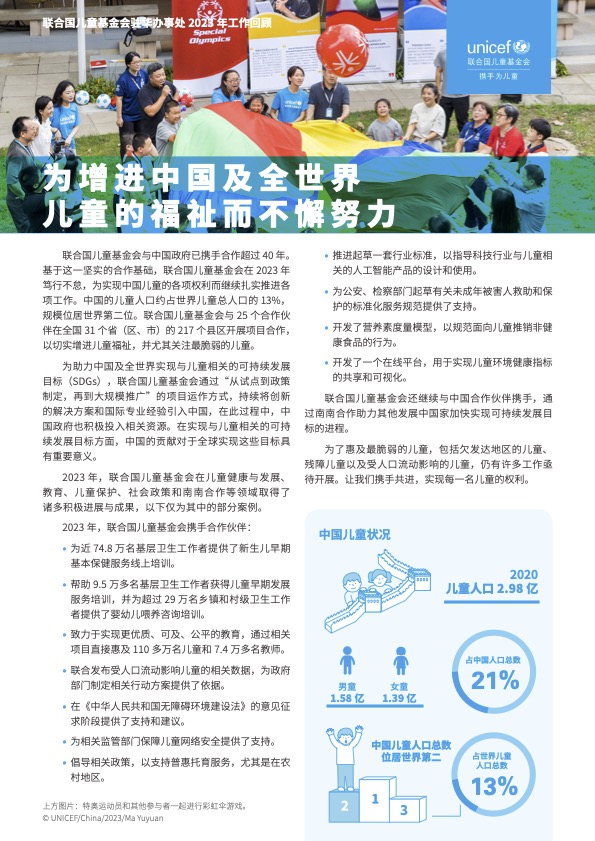 为增进中国及全世界儿童的福祉而不懈努力: 联合国儿童基金会驻华办事处2023年工作回顾 出版年份: 2024 机构作者: 联合国儿童基金会 联合国儿童基金会与中国政府已携手合作超过40年。基于这一坚实的合作基础,联合国儿童基金会在2023年笃行不怠,为实现中国儿童的各项权利而继续扎实推进各项工作。中国的儿童人口约占世界儿童总人口的13%,规模位居世界第二位。联合国儿童基金会与25个合作伙伴在全国31个省(区、市)的217个县区开展项目合作,以切实增进儿童福祉,并尤其关注最脆弱的儿童。为助力中国及全世界实现与儿童相关的可持续发展目标(SDGs),联合国儿童基金会通过“从试点到政策制定,再到大规模推广”的项目运作方式,持续将创新的解决方案和国际专业经验引入中国,在此过程中,中国政府也积极投入相关资源。在实现与儿童相关的可持续发展目标方面,中国的贡献对于全球实现这些目标具有重要意义。2023年,联合国儿童基金会在儿童健康与发展、教育、儿童保护、社会政策和南南合作等领域取得了诸多积极进展与成果,以下仅为其中的部分案例。2023年,联合国儿童基金会携手合作伙伴:为近74.8万名基层卫生工作者提供了新生儿早期基本保健服务线上培训。帮助9.5万多名基层卫生工作者获得儿童早期发展服务培训,并为超过29万名乡镇和村级卫生工作者提供了婴幼儿喂养咨询培训。致力于实现更优质、可及、公平的教育,通过相关项目直接惠及110多万名儿童和7.4万多名教师。联合发布受人口流动影响儿童的相关数据,为政府部门制定相关行动方案提供了依据。在《中华人民共和国无障碍环境建设法》的意见征求阶段提供了支持和建议。为相关监管部门保障儿童网络安全提供了支持。倡导相关政策,以支持普惠托育服务,尤其是在农村地区。推进起草一套行业标准,以指导科技行业与儿童相关的人工智能产品的设计和使用。为公安、检察部门起草有关未成年被害人救助和保护的标准化服务规范提供了支持。开发了营养素度量模型,以规范面向儿童推销非健康食品的行为。开发了一个在线平台,用于实现儿童环境健康指标的共享和可视化。联合国儿童基金会还继续与中国合作伙伴携手,通过南南合作助力其他发展中国家加快实现可持续发展目标的进程。为了惠及最脆弱的儿童,包括欠发达地区的儿童、残障儿童以及受人口流动影响的儿童,仍有许多工作亟待开展。让我们携手共进,实现每一名儿童的权利。